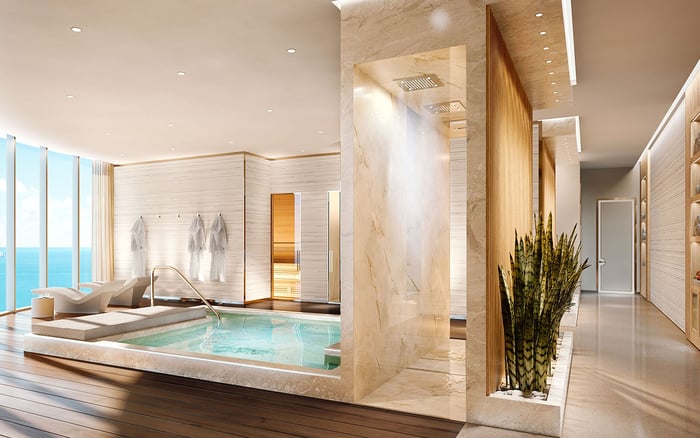
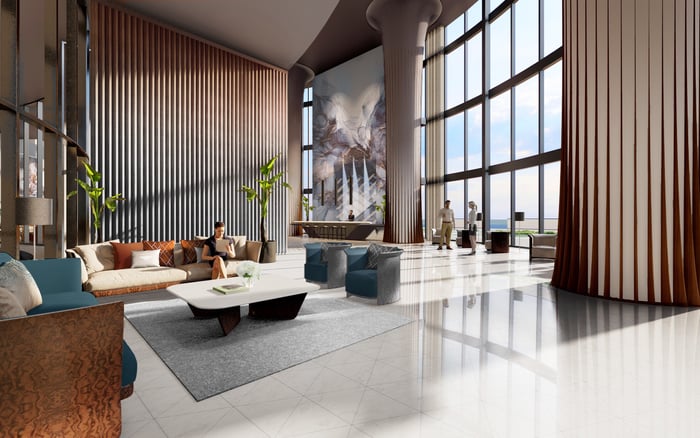
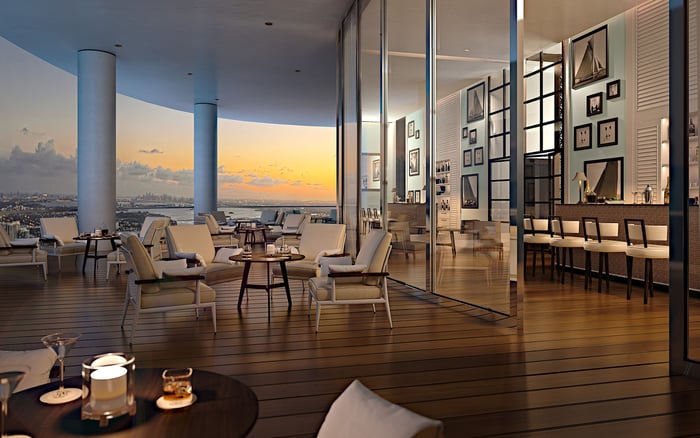
A buyer-oriented guide to evaluating Bentley Residences Sunny Isles for serious art collecting, with attention to glass, gallery walls, coastal climate, private logistics, and the interplay between cars, interiors, and collectible objects.

For a serious collector, the most important room in an oceanfront condominium is not always the most dramatic one. It is the room where light, humidity, wall space, circulation, insurance, installation access, and daily living can coexist without compromise. At Bentley Residences Sunny Isles, that question is especially compelling because the building is positioned as an ultra-luxury oceanfront condominium in Sunny Isles Beach with a design identity tied to Bentley Motors.
That automotive language matters. Many buyers drawn to Bentley Residences Sunny Isles are not simply purchasing a view; they are composing a private environment for design objects, cars, furniture, art, and personal ritual. The residence may need to function as salon, gallery, retreat, and secure storage environment at once. For collectors, the right question is not whether the art will fit after closing. It is where the art will live, how it will be lit, how it will be protected, and whether the residence can be specified around the collection from the beginning.
The Atlantic horizon is one of Sunny Isles Beach’s defining luxuries, but art collectors should treat every wall of glass as both an aesthetic asset and a conservation question. Floor-to-ceiling glass and panoramic views can create extraordinary atmosphere, yet they also change how a room receives direct sun, reflected glare, heat gain, and daily shadow movement.
Before choosing a residence, buyers should study how morning and afternoon exposure may affect potential display zones. Paintings, works on paper, photography, textiles, and certain mixed-media pieces can be sensitive to light, particularly when installed near glass or terrace doors. The essential questions are practical: where motorized shades will be needed, whether UV-filtering treatments can be incorporated, which walls remain shaded throughout the day, and how art-safe lighting will be layered after dark.
This is not unique to one tower. It is a broader consideration across the luxury coastline, from St. Regis® Residences Sunny Isles to other glass-forward branded and beachfront addresses. For a collector, the difference is the level of precision required. A beautiful living room becomes more valuable when its glow can be moderated enough to protect the works that give it character.
In many trophy residences, the view wins first and the walls come second. Collectors should reverse that order during due diligence. Floor-to-ceiling glass can reduce uninterrupted solid wall area, and open-plan living can create long sightlines without necessarily producing museum-quality hanging zones. A floor plan that reads beautifully for entertaining may still require intervention if the collection includes large canvases, sculpture, photography grids, or installation-based work.
The most useful exercise is to mark potential gallery walls before committing to a layout. Which walls can hold major works without interruption from doors, vents, millwork, televisions, or service openings? Where can niches be custom-built? Can lighting tracks, recessed fixtures, or picture lights be integrated without visual clutter? Does the main arrival sequence give the collection a controlled reveal, or does it compete with the ocean immediately?
At Bentley Residences Sunny Isles, the private car-elevator concept and in-residence vehicle storage add another layer. For some buyers, the vehicle is part of the collection, a sculptural object with material, color, and engineering presence. For others, cars and art should not compete. The planning challenge is deciding whether the car becomes a focal point, a backdrop, or a separate design moment. In-unit sky garages may influence circulation, sightlines, and wall planning, so the art consultant, interior designer, lighting designer, and security specialist should be aligned early.
Sunny Isles Beach offers the atmosphere collectors love: water, horizon, terraces, and a resort-like pace. It also brings coastal realities. Humidity, salt air, storm exposure, and seasonal weather planning are essential considerations for anyone keeping valuable paintings, paper works, textiles, or metal sculpture at home.
Buyers should ask whether the residence can support supplemental humidity control, dedicated art-storage zones, or mechanical upgrades beyond standard comfort settings. A collector’s ideal climate is not always identical to a resident’s preferred room temperature. Storage rooms, private offices, and interior corridors may be better suited for vulnerable works than spaces adjacent to terrace doors. Durable outdoor sculpture can benefit from expansive terraces and private exterior areas, but sensitive works belong in controlled interiors.
This is where design and architecture become more than styling. They become infrastructure. In art-forward homes, mechanical planning, shade strategy, wall detailing, lighting temperature, and materials selection all become part of the collection’s long-term care. The strongest build-outs will likely balance ocean views with interior gallery walls, shaded display zones, and storage areas away from direct exposure.
High-value collections should be planned around layered security. Private elevator access, controlled delivery routes, in-unit alarms, cameras, and secure storage rooms are all part of the conversation. The residence should protect the art without making the home feel defensive or overdesigned.
Collectors should clarify rules for installers, freight access, insurance certificates, and after-hours deliveries before moving large or fragile works into the building. Can a crate be staged discreetly? Is there a route for oversized sculpture? How are installation teams registered? What is the protocol when a work arrives from storage, auction, or another residence? These are not glamorous questions, but they define how comfortably a collection can function in daily life.
Among luxury buyers comparing branded towers such as The Ritz-Carlton Residences® Sunny Isles, the art logistics conversation should be as detailed as the amenity conversation. A residence may be breathtaking, but a collector needs a home that can receive, secure, rotate, and protect valuable objects with discretion.
For South Florida collectors, hurricane-season planning should be specific, written, and rehearsed. Vulnerable works should have designated interior refuge locations away from glass. Owners should know how climate control will be maintained during outages, how art will be prioritized if relocation becomes necessary, and how water intrusion risk is addressed around doors, terraces, and storage spaces.
This does not mean an oceanfront residence is unsuitable for art. It means oceanfront living rewards preparation. Collectors already understand condition, provenance, insurance, and transport. A coastal residence simply adds another layer of stewardship. The same mindset that governs crating, conservation framing, and loan agreements should govern home planning.
Sunny Isles Beach has long appealed to buyers who want height, water, privacy, and polish. At glass-forward coastal residences, as at Bentley Residences Sunny Isles, the view is part of the lifestyle. For collectors, the most successful homes will be those where the view is edited, framed, shaded, and balanced by rooms that let art breathe.
The strongest approach is to assemble the art team before final interior decisions are locked. Bring the collection inventory into the planning conversation. Identify anchor works, delicate media, sculpture dimensions, crate routes, insurance requirements, and desired rotation frequency. Then test the residence against those needs.
Ask where the primary gallery wall belongs. Ask which rooms can remain cooler, darker, and more stable. Ask how the terrace should be used for sculpture without exposing sensitive works. Ask whether cars are part of the collecting narrative or a separate pleasure. Ask whether the home’s best sunset, sunrise, or ocean moment also happens to be the most dangerous place for a prized work on paper.
Bentley Residences Sunny Isles is compelling because it invites a lifestyle of design precision. For the art collector, that precision should extend behind the walls, into the ceiling, across the glass, through the delivery route, and into the climate system. The result can be a residence that feels less like a display case and more like a private world, one where art, cars, architecture, and the Atlantic are composed with restraint.
Is Bentley Residences Sunny Isles suitable for serious art collectors? It can be compelling for collectors, but suitability depends on residence selection, light control, wall planning, security, and climate strategy.
Why is glass a concern for art in an oceanfront condo? Glass can introduce direct sun, glare, and heat, so collectors should evaluate UV treatments, shades, and shaded display zones.
Do floor-to-ceiling windows reduce usable gallery space? They can reduce uninterrupted wall area, making early floor-plan review essential for large works or salon-style installations.
Can terraces be used for art display? Terraces may suit durable outdoor sculpture, while paintings, works on paper, textiles, and sensitive objects should remain indoors.
How does in-residence vehicle storage affect art planning? Cars may become part of the visual composition, but they can also compete with art for sightlines, lighting, and circulation.
What should buyers ask about climate control? They should ask about supplemental humidity control, stable interior storage areas, and mechanical options beyond ordinary comfort settings.
What security measures matter for a private collection? Layered planning may include controlled access, private elevator protocols, cameras, alarms, secure rooms, and discreet delivery routes.
Should art installers be discussed before closing? Yes. Freight access, insurance certificates, after-hours deliveries, and staging areas should be understood before major works arrive.
How should collectors prepare for hurricane season? They should identify interior refuge areas, protect works from glass exposure, and plan for climate stability during outages.
What is the best art strategy for Bentley Residences Sunny Isles? Balance the Atlantic views with dedicated interior walls, controlled lighting, secure storage, and conservation-minded room planning.
For a discreet conversation and a curated building-by-building shortlist, connect with MILLION.
If branded residences are on your mind — as a home or as an allocation — we would be glad to share what we are seeing, privately.
Begin a quiet conversation