A discreet buyer’s guide to evaluating digital visitor screening in luxury South Florida residences, with emphasis on privacy, operations, service quality, and long-term value.
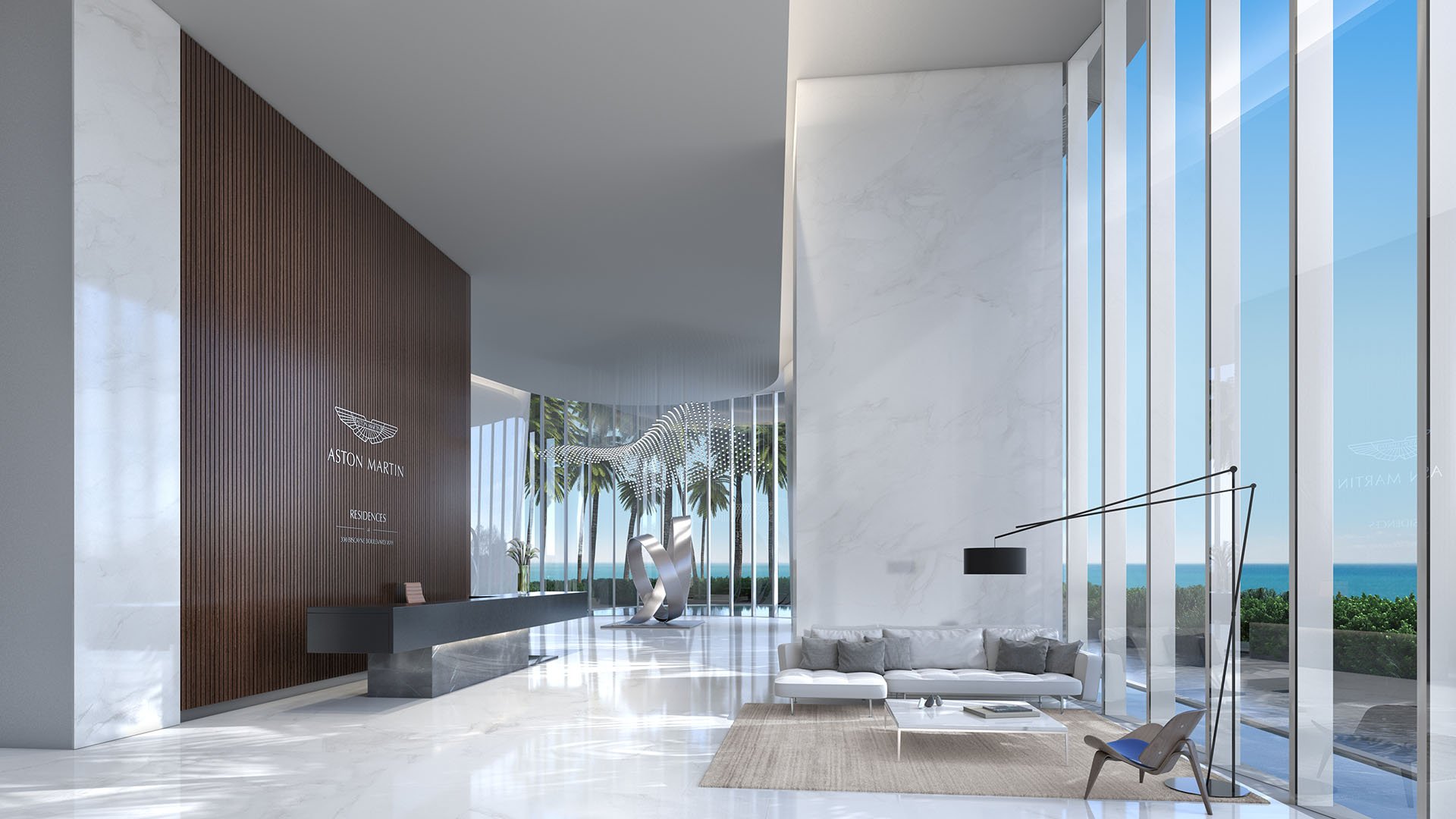
Digital visitor screening has entered the modern sales-gallery vocabulary, especially in South Florida’s most design-conscious residential markets. A buyer may be shown a glowing lobby console, a mobile access flow, a license-plate capture concept, or a concierge dashboard that seems to turn arrival into choreography. The question is not whether the technology looks impressive. The question is whether it will make daily life more secure, more private, and more graceful once the building is occupied.
For a discerning buyer, that distinction matters. Useful screening technology reduces friction without making residents feel managed. It gives staff clear information without exposing more personal data than necessary. It strengthens the boundary between public and private space while preserving the sense of welcome that defines a top-tier residence. Sales-gallery theater, by contrast, often relies on screens, promises, and vague language about seamlessness.
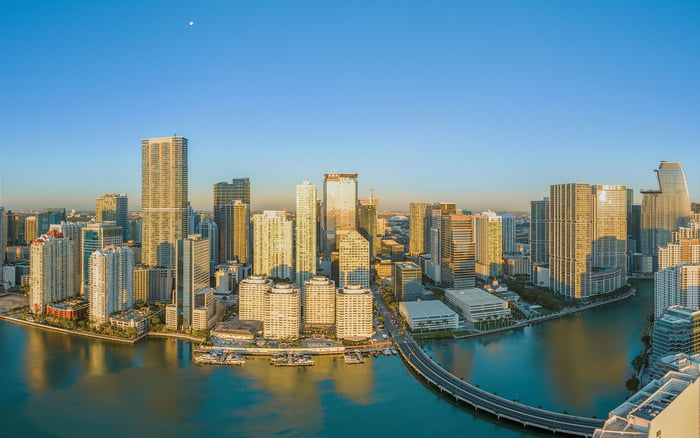
The most sophisticated evaluation begins with restraint. In Brickell, Miami Beach, Sunny Isles, and Fort Lauderdale, the highest expectation is not simply convenience. It is discretion. The most valuable systems should recede into the service culture of the property.
A serious visitor-screening program begins before a guest reaches the desk. It should clarify who is expected, who authorized the visit, how access is granted, and what happens if the visitor arrives outside the expected window. This may involve resident permissions, staff verification, elevator routing, parking coordination, package handling, contractor protocols, or guest arrival notes. The exact tools vary, but the operational principle is constant: reduce uncertainty at the point of entry.
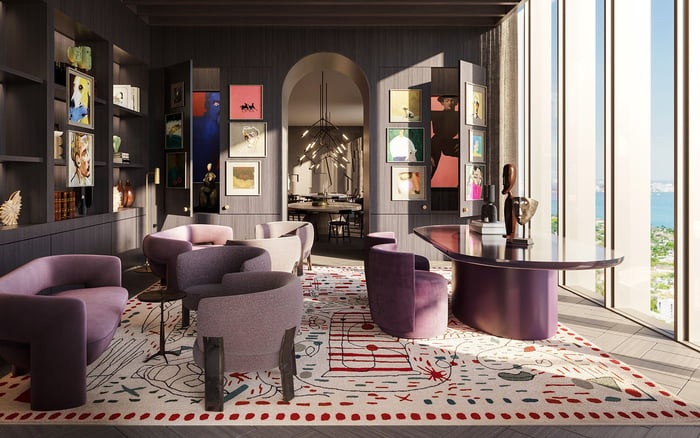
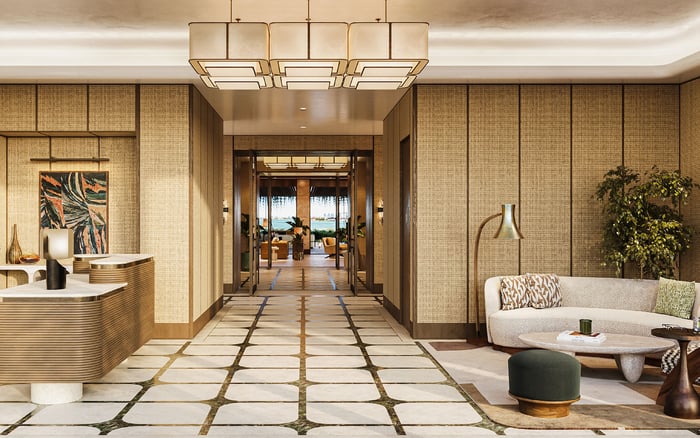
That clarity is particularly important in new-construction residences, where buyers are often shown a future lifestyle rather than an operating building. Rendered screens can be elegant, yet the real value depends on whether the system is connected to building staffing, access control, management policies, and resident preferences. A beautiful interface is not a security strategy by itself.
Ask whether the platform supports different visitor types. A dinner guest, a housekeeper, a personal trainer, a contractor, a delivery driver, and a private driver should not all be treated the same. A system that makes these distinctions can help the property maintain calm. A system that collapses every arrival into one generic process is more likely to burden staff and irritate residents.
Sales-gallery theater usually reveals itself through abstraction. If a representative uses phrases such as fully integrated, effortless, or hotel-inspired without explaining the arrival sequence, the buyer should slow the conversation. The most important question is simple: what exactly happens from the moment a visitor approaches the property until that person reaches the resident?
A second red flag is overdependence on the resident’s phone. Mobile control can be convenient, but luxury living cannot assume every owner wants to manage every guest in real time. A well-run property should also offer staff-supported options, clear permissions, and sensible fallbacks when a resident is traveling, unreachable, or hosting at scale.
A third warning sign is a system presented as exclusive because it looks dramatic. Screens, badges, facial prompts, and animated maps may create a futuristic mood, but they do not automatically create better privacy or security. The buyer should ask who sees the information, how exceptions are handled, and whether the experience remains elegant at peak arrival times.
In ultra-premium buildings, privacy is not a decorative promise. It is a daily condition. Digital visitor screening touches names, phone numbers, arrival times, license plates, photographs, vendor identities, and household routines. Even if a system collects only a modest amount of information, residents should understand why each category is needed.
A useful system has a clear data philosophy. It should collect the least information necessary, restrict access to authorized personnel, and define retention practices plainly. It should also allow the building to separate resident-facing convenience from back-of-house records. The more sensitive the community, the more important this becomes.
For investment-minded buyers, privacy governance has another dimension. A residence that relies on vague access procedures can become harder to manage, especially when owners travel frequently or use professional household staff. Strong screening protocols can support value by reducing operational ambiguity. Still, the technology should never feel like surveillance theater. The goal is control without spectacle.
Begin with staff training. Who will use the system each day, and what training will they receive before opening? A polished software promise means little if the front desk cannot resolve exceptions calmly. Ask whether procedures are written, whether resident preferences can be updated easily, and whether management can audit unusual access events.
Next, ask about failure modes. What happens if the internet connection is interrupted, a device is down, a guest has no smartphone, or a resident makes a last-minute change? True luxury anticipates imperfection. A property that cannot explain its backup process is not yet operationally mature.
Then ask about integration. Visitor screening should not sit apart from parking, elevators, service entrances, package rooms, and amenity reservations if those elements are part of the building’s arrival sequence. Fragmented systems create duplicate work and inconsistent hospitality. Integration should be described in plain language, not slogans.
Finally, ask how the building treats contractors and recurring visitors. In South Florida, many residences depend on household managers, designers, drivers, trainers, wellness practitioners, and specialized maintenance. A high-quality system should support recurring access permissions without weakening control.
South Florida luxury real estate has a distinctive rhythm. Owners may be seasonal, international, privacy-sensitive, or deeply service-oriented. A residence may need to feel like a private club on Friday evening, a family home on Sunday morning, and a highly controlled address during renovation or delivery periods. Visitor screening should adapt to that rhythm.
In Brickell, vertical living often places pressure on arrival sequencing. In Miami Beach, privacy and guest discretion may carry a different emotional weight. In Sunny Isles, where residential towers can be strongly amenitized and service-forward, a system must balance volume with serenity. In Fort Lauderdale, waterfront living may introduce additional patterns of staff, service, and guest movement. These are not claims about any single building. They are practical lenses for judging whether the technology understands the lifestyle it is meant to serve.
The best systems are not necessarily the most visible. They may simply allow a resident to host dinner without calling down repeatedly, authorize a vendor without exposing household routines, and welcome a family member without turning arrival into a transaction.
Value the system that makes the building easier to operate. Value the one that gives staff better judgment rather than replacing judgment with a screen. Value privacy settings that can be explained in two minutes. Value a calm guest journey over a dramatic one.
Also value restraint in the sales conversation. If the team can describe how the system handles everyday life, special events, vendors, and exceptions, the technology may be more than theater. If the presentation rests on atmospherics, the buyer should continue asking practical questions until the operational reality appears.
In the end, digital visitor screening is not a standalone amenity. It is part of the residence’s promise of controlled ease. The most refined buildings will not make residents think about the system often. They will simply make the threshold between the city and the private home feel intelligently protected.
What is digital visitor screening in a luxury residence? It is the process of identifying, authorizing, and managing guests, vendors, and service providers before they move through the property.
Is a dramatic lobby screen a sign of better security? Not necessarily. The stronger indicator is whether the building can explain the full arrival process and its backup procedures.
What should buyers ask first? Ask what happens when an expected guest arrives and what happens when an unexpected visitor appears.
Why does privacy matter so much? Visitor systems may touch household routines, names, arrival times, and vendor relationships, all of which should be handled discreetly.
Should residents have to manage every guest by phone? No. Mobile tools can help, but luxury service should include staff-supported options and sensible fallbacks.
How can a buyer spot sales-gallery theater? Be cautious when the presentation emphasizes screens and buzzwords but cannot explain staffing, exceptions, and data controls.
Does new construction make evaluation harder? Yes. Buyers are often reviewing a planned operating model, so they should ask for specific procedures rather than relying on renderings.
Can visitor screening support investment value? It can, when it improves operations, privacy, and consistency for owners who travel or rely on household staff.
What matters most in Brickell, Miami Beach, Sunny Isles, and Fort Lauderdale? The system should match the rhythm of the location while preserving discretion, service, and ease of arrival.
What is the best way to shortlist comparable options for touring? Start with location fit, delivery status, and daily lifestyle priorities, then compare stacks and elevations to validate views and privacy.
When you're ready to tour or underwrite the options, connect with MILLION.
If branded residences are on your mind — as a home or as an allocation — we would be glad to share what we are seeing, privately.
Begin a quiet conversation