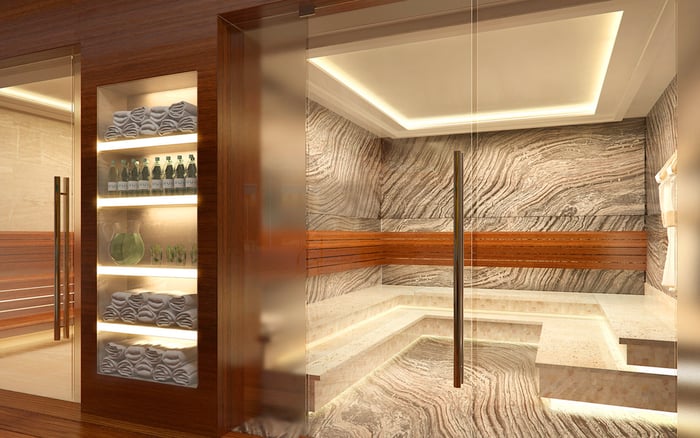
A practical South Florida family-buyer guide to evaluating owner-only amenity access at The Estates at Acqualina in Sunny Isles Beach, with document-focused questions to verify before relying on private-club-style amenities for daily life.

At The Estates at Acqualina in Sunny Isles Beach, family buyers evaluating owner-only amenity access should focus less on the phrase itself and more on the written rules behind it. In an ultra-luxury South Florida condominium setting, amenity control can shape privacy, daily convenience, guest use and household routines.
For families, owner-only access is rarely a single question. It can affect children, spouses, grandparents, visiting friends, caregivers, household staff, permitted occupants, seasonal users and renters. The most important issue is whether the rules match how the household actually lives.
A buyer should therefore treat amenity access as a core due-diligence topic. The goal is to understand who may use each space, when they may use it, whether supervision is required, whether reservations or fees apply and how management enforces the standards.
Families should ask for the governing documents, rules and regulations, and any current amenity policies that define access. Marketing descriptions can help explain the lifestyle, but the operating documents determine how that lifestyle works after closing.
The review should identify which amenities are limited to owners, which are available to residents or household members, and which may be used by guests. Buyers should also ask whether different rules apply to dining areas, pools, beach-related services, lounges, wellness spaces, children’s areas, entertainment rooms or event spaces.
A clear written framework is especially important because access rules may vary by amenity. Permission to use one space should not be assumed to mean equal access to every other space.
The first family question is who qualifies as an authorized user. Buyers should confirm whether minor children of owners have the same rights as adult owners, whether age thresholds apply and whether some areas require a parent, guardian or approved caregiver.
This can affect everyday routines. A family may want to know whether a child can visit a recreation area after school, whether siblings can use an amenity while a nanny supervises, or whether certain spaces are restricted by age, time of day or supervision requirements.
Families with younger children may prioritize safety and predictability. Families with teenagers may focus on independence and convenience. In both cases, the correct answer should come from the rules, not assumptions made during a tour.
South Florida residences often serve as gathering places for extended family. Buyers should ask how guest access works for grandparents, relatives, friends, visiting families and private celebrations.
Key questions include whether guest passes are required, whether guests must be accompanied, whether daily or seasonal limits apply and whether guests can use the same spaces as owners. Families should also ask whether private gatherings require advance approval, reservations, staffing, fees, deposits or capacity limits.
These details matter if the household expects to host birthdays, holidays, visiting relatives or school-year gatherings. A property can feel generous or restrictive depending on how the guest rules work in practice.
Many family households rely on caregivers and support staff. Nannies, tutors, drivers, household managers and private security may be part of the daily routine, especially for buyers using a residence as a primary or frequent South Florida home.
Families should ask whether caregivers may accompany children into amenity areas, whether staff can access elevators or service routes, and whether staff may remain with children at pools, play areas, dining venues or other shared spaces. The rules may distinguish between guests, employees and approved household support, so buyers should verify the exact classification.
This issue is practical rather than symbolic. If a child’s routine depends on a caregiver, the amenity policy should support that routine clearly and consistently.
Even if a buyer plans to occupy the residence personally, future flexibility matters. Family needs can change, and a residence may later be used seasonally, occupied by relatives or leased subject to applicable rules.
Buyers should ask whether renters or permitted occupants receive the same amenity access as owners. They should also confirm whether registration procedures, lease terms, guest limits, fees or approval processes affect amenity privileges.
The question is not only whether leasing is possible. The larger issue is whether a tenant family or seasonal occupant can use the amenities in the same way the owner expected, and whether any limitations could affect value, convenience or future planning.
Because brand environments and nearby hospitality uses can influence buyer expectations in Sunny Isles Beach, families should ask precise questions about any amenity or service relationship they believe is part of the ownership experience.
If a buyer expects access to a particular service, space or privilege, that expectation should be tied to written documentation. Families should ask whether any benefit is included, separately charged, limited by availability, subject to management approval or capable of changing over time.
This is especially important when a purchase decision depends on daily convenience. The more important a service is to the family’s routine, the more carefully it should be documented before closing.
Amenity policies are only as useful as their enforcement. Buyers should ask who interprets the rules, who has discretion, how violations are handled and whether standards may be amended by the association, management or another governing body.
Operational details deserve attention. Are reservations required? Are walk-ins allowed? Are there time limits? Are holiday periods treated differently? Are there fees for private use? Are some areas adults-only or subject to age restrictions? Are guests treated differently during peak periods?
These are not minor questions for a family buyer. They can determine whether the property supports school-year routines, summer visits, wellness schedules, pool time, dining plans and multigenerational gatherings.
The Estates at Acqualina Sunny Isles may appeal to families seeking privacy, service and a highly controlled luxury residential environment. The key is to understand what owner-only access means in written, operational terms.
A family that verifies the rules before closing can compare the property against its real lifestyle needs. The best outcome is not simply exclusivity; it is exclusivity that works for children, guests, caregivers, staff, seasonal plans and future flexibility.
What should owner-only amenity access mean to a family buyer? It should be reviewed as a written access framework that explains who can use amenities, when they can use them and under what conditions.
Should buyers rely on verbal descriptions during a tour? No. Verbal explanations may be helpful, but the governing documents and current rules should control expectations.
What should families ask about children? Families should confirm whether children have access, whether age limits apply and whether parent or caregiver supervision is required.
Can grandparents and visiting relatives use the amenities? Buyers should verify guest rules, accompaniment requirements, limits, registration procedures and any fees before assuming access.
Why do caregiver rules matter? If nannies, tutors or household staff support a child’s routine, the family needs to know whether those individuals can accompany children in amenity areas.
Should renters be part of the access review? Yes. Even owner-occupants should understand whether renters or permitted occupants receive the same amenity privileges.
Are all amenity spaces usually governed by the same rules? Not necessarily. Buyers should ask whether different rules apply to pools, dining areas, wellness spaces, children’s areas and event spaces.
What should buyers ask about private events? They should confirm reservation procedures, approvals, capacity limits, staffing requirements, deposits and fees.
Can amenity rules change after purchase? Buyers should ask who has authority to amend rules and how owners are notified of changes.
What is the main due-diligence takeaway for families? The strongest family fit comes from matching written access rules to real routines before making a purchase decision.
If you'd like a private walkthrough and a curated shortlist, connect with MILLION.
If branded residences are on your mind — as a home or as an allocation — we would be glad to share what we are seeing, privately.
Begin a quiet conversation