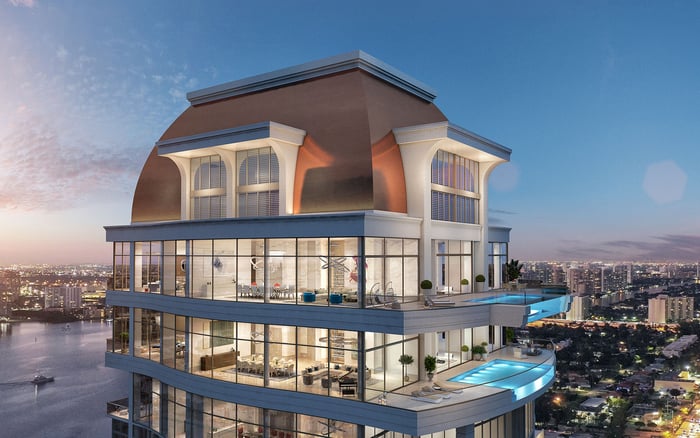
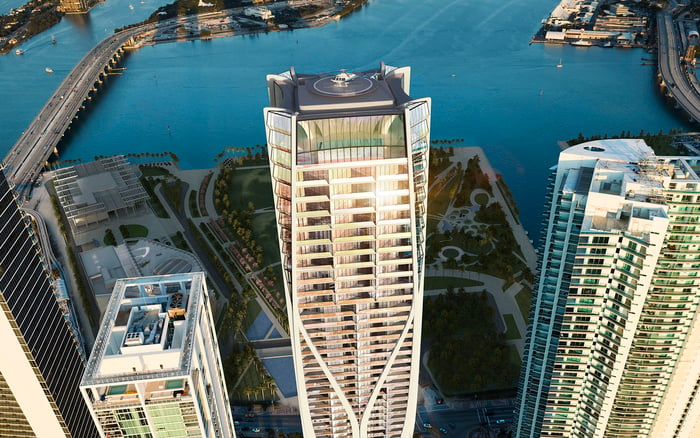
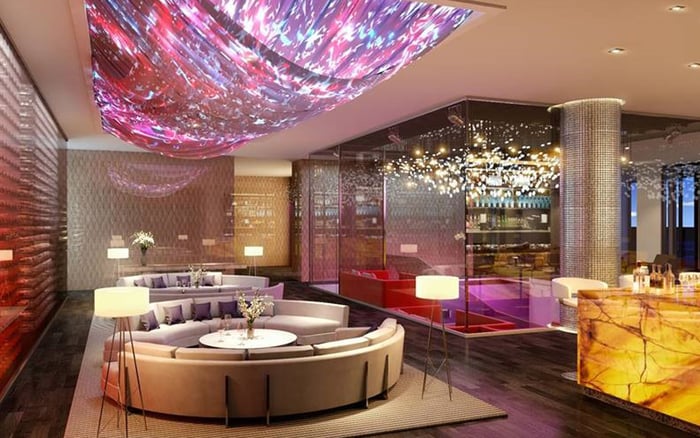
A discreet buyer-focused examination of how ownership, operating control, access practices, and amenity governance shape recovery-room privacy at The Estates at Acqualina in Sunny Isles Beach.
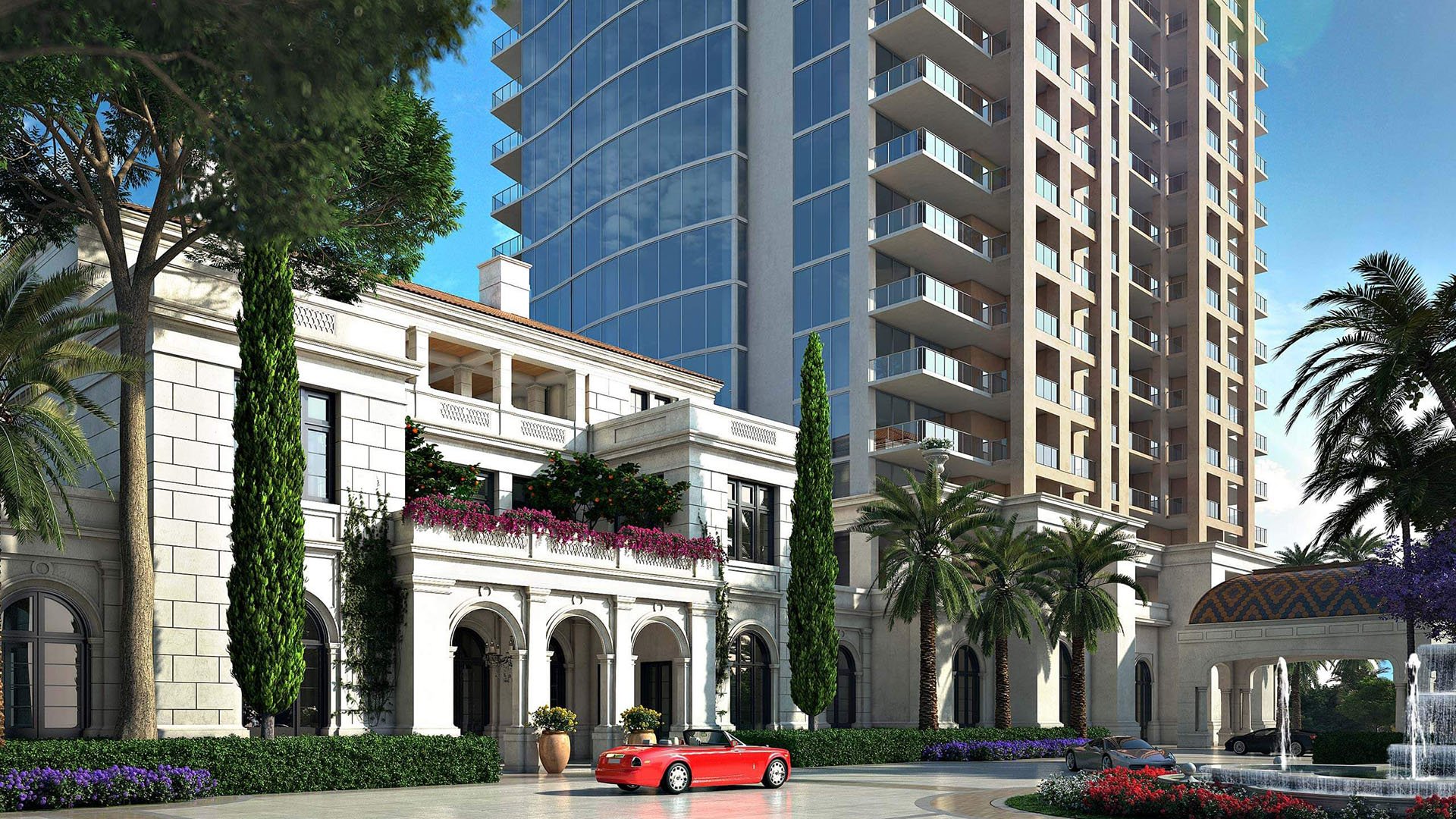
At the highest end of South Florida real estate, privacy is no longer measured only by elevator access, setbacks, glazing, or the hush of a lobby. It is increasingly measured by control: who controls the room, the corridor, the appointment book, the guest log, the staff entry, and the record of what occurred there.
That is the ownership question behind recovery-room privacy at The Estates at Acqualina, a luxury residential development in Sunny Isles Beach. The property is positioned as a high-end residential environment with resort-style amenities, reflecting the broader Sunny Isles Beach shift toward ultra-luxury residential towers. In that setting, wellness is part of the lifestyle language. But for buyers contemplating post-procedure recovery, concierge medicine, private nursing, or discreet therapeutic support, the most important detail may not be the beauty of the space. It may be who owns it, who operates it, and who can see its activity.
The distinction matters because a private residence and a resort-style amenity can feel similarly exclusive while functioning very differently. Inside an individually owned residence, the owner’s control is more intuitive, subject to building rules and applicable restrictions. In a shared spa, wellness suite, treatment room, pool deck, or service area, control may rest elsewhere. That elsewhere is where privacy questions become serious.
For a luxury buyer, the word private can carry several meanings. It may mean physically secluded. It may mean limited to residents. It may mean bookable by appointment. It may mean staffed, managed, or serviced. None of those meanings automatically answers the deeper ownership question.
A buyer evaluating The Estates at Acqualina Sunny Isles should distinguish between the residence itself and spaces that may be condominium common elements, limited common elements, commercial units, or separately operated service areas. Each category can imply different rights of access, operating rules, and records. A serene treatment room may be reserved for residents, yet still be managed under policies that permit staff oversight, maintenance entry, appointment tracking, or operational reporting.
The luxury buyer’s concern is not merely whether someone can overhear a conversation. It is whether usage information exists, who can access it, and how it is handled. Guest names, arrival times, staff observations, service requests, elevator permissions, parking details, and amenity bookings can create a practical record of behavior. For a resident recovering from an elective procedure or managing a sensitive health matter, that operational footprint may matter as much as the walls around the room.
Recovery-room privacy should be treated as a governance issue, not as an amenity adjective. The available information does not establish that The Estates at Acqualina operates a licensed medical recovery facility, and buyers should not assume that spa or wellness environments are legally equivalent to regulated medical settings. The more precise question is how a residential development’s wellness spaces are controlled and what privacy practices apply to them.
This distinction is especially important in resort-style residences, where the line between private home, hospitality service, and wellness service can blur. A resident may see the building as an extension of the home. An operator may see an amenity as a managed service environment. An association may see it as a governed space with rules for use, guest access, insurance, safety, and staffing. Those perspectives can coexist elegantly, but they are not identical.
For the discreet buyer, planning should begin before closing. If private nurses, concierge physicians, recovery aides, massage therapists, or other outside providers may be involved, the buyer should clarify whether they may enter the building, where they may operate, what credentials or approvals are required, and whether management can limit certain activities in shared areas. The issue is not suspicion. It is alignment.
Sunny Isles Beach has become a natural stage for ultra-luxury residential living, where service, wellness, design, and ocean proximity combine into a single ownership proposition. In that environment, privacy is part of the premium. But the most sophisticated buyers understand that privacy is not a mood. It is a structure.
The search language around this tier often includes The Estates at Acqualina Sunny Isles, Sunny Isles, oceanfront residences, new construction, pool amenities, and Aventura proximity, because buyers are comparing not only views and finishes, but also the operating culture of the building. A resident who wants quiet recovery after a procedure may care less about the amenity menu than about the path from car to elevator, the visibility of visitors, staff discretion, and the rules governing in-residence services.
This is where luxury residential living requires sharper diligence. A hospitality-inflected environment can deliver extraordinary convenience. It can also generate more touchpoints: concierge requests, wellness reservations, service coordination, package handling, valet interactions, guest registration, and internal communications. Each touchpoint may be entirely ordinary, but together they define the privacy experience.
The most useful privacy answers are rarely found in marketing language. They are found in the condominium declaration, association rules, service contracts, operator agreements, access-control policies, and privacy practices. Buyers should ask their advisors to review how amenity spaces are classified and who has authority over them.
Key questions include whether a wellness area is part of the condominium common elements, reserved for particular owners, operated by a third party, or controlled through a commercial arrangement. Buyers should also ask how amenity reservations are recorded, who can view those records, how long they are retained, whether outside providers are permitted, and whether staff may enter residences for service, inspection, maintenance, or emergency purposes.
For recovery-related planning, the residence itself may be the most discreet environment, but even in-unit care requires clarity. Can medical staff use service entrances? Are overnight aides treated as guests or service providers? Are there limits on equipment deliveries? Are there restrictions on commercial or clinical activity within a residence? Can the association object to certain uses if they affect staff, insurance, safety, or other residents?
These questions are not designed to diminish the appeal of luxury wellness. They are designed to protect the buyer’s expectations. In the ultra-premium market, the best privacy is not improvised after a need arises. It is documented, reviewed, and understood in advance.
A simple test can help. If a recovery plan requires a specific room, a specific staff pattern, a specific elevator path, or a specific absence of records, it should be tested against building governance before the plan is needed. If the answer depends on verbal assurances, the buyer should ask where the policy is written.
The most refined buildings often operate with excellent discretion, but discretion and enforceable control are different things. A courteous staff culture may reduce social exposure. It does not automatically determine ownership rights, operator access, data handling, or association authority. For buyers who value recovery-room privacy, the refined question is not, “Is it private?” The better question is, “Private under whose rules?”
That question is especially relevant at The Estates at Acqualina because the property’s identity is tied to high-end residential living with resort-style amenities. The more complete the lifestyle platform, the more important it becomes to understand which spaces belong to the owner, which belong to the community, and which are operated as services.
Does The Estates at Acqualina offer recovery-room privacy? The issue should be evaluated through ownership, operating control, and building rules rather than assumed from luxury wellness positioning.
Is a spa or wellness room the same as a medical recovery facility? Not automatically. The available information does not establish that the property operates a licensed medical recovery facility.
Why does ownership of an amenity space matter? Ownership can affect who controls access, staffing, reservations, records, maintenance entry, and permitted uses.
What is the main privacy risk for high-net-worth buyers? The risk is not only being seen. It is the creation and handling of usage records, guest logs, service notes, and operational observations.
Can private nurses or concierge medical providers enter a residence? Buyers should confirm the building’s rules, access procedures, and any restrictions before relying on outside providers.
Are in-residence recovery plans usually more private than amenity use? They may be more controlled, but they can still be affected by association rules, staff access policies, and guest procedures.
Which documents should a buyer review? The condominium declaration, association rules, service agreements, operator contracts, access policies, and privacy practices are central.
Can building management restrict recovery-related activity? Management or the association may have rules affecting use of shared areas, outside staff, deliveries, or activities within residences.
What should buyers ask before closing? Ask who owns and operates wellness spaces, who sees booking records, and what rules apply to private care providers.
What is the most important takeaway? Recovery-room privacy is ultimately a question of governance, control, and records, not simply the elegance of the amenity.
To compare the best-fit options with clarity, connect with MILLION.
If branded residences are on your mind — as a home or as an allocation — we would be glad to share what we are seeing, privately.
Begin a quiet conversation