A practical ownership lens for Edgewater buyers balancing generous family hospitality with the privacy, calm, and long-term livability expected in a luxury residence.
For many South Florida buyers, the search for a larger Edgewater residence begins with a gracious idea: a home that can welcome visiting grandparents without turning daily life into a shared-suite arrangement. The impulse is generous, but the ownership test should be precise. Square footage matters, yet it is rarely the deciding factor. The more revealing question is whether the residence allows multiple generations to move through the day with dignity, ease, and the option to withdraw.
Edgewater is often chosen for its urban waterfront mood, proximity to cultural and dining districts, and the sense of Miami energy just beyond the lobby. But for buyers planning around grandparents, the best home is not simply the one with the most bedrooms. It is the one that can accommodate a morning routine, an afternoon rest, a private conversation, and an early bedtime without forcing the rest of the household to go quiet.
This is where the ownership test becomes more architectural than emotional. A residence can feel expansive during a showing and compressed during a two-week family visit. The goal is to separate charm from function before making a decision.
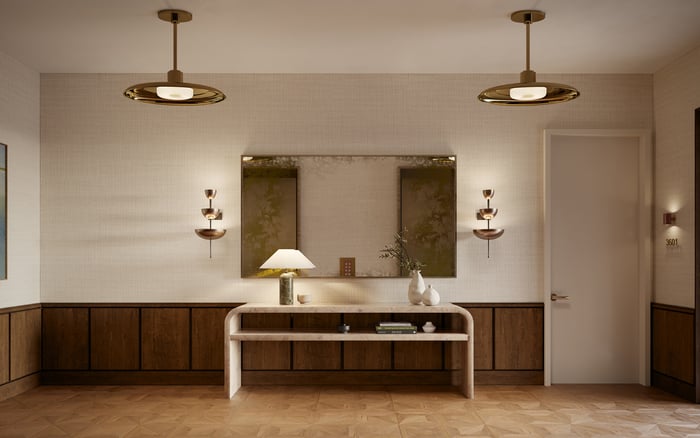
A sophisticated buyer should read the residence as a privacy map. Where does a guest enter after stepping out of the elevator? How visible is the primary suite from the living room? Can grandparents reach their bedroom without crossing the kitchen during a dinner party? Is there a place to sit quietly in the morning that is not the main living area?
The strongest layouts create zones, not merely rooms. A grandparent suite should feel connected enough to be part of the household, but not so connected that every movement becomes visible. If the guest bedroom shares a wall with a child’s room, a media area, or the main entertaining zone, the plan may be less serene than it appears. If the bathroom is accessible only through a public corridor, privacy may be compromised during longer stays.
For Edgewater buyers, privacy is also vertical. Elevator arrival, hallway exposure, and the transition from shared building spaces into the residence all shape how independent guests feel. A discreet arrival sequence can make a family visit feel hosted rather than absorbed.
A room labeled as a secondary bedroom is not automatically grandparent-ready. The test is whether it can support a guest who may spend meaningful time inside it. There should be room for luggage without blocking circulation, adequate closet capacity, a comfortable reading chair, and a bathroom relationship that does not feel improvised.
Natural light is also part of hospitality. A guest suite with a pleasant outlook can feel like a private retreat, while a dark room may send everyone back into the common areas. Water-view appeal is powerful in Edgewater, but the view should serve daily use, not only photography. A calm outlook from the guest suite may be more valuable than a dramatic angle visible only from the living room.
The best residences also account for temperature, sound, and sleep. Visiting grandparents may keep different hours, prefer different climate settings, or rest in the afternoon. Buyers should stand in the guest room and listen. Mechanical noise, corridor noise, and proximity to social areas all become more important when a visit extends beyond a weekend.
Luxury family living depends on release valves. A single large living room may look impressive, but multigenerational use often benefits from a den, library, media room, breakfast area, or widened terrace that lets people occupy the home simultaneously without clustering in one place.
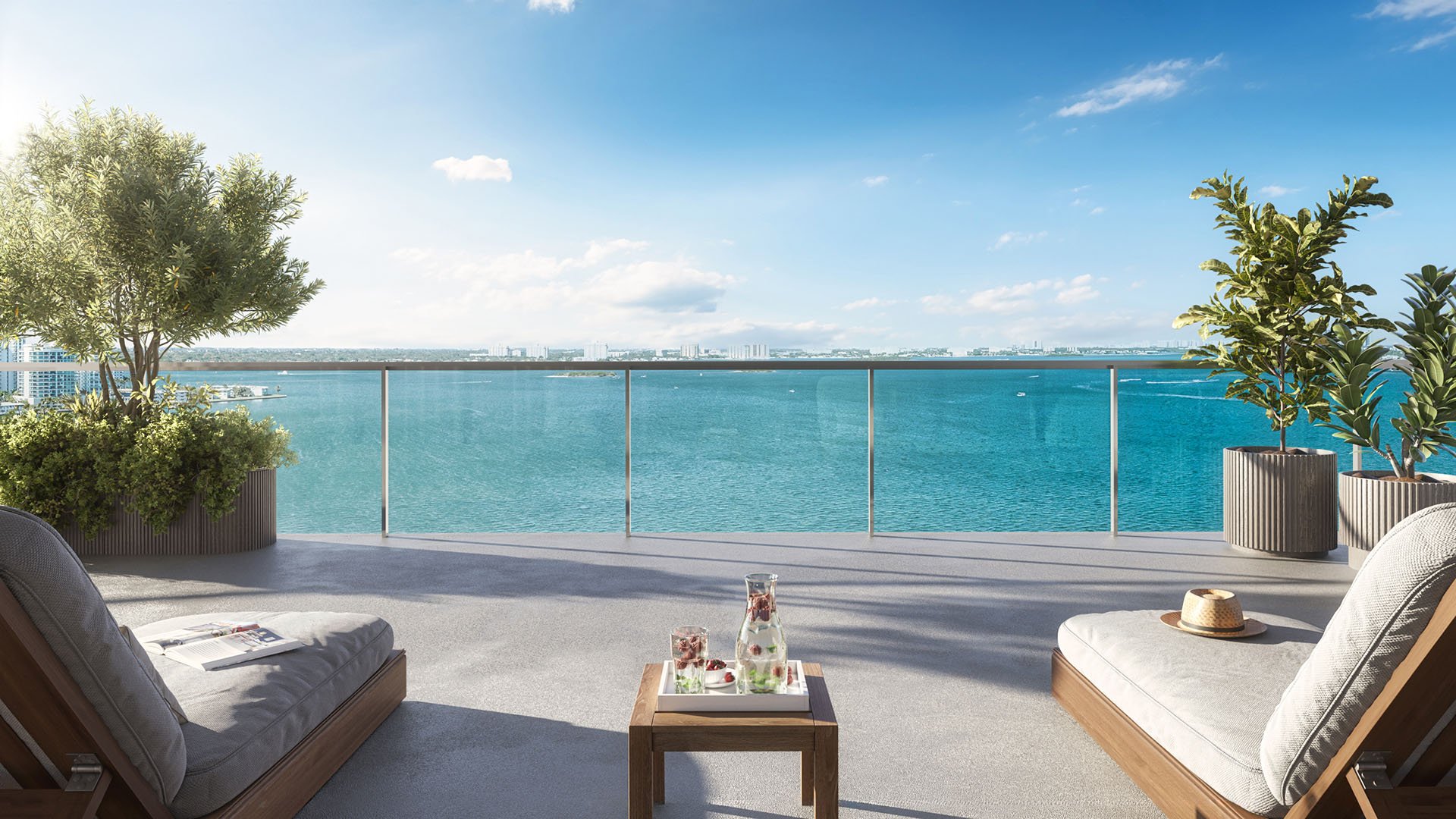
Terrace space deserves particular attention. A terrace can become a quiet morning coffee setting for grandparents, a place for children to reset, or an after-dinner transition space before the household separates. In Edgewater, outdoor space often carries emotional value because it offers distance without leaving home. Still, it must be usable. Depth, shade, furniture placement, and access from more than one room can matter more than size alone.
Flow-through units may appeal to buyers who want light, air, and a more residential feeling of separation. The concept can be especially relevant when family members are using different parts of the home at different times. Cross-residence circulation, dual exposures, and separated bedroom wings can all contribute to a quieter, more adaptable daily rhythm.
Grandparents visiting from out of town often bring routines with them. They may want tea early, prefer lunch at home, or help with family meals. This makes the kitchen more than a showpiece. Buyers should ask whether the kitchen allows more than one person to work comfortably, whether groceries can be stored for a larger household, and whether informal dining exists apart from the main entertaining table.
A true ownership test includes the small frictions: where the stroller or walker would rest, where medications would be stored, where extra linens would go, and whether guests can find a glass of water at night without turning on the entire residence. Luxury is often measured by how little explanation a guest needs.
In new-construction residences, buyers may be tempted to assume that modern finishes solve these questions. They do not. A new home can still have a poorly located guest room, limited storage, or a public bathroom sequence that does not suit family life. Finish level and operational comfort should be evaluated separately.
Many Edgewater owners use their residences in flexible ways: part primary home, part urban base, part family gathering point. Even if the purchase is intended as a primary residence, the second-home mindset can be useful. Ask whether the home works when grandparents arrive with luggage, gifts, prescriptions, routines, and expectations of independence.
This does not mean overbuilding for occasional visits. It means buying a residence with elasticity. A well-planned third bedroom can be a study most of the year and a dignified guest suite during family stays. A den can serve as a children’s retreat during visits and a reading room later. A terrace can host cocktails one weekend and quiet breakfast the next.
The best Edgewater purchases are not designed around a single family scenario. They are resilient enough to support changing seasons of use without feeling compromised.
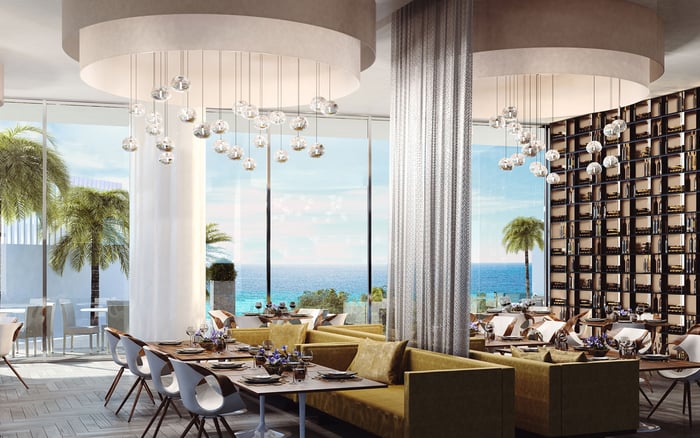
For visiting grandparents, the building itself becomes part of the home. Lobby comfort, elevator efficiency, valet rhythm, drop-off ease, pool access, and shaded places to sit can shape the experience as much as the floor plan. If grandparents are likely to spend time in common areas, the route should feel intuitive and comfortable.
Buyers should also consider whether amenities support privacy rather than constant social exposure. A quiet lounge, wellness area, or pool deck with calmer seating can be more useful than purely theatrical amenities. The right building allows guests to enjoy the property without depending on the owner for every movement.
Parking and arrival logistics also matter. A beautiful residence can feel less gracious if family pickups are awkward or if grandparents cannot move comfortably from car to elevator. For households that host frequently, convenience is not secondary. It is part of the hospitality architecture.
The most overlooked question is what happens when the grandparents leave. A residence should not feel over-scaled, inefficient, or emotionally empty once guests return home. The best purchase gives the owner a richer daily life even when the guest suite is unoccupied.
That means the secondary spaces should have year-round utility. A guest room should be pleasant enough to serve as a reading room, office, wellness space, or overflow lounge. Storage should support daily order, not only visitor preparation. The terrace should be enjoyable on ordinary evenings, not reserved for hosting.
In Edgewater, the ownership test is ultimately about composure. The right residence lets family closeness feel natural, not crowded. It gives grandparents independence without isolation and gives owners generosity without surrendering privacy. For luxury buyers, that balance is the difference between more space and better living.
What is the first thing Edgewater buyers should test for visiting grandparents? Start with privacy, not bedroom count. A strong plan lets guests move between bedroom, bathroom, and living areas without feeling exposed.
Is a larger condo always better for multigenerational visits? Not necessarily. A smaller residence with better separation can live more comfortably than a larger plan with poorly placed bedrooms.
Why is the guest bathroom relationship so important? It determines whether grandparents feel independent during daily routines. Direct or discreet access usually feels more gracious than a public corridor.
Should the guest suite have a view? A pleasant outlook can make longer visits feel calmer and more private. The most valuable view is the one guests can enjoy every day.
How important is terrace space for family visits? Very important when it is usable and comfortably furnished. Outdoor space provides a private release valve without leaving the residence.
Can a den replace a formal guest suite? A den can help, but it rarely replaces a true bedroom with proper storage and bathroom access. It works best as a flexible secondary retreat.
What building features matter most for grandparents? Arrival comfort, elevator convenience, shaded common areas, and calm amenity spaces matter. The experience should feel intuitive from car to residence.
Does new construction guarantee better family functionality? No. New finishes may be attractive, but buyers still need to test layout, storage, sound, and privacy carefully.
How should buyers think about resale value in this context? Flexible layouts tend to appeal to a broader range of future buyers. A home that supports guests, work, and daily retreat usually has stronger livability.
What is the best way to shortlist comparable options for touring? Start with location fit, delivery status, and daily lifestyle priorities, then compare stacks and elevations to validate views and privacy.
When you're ready to tour or underwrite the options, connect with MILLION.
If branded residences are on your mind — as a home or as an allocation — we would be glad to share what we are seeing, privately.
Begin a quiet conversation