A discreet buyer’s guide for California and Florida households evaluating Sunny Isles Beach, with emphasis on lifestyle fit, building culture, views, terraces, service, and second-home logistics.
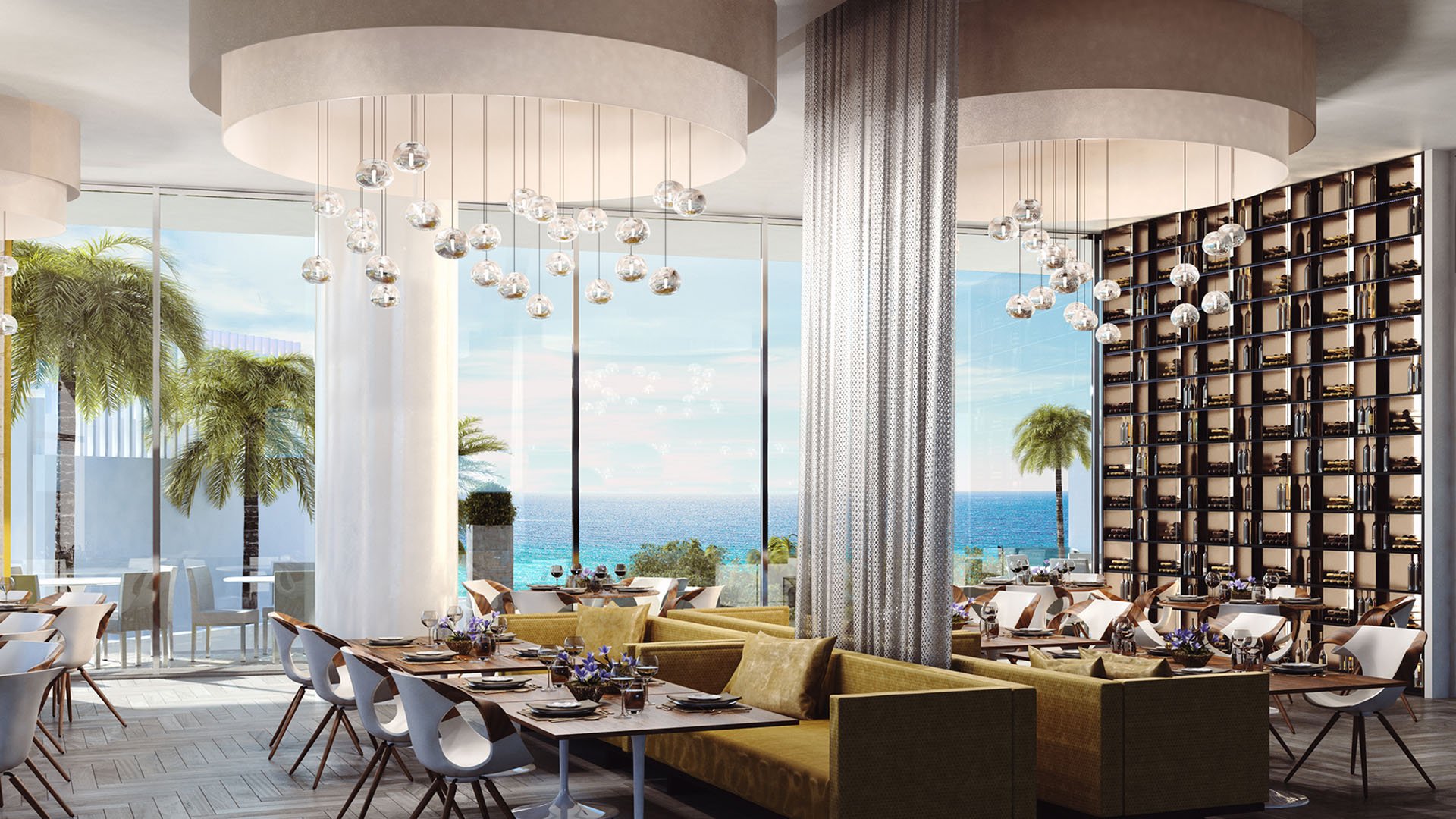
For buyers who split time between California and Florida, Sunny Isles Beach can feel instantly legible: water, vertical luxury, hotel-caliber arrivals, and a polished coastal cadence. Yet the smartest purchase is rarely made from the balcony alone. It comes from testing whether the residence supports the way you actually live between two coasts.
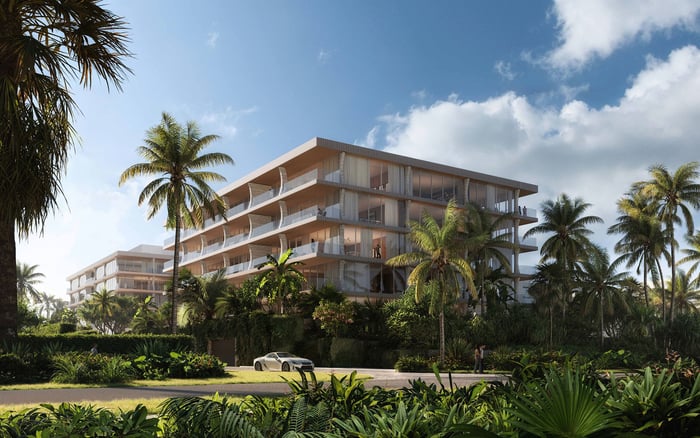
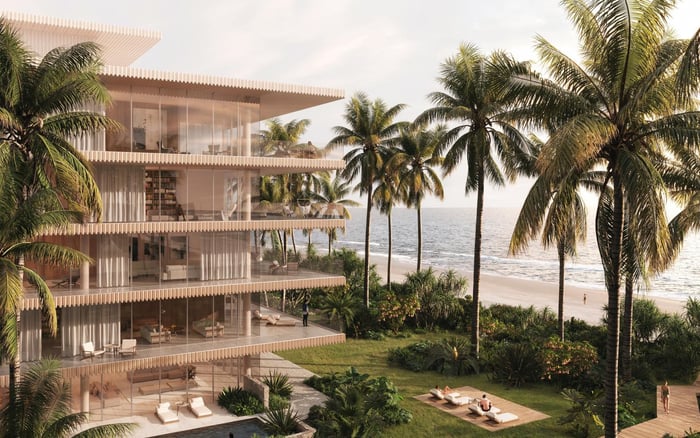
Approach the search as a Sunny Isles second-home exercise rather than a conventional tour. The category labels matter less than daily fit: oceanfront exposure, waterview priorities, terrace use, privacy preferences, and the tradeoffs between new-construction and established condominium life. A residence that photographs beautifully can still be wrong if the elevator rhythm, morning light, lobby formality, or arrival route does not suit your routine.
Evaluate Sunny Isles Beach in layers. Start with the shoreline experience, then the building, then the specific line, then the services that will matter while you are away. A California buyer accustomed to indoor-outdoor living, long drives, and highly specific neighborhood rituals should not assume a Florida beach address automatically translates into ease. It has to be rehearsed.
A same-day showing compresses the decision into architecture and spectacle. A better test is to stay nearby and live the schedule you expect after closing. Wake early, leave the building area during the morning rush, return in the evening, order dinner in, walk the immediate surroundings, and see how the address feels once the sales presentation is over.
Pay attention to the moments between amenities. Is the arrival intuitive when you are tired from travel? Does the lobby feel comfortably private or too performative? Is the beach rhythm serene enough for weekday use, not just weekend admiration? For a buyer arriving from the West Coast after a long travel day, these are not minor details. The residence needs to function immediately.
When comparing options such as Bentley Residences Sunny Isles, treat the tour as a lifestyle audit rather than a design critique. Ask how you would use the home on a Tuesday, how guests would arrive, where luggage would go, and whether the building’s tone matches your preferred level of visibility.
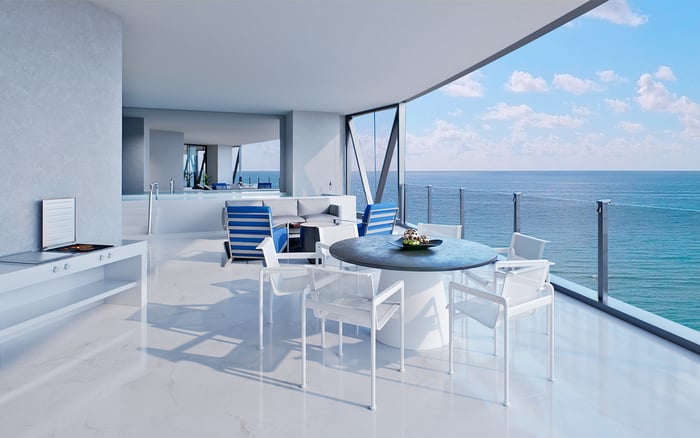
Many California buyers arrive with a refined sense of light, privacy, landscape, and outdoor space. In Sunny Isles Beach, those preferences need careful translation. A terrace may be your morning room, your dining room, or simply a visual extension of the living area. Each use requires a different orientation, depth, furnishing plan, and tolerance for weather.
Do not assume the largest view is the most livable one. Consider glare, shade, wind comfort, and how often you will open the doors. A dramatic panorama may be ideal for entertaining but less useful for a quiet breakfast. Conversely, a calmer exposure may support more daily use, especially for owners who value routine over spectacle.
This is where a disciplined waterview conversation becomes essential. Decide whether you are buying a view to look at, a terrace to inhabit, or a full indoor-outdoor rhythm. Those are different purchases. Buildings such as Jade Signature Sunny Isles Beach should be evaluated not only by finish and form, but by the way each residence frames daily life.
In ultra-luxury condominium living, service culture is part of the residence. California buyers coming from estates, gated enclaves, or low-density coastal communities should decide how much shared infrastructure they truly want. A full-service building can simplify ownership, but only if its style of hospitality feels natural.
Spend time observing how residents move through the property. Is the staff present without being intrusive? Are guests handled with discretion? Does the building feel quiet, social, resort-like, formal, or familial? None of these qualities is universally better. The question is whether the culture aligns with the way you host, work, rest, and travel.
For a lock-and-leave owner, this audit is critical. The building becomes the steward of your Florida life while you are in California. Packages, maintenance access, housekeeping coordination, guest arrivals, and vehicle handling are not glamorous topics, but they often determine whether ownership feels effortless.
A bi-coastal buyer should pressure-test the home during absence, not only during occupancy. Ask how the residence is cared for when closed, how vendors are admitted, how climate and systems are monitored, and how quickly the building communicates when something needs attention. The right residence should reduce friction, not create another operating platform.
Walk through the owner’s closet strategy, luggage storage, valet routines, pet logistics if relevant, and guest protocols. If family members will use the residence without you, rehearse that scenario too. A home that depends on one person’s knowledge of the building can become cumbersome.
At St. Regis® Residences Sunny Isles, or any comparable full-service environment, the central question is not simply what amenities are offered. It is whether the service model supports your actual pattern of arriving, departing, hosting, and delegating.
The address may define the market category, but the line defines the life. Before committing, compare the same building across different elevations and exposures when possible. Notice how the plan handles entry, privacy between bedrooms, kitchen visibility, staff or service access, and the relationship between primary rooms and outdoor space.
For buyers moving between California and Florida, the plan should feel intuitive. You should know where you will take calls, where you will unpack, where guests will sit, and how the home feels when only two people are in residence. Overscaled spaces can be impressive, but emotionally thin if they do not support daily rituals.
A visit to The Ritz-Carlton Residences® Sunny Isles can help sharpen this lens: look past brand familiarity and focus on flow, privacy, and whether the home feels restful after repeated entries. The best choice is the one that remains convincing after the first impression fades.
Sunny Isles Beach is not a compromise market for buyers who understand why they are there. It is best suited to those who want a vertical beach lifestyle, a polished arrival, and a residence that can be enjoyed intensely, then secured with confidence. If your Florida life depends on boating, a garden, a school commute, or a different social rhythm, the search may need to widen.
If the Sunny Isles proposition keeps winning after practical tests, narrow decisively. Revisit the best contenders at different times of day. Bring the people who will actually use the residence. Sit in silence on the terrace. Walk the lobby without a sales narrative. Imagine arriving with luggage, hosting friends, taking a morning call, and leaving for several weeks.
A luxury purchase becomes easier when the question shifts from “Is this impressive?” to “Is this repeatable?” For a California and Florida household, repeatability is the quiet marker of value.
How long should a buyer test Sunny Isles Beach before buying? A short stay with repeated visits at different times of day is more revealing than a single showing. The goal is to experience arrival, departure, beach rhythm, and evening quiet.
Should California buyers prioritize the view or the floor plan? The view creates the emotional pull, but the floor plan determines daily comfort. The strongest residence should satisfy both without forcing awkward routines.
Is a terrace always essential in Sunny Isles Beach? A terrace is valuable when it supports real use, not just photography. Test shade, wind comfort, privacy, and how naturally it connects to the main rooms.
What should second-home buyers ask building management? Ask how the property handles access, vendors, packages, guests, and communication while owners are away. These details shape the lock-and-leave experience.
How can buyers compare branded and non-branded residences? Focus on service behavior, privacy, maintenance standards, and floor-plan quality. Branding matters most when it translates into consistently better ownership.
Should buyers tour multiple residences in the same building? Yes, if available. Different lines and exposures can feel like entirely different homes, even within the same address.
What is the biggest mistake bi-coastal buyers make? They buy the vacation version of themselves rather than the repeatable version. The right residence should work on ordinary weekdays as well as holiday weekends.
How should owners think about guests using the residence? Rehearse guest arrival, access, parking, security, and privacy before buying. A second home should be simple for trusted guests without feeling exposed.
When does Sunny Isles Beach make the most sense? It makes sense when a buyer wants high-service coastal condominium living with a strong sense of arrival. The lifestyle should feel natural after the tour ends.
What is the best way to shortlist comparable options for touring? Start with location fit, delivery status, and daily lifestyle priorities, then compare stacks and elevations to validate views and privacy.
For a discreet conversation and a curated building-by-building shortlist, connect with MILLION.
If branded residences are on your mind — as a home or as an allocation — we would be glad to share what we are seeing, privately.
Begin a quiet conversation