The 2026 Miami Grand Prix offers a precise lesson for luxury homeowners: post-race privacy depends on authorized access, coordinated transportation and alternatives to public-facing hospitality, not assumptions about neighborhood crowd levels.
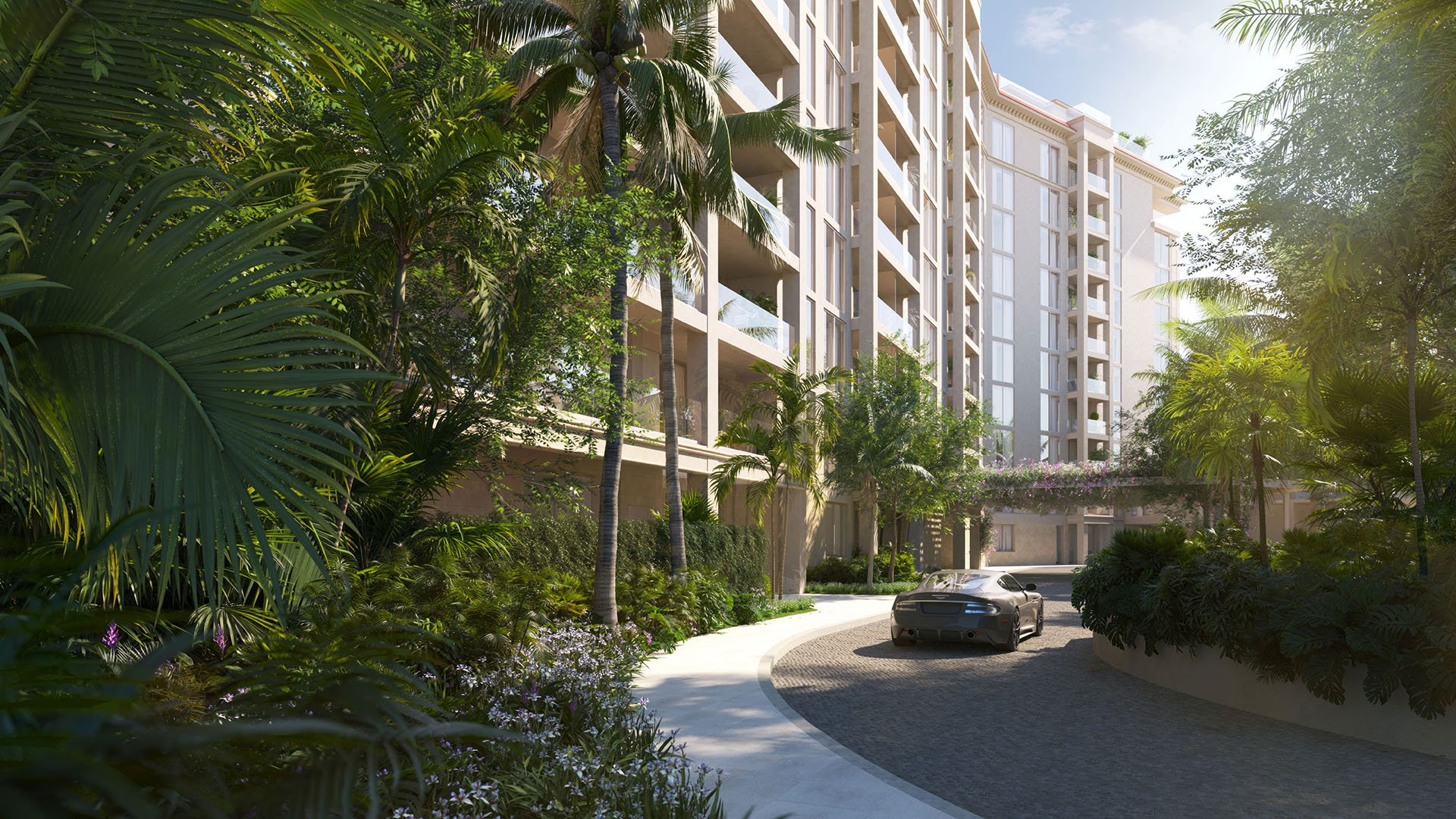
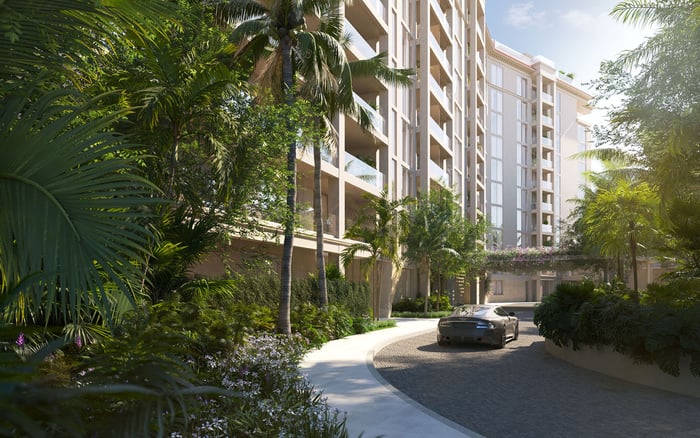
For a Miami homeowner, event-week privacy comes into focus on the return home: the car approaching the building, the passage through an entrance, and the arrival upstairs. A coveted hospitality invitation does not resolve those details. A sound plan connects the public occasion to the private residence without relying on improvised access or an available table nearby.
The 2026 Formula 1 Miami Grand Prix ran May 1-3 at the Miami International Autodrome in Miami Gardens, not Downtown Miami or Miami Beach. Its post-race planning lesson is geographic as well as operational. Owners needed to consider their destination and its actual access conditions, rather than treat all of Miami as a single event zone.
Privacy is an operating plan, not a promise attached to an address. For buyers, event-week access belongs in due diligence alongside architecture, views and service expectations.
Official race ticket inventory sold out across campus passes, grandstands and luxury hospitality categories. That establishes demand for the event-not that every hotel was full, every restaurant was unavailable, or public spaces and retail destinations had reached capacity.
The distinction matters when assessing residential convenience. If a hotel entrance becomes congested, a restaurant stops accepting guests, or a retail pickup point becomes unavailable, an owner needs an alternative. These are sensible contingencies, not verified descriptions of citywide conditions after the race.
Likewise, multi-night entertainment programming at the Guitar Hotel, E11EVEN and other hospitality venues gave owners reason to plan beyond the chequered flag. It did not establish an exact Sunday-night crowd peak or a predictable Monday departure surge. Plan around confirmed invitations and current operating instructions, not a presumed universal rush.
The Sunday race start moved to 1 p.m. local time on May 3, three hours earlier than originally planned, because of forecast heavy rain. The change was announced Saturday evening. An itinerary still built around 4 p.m. was no longer suitable.
For future event weeks, designate one household contact to reconcile schedule changes with the driver, guests and building team. A revised start should trigger fresh confirmation of pickup arrangements and flexibility for the return, not an assumption that every subsequent movement shifts by the same interval.
The Sprint format also spread track activity across three days. Sunday was not the only day requiring coordination. Access instructions should cover each intended outing, with a clear way to update them without circulating the household's full itinerary.
Ask management to identify the authorized route from vehicle arrival to residence. Confirm which entrance, garage access and elevator arrangements apply to owners and guests, and whether event-related procedures alter any of them. Never treat a service entrance as a discreet alternative unless its use is expressly authorized.
For a buyer considering 2200 Brickell, the useful question is not whether Brickell will be busy in the abstract. It is how the property's access procedures would accommodate an owner returning while nearby public-facing destinations are active. Confirm the answer through current documentation and the appropriate property representative.
Apply the same discipline when evaluating Aston Martin Residences Downtown Miami: ask where residential circulation meets visitor circulation and who can authorize an alternative arrival arrangement. These are questions to verify, not assertions about either project's facilities or event-week services.
Before event week, agree on guest names, vehicle details, delivery windows and the appropriate management, security or valet contact. Keep approved instructions concise so every participant can follow the same version.
If a planned hotel or retail pickup becomes impractical, the fallback should already be lawful, authorized and workable for both driver and passenger. A less visible location is not necessarily better if it requires an unsafe walk, blocks access or conflicts with venue instructions.
Set a simple decision rule: the driver confirms the approved meeting point before the owner leaves a controlled interior space. If access has changed, the household contact coordinates the alternative with the relevant operator. Do not replace an agreed plan with curbside improvisation.
For someone assessing Setai Residences Miami Beach, this calls for a focused inquiry into residential access and the boundaries between owner arrangements and public-facing activity. Neither the address nor a hospitality association guarantees a private arrival.
Where authorized and available, an in-residence meal can remove the need for another public stop. Confirm food arrangements and delivery permissions beforehand; assume neither availability nor discretion.
Race-week programming extended beyond the circuit to Hialeah, the Seminole Hard Rock area, E11EVEN and Lincoln Road. That spread makes an owner's actual itinerary more informative than a broad label such as central, waterfront or residential.
Do not infer identical restrictions in Miami Gardens, Brickell, Coral Gables, Miami Beach or Coconut Grove. Ask about the specific entrance, street approach and destination. Check a backup route against current conditions and official instructions rather than retain it simply because it worked on an earlier visit.
When considering The Village at Coral Gables, ask the same property-specific questions rather than assume a different neighborhood removes every event-week complication. The aim is a residence and an operating arrangement suited to the owner's preferred degree of separation from public activity-not a claim of immunity from it.
Physical access is only one part of discretion. Ask household staff and service providers to keep guest identities, residence details and travel timings confidential. Share only what each participant needs, using communication arrangements approved by the household and building.
Delayed location-sharing is another optional precaution. Guests can be asked to avoid posting live arrival points or identifying the residence while the group is there. These measures reduce unnecessary disclosure; they do not guarantee privacy.
Keep the plan active through the last dinner, overnight guest departure and any onward transfer. Reconfirm vehicle access and luggage arrangements rather than assume the end of the race ends the need for coordination. For an F1 homeowner, the most valuable luxury is continuity: an enjoyable public occasion followed by a considered return to private life.
For a considered approach to Miami ownership and event-week living, explore MILLION.
If branded residences are on your mind — as a home or as an allocation — we would be glad to share what we are seeing, privately.
Begin a quiet conversationThe event ran May 1–3 at the Miami International Autodrome in Miami Gardens, not Downtown Miami or Miami Beach.
The start moved to 1 p.m. local time on May 3 because of forecast heavy rain. The change was announced Saturday evening.
No. Sold-out race inventory did not establish universal hotel occupancy, restaurant saturation or retail capacity limits.
Multi-night entertainment programming made the race timetable only part of the week's activity. Owners should coordinate their actual post-race plans without assuming a specific crowd peak.
Confirm authorized entrances, applicable garage and elevator arrangements, guest lists, vehicle details and delivery windows. Agree on contingency contacts before event week.
Only if its use is expressly authorized. A desire for privacy does not override building access rules.
It should be lawful, authorized and workable for both driver and passenger. Confirm it before leaving a controlled interior space.
No. It is a potential alternative to another public stop, subject to food availability, advance arrangements and building delivery permissions.
No. Evaluate the particular property's entrance, street approach and applicable procedures rather than infer identical restrictions across Miami.
Ask guests to avoid sharing live arrival locations or identifying the residence while present. Staff confidentiality instructions and limited itinerary sharing are additional precautions, not guarantees.