A practical, luxury-minded guide to evaluating Downtown Miami as a long-term primary residence, with emphasis on daily rhythm, building quality, privacy, access, and lifestyle fit.
Buying in Downtown Miami for a long-term primary residence is a very different exercise from buying a pied-à-terre, a seasonal base, or a yield-driven asset. The question is not only whether the view is compelling or the lobby photographs well. It is whether the building, the unit, the staff culture, the garage, the surrounding streets, and the daily rhythm will still feel intuitive after the novelty fades.
For the serious end user, Downtown Miami offers an urban proposition that is more layered than a single skyline image suggests. It can be vertical, social, waterfront-oriented, design-forward, and highly convenient, but it also rewards disciplined evaluation. The best purchase is rarely the loudest one. It is the residence that supports the way you actually live on a Tuesday morning, a Friday evening, and during the quieter months when entertaining gives way to routine.
For primary-residence buyers, the process should begin with lifestyle fit before finishes. A beautiful home that complicates school runs, office access, pet care, private arrivals, guest parking, or daily errands can become an elegant inconvenience. A slightly less theatrical residence in the right line, with the right access and building culture, may become the wiser long-term hold.
Before comparing floor plans, define where your life actually happens. Some Downtown Miami buyers want proximity to the business core. Others want easy access to Brickell, cultural venues, the bayfront, marinas, dining, or bridges to the beach. A buyer who entertains frequently may value arrival sequence and valet choreography. A buyer who works from home may place more weight on quiet exposures, room separation, and the ability to create a true office rather than a decorative alcove.
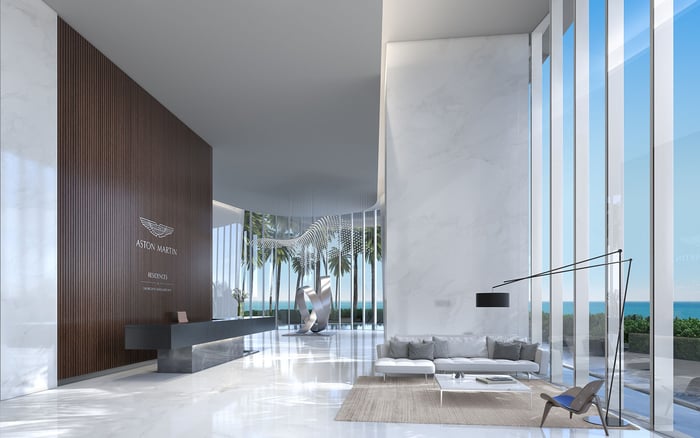
The distinction between Downtown Miami and Brickell matters, even for buyers who are open to both. Brickell can feel more corporate and polished in certain pockets, while Downtown Miami may appeal to those seeking a broader urban mix and a closer relationship to civic, cultural, and waterfront energy. A buyer comparing Aston Martin Residences Downtown Miami with a Brickell option such as 2200 Brickell should not frame the decision only as architecture versus address. The sharper question is which daily pattern feels calmer, more efficient, and more natural.
In a long-term primary residence, the building is the operating system. The apartment may win the emotional decision, but the building determines whether the home functions gracefully over time. This includes staffing, security posture, elevator performance, garage design, service access, package handling, pet policies, amenity tone, and the general culture of ownership.
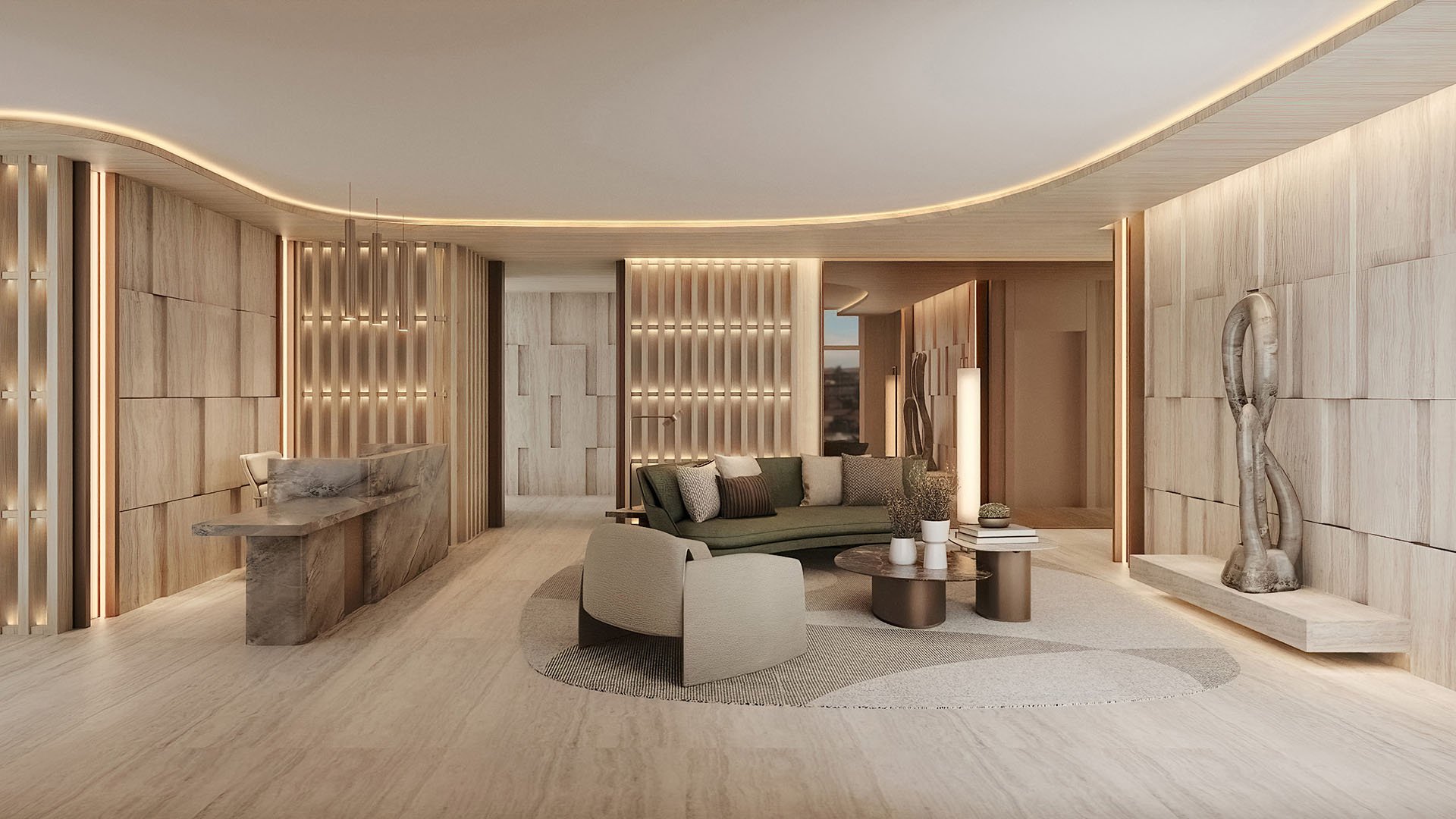
A buyer should walk the building like an owner, not a visitor. Observe the lobby during active hours. Consider whether arrivals feel private or exposed. Ask how residents move between parking, elevators, amenities, and street level. Look for friction points that may not appear in marketing imagery: narrow loading zones, awkward guest arrival, limited storage, difficult pet circulation, or amenities that feel impressive but not useful.
The most livable luxury buildings often understand discretion. They allow residents to enter, host, exercise, work, receive deliveries, and leave for dinner without feeling constantly on display. For buyers considering Downtown Miami projects such as Casa Bella by B&B Italia Downtown Miami, the design conversation should be paired with a practical one: how will the building serve a full-time resident over years, not weekends?
The unit itself should be judged with the patience one would bring to a single-family home. Views matter, but they are only one part of the composition. Light quality, ceiling proportion, bedroom separation, storage, kitchen workflow, laundry placement, acoustics, and the feeling of privacy from neighboring towers all become more important with daily use.
Primary-residence buyers should be wary of floor plans that photograph beautifully but live narrowly. A generous terrace can be meaningful if it is usable, shaded at the right times, and connected to the rooms where people actually gather. A dramatic living room can disappoint if furniture placement is compromised. A secondary bedroom may not function as a proper suite if closet, bath, or entry placement feels secondary.
For long-term living, the best Downtown Miami residence should offer both public and private zones. Entertaining spaces should feel open, but bedrooms should be protected from the energy of the main living area. If working from home is part of the household pattern, the office should be more than a pass-through. If extended family visits often, guest accommodations should feel dignified rather than improvised.
New-construction appeals to buyers who want contemporary systems, fresh amenities, current design language, and the emotional satisfaction of being early in a building’s life. Yet for a primary residence, the purchase should be approached with clear-eyed discipline. The buyer should understand delivery expectations, finish standards, association structure, deposit terms, and the degree to which the final living experience depends on surrounding development.
The most important question is not whether the renderings are seductive. It is whether the residence will be practical once occupied. Will the floor plan accommodate real furniture? Does the kitchen support daily cooking, or is it mainly a showpiece? Are closets appropriately scaled? Does the amenity program complement the home, or attempt to compensate for shortcomings inside it?
Downtown Miami buyers looking at branded or design-led residences, including Waldorf Astoria Residences Downtown Miami, should separate brand prestige from personal utility. A name can support confidence, but it cannot replace careful analysis of line, exposure, access, services, and ownership culture.
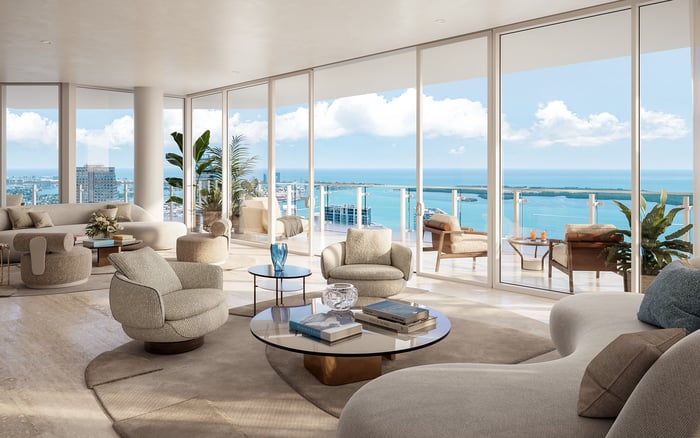
Waterfront positioning can be a defining part of Downtown Miami’s appeal, especially for buyers who want a sense of openness within an urban environment. Water views can make a residence feel calmer, larger, and more connected to South Florida’s natural light. Yet a primary-residence buyer should examine the entire experience around the view.
Consider how the view changes from morning to evening, whether the terrace feels comfortable, and whether the rooms that matter most benefit from the exposure. A spectacular view from a formal space may be less valuable than a softer, more livable outlook from the primary suite, kitchen, or everyday seating area. Long-term buyers should also think about privacy, glare, and how neighboring buildings shape the feeling of openness.
Waterfront should not be reduced to a postcard. It is a daily atmosphere. The best version is not simply visible from the home, but integrated into the way the residence feels when one wakes, works, cooks, hosts, and returns at night.
Lifestyle is where the decision becomes personal. Downtown Miami can serve buyers who want energy without maintaining a suburban property, proximity without sacrificing design, and a lock-and-leave structure without giving up the seriousness of a true home. It can also be wrong for buyers who require maximum quiet, expansive private outdoor space, or a highly residential street pattern.
This is why the final stage should be experiential. Visit the area at different times. Test the commute. Arrive by car and on foot. Walk the surrounding blocks as if you already live there. Notice whether the building feels pleasant when returning from dinner, whether the garage sequence is intuitive, and whether the neighborhood supports the way you prefer to move through the day.
The most successful Downtown Miami primary-residence purchase is not about chasing the most recognizable tower. It is about finding the building and unit that will let your life feel composed. In South Florida luxury real estate, that quiet sense of fit is often the rarest amenity.
Is Downtown Miami suitable for a long-term primary residence? Yes, for buyers who want an urban lifestyle with strong building services, vertical living, and proximity to Miami’s core. The right building and line matter more than the neighborhood label alone.
Should I compare Downtown Miami with Brickell? Yes. The two areas can serve different daily rhythms, so buyers should compare access, atmosphere, building culture, and how each location supports work, dining, guests, and routines.
What matters most in a Downtown Miami condo for daily living? Prioritize floor plan efficiency, privacy, storage, parking, elevator experience, staff quality, and acoustics. These factors shape comfort long after the first impression fades.
Are views the most important feature? Views are important, but they should not override livability. Light, quiet, room proportions, terrace usability, and privacy are equally critical for a primary home.
How should I evaluate amenities? Focus on amenities you will use regularly rather than the longest feature list. A calm pool, quality fitness space, useful lounges, and thoughtful service can matter more than novelty.
Is new-construction always better for a primary residence? Not always. New-construction can offer fresh design and systems, but buyers should examine floor plans, delivery expectations, finish quality, and long-term building operations.
How important is parking in Downtown Miami? Very important for many primary-residence buyers. Consider assigned parking, valet flow, guest parking, elevator access, and how easy it feels to leave and return daily.
Should I buy for resale or personal fit? A strong purchase should consider both, but primary-residence buyers should not sacrifice daily comfort for theoretical resale appeal. The best homes often balance personal utility with broad desirability.
What is the biggest mistake Downtown Miami buyers make? The most common mistake is choosing spectacle over function. A dramatic residence can disappoint if storage, access, privacy, or daily circulation feels compromised.
What is the best way to shortlist comparable options for touring? Start with location fit, delivery status, and daily lifestyle priorities, then compare stacks and elevations to validate views and privacy.
To compare the best-fit options with clarity, connect with MILLION.
If branded residences are on your mind — as a home or as an allocation — we would be glad to share what we are seeing, privately.
Begin a quiet conversation