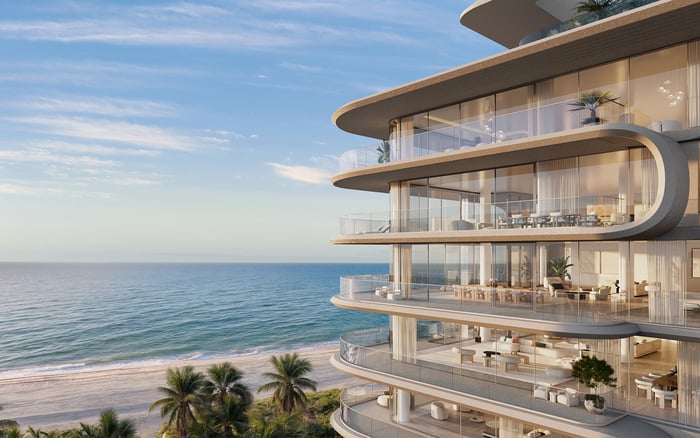
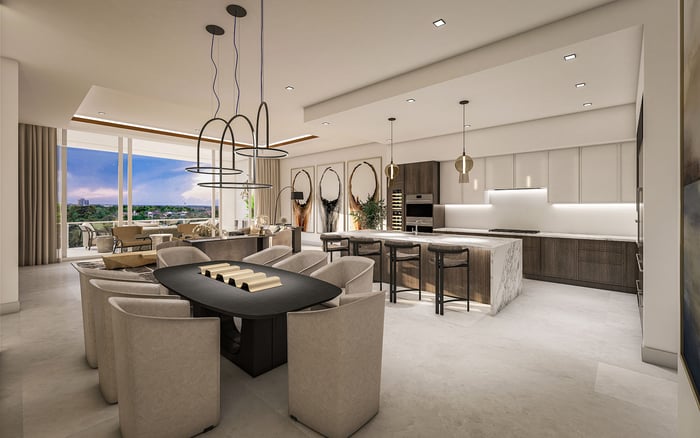
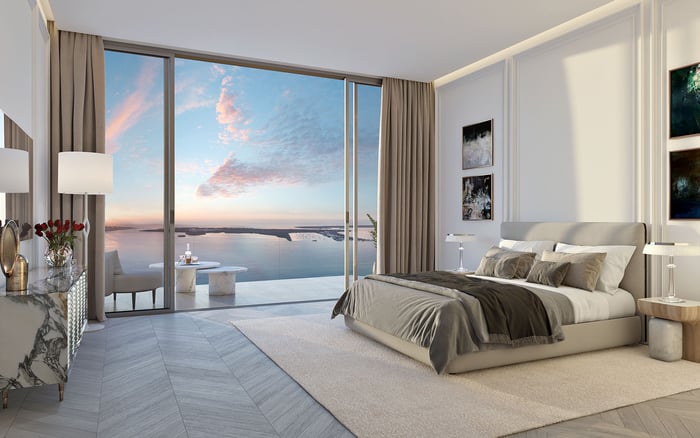
A buyer-focused comparison of The Delmore Surfside and Alba West Palm Beach through the practical lens of balcony rules, outdoor cooking permissions, terrace exposure, and ownership documents.
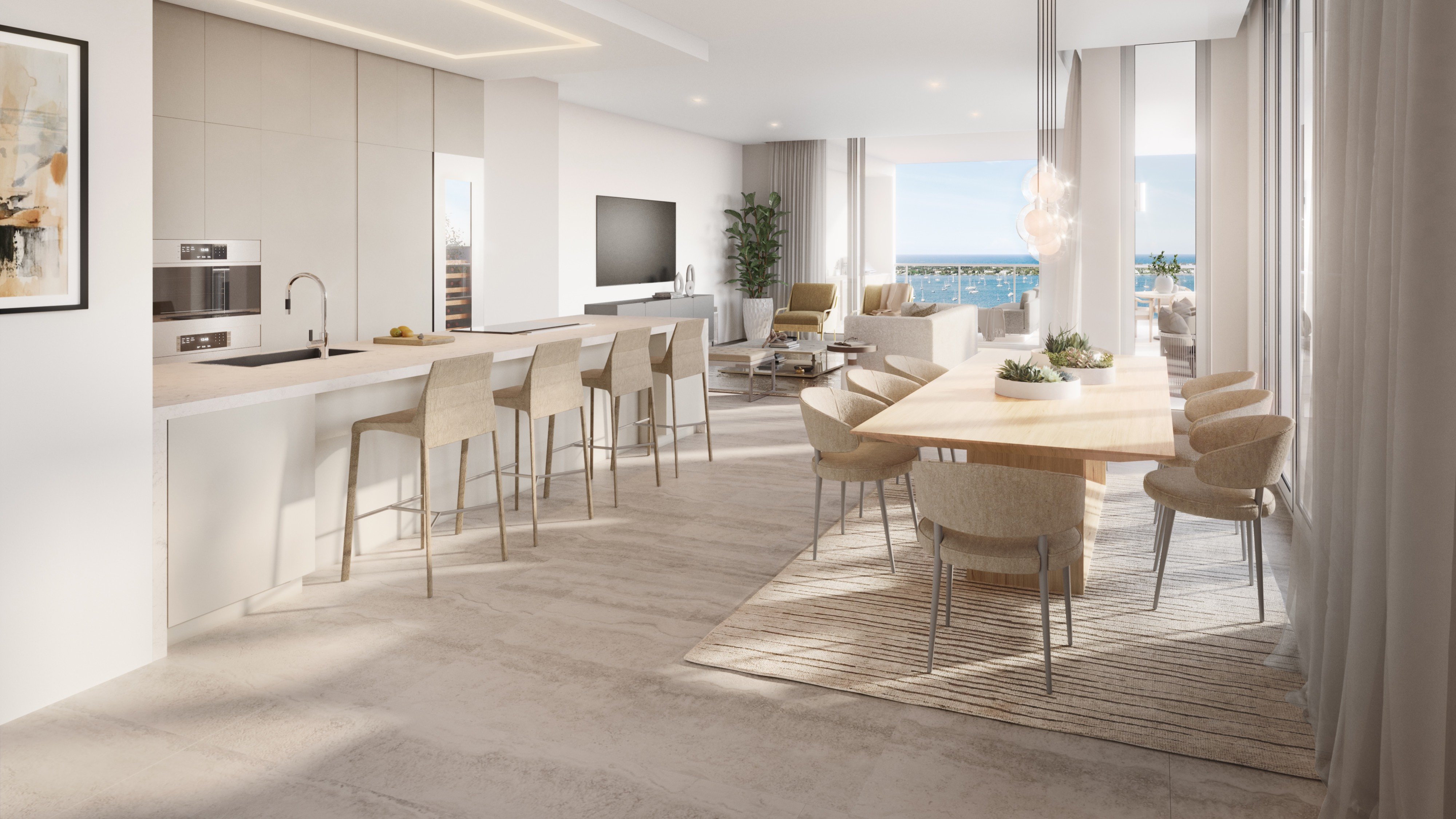
In South Florida luxury real estate, the terrace is no longer a decorative edge. It is an outdoor living room, dining salon, and weather instrument. For buyers comparing The Delmore Surfside with Alba West Palm Beach, the most consequential questions may have less to do with finishes and more to do with how outdoor space is governed.
Title matters, but daily ownership is often shaped by condominium documents, association policies, architectural review standards, and local life-safety requirements. A balcony may feel expansive in a sales gallery, then become less flexible if furniture, planters, shades, cooking equipment, or storage are restricted. A terrace may be exceptional, but only if its weather tolerance matches the way the buyer intends to live.
That is where this comparison becomes useful. The Delmore Surfside belongs to a Surfside conversation, where coastal exposure, privacy, and a refined residential rhythm are central to the buyer psyche. Alba West Palm Beach reflects a different ownership pattern, tied to West Palm Beach living, seasonal use, and the city’s appeal to buyers who want sophistication without surrendering convenience. Both can attract outdoor-focused buyers. The right choice depends on the rules behind the view.
Balcony permissions deserve the same scrutiny as parking, pet policies, and leasing terms. In the luxury segment, buyers often assume private outdoor space can be appointed like an interior room. That assumption is risky. Associations may regulate furniture weight, umbrella placement, exterior lighting, railing attachments, storm shutters, shade devices, flooring overlays, sound, plants, and anything visible from the building exterior.
For a buyer considering The Delmore Surfside, the key question is how the building’s residential culture treats visible outdoor expression. Surfside buyers often value discretion. That can mean clean elevations, controlled terrace aesthetics, and limits on anything that interrupts architectural consistency. For some owners, that restraint is a virtue. It protects the visual character of the property and preserves a composed atmosphere.
At Alba West Palm Beach, the buyer may be thinking differently. The outdoor area may be imagined as a place to host before dinner, read in the afternoon, or move between indoor comfort and city energy. The rules still matter, but the lifestyle lens is not identical. A buyer should ask whether the outdoor space supports the intended daily ritual, not merely whether it photographs beautifully.
Outdoor kitchens are among the most requested features in the high-end South Florida market, but they are also among the most rule-sensitive. A buyer should never assume a terrace can accommodate grilling, refrigeration, sinks, gas connections, ventilation, cabinetry, or built-in appliances without specific approval. Even when a large outdoor area appears suitable, association rules and applicable codes may limit what is permitted.
The distinction between movable outdoor furniture and a true cooking installation is substantial. Built-ins can raise questions involving waterproofing, drainage, electrical load, fire safety, insurance, maintenance access, and exterior appearance. Gas may be especially sensitive in a condominium context. Electric appliances may be easier in some settings, yet still require review.
For new-construction buyers, this due diligence belongs early in the process. If outdoor cooking is central to the purchase, the buyer should request written clarity before relying on renderings, verbal descriptions, or assumptions from comparable buildings. A terrace with dining space is not automatically a terrace with cooking rights. A summer kitchen, if allowed, is not automatically allowed in every location or configuration.
The most elegant outcome is not the most elaborate one. It is the one that fits within the building’s standards, withstands weather, and can be maintained without creating conflict with neighbors or the association.
South Florida terraces face a sophisticated set of conditions: sun, rain, humidity, wind, salt air in coastal locations, and seasonal storms. The buyer who expects daily outdoor use should look beyond square footage. Orientation, shade, drainage, exposure, surface materials, door systems, ceiling coverage, railing design, and furniture durability all influence whether a terrace is genuinely usable.
In Surfside, the coastal environment can make weather tolerance central to ownership. Materials need to withstand corrosion and moisture. Furniture should be heavy enough and engineered enough for wind exposure. Fabrics should be selected for UV and mildew resistance. Planters must be evaluated not only for beauty, but also for drainage, weight, and storm preparation.
In West Palm Beach, the weather conversation can be slightly different. Heat, rain, glare, and seasonal humidity still matter, but buyers may also consider how outdoor space supports a broader urban routine. Morning coffee, evening entertaining, and seasonal residency each place different demands on a terrace. The best outdoor room is not necessarily the largest. It is the one with the right mix of shelter, airflow, orientation, and rules.
The Delmore Surfside and Alba West Palm Beach invite a practical distinction. One buyer may prioritize a composed coastal address, a quieter residential cadence, and a highly controlled outdoor environment. Another may value flexibility, access to West Palm Beach culture, and a terrace that functions as an extension of everyday living.
Neither model is inherently better. The right ownership model depends on how the buyer uses outdoor space. A purchaser who wants a serene, architecturally disciplined balcony may prefer stricter controls. A purchaser who wants frequent hosting, flexible furniture arrangements, and possible outdoor culinary use may need broader permissions, provided the documents allow them.
The most important exercise is to translate desire into document review. Ask what can be placed outdoors, what must be removed during storms, what requires approval, what can be permanently installed, who maintains waterproofing, and what happens if exterior elements cause damage. These questions are not unromantic. They protect the romance of ownership by reducing friction after closing.
A serious buyer should review the condominium declaration, rules and regulations, architectural guidelines, insurance requirements, maintenance obligations, and any terrace or balcony exhibits. If the residence includes unusually large outdoor areas, confirm whether they are part of the unit, limited common elements, or exclusive-use areas. The distinction can affect maintenance, alteration rights, and responsibility.
Buyers should also ask about storm protocols. Outdoor furniture, planters, shades, rugs, and decorative objects may need to be secured or removed under certain conditions. If the residence will be used seasonally, the owner should know who is responsible for preparing the terrace when the owner is away.
Finally, buyers should compare the desired lifestyle with their tolerance for rules. A highly controlled building may feel restrictive to one owner and reassuring to another. In South Florida, where outdoor rooms are central to value, the most sophisticated purchase aligns aesthetics, permissions, and climate reality.
Why do balcony rules matter in luxury condominiums? They determine what can actually be placed, altered, stored, or enjoyed outdoors. A beautiful balcony is only as useful as the permissions that govern it.
Can a buyer assume outdoor kitchens are allowed? No. Outdoor kitchens should be confirmed through governing documents, association approval standards, and applicable code requirements.
Is The Delmore Surfside better for buyers who value privacy? It may appeal to buyers drawn to Surfside and a more discreet coastal lifestyle. The documents should still be reviewed for exact rights and limits.
Is Alba West Palm Beach better for frequent entertaining? It may suit buyers who want a West Palm Beach routine with outdoor living as part of daily use. Entertaining permissions still depend on the rules.
What is the difference between a balcony and a terrace? Usage varies by building, but a terrace often implies more expansive outdoor living potential. The legal rights depend on the condominium documents.
Should seasonal owners worry about storm preparation? Yes. Owners should know who secures outdoor furniture, planters, and accessories when they are not in residence.
Are planters and privacy screens usually unrestricted? Not necessarily. Weight, drainage, wind, appearance, and attachment methods may all be regulated by the association.
What should buyers ask about weather tolerance? Ask about exposure, drainage, permitted materials, shade options, storm rules, and maintenance responsibility for outdoor areas.
Can rules change after purchase? Association rules can evolve within the framework of governing documents and applicable law. Buyers should understand amendment procedures before closing.
What is the best first step for comparing these two ownership models? Start with the intended outdoor lifestyle, then test it against the documents for each property. The best fit is the one where use, rules, and climate align.
To compare the best-fit options with clarity, connect with MILLION.
If branded residences are on your mind — as a home or as an allocation — we would be glad to share what we are seeing, privately.
Begin a quiet conversation