Owner-only treatment rooms are moving from indulgent amenity to practical privacy standard in South Florida luxury residential design, reflecting buyers’ preference for discretion, wellness access, and better-controlled common spaces.
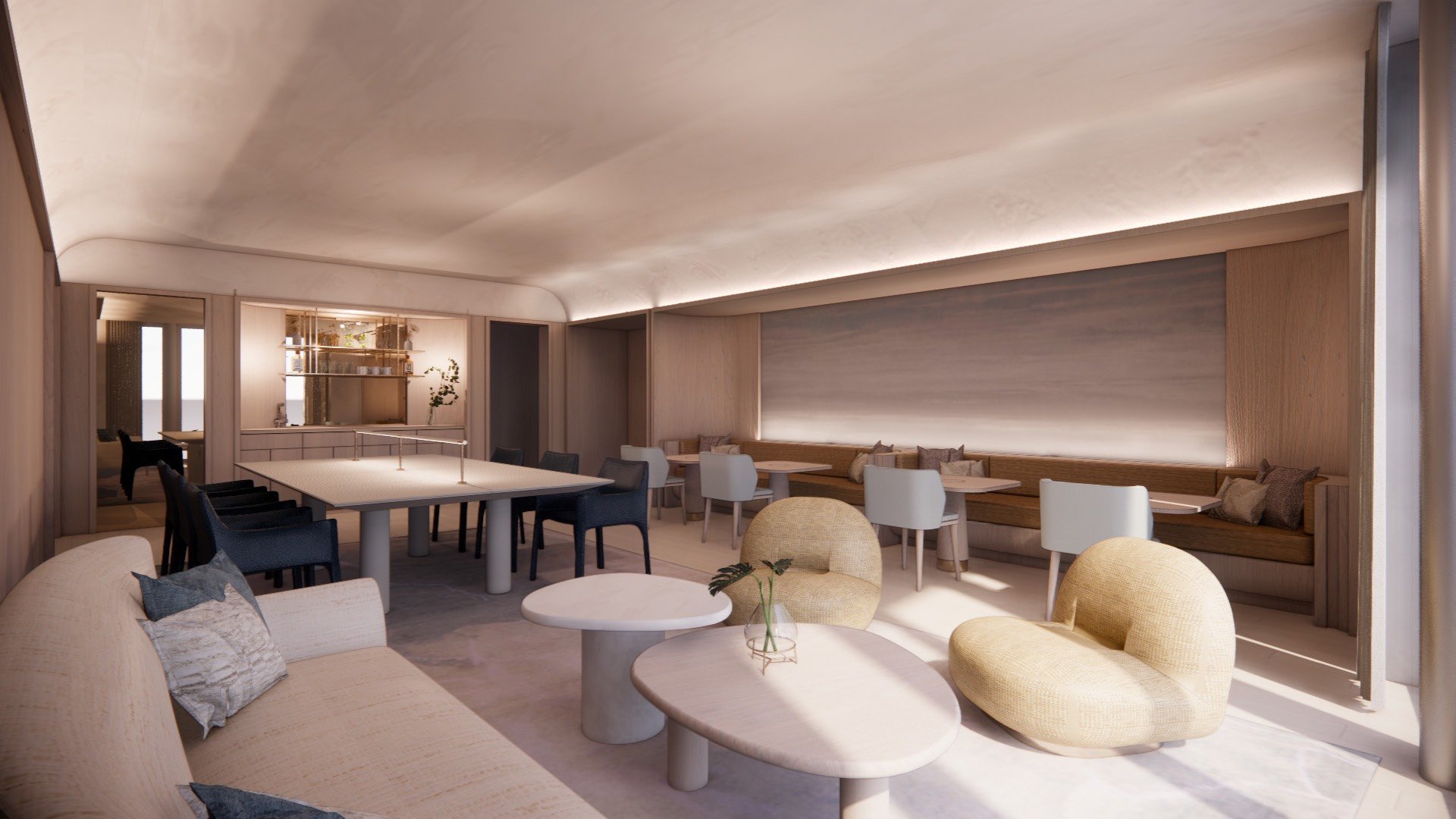
In South Florida luxury real estate, the most persuasive amenities are increasingly the ones that remove friction from daily life. Owner-only treatment rooms fit that shift. They are not simply prettier spa rooms or another line item in a brochure. At their best, they create a calm, controlled setting for bodywork, facials, recovery sessions, and personal care without requiring residents to leave the property or share the experience with transient users.
That distinction matters in a market shaped by second homes, primary relocations, family offices, and owners who expect privacy as a baseline condition. The practical luxury is not the treatment table itself. It is the ability to schedule care discreetly, move through the building without spectacle, and trust that the amenity is governed for residents rather than diluted into a public-facing hospitality feature.
A treatment room becomes more valuable when its access policy is clear. In a traditional spa amenity, the experience can depend on availability, traffic, guest policies, and the building’s broader operating model. An owner-only room narrows the audience and, in doing so, raises expectations for privacy, cleanliness, scheduling, and atmosphere.
For buyers comparing Brickell, Miami Beach, Sunny Isles, and Palm Beach, the question is no longer whether a building uses wellness language. The sharper question is how the amenity actually functions. Can an owner reserve it without competing with a crowd? Is the path from residence to room discreet? Are providers vetted by management, or is use entirely self-directed? Is the room designed for genuine quiet, or is it positioned next to louder amenities?
This is where practical luxury separates itself from decorative luxury. A beautiful space that is difficult to book or awkward to access becomes underused. A well-managed owner-only treatment room can become part of a weekly routine.
The most successful treatment rooms feel residential, not clinical. Soft lighting, acoustic privacy, generous circulation, concealed storage, durable surfaces, and a calm arrival sequence all matter. So does proximity. A room placed near lockers, restrooms, steam, sauna, fitness, or recovery areas can function intuitively. A room that forces residents through a social lounge or past a busy pool deck may compromise the discretion that made it desirable in the first place.
Materials matter as much as mood. South Florida buyers understand that beauty must coexist with frequent use, humidity, and service routines. Easy-to-maintain finishes, well-planned ventilation, and a layout that supports providers without clutter are more important than theatrical styling. The room should feel serene before the treatment begins.
New-construction buyers should look closely at whether the space is purpose-built or merely labeled. A true treatment room needs appropriate dimensions, lighting control, electrical planning, storage, and privacy. If the amenity is too small, too exposed, or too generic, it may function more like a quiet room than a serious wellness asset.
South Florida residences often serve many roles at once: primary home, seasonal retreat, family gathering place, work base, and hospitality setting. In that context, convenience becomes a form of luxury. Owners who travel frequently may want care on arrival. Families may prefer in-building wellness access rather than coordinating multiple appointments across town. Privacy-focused buyers may simply want fewer public touchpoints.
The appeal is also intergenerational. Younger owners may frame the room around recovery and performance. Established buyers may see it as comfort, continuity, and discretion. Hosts may value the ability to offer visiting family a refined amenity without sending them outside the property. None of these uses require spectacle. They require thoughtful governance.
For this reason, the owner-only treatment room belongs in the same conversation as private elevators, secure parking, controlled package rooms, and well-run residential lobbies. It is part of the infrastructure of calm.
Not every wellness room deserves a premium. Buyers should ask practical questions before treating the amenity as meaningful. Who can use the room? Can family members reserve it? Are guests permitted only with owners? Does management control access? Are outside providers allowed, and under what conditions? How is cleaning handled between sessions? What are the hours of use?
The answers reveal whether the room is a true owner benefit or simply a flexible space. They also reveal the building’s operating philosophy. A luxury condominium can have impressive architecture and still fall short if its rules are vague. Conversely, a modestly scaled treatment room can feel exceptional if it is private, well kept, easy to reserve, and aligned with how residents actually live.
The strongest buildings treat wellness as a service ecosystem rather than a visual theme. In that model, the treatment room supports a larger promise: less waiting, less exposure, fewer errands, and more control over one’s time.
The rise of owner-only treatment rooms says something larger about South Florida’s luxury market. Buyers are less impressed by amenities that photograph well but function poorly. They are looking for spaces that protect time, health, privacy, and routine. The treatment room is becoming a practical standard because it sits at the intersection of all four.
It is not a replacement for a great gym, spa, waterfront setting, or social program. It is a refinement of the residential experience. The best version is almost invisible when not in use and deeply appreciated when needed. That quiet usefulness is exactly why it belongs in the next generation of high-end South Florida living.
What is an owner-only treatment room? It is a private wellness room reserved for residents or ownership-approved use, typically intended for personal care, bodywork, or recovery sessions.
Why is owner-only access important? It limits traffic and helps preserve privacy, cleanliness, and scheduling control for residents who value discretion.
Is this the same as a building spa? Not necessarily. A spa may include many shared facilities, while a treatment room is usually a more focused, private-use space.
Should buyers pay more for this amenity? Only if the room is well designed, easy to reserve, properly maintained, and governed by clear access rules.
What design details matter most? Acoustic privacy, lighting control, ventilation, storage, circulation, and discreet placement all influence how useful the room feels.
Can outside providers use the room? That depends on building rules. Buyers should confirm provider policies, insurance requirements, access procedures, and cleaning protocols.
Is this amenity more valuable in seasonal residences? It can be, because seasonal owners often want convenient care immediately before or after travel without leaving the property.
Does a treatment room need to be large? No. A compact room can work well if it is properly planned, private, and supported by practical service infrastructure.
How does this compare with a fitness center? A fitness center supports active routines, while a treatment room supports recovery, personal care, and more discreet wellness use.
What is the best way to shortlist comparable options for touring? Start with location fit, delivery status, and daily lifestyle priorities, then compare stacks and elevations to validate views and privacy.
To compare the best-fit options with clarity, connect with MILLION.
If branded residences are on your mind — as a home or as an allocation — we would be glad to share what we are seeing, privately.
Begin a quiet conversation