A practical 2026 buyer’s checklist for evaluating The Cove Residences Edgewater through the lens of causeway access, arrival patterns, daily usability, and long-term ownership discipline.
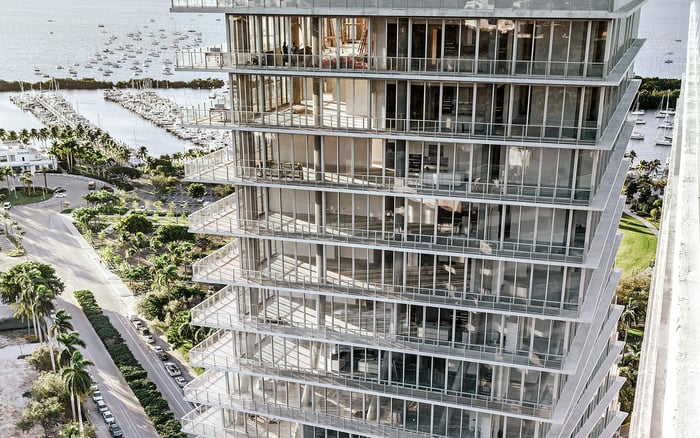
For buyers considering The Cove Residences Edgewater, the most sophisticated question is no longer confined to the view, the floor plate, or the finish package. In 2026, access deserves equal scrutiny. A residence may feel serene from the Terrace, framed by Waterview appeal and a polished urban skyline, yet the lived experience is shaped by the minutes between the lobby, the garage, the causeway approach, and the buyer’s most frequent destinations.
That does not diminish Edgewater’s allure. It defines it more precisely. The neighborhood’s appeal rests on the tension between city energy and waterfront calm, private arrival and regional mobility. A buyer who studies those tensions carefully is not being pessimistic. They are protecting time, liquidity, and the grace of everyday ownership.
The Cove Residences Edgewater due-diligence process should therefore be less about a single traffic opinion and more about a repeatable checklist. The right question is not whether bottlenecks exist. In any desirable urban waterfront district, they will. The better question is whether the residence, the building operations, and the buyer’s lifestyle can absorb them elegantly.
Begin with your actual calendar, not an idealized version of it. Identify the trips that matter most: school drop-off, airport departures, office arrivals, medical appointments, marina access, dinner reservations, weekend beach movement, and guest arrival patterns. Then test them at the hours you are most likely to move. A noon drive on a quiet day reveals very little about a Monday morning, a Friday evening, or a peak seasonal weekend.
The checklist should include at least three time bands. First, the weekday morning window, when routine obligations compress decision-making. Second, the late-afternoon return, when valet timing, garage flow, and elevator demand may converge. Third, the weekend leisure window, when the causeway becomes part of the emotional experience of ownership. Luxury is not simply arriving. Luxury is arriving without friction that feels preventable.
Next, separate route risk from building risk. Route risk is the uncertainty outside the property: congestion, lane interruptions, event-driven delays, bridge timing, or seasonal compression. Building risk sits closer to home: garage circulation, resident entry, valet staffing, service vehicle staging, rideshare pickup, and guest reception. A strong residence can still feel compromised if its threshold is poorly managed.
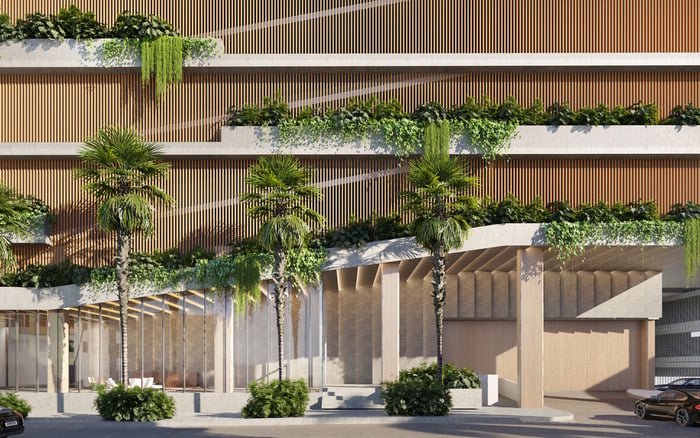
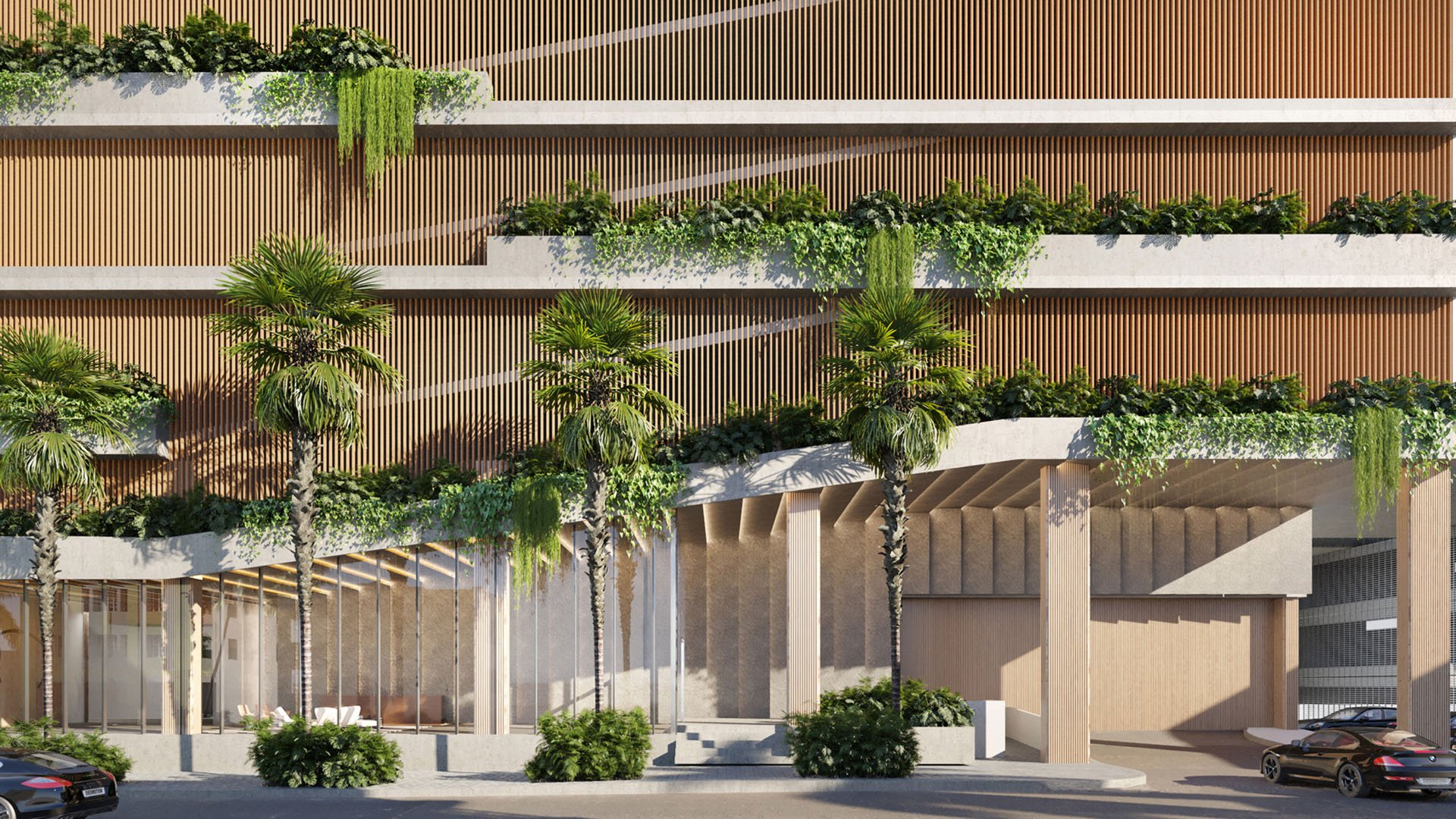
Buyers should ask for a clear explanation of everyday arrival choreography. Where do residents enter? How are guests directed? Where do rideshare vehicles stop? How are deliveries handled during busy hours? How does the property distinguish resident priority from service circulation? These questions are not minor. They determine whether the building feels composed when the surrounding city does not.
The most revealing site visit is not the one scheduled for the prettiest light. It is the one scheduled around your likely life. If a buyer expects to cross a causeway several times a week, the visit should include that crossing before and after the appointment. If the residence will be used as a second-home, test the arrival from the airport during the window when family and guests are most likely to land. If it is an Investment, examine how future purchasers may judge the same friction.
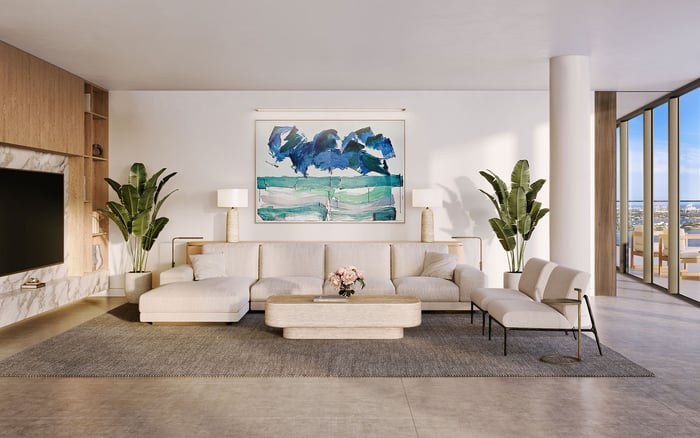
Inside the residence, connect the plan to the access story. A calm primary suite, generous storage, a useful den, and a true outdoor Terrace can soften the occasional inconvenience of urban movement. A strong floor plan gives owners reasons to remain comfortably at home when the city is compressed. In this sense, Waterview is not only aesthetic. It can become a psychological counterweight to traffic anxiety.
For The Cove Residences Edgewater, the due-diligence lens should also consider how buyers compare adjacent choices in the broader Cove Miami conversation. The name may evoke waterfront intimacy, but the practical test remains the same: does the residence support the owner’s daily rhythm, or does it rely on the owner adjusting around the property?
Do not overlook vertical movement. Buyers often study horizontal travel, then forget the elevator sequence, parking level, lobby transfer, and service overlap. A five-minute difference inside the property can feel more irritating than a ten-minute difference on the road because it occurs after the owner believes the journey is complete. The best buildings make this sequence feel invisible.
Causeway bottlenecks do not automatically weaken a purchase. In certain waterfront districts, buyers accept access friction in exchange for view quality, privacy, design, and proximity to cultural and dining life. The issue is not whether friction exists. The issue is whether pricing, floor selection, and exit assumptions acknowledge it.
A disciplined buyer should compare premiums carefully. Higher floors, protected sightlines, larger outdoor space, and superior parking convenience may justify meaningful value differences. But if two residences share similar views and layouts, the one with more convenient arrival logistics may deserve preference. In luxury real estate, the most durable value is often found where beauty and usability overlap.
This is particularly important for New-construction buyers. Early decisions can be emotional, especially when presentation materials are refined and inventory is limited. Yet the best purchasers remain calm. They ask how the building will function after move-ins, how resident volume will affect shared systems, and whether the service culture appears designed for peak moments rather than quiet afternoons.
Investment buyers should also think beyond rental appeal or future resale language. The next buyer will perform the same mental calculation: view, building quality, neighborhood identity, and access. If the access story can be explained with confidence, the asset is easier to defend. If it depends on vague reassurance, pricing should reflect that uncertainty.
Before touring, write down your five most common weekly trips. Rank them by importance, then drive or be driven through the relevant route during a realistic time window. Note not only the total time, but the stress points: difficult turns, unclear merges, slow approaches, queueing near the property, and the final two blocks before arrival.
During the appointment, ask operational questions in plain language. How does the building handle simultaneous guest arrivals? Where does a driver wait? What happens when service providers, residents, and deliveries converge? How are busy evenings staffed? Who manages the curb? The answers should feel specific, not decorative.
After the visit, pause before discussing finishes. Instead, reconstruct the day. Did the property feel easier or harder than expected? Did the arrival sequence support the price point? Did the residence provide enough calm to offset the city outside? Would a spouse, parent, guest, or driver interpret the experience the same way?
Finally, revisit the purchase through the lens of time. A buyer who saves ten minutes several times a week may recover far more than convenience. They recover composure. Conversely, a buyer who accepts a bottleneck knowingly may still be making an excellent decision if the home delivers exceptional privacy, outlook, and emotional reward. The due-diligence goal is not to eliminate every compromise. It is to choose the right compromise with open eyes.
Why do causeway bottlenecks matter for The Cove Residences Edgewater? They shape the everyday ownership experience, especially for buyers who move frequently between waterfront, urban, and leisure destinations.
Should traffic concerns prevent a purchase in Edgewater? Not necessarily. The key is to test access during realistic windows and decide whether the residence compensates with design, view, and daily comfort.
What is the first due-diligence step for a buyer? Map your actual weekly routes before touring. The most relevant test is the one that mirrors your real calendar.
How should a buyer evaluate valet and garage flow? Ask how arrivals, guests, deliveries, and service providers are separated during busy periods. Operational clarity is part of luxury.
Does a better Waterview offset access friction? It can, if the view meaningfully improves daily enjoyment and resale appeal. The premium should still be measured against practical usability.
Are higher floors always better for this type of purchase? Not always. Higher floors may offer stronger outlooks, but parking convenience, elevator timing, and layout can be equally important.
What should second-home buyers focus on? They should test airport arrival, guest pickup, weekend movement, and the first impression created by the building’s entry sequence.
How should Investment buyers approach bottleneck risk? They should consider whether a future buyer can understand and accept the access tradeoff without requiring a discount.
Why does Terrace usability matter in this checklist? A strong outdoor space can make the residence feel more complete, especially on days when owners prefer to avoid peak movement.
What is the best mindset for a New-construction purchase? Stay aspirational but disciplined. Evaluate the promise of the building alongside how it is likely to operate when fully occupied.
For a discreet conversation and a curated building-by-building shortlist, connect with MILLION.
If branded residences are on your mind — as a home or as an allocation — we would be glad to share what we are seeing, privately.
Begin a quiet conversation