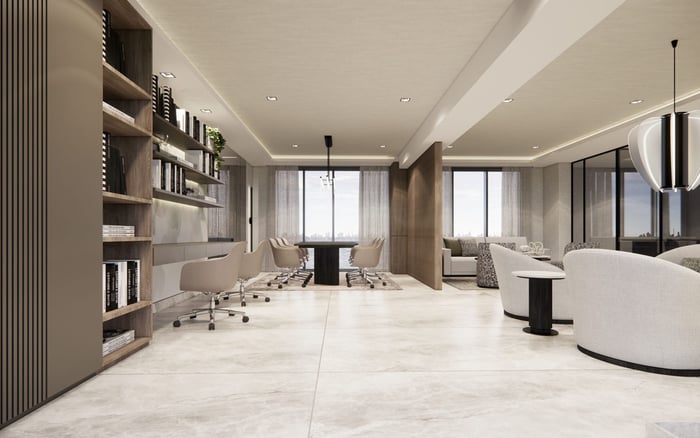
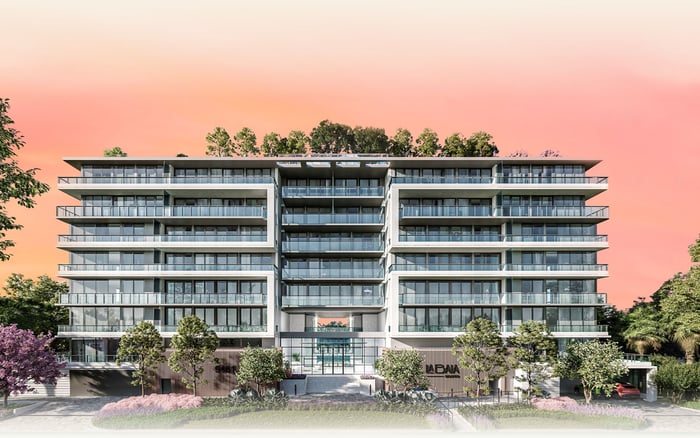
A buyer-focused comparison of The Cove Residences Edgewater and Shoma Bay North Bay Village, framed around lifestyle intensity, waterfront calm, and the ownership documents that shape long-term carrying costs.
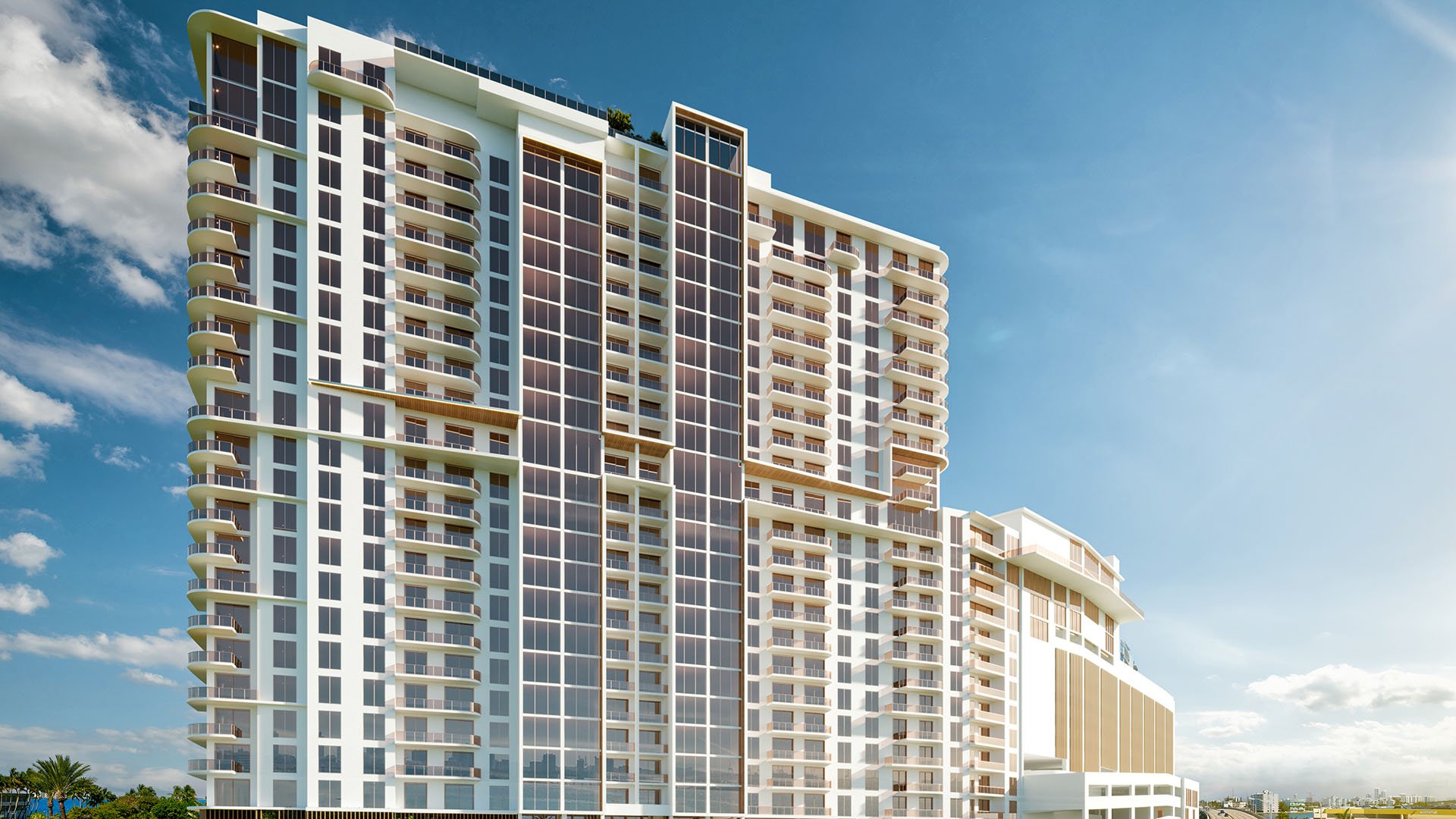
For the South Florida buyer choosing between The Cove Residences Edgewater and Shoma Bay North Bay Village, the most important comparison may not be the one captured in a sunset rendering. It is the quieter, more consequential measure of lifestyle appetite against ownership discipline.
Edgewater speaks to a more vertical, urban, high-drama version of waterfront living. The neighborhood has become shorthand for skyline energy, broad Biscayne Bay exposure, and proximity to Miami’s cultural and commercial core. In that context, The Cove Residences Edgewater belongs in the conversation for buyers who want immediacy, altitude, and a more cinematic daily relationship with the water.
Shoma Bay North Bay Village sits on the other side of the emotional spectrum. It is positioned within North Bay Village, a market that often appeals to buyers seeking bayfront calm, a more residential rhythm, and a sense of separation from Miami’s most intense urban corridors. The contrast is not necessarily better versus lesser. It is drama versus composure, with carrying-cost realism as the deciding lens.
In luxury real estate language, oceanfront often suggests spectacle: horizon lines, changing light, storm watching, and the sense that a residence is participating in South Florida’s coastal theater. Even when a buyer is evaluating bay-facing towers rather than literal sandfront residences, the emotional expectation can be similar. The question becomes whether the buyer wants the water to feel expansive, charged, and urban, or quieter and more sheltered.
That is where Edgewater and North Bay Village diverge in buyer psychology. Edgewater is typically selected by those who want the city nearby, with the water functioning as both view and stage set. North Bay Village, by contrast, can feel more contained. Its bayfront identity often reads as softer, with a calmer residential cadence and a different sense of arrival.
For a buyer studying The Cove Residences Edgewater, the prudent approach is to separate the promise of visual drama from the confirmed structure of ownership. Height, unit count, fees, insurance treatment, delivery timing, flood exposure, and condominium governance should all be reviewed through primary purchase materials before any final comparison is made. With Shoma Bay, the project is clearly tied to the North Bay Village conversation, but its ownership terms should still receive the same level of scrutiny.
Luxury buyers often describe buildings emotionally first: serene, dramatic, private, resort-like, architectural. Yet the ownership model lives in the documents. It is defined by declaration terms, budgets, reserve planning, insurance responsibilities, assessment powers, rental rules, financing eligibility, taxes, and any long-term structural obligations attached to the property.
This is especially important for waterfront buyers. Water views may drive desire, but recurring costs determine how comfortable ownership feels five or ten years later. A lower initial purchase price can be offset by higher monthly dues, insurance pressure, capital reserve needs, or future assessments. Conversely, a higher entry point can be more acceptable if the building’s financial structure is transparent, adequately reserved, and aligned with the buyer’s intended use.
The Cove Residences Edgewater should therefore be underwritten as a document-driven purchase, not simply as an Edgewater lifestyle decision. Buyers should ask for the proposed budget, expected association dues, reserve policy, insurance outline, rental restrictions, parking terms, closing cost estimates, and any known capital obligations. None of those items should be assumed from neighborhood prestige or marketing tone.
Shoma Bay deserves the same diligence. Its North Bay Village positioning may suggest bayfront calm, but calm living is not the same thing as simple ownership. Buyers should confirm whether the structure is conventional condominium ownership, another form of ownership, or a model with additional operational or use restrictions. That distinction can affect financing, resale audience, rental strategy, and long-term cost predictability.
Carrying-cost realism begins with accepting that the purchase price is only the opening line. The recurring ownership picture may include association dues, insurance allocations, reserves, taxes, maintenance of common areas, building staffing, amenity operations, and potential assessments. In a waterfront setting, that analysis becomes more important because exposure, structural systems, and insurance markets can influence budgets over time.
For buyers comparing a dramatic Edgewater waterfront residence with a calmer bayfront option in North Bay Village, the most sophisticated question is not simply, “Which view is better?” It is, “Which cost structure is more legible, durable, and aligned with how I will actually use the home?”
A primary resident may tolerate a different monthly profile than a seasonal owner. A second-home buyer may value staffing, security, and ease more than raw square footage. An investment buyer must think about rental policy, liquidity, buyer pool, and the market’s future perception of monthly costs. A long-term owner may care most about reserves and governance, since those factors shape stability as buildings age.
This is where waterview decision-making becomes nuanced. The most seductive residence may not be the most disciplined acquisition. The right answer depends on whether the buyer wants to pay for intensity, quiet, convenience, optionality, or a particular balance of all four.
Before choosing The Cove Residences Edgewater, buyers should press for clarity on the mechanics of ownership. What are the projected monthly obligations? How are insurance costs allocated? What reserves are planned? Are there rental limits? What approvals are needed for future resale or leasing? How does the association anticipate maintaining waterfront systems and shared amenities over time?
For Shoma Bay North Bay Village, the same questions apply, with additional attention to how the project’s bayfront setting translates into daily living. Is the ownership structure straightforward for conventional buyers and lenders? Are the projected expenses consistent with the amenities promised? How flexible is the use case for primary residence, seasonal residence, or long-term hold?
The buyer should also avoid comparing only lifestyle language. New-construction buildings often feel easiest at the sales-gallery stage, when the future is polished and simplified. The better exercise is to create a ten-year ownership worksheet: estimated dues, taxes, insurance exposure, closing costs, furnishing, maintenance, potential reserve changes, and exit assumptions. That spreadsheet may reveal a very different winner than the view alone.
The Cove Residences Edgewater is most naturally suited to a buyer who prioritizes an urban waterfront experience and is willing to underwrite the obligations that may accompany a more dramatic tower lifestyle. The buyer profile is likely someone who wants energy, presence, and a stronger connection to Miami’s vertical waterfront identity, while also insisting on document-level clarity before committing.
Shoma Bay North Bay Village reads as a calmer bayfront alternative. It may appeal to buyers who want the water without feeling fully absorbed by the city, and who value a more measured residential atmosphere. The keyword, however, is still verification. Bayfront calm should be tested against the actual budget, association structure, insurance assumptions, and ownership rights.
Neither choice should be reduced to a simple price-per-square-foot exercise. The more useful comparison is between two experiences of water and two possible cost profiles. One may feel more theatrical. The other may feel more settled. The right purchase is the one whose documents support the lifestyle being sold.
A refined South Florida buyer should approach this comparison in three steps. First, define the desired waterfront mood: dramatic, urban, expansive, calm, sheltered, or low-friction. Second, request the ownership documents that govern the actual financial and legal experience. Third, stress-test the purchase over time, including reserves, insurance, taxes, rental flexibility, and likely resale perception.
That framework protects the buyer from being led by either architecture or anxiety. The Cove Residences Edgewater and Shoma Bay North Bay Village can each be compelling within the right brief. The distinction is not simply Edgewater versus North Bay Village. It is whether the buyer is purchasing a more dramatic waterfront identity or a calmer bayfront rhythm, and whether the ownership model makes that choice sustainable.
Is The Cove Residences Edgewater directly comparable to Shoma Bay North Bay Village? They can be compared as waterfront lifestyle choices, but buyers should verify each project’s ownership documents before making a financial comparison.
What is the main lifestyle difference between the two? The Cove Residences Edgewater reads as the more dramatic urban waterfront option, while Shoma Bay North Bay Village reads as the calmer bayfront alternative.
Why do carrying costs matter so much in waterfront condos? Association dues, insurance, reserves, taxes, and assessments can materially affect the real cost of ownership beyond the purchase price.
Should buyers assume both projects have the same ownership model? No. Ownership structure should be confirmed through project documents, since legal and financial terms can vary meaningfully.
What documents should a buyer review first? Buyers should review the budget, declaration, reserve policy, insurance information, rental rules, and any projected association obligations.
Is Shoma Bay associated with North Bay Village? Yes. Shoma Bay is positioned within the North Bay Village waterfront conversation.
Can views justify higher monthly carrying costs? Sometimes, but only if the buyer values the lifestyle enough and the building’s financial structure appears sustainable.
Is Edgewater better for buyers who want city energy? Edgewater is generally the more urban frame for this comparison, especially for buyers who want a stronger Miami skyline setting.
Is North Bay Village better for a quieter waterfront rhythm? North Bay Village often appeals to buyers seeking a more measured bayfront atmosphere, subject to project-specific review.
What is the smartest way to choose between the two? Match the desired waterfront lifestyle to verified ownership costs, then decide which property feels sustainable over a long hold.
For a tailored shortlist and next-step guidance, connect with MILLION.
If branded residences are on your mind — as a home or as an allocation — we would be glad to share what we are seeing, privately.
Begin a quiet conversation