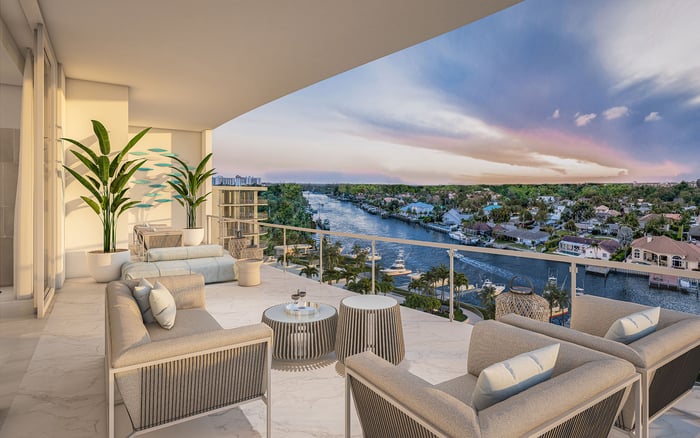
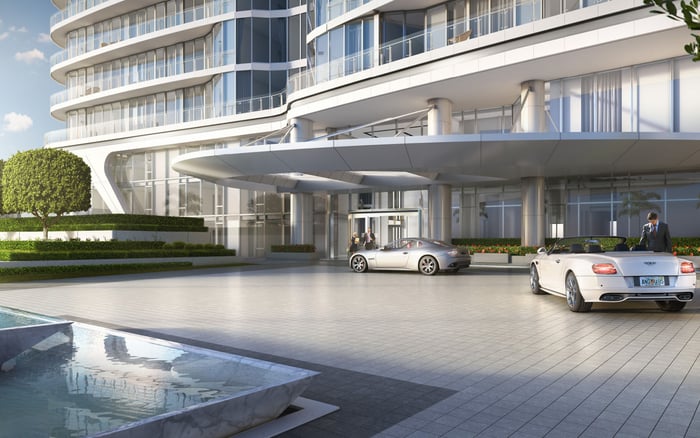
Palm Beach and West Palm Beach require property-specific questions, not automatic conclusions. A discerning purchase pairs parcel-level view analysis with a close examination of terrace comfort, building resilience, and ownership rules.
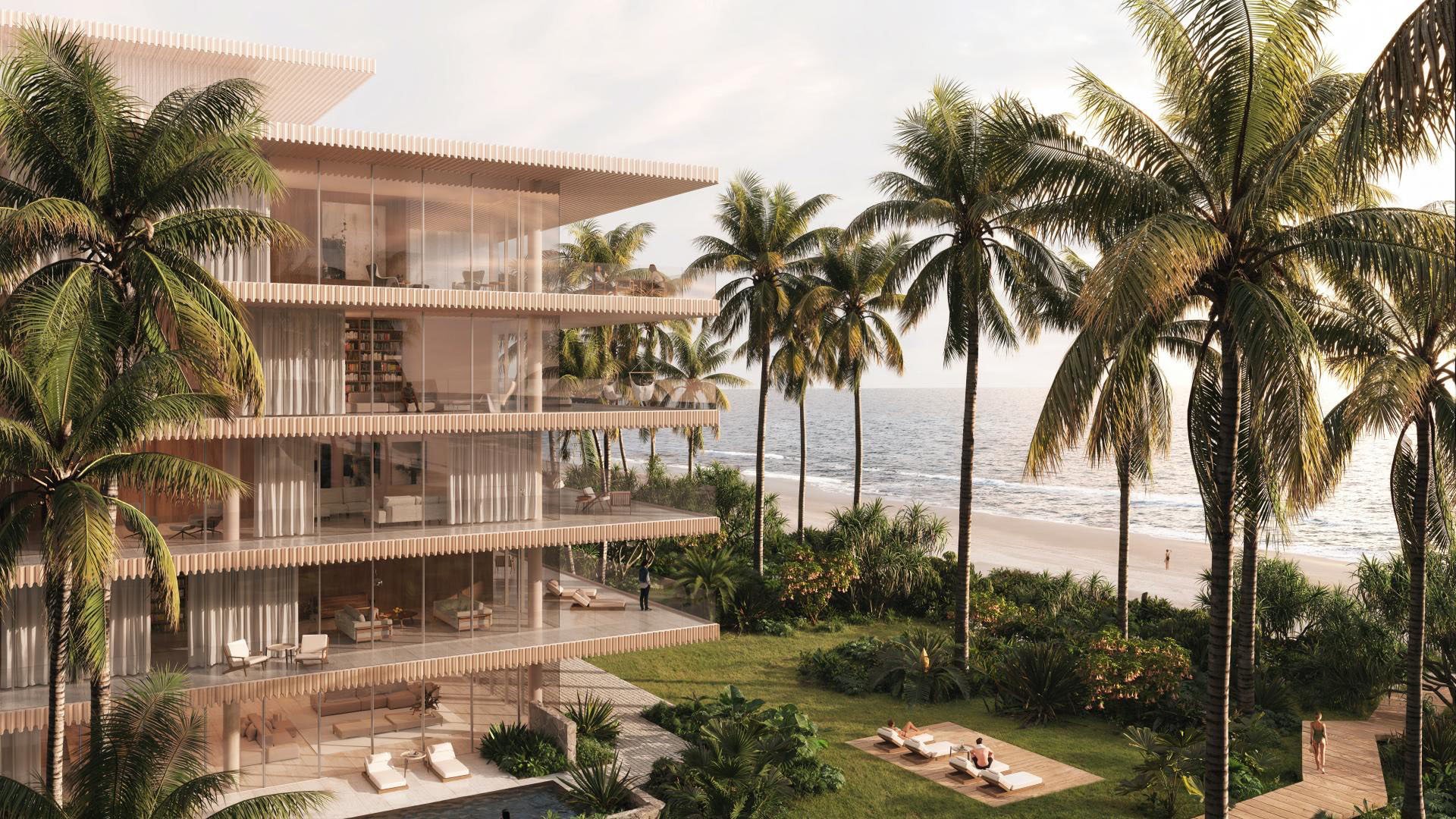
A water view is an immediate pleasure. Its durability is a separate purchase consideration. So is the difference between a terrace that photographs beautifully and one that comfortably accommodates breakfast, reading, or an evening with guests. For buyers weighing Palm Beach against West Palm Beach, those distinctions deserve as much attention as finishes and floor plans.
The useful comparison goes beyond island versus mainland. It examines architectural oversight alongside neighboring development rights, and building design alongside actual outdoor comfort. Review existing zoning, proposed changes, and pending decisions separately rather than treating any of them as a citywide guarantee of views or terrace use.
The strongest purchase decision connects three scales: the surrounding parcels, the building, and the exact residence.
For a Palm Beach purchase, ask a planning professional to explain the architectural-review and zoning requirements affecting the surrounding properties. The review should address permitted uses, setbacks, height, lot coverage, building volume, massing, and landscape requirements where applicable.
These questions matter to buyers who value architectural coherence. But an assessment of what can be built and how it relates to its surroundings is not the same as evidence that a particular living-room outlook is legally protected.
For a residence under consideration at Palm Beach Residences, the question is not simply whether nearby construction faces review. It is whether neighboring parcels have development capacity that could alter the specific view-and whether a recorded easement or restriction protects it.
Ask counsel and a planning professional to distinguish aesthetic oversight from enforceable property rights. A compatible building can still change an outlook; a reassuring architectural context is no substitute for examining the neighboring building envelope.
West Palm Beach’s zoning and future-land-use maps are a starting point for reviewing surrounding parcels, not a complete answer. Buyers should also ask about pending applications, approved-but-unbuilt projects, and the distinction between existing entitlements and requested exceptions.
If a proposed planning incentive has been withdrawn or revised, ask what that action actually changes for each relevant parcel. Do not assume that a change to a proposal also removes existing development rights.
When evaluating Forté on Flagler West Palm Beach, apply that distinction to the parcels relevant to the chosen residence’s outlook. Neither a broad planning headline nor a project name establishes view security. Obtain a written explanation of the rights affecting each meaningful sightline.
For any nearby waterfront proposal, request the application history, current status, and relevant decision documents. Have counsel distinguish a recommendation or intermediate review from a final decision, and identify any unresolved conditions or requested exceptions.
For buyers considering Alba West Palm Beach, keep the residence under consideration distinct from any separately named development proposal. Confirm the parcel and application involved before drawing conclusions about a particular unit’s exposure to future construction.
Before relying on a development decision, confirm its current status and the permissions it actually changes. Ask whether application timing affects the rules that apply, rather than assuming every nearby parcel is governed identically.
Keep wind-design information separate from an assessment of everyday outdoor comfort. Ask the building’s design or engineering team to explain the applicable wind criteria and what, if anything, its analysis says about conditions on the exact terrace.
Do not use a countywide map or a building’s coastal location to conclude that one municipality offers calmer outdoor living. The purchase question is how the residence’s outdoor space supports your intended routines.
At Shorecrest Flagler Drive West Palm Beach, as at any candidate residence, evaluate the actual orientation, floor, corner exposure, overhangs, shade, and wind-driven rain. Where access permits, visit at different times and assess the places where you would sit, dine, or read-not just the view from the doorway.
For an unbuilt residence, request a design-specific explanation of expected terrace conditions and distinguish engineering analysis from assumptions. A larger outdoor area is not, by itself, evidence of greater usable comfort.
Outdoor enjoyment also depends on the building’s condition and the rules governing its use. Request available structural and window specifications, reserve studies, façade and balcony assessments, storm-hardening records, insurance claims, and information on pending assessments. For condominiums, examine terrace-use rules alongside the floor plan.
Ask whether your intended furnishings, shade arrangements, and outdoor routines are permitted, and what storm preparation requires. Keep those questions separate from whether the space feels comfortable during a showing.
Have qualified professionals evaluate any concerns about roofs, windows, doors, or other building components and recommend appropriate work. Documented building condition is a distinct diligence task-not something to infer from an address or an attractive exterior.
Before committing, commission a written assessment of neighboring height, density, floor-area rights, setbacks, pending applications, approved-but-unbuilt projects, and recorded restrictions. Review it against the exact rooms and terrace positions that make the residence compelling.
Then weigh those findings against observed outdoor comfort, building documentation, and ownership obligations. Do not assign a standardized redevelopment discount, view-retention probability, or annual terrace-use figure without property-specific support.
The case for Palm Beach may rest on how its architectural context aligns with your priorities. The case for West Palm Beach may rest on a particular residence whose surroundings and outdoor conditions withstand careful review. The more persuasive choice is the home whose pleasures remain convincing after its constraints are understood.
For a considered approach to Palm Beach and West Palm Beach residences, connect with MILLION.
If branded residences are on your mind — as a home or as an allocation — we would be glad to share what we are seeing, privately.
Begin a quiet conversationArchitectural review is not evidence of a legally protected view. Buyers should examine neighboring development rights and any recorded easements or restrictions.
Ask a planning professional to review permitted uses, setbacks, height, lot coverage, building volume, massing, and applicable landscape requirements.
Start with the city’s zoning and future-land-use maps. Supplement them with a written assessment of applicable rights, pending applications, and approved-but-unbuilt projects.
Do not assume it does. Ask counsel to distinguish the withdrawn proposal from rights already applicable to the parcel.
Request the decision documents and have counsel identify what remains unresolved. Confirm whether the action is a recommendation, an intermediate review, or a final decision.
Ask whether the filing date affects which rules apply to the proposal. Confirm that issue for the specific application rather than relying on a general planning headline.
No; request a separate explanation of expected conditions on the exact terrace. Distinguish engineering analysis from assumptions about everyday comfort.
Evaluate orientation, floor, corner exposure, overhangs, shade, wind, and wind-driven rain. Where possible, visit the actual terrace at different times.
Request available structural and window specifications, reserve studies, façade and balcony assessments, storm-hardening records, insurance claims, and pending-assessment information. Review condominium terrace-use rules as well.
No citywide conclusion is established. Compare the exact residence’s neighboring development rights, outdoor conditions, building documentation, and ownership rules.