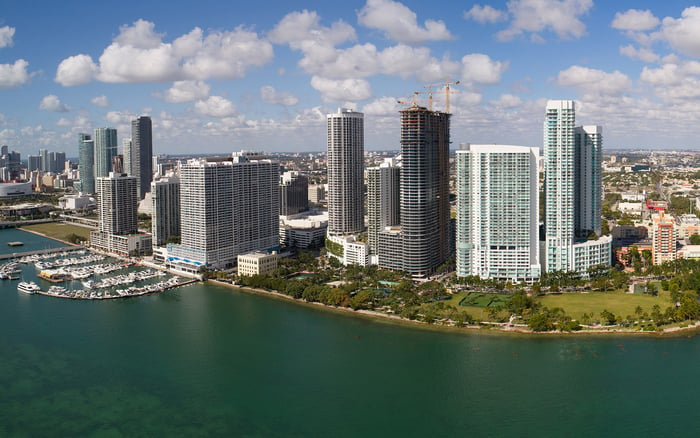
For an Edgewater residence, capital planning deserves the same scrutiny as design and location. Review the roof, façade, plumbing, electrical systems, and waterproofing together, while distinguishing inspection compliance from funded future work.

In Edgewater, acquiring a high-value residence calls for scrutiny beyond the floor plan, finishes, and outlook. The building deserves an equally considered review: what it must maintain, when major work is expected, and how the association intends to pay for it. A refined interior cannot answer those questions.
For a buyer considering Aria Reserve Miami, the starting point is a building-specific document review, not an assumption based on presentation. Roof, façade, plumbing, electrical, and waterproofing obligations should be reviewed together. This planning recommendation is consistent with Florida’s reserve-study framework; it is neither a separate requirement for luxury properties nor a finding about any named development.
The objective is clarity: distinguish the building’s condition from the association’s financial readiness.
Under Florida’s 2025 statutory framework, a Structural Integrity Reserve Study, or SIRS, is required at least every 10 years for each qualifying residential condominium building with three or more habitable stories. It combines a visual assessment of specified components with financial planning for their future major repair or replacement.
The required categories extend well beyond concrete and balconies. They include the roof, load-bearing structural systems, fireproofing, fire-protection systems, plumbing, electrical systems, waterproofing and exterior painting, windows, and exterior doors. Reviewing the five systems in this article should complement, not replace, a review of the full study.
A SIRS identifies estimated remaining useful lives, projected replacement or deferred-maintenance costs, and recommended reserve funding. Read those elements together. A projected expense without an expected date tells an incomplete story. So does a funding recommendation detached from the scope it is intended to support.
Responsibility matters just as much. SIRS planning concerns components maintained by the association. Do not assume that every fixture, pipe, window, or door within an individual residence is an association reserve obligation. Ask counsel and the association to clarify the maintenance boundaries in the governing documents.
Roof.
Ask how the roof’s estimated remaining life aligns with planned work, current funding, and any related waterproofing scope. A replacement allowance alone is less informative than a schedule showing when the association expects to need the money.
Façade.
Separate exterior appearance from structural and safety obligations. Recertification review addresses cladding and exterior appurtenances that could detach, as well as balconies and railings. Ask which proposed façade items address structural conditions, which concern waterproofing, and which involve exterior painting or other maintenance.
Plumbing.
Plumbing is a required SIRS category, so review association-maintained systems alongside the major structural components. Establish which work the study contemplates and which obligations remain with the owner before incorporating a residence renovation into the ownership budget.
Electrical.
Compare reserve assumptions with applicable electrical inspection findings. Electrical recertification covers panels, wiring, lighting, and grounding. The question is whether identified work has a defined scope, timetable, and funding path-not simply whether an electrical budget line exists.
Waterproofing.
Review waterproofing and exterior painting in relation to roof and façade work. Ask the engineering team whether related sealant and exterior work should be coordinated. Coordination may be sensible, but do not assume savings without project-specific scopes and bids.
One capital plan means a coordinated view of obligations and timing. It does not make components interchangeable or mean that all reserve money is available for every project.
A milestone inspection evaluates an aging building for substantial structural deterioration. A SIRS addresses funding for future repair and replacement. They answer different questions: an inspection outcome is not proof that future capital work is fully funded.
Miami-Dade’s recertification program also requires a professional evaluation of structural and electrical safety for continued occupancy by a Florida-registered engineer or architect, subject to applicable qualifications. Condominium and cooperative buildings three stories or taller within three miles of the coastline begin recertification at 25 years, followed by inspections every 10 years. Other buildings subject to the program generally begin at 30 years, with subsequent 10-year intervals.
Confirm the individual building’s age, height, location, and applicable schedule. Edgewater’s neighborhood identity alone does not establish eligibility or timing. Apply the same discipline to a review involving EDITION Edgewater: establish the applicable obligations before drawing conclusions about capital readiness.
The 2025 statutory framework generally set December 31, 2025, as the initial SIRS deadline for qualifying unit-owner-controlled associations existing on or before July 1, 2022. Associations required to complete a milestone inspection by December 31, 2026, may coordinate their SIRS with that inspection, but cannot defer it beyond December 31, 2026.
Those dates call for a building-specific compliance review, not a blanket conclusion about every condominium. Confirm applicable requirements and any subsequent legal changes with qualified counsel. For a purchase decision, request the completed study or a clear explanation of the applicable timetable. Then examine funding separately.
For buyers considering Villa Miami, as elsewhere in the neighborhood, due diligence should connect engineering assumptions with financial decisions. Request the SIRS alongside applicable inspection findings, engineering repair scopes, bids, permits, reserve balances, and the board-approved funding plan.
Build a simple comparison for each major component: association responsibility, estimated remaining life, anticipated work, projected cost, scheduled timing, and planned funding. Ask the association to explain differences between study estimates and later bids. Neither number is self-explanatory.
Then examine overlap. Do roof and waterproofing schedules align? Does façade work reflect the engineering scope? Have plumbing and electrical obligations remained visible alongside larger exterior projects? These questions require answers from the association and its advisers; a reserve balance alone cannot resolve them.
No universal reserve amount or likely special assessment can reliably be assigned to an individual Edgewater condominium. A purchase budget should instead reflect the building’s documented obligations and approved funding decisions. Neither a polished façade nor a completed inspection establishes the adequacy of future reserves.
For a high-value acquisition, the most useful outcome is a clear account of what is known, what remains estimated, and who is responsible. Make the capital plan part of the residence selection itself, with the same care given to architecture and daily comfort.
Explore Edgewater residences with a considered ownership perspective at MILLION.
If branded residences are on your mind — as a home or as an allocation — we would be glad to share what we are seeing, privately.
Begin a quiet conversationA SIRS combines a visual assessment of specified building components with financial planning for future major repair or replacement. It identifies estimated remaining lives, projected costs, and recommended reserve funding.
Under the 2025 statutory framework, qualifying residential condominium buildings with three or more habitable stories must complete a SIRS at least every 10 years.
Yes. Both are required categories, alongside the roof, load-bearing structural systems, and other specified components.
Not automatically. It addresses association-maintained components, so buyers should clarify maintenance responsibilities in the governing documents.
No. A milestone inspection evaluates substantial structural deterioration, while a SIRS addresses future repair and replacement funding.
Condominium and cooperative buildings three stories or taller within three miles of the coastline begin at 25 years, followed by 10-year intervals. Confirm each building’s applicable schedule.
Façade work can involve structural safety, waterproofing, and exterior maintenance. Buyers should distinguish these scopes when reviewing proposed work and funding.
No. Inspection outcomes and funding readiness are separate matters; buyers should also examine reserve balances, projected work, and approved funding plans.
Review applicable inspection findings, engineering repair scopes, bids, permits, reserve balances, and the board-approved funding plan. Ask the association to explain discrepancies in scope, cost, or timing.
There is no reliable universal reserve amount or likely special assessment for an individual building. Any estimate should be grounded in its documented work and funding decisions.