A practical luxury buyer’s guide to evaluating Miami and Palm Beach residences as restorative beach recovery platforms, from thermal amenities and sleep systems to privacy, storage, and ritual flow.
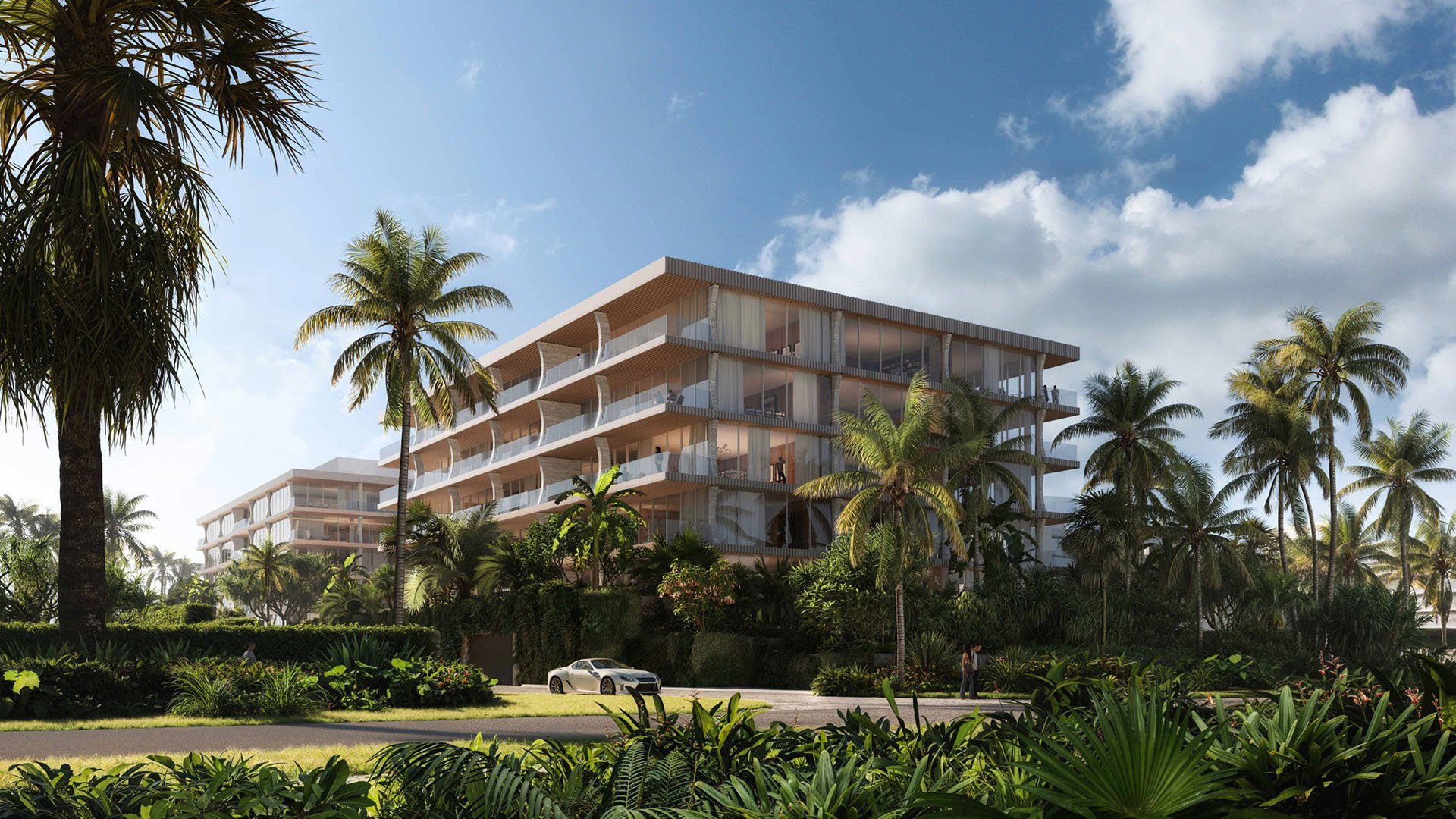
For the ultra-premium buyer in Miami and Palm Beach, a beach residence is no longer judged only by frontage, glass, and horizon line. The more sophisticated question is whether the home functions as a true recovery platform. After sun, saltwater, a transatlantic flight, a demanding workweek, or an intense training session, restoration should feel intuitive rather than improvised.
That shift changes the buying tour. A beautiful ocean outlook still matters, but buyers should also ask how the property supports sleep, thermal cycling, privacy, circadian rhythm, hydration routines, skin-barrier repair, and access to therapeutic services. In buyer shorthand, Miami beach and Palm Beach both signal coastal prestige, yet their recovery cultures differ. Miami tends to sit closer to boutique fitness, bio-optimization, longevity services, and functional wellness. Palm Beach often feels quieter, club-driven, discreet, and organized around lower-friction daily restoration.
The best purchase decisions translate broad wellness language into inspectable details. Do not let an oceanfront label replace practical diligence. The question is not simply whether the residence is near the water. It is whether the layout, staff flow, finishes, systems, and amenities allow the owner to recover without friction.
A serious buyer should physically walk the recovery sequence. Start at the beach or pool deck and imagine returning with salt on the skin, damp gear, sunscreen, towels, and possibly guests or children. Is there a private side entrance, service path, or discreet transition from sand to rinse? Can the owner de-sand before entering the main living areas? Does the path lead naturally to a spa suite, changing area, laundry, or storage room?
This matters because recovery is operational. If the route from beach to bath cuts through formal interiors, the home will resist daily use. If wet towels, paddleboards, beachwear, and damp training gear have nowhere to go, indoor air quality and housekeeping flow suffer. Dedicated laundry and gear storage are not minor conveniences. They are part of the wellness infrastructure.
The same exercise should continue into the evening. After rinsing, where does stretching happen? Is there space for massage or bodywork? Can the primary suite support a smooth transition from bath to robe to sleep? A residence built for recovery lets the day resolve naturally, without turning the owner into a facilities manager.
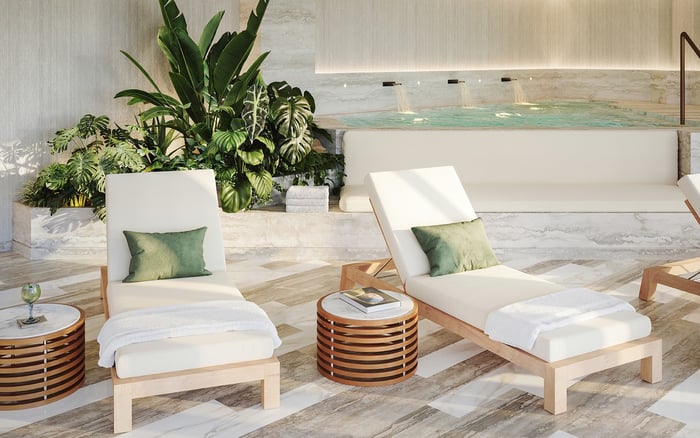
Luxury buildings increasingly describe wellness through thermal experiences, hydrotherapy, contrast bathing, sound work, IV therapy rooms, treatment suites, and longevity programming. These amenities can be valuable, especially for seasonal owners who want a short recovery weekend or detox week to unfold with minimal planning. Yet the key buyer question is whether the experience depends on scheduling, staff availability, elevator travel, or proximity to other residents.
Private in-residence features carry a different value. A steam shower in the primary suite, a quiet massage room, a plunge-ready terrace configuration, or a bathroom arranged for skin and heat recovery can be used on the owner’s schedule. Shared saunas, cold plunges, steam rooms, and massage suites should still be inspected, but privacy and access are part of their true utility.
For some buyers, the ideal answer is both. The residence handles the daily ritual, while the building supports deeper treatments and occasional programming. For others, especially public figures and principals with demanding calendars, privacy may outweigh the breadth of amenities. A magnificent spa that requires waiting, exposure, or coordination may not serve the lifestyle it appears to promise.
Beach recovery ultimately fails if the residence cannot support sleep. Buyers should ask whether the HVAC system can maintain comfortable sleeping temperatures, especially after humid beach days and high solar gain. Bedrooms with large glass exposures should be tested for glare, heat, and nighttime acoustic control, not merely admired in daylight.
Blackout shades are not a decorative upgrade. For global entrepreneurs, hedge fund principals, and mobile executives arriving from different time zones, blackout capability can help re-anchor the sleep cycle. Layered lighting should support evening wind-down rather than flood the room with harsh brightness. Controls should be intuitive, reachable, and reliable from the bed.
Acoustic planning deserves equal attention. Ocean sound can be restorative, but mechanical noise, traffic, lobby activity, or neighboring terraces can dilute the value of a coastal setting. A buyer should visit at different times when possible and assess whether the primary suite feels sealed, calm, and protected.
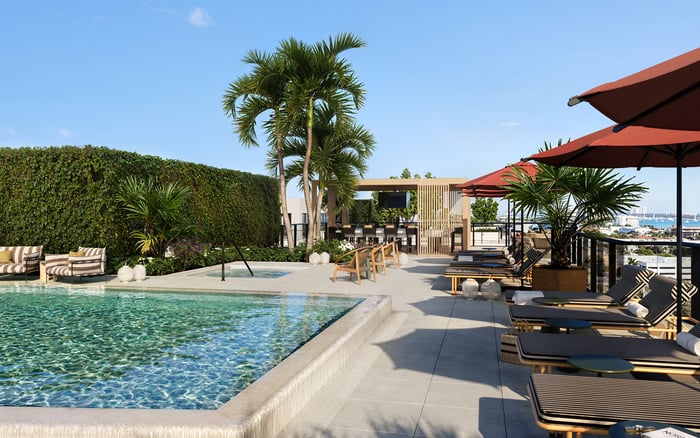
The beach itself is a therapeutic asset because of natural light, horizon views, ocean sound, and immediate outdoor access. But the architecture must translate those qualities into usable daily rituals. A terrace should be evaluated as an outdoor room, not a decorative ledge. Can it support breathwork, stretching, shaded reading, breakfast after a swim, or quiet decompression after tennis or training?
Glare control is critical. Too much exposure can make a terrace unusable at the very hours it should feel restorative. Shade, orientation, privacy from neighboring sightlines, and wind comfort determine whether outdoor space becomes part of the daily routine. The same applies to beach access. A short walk to sand is only meaningful if the transition is private, elegant, and easy to repeat.
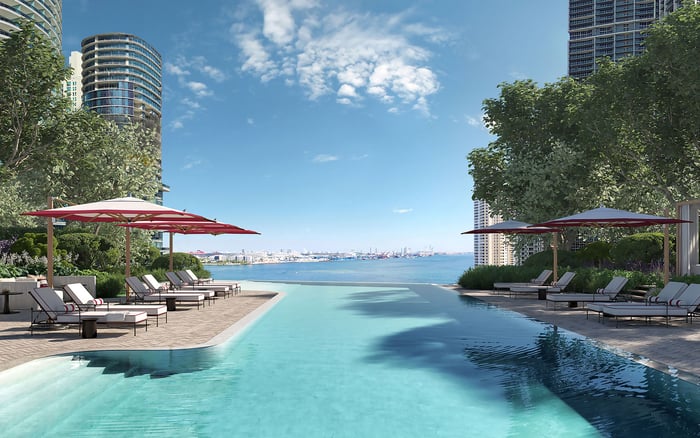
Pool amenities should be considered in relation to the beach, not as a separate marketing category. A pool may support low-impact movement, cooling, or family use when the ocean is less convenient. The strongest coastal residences allow owners to choose between ocean, pool, shade, and spa without turning the day into logistics.
Miami buyers often gravitate toward a more activated wellness ecosystem. The residence may be expected to complement boutique fitness, longevity services, recovery treatments, and a social calendar that moves between beach, dining, work, and travel. In that context, the home must restore the owner quickly. It should compress the recovery cycle after a long flight, a late event, or a high-intensity morning.
Palm Beach recovery tends to be quieter. The most compelling residences support routines around golf, tennis, private clubs, low-traffic beach access, and private treatments. Wellness design here often privileges spa suites, treatment rooms, air and water purification, acoustic control, and a discreet rhythm of service.
Neither approach is superior. The decision depends on the buyer’s calendar. A mobile executive may want Miami’s energetic wellness network and a residence that shuts down beautifully at night. A family principal may prefer Palm Beach’s slower cadence, where the home, club, beach, and treatment routine operate with minimal public exposure.
Before contract, assess the home as a sequence of recoveries rather than a collection of amenities. Begin with arrival. Can luggage, wet gear, and beach equipment move through the residence without disrupting formal spaces? Then inspect the rinse and changing experience. A beach home should have a logical wet zone, durable surfaces, and sufficient towel, product, and laundry capacity.
Next, test thermal options. Verify whether cold plunge, sauna, steam, or hydrotherapy access is private, shared, or nearby. If shared, understand the likely friction. If private, confirm ventilation, drainage, acoustics, and maintenance requirements.
Then move to the primary suite. The best layouts connect bathing, changing, storage, treatment, and sleep controls in a calm circuit. Evaluate blackout shades, HVAC performance, lighting scenes, privacy, and sound. Finally, stand on the terrace and ask whether the space supports the rituals the listing language implies. If the answer is no, the wellness promise may be more aesthetic than functional.
What is a beach recovery ritual in a luxury residence? It is the sequence that helps an owner transition from sun, saltwater, travel, training, or work into rest, treatment, and sleep.
Why should buyers evaluate recovery before purchasing? Wellness claims are only valuable when the residence has the layout, privacy, systems, and service flow to support them daily.
Are shared wellness amenities enough? They can be useful, but ultra-luxury buyers should weigh privacy, scheduling, elevator travel, and staff coordination before relying on them.
What private features matter most? Strong candidates include a spa-like primary suite, steam or sauna access, massage space, blackout shades, acoustic control, and logical wet-zone storage.
How should a buyer test the beach-to-home transition? Walk from sand or pool to rinse, changing, laundry, storage, treatment, and bedroom to see whether the ritual feels natural.
Why is sleep optimization central to beach recovery? Without temperature control, darkness, quiet, and intuitive lighting, even the most impressive spa amenities lose much of their value.
Does Miami offer a different recovery lifestyle than Palm Beach? Miami generally feels more connected to active wellness, fitness, and longevity services, while Palm Beach emphasizes privacy and calm routines.
What should seasonal buyers prioritize? They should favor homes that make intensive recovery weekends or detox-style stays easy to execute with minimal planning friction.
Can terraces be part of the wellness program? Yes, if they function as shaded, private outdoor rooms for rest, breathwork, stretching, and post-beach decompression.
Is this checklist medical advice? No, it is a luxury-residence due diligence framework for evaluating wellness-oriented design, comfort, privacy, and daily usability.
To compare the best-fit options with clarity, connect with MILLION.
If branded residences are on your mind — as a home or as an allocation — we would be glad to share what we are seeing, privately.
Begin a quiet conversation