A buyer-focused guide to evaluating Hillsboro Beach oceanfront homes and condos through regulation, flood exposure, structure, insurance, association strength, and title clarity before letting the Atlantic view decide the purchase.

The first mistake in Hillsboro Beach is also the easiest to understand: stepping through the foyer, seeing the Atlantic framed in glass, and deciding too quickly that the residence has already answered the important questions. In this narrow Broward coastal town, the view should be the final confirmation, not the opening argument.
Oceanfront value here is unusually site-specific. Two residences can share the same blue horizon yet carry very different ownership profiles because of parcel depth, dune condition, flood-zone placement, building age, association reserves, insurance assumptions, and local rules. A trophy view may photograph beautifully, but durable value is often found in quieter details: where the structure sits, how the site drains, what permits support prior work, and whether future improvements are practical.
That is why the process should be less romantic than sequential. Waterfront ownership in Hillsboro Beach should be judged as a layered asset, with the land, building, shoreline, documents, and operating costs reviewed before emotion is allowed to lead.
Hillsboro Beach is not simply a prettier extension of nearby beach cities. Its small scale makes municipal decisions and parcel-level conditions matter. Buyers should review local ordinances for zoning, construction, shoreline work, nuisance standards, property use, and exterior improvements before assuming that rules from Fort Lauderdale, Pompano Beach, or Boca Raton apply in the same way.
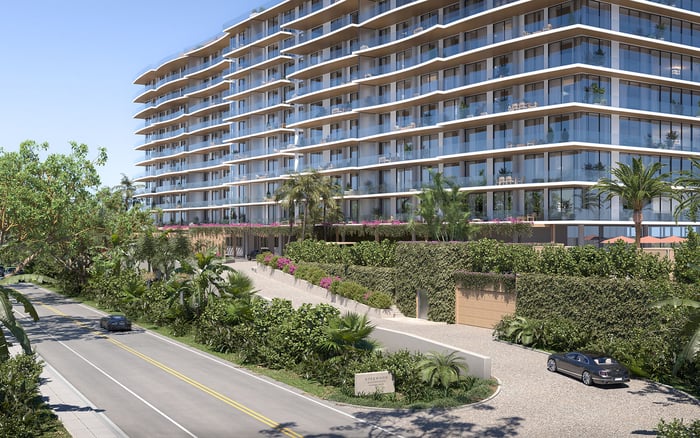
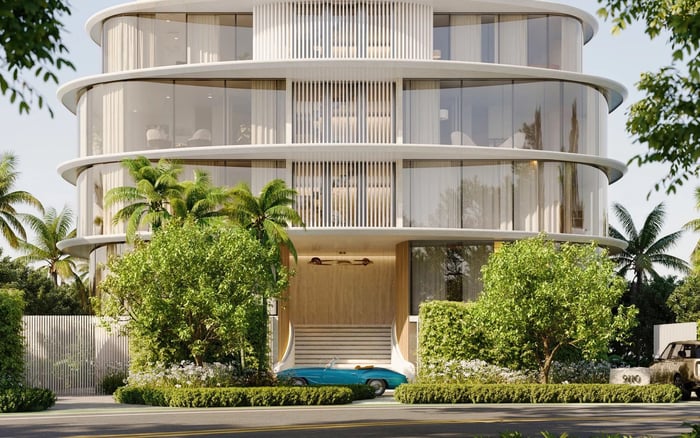
For luxury buyers comparing coastal options, this is where Hillsboro Beach becomes distinct. A residence such as Rosewood Residences Hillsboro Beach may sit within the broader South Florida desire for privacy and ocean proximity, yet the acquisition lens should remain local: what can be built, repaired, lit, landscaped, insured, financed, and maintained on this specific stretch of sand?
This entry belongs in the practical tradition of Buyer's Guides because the most consequential questions are rarely visible during a showing. Ask for the rules before you admire the finishes.
Beachfront property is subject to specialized coastal oversight. Construction, excavation, dune work, pools, decks, landscaping, crossovers, and other improvements may need review when they fall within or near the state coastal-construction line. That is not a minor technicality. It can influence renovation timing, design choices, contractor strategy, and ultimately what a buyer should be willing to pay.
Before underwriting a new pool terrace, expanding outdoor living, rebuilding a dune crossover, or reworking the seaward side of a home, confirm the mapped location of the residence and proposed improvements. If the existing home, seawall, dune interface, pool, or deck sits close to the regulated area, the buyer should treat future work as a permitting and engineering question, not a design preference.
Beach condition deserves equal attention. Erosion, dune loss, exposed hardscape, and future nourishment needs can affect enjoyment, maintenance costs, insurance discussions, and resale confidence. The sand in front of the residence is part of the ownership story, even if it is not part of the deed in the way the living room is.
A sophisticated Hillsboro Beach buyer should not collapse every coastal risk into the word “weather.” Flood-zone placement, storm-surge exposure, windstorm underwriting, and replacement-cost assumptions are separate due-diligence tracks.
Flood maps influence lender requirements, elevation expectations, insurance pricing, and renovation planning. Local flood resources can add context before a buyer waives contingencies. Surge exposure should be reviewed separately because hurricane-driven water can behave differently from rainfall, nuisance tidal flooding, or site drainage.
Tide and water-level data near Port Everglades can help frame local tidal behavior, king-tide exposure, and storm-water context. It will not predict the next storm, but it can keep the conversation grounded in coastal reality rather than balcony optimism.
Insurance should be verified early. Flood coverage is distinct from windstorm or homeowners coverage, and private flood policies may differ from national program coverage in pricing, limits, exclusions, and underwriting assumptions. A premium estate or condo that looks financially elegant on the purchase contract can feel very different once deductibles, exclusions, reserves, and renewal risk are understood.
For condominiums, the most expensive surprises often live in association documents. Review budgets, reserves, meeting minutes, insurance policies, litigation, special-assessment history, engineering reports, and pending capital projects. Condominium rules and structural-integrity requirements have made building age, milestone-inspection status, reserve funding, and completed concrete or balcony work central to any older oceanfront purchase.
A buyer should also check whether the building is subject to condominium milestone reporting. The question is not merely whether a building has complied with a requirement. It is whether the association has the funds, governance discipline, and project history to maintain the asset without destabilizing ownership costs.
For single-family homes, the inspection menu should be broader than a general walk-through. Commission separate reviews for the structure, roof, impact openings, drainage, pool systems, generators, seawall or dune interface, and any dock or Intracoastal improvements. Estates & Single-Family buyers should also verify code compliance for roofs, impact windows, balconies, railings, structural repairs, major renovations, seawalls, and exterior systems against applicable building standards.
This is one reason buyers studying the Broward coast often compare Hillsboro Beach with nearby new-residence environments such as Armani Casa Residences Pompano Beach or Auberge Beach Residences & Spa Fort Lauderdale. The point is not to rank them by spectacle. It is to understand how building condition, association structure, and maintenance philosophy shape long-term confidence.
The most refined oceanfront purchase still depends on prosaic records. Property records should confirm parcel boundaries, assessed value, ownership history, land characteristics, exemptions, and basic tax context. Recorded documents should be searched for deeds, mortgages, liens, easements, covenants, beach-access rights, dock rights, and other encumbrances.
Beach-access questions deserve particular care. Beach access may sound simple, but the legal path from private living room to sand can involve easements, association rules, municipal standards, or prior recorded agreements. If a residence is marketed around effortless ocean living, the documentation should support that claim.
Permits matter because luxury renovations are often layered over earlier improvements. Impact glass, roof work, balcony repairs, railings, structural changes, generators, pools, seawalls, and major interior renovations should be traced to permits and closeout status. If the seller cannot produce a clean record, the buyer should understand the cost and time required to cure the uncertainty.
The broader South Florida market offers useful context, especially when buyers are deciding whether Hillsboro Beach suits their lifestyle. A Hallandale Beach tower such as 2000 Ocean Hallandale Beach may appeal to buyers seeking an oceanfront condominium experience farther south, while Hillsboro Beach often attracts those who prize a narrower, quieter coastal setting.
Those comparisons are valuable only if they sharpen the questions. Is the buyer choosing privacy over services? Land over amenities? A boutique coastal rhythm over a denser resort-style environment? The answer should be reflected in insurance tolerance, capital planning, building governance, and renovation appetite.
Should the ocean view be the first reason to buy in Hillsboro Beach? No. The view should confirm a decision already supported by flood, structural, insurance, title, and regulatory due diligence.
Why does the coastal-construction line matter? It can affect construction, excavation, dune work, pools, decks, landscaping, and other improvements near the beach.
Is flood insurance the same as homeowners insurance? No. Flood coverage is a separate underwriting issue with different pricing, limits, and assumptions from windstorm or homeowners coverage.
What should condo buyers review first? Start with association budgets, reserves, insurance, engineering reports, meeting minutes, litigation, and special-assessment history.
Do older oceanfront condo buildings require extra scrutiny? Yes. Building age, inspection status, reserve funding, concrete work, balconies, elevators, and completed repairs can materially affect ownership.
What inspections matter for a single-family oceanfront estate? Review structure, roof, impact openings, drainage, pool systems, seawall or dune interface, generators, and any dock-related improvements.
Why check recorded documents before closing? They can reveal liens, easements, covenants, access rights, dock rights, or other issues that affect use and resale.
Can exterior lighting become a problem on the beach? Yes. Turtle-protection rules can affect balcony, pool, landscape, and exterior lighting during nesting season.
How should buyers think about long-term climate exposure? Consider sea-level rise, drainage, heat, coastal infrastructure, and future capital needs as part of the holding-cost profile.
What is the simplest rule before falling for the view? Price the invisible issues first, then decide whether the Atlantic panorama still justifies the commitment.
For a discreet conversation and a curated building-by-building shortlist, connect with MILLION.
If branded residences are on your mind — as a home or as an allocation — we would be glad to share what we are seeing, privately.
Begin a quiet conversation