A residence-specific buyer’s guide to terrace upkeep, glazing, wind exposure, and storm preparation at Setai and Faena House, with a focus on written obligations rather than architectural assumptions.
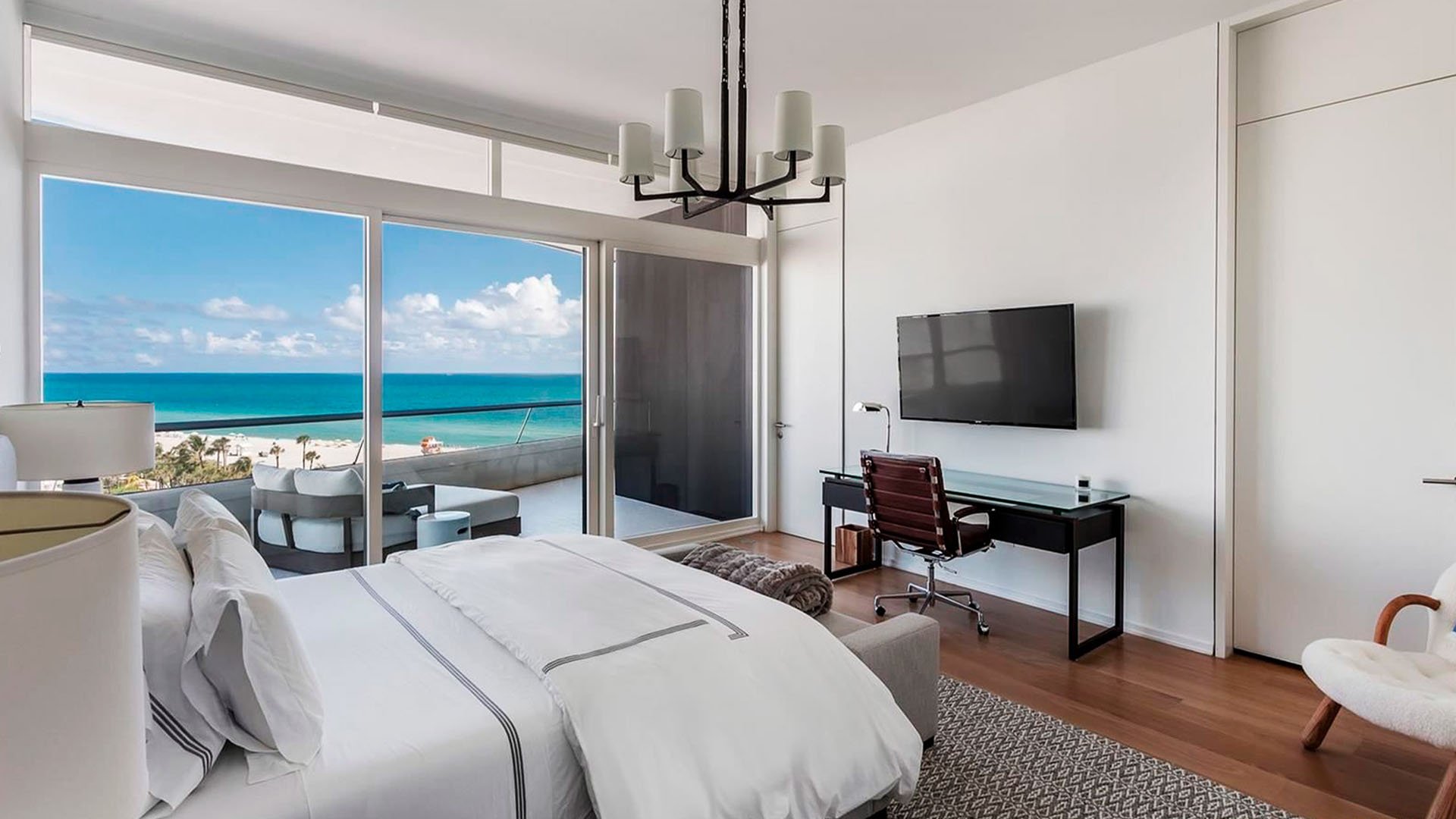
A Miami Beach terrace promises an unusually intimate relationship with the ocean: breakfast outdoors, an open horizon, and rooms that extend beyond their glass walls. For a buyer considering Setai or Faena House, that pleasure deserves an equally precise ownership file. The central questions are practical: who maintains each component, what protection is installed, and who prepares the residence when its owner is away?
Neither property’s architectural identity establishes definitive, property-wide terrace-maintenance or storm-securement rules. Those obligations require written association confirmation. Nor do the available architectural details support ranking one building as more wind-exposed or storm-resistant than the other. The meaningful comparison is between specific residences, their documented systems, and the responsibilities a purchaser would inherit.
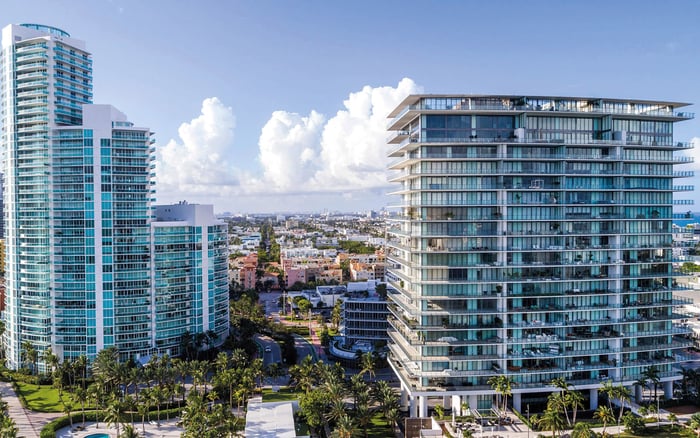
Setai Residences Miami Beach combines a restored 1937 Art Deco building with a newer, 40-story glass tower. That distinction matters when identifying the residence under consideration. It does not establish identical ownership arrangements, terrace conditions, or exposure across the two structures.
Start by locating the home precisely within its building and requesting its plans. Have the inspection team identify the terrace configuration, glazing, operable openings, and installed protection. A building-level description provides context, but it cannot replace a residence-specific inspection.
Setai unit 3806 illustrates the distinction: hurricane shutters are identified as a window feature. That is unit-level evidence, not confirmation that every Setai residence has shutters or the same protection system. For any purchase, request documentation identifying the installed equipment, its condition, operating procedure, and maintenance responsibility. Ask whether alterations have occurred and whether the association has the corresponding approvals on file.
Faena House Miami Beach is an 18-story, 42-residence oceanfront condominium defined in part by its broad, wrapping balconies, known as aleros. Their depths range from approximately 4 to 37 feet. That variation makes a generic terrace description insufficient for furnishing decisions or an ownership assessment.
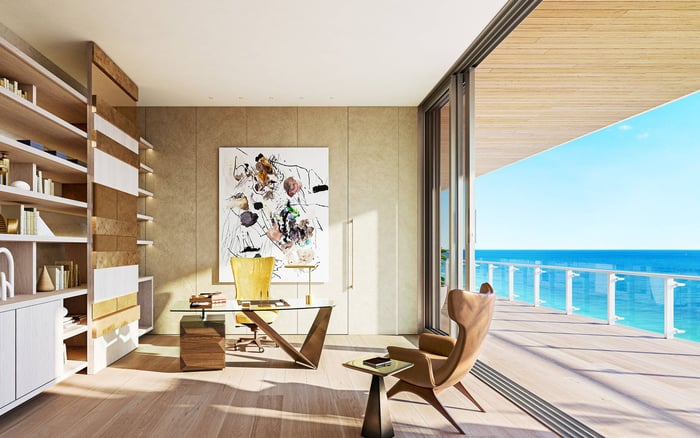
The floor-to-ceiling glass walls open widely between interior and terrace, with sliding-glass openings ranging from roughly 4 to nearly 13 feet. Buyers should verify the dimensions and operating configuration of their particular home rather than assume photographs of another residence describe their own.
The balconies are described as glass-fiber-reinforced concrete. That material description does not establish who maintains finishes, addresses deterioration, or pays for work at adjoining components. A measured plan and a component-by-component responsibility schedule are more useful than treating the entire outdoor area as a single maintenance obligation. Confirm whether any current terrace installation or modification carries a separate maintenance agreement.
The buyer’s file should distinguish the right to use a terrace from the duty to maintain it. Ask counsel to review the declaration, applicable rules, and any residence-specific agreements, then identify the provisions governing each component. Do not assume exclusive use means exclusive responsibility, or that association involvement means every expense is shared.
Request written answers covering terrace surfaces, waterproofing, drains, balcony elements, glass, door assemblies, and related hardware. These are diligence categories, not established allocations at either property. Clarify who may authorize work, which contractors may perform it, how access is arranged, and whether owner-installed finishes affect responsibility.
The financial review should follow the physical one. Ask for available maintenance history, notices of proposed work, relevant budgets, and applicable inspection and reserve-study records. Florida’s milestone-inspection and structural-integrity reserve-study requirements warrant a request for the building’s applicable documentation-not assumptions about its compliance status or future expenditure.
Height, orientation, terrace depth, and the arrangement of openings belong in the inspection brief. They do not, by themselves, produce a reliable wind-performance ranking. A deep alero is not proof of shelter in every condition, just as a tower address does not establish the performance of a particular window or door assembly.
The description of Faena’s curved translucent glass as “hurricane-proof” is not a technical certification. Request the relevant product approvals, engineering documentation, installation records, and maintenance information for the systems serving the residence. A qualified reviewer can assess those materials against the actual installation.
For purchasers also considering The Perigon Miami Beach, the same questions provide a consistent comparison framework. Compare documented systems and responsibilities, not visual impressions or assumptions borrowed from another address. Keep comfort during ordinary terrace use separate from technical questions about storm protection; they require different evidence.
A beautifully furnished terrace can still leave an operational question unresolved: what happens when the owner is elsewhere? Before closing, obtain the current storm-preparation rules and ask management to confirm how they apply to the residence. Furniture-removal requirements, storage permissions, deadlines, fees, and absentee-owner arrangements require written confirmation at both properties.
Ask whether movable items must come indoors, whether any securing method is permitted, and where items may be stored. Confirm how notice is delivered, who is authorized to enter, and what happens if the owner cannot be reached. Check any proposed anchoring or protective installation against building requirements rather than improvising.
Third-party hurricane-preparation services in Miami Beach include balcony securing, drain clearing, and window protection, subject to building rules. Their availability does not establish that Setai or Faena management performs those tasks. If outside help is contemplated, obtain a written scope, association permission where required, and clear access arrangements. Distinguish a service plan from an association obligation.
The strongest purchase file connects three things: the residence’s physical configuration, the documents allocating responsibility, and a workable preparation plan. Any gap should become a specific request before closing, not a broad assurance that the building will handle it.
For both addresses, the objective is not to diminish the appeal of outdoor living. It is to make that experience easier to own. A terrace is most compelling when its upkeep, protection, and seasonal logistics are understood as clearly as its view.
Explore South Florida residences with a more considered ownership perspective at MILLION.
If branded residences are on your mind — as a home or as an allocation — we would be glad to share what we are seeing, privately.
Begin a quiet conversationDefinitive property-wide allocations are not established here. Buyers should obtain the governing documents and written confirmation for the specific residence.
The property combines a restored 1937 Art Deco building with a newer 40-story glass tower. Buyers should identify the residence’s structure rather than assume uniform terrace conditions or protection.
The listing for unit 3806 identifies hurricane shutters, but that does not establish what is installed in other residences. Verify the equipment in the home being purchased.
Reported alero depths range from approximately 4 to 37 feet. Buyers should verify the dimensions of the specific residence.
Faena House is an 18-story oceanfront condominium with 42 residences.
No. Buyers should request technical approvals and installation documentation rather than treat the marketing phrase as certification.
The architectural details do not support a comparative wind-exposure or storm-resistance ranking. Residence-specific technical review is needed.
Ask about surfaces, waterproofing, drains, balcony elements, glass, doors, and hardware. Confirm responsibility for authorization, maintenance, repairs, and costs in writing.
That obligation is not established for either property. Confirm the applicable rules, access arrangements, deadlines, fees, and any contracted service scope.
Request applicable milestone-inspection and structural-integrity reserve-study records, along with relevant maintenance and financial documentation. Architectural descriptions do not establish compliance status.