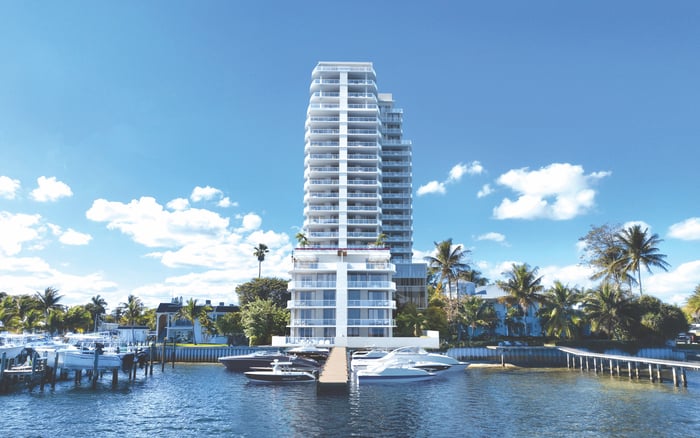
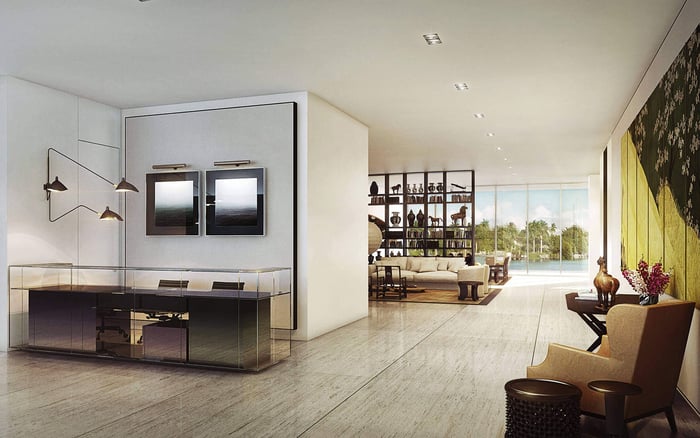
A buyer-focused comparison of South Flagler House in West Palm Beach and The Ritz-Carlton Residences® Miami Beach through the operational systems that shape waterfront ownership: marina movement, guest arrival, private circulation, and back-of-house flow.
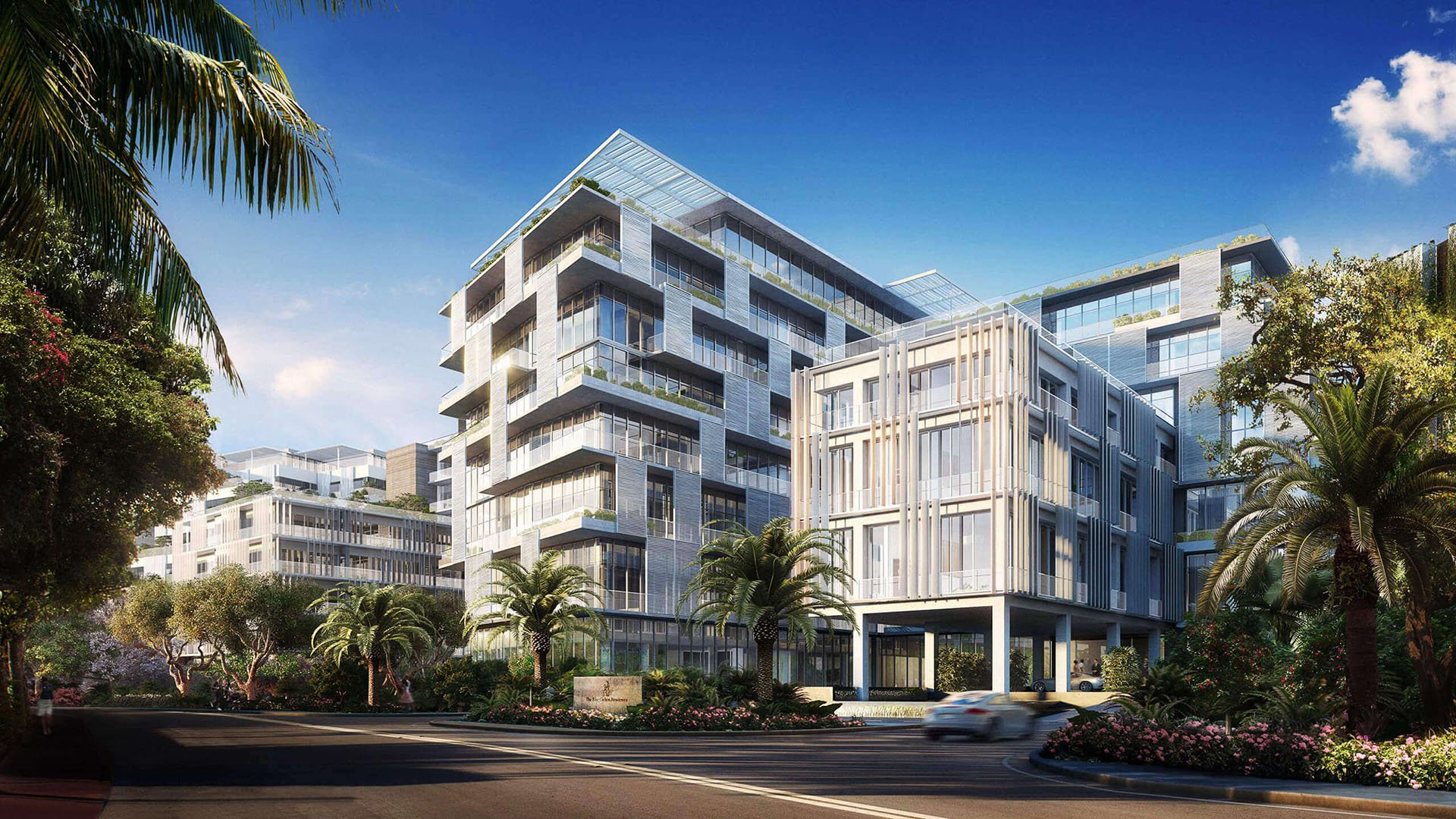
At the top of South Florida’s residential market, the most meaningful distinctions are not always found in the obvious places. Finishes, branding, view corridors, and amenity photography all matter. Yet for an owner living through high season, the deeper test is operational. How do people arrive? How do cars move? How do guests transition from curb to residence? How are staff, deliveries, maintenance, and marine activity separated from the private rhythm of the home?
That is the more useful lens for comparing South Flagler House in West Palm Beach with The Ritz-Carlton Residences® Miami Beach. Both occupy the upper tier of their respective waterfront submarkets, and both speak to buyers who already understand the value of address, architecture, and service. The practical question is not simply which one looks more compelling in a sales presentation. It is which one feels more graceful to own during the busiest weeks of the year.
For ultra-high-net-worth buyers, daily friction is the real luxury metric. Marina logistics, guest arrival choreography, private circulation, and back-of-house flow can determine whether a waterfront residence feels calm, discreet, and intuitive, or impressive yet operationally exposed.
South Flagler House belongs to the West Palm Beach waterfront conversation, where residential life follows a different cadence than Miami Beach. The decision is not only about geography. It is about how a household wants to use the property, host guests, manage staff, and move between land and water without daily complication.
West Palm Beach’s waterfront residential environment lends itself to composed formality. For many owners, that may mean a preference for calm arrival, controlled movement, and a clearer separation between private life and the visible theater of the waterfront. A buyer considering South Flagler House should therefore think beyond the residence itself and study how the property organizes the threshold between public approach, private entry, service operations, and water-side activity.
The Ritz-Carlton Residences® Miami Beach sits in a Miami Beach waterfront context, where the ownership experience can feel more connected to the energy, guest movement, and marine culture of the barrier island. That setting may appeal to buyers who want waterfront living with a more socially active, resort-informed rhythm. In broader West Palm Beach searches, buyers may also compare branded residences such as The Ritz-Carlton Residences® West Palm Beach, but this comparison remains focused on South Flagler House and The Ritz-Carlton Residences® Miami Beach.
For buyers weighing Miami Beach against West Palm Beach, the difference is not merely lifestyle branding. It is the difference between two ways of choreographing waterfront ownership.
A waterfront residence is only as convenient as its water-side movement. Marina logistics matter because the boat is not an accessory in this category. It can be central to how an owner entertains, travels locally, hosts family, and moves through South Florida in season.
The question is not simply whether a property is near the water or associated with marine access. It is how the water-side experience interacts with the private residential experience. Are boat-related movements likely to feel discreet or visible? Does the route from residence to water feel intuitive? Can guests transition from a marine arrival to a residential setting without disruption? How does the property balance leisure, security, staff support, and privacy?
For South Flagler House, the buyer should evaluate marina-related living through the lens of West Palm Beach’s waterfront residential calm. The desired outcome is likely a polished, controlled experience in which water access supports the residence without overwhelming its domestic atmosphere.
For The Ritz-Carlton Residences® Miami Beach, the same questions sit within a more Miami Beach-specific frame. Marine movement may be a more active part of the owner’s lifestyle, especially for those who expect frequent guest use, social outings, and water-centered weekends. In that case, the quality of the operating sequence becomes even more important.
Search shorthand often reduces the subject to access, but the ownership issue is subtler. The real value lies in how boat movement is absorbed into the life of the building.
Guest arrival is where a property reveals its personality. The first five minutes can tell an owner whether the building is ceremonial, residential, social, discreet, or overexposed. For buyers who host during season, arrival choreography directly affects privacy and ease.
At South Flagler House, the West Palm Beach setting invites a reading of arrival as residential theater with restraint. Buyers should focus on how guests approach, how formal the welcome feels, and whether the transition from car to private residence supports the quiet tone expected at this level. The objective is not spectacle for its own sake. It is composure.
At The Ritz-Carlton Residences® Miami Beach, arrival carries the added dimension of a branded residential environment within a Miami Beach waterfront setting. The brand expectation is service fluency, but the buyer’s due diligence should still be operational. Does the arrival sequence protect owner privacy when guests, staff, and vehicles converge? Does it feel effortless at peak times? Does it support both daily living and entertaining without forcing residents into the same visible patterns as visitors?
The best arrival experiences do not call attention to their complexity. They make movement feel inevitable. For an owner, that can mean fewer awkward handoffs, fewer visible bottlenecks, and a more elegant boundary between public hospitality and private home.
Back-of-house design is one of the least glamorous subjects in luxury real estate, yet it can be one of the most consequential. Staff circulation, deliveries, maintenance, and service movement can materially affect residential calm. When these systems are well planned, the owner rarely thinks about them. When they are not, the property’s polish can feel compromised.
In both South Flagler House and The Ritz-Carlton Residences® Miami Beach, the essential question is how service is separated from the owner’s daily path. That does not require making unsupported assumptions about specific corridors, loading areas, or service elevators. It requires recognizing that separation itself is a premium feature.
For seasonal owners, the stakes are higher. High season brings more guests, more cars, more deliveries, more household support, more marine activity, and more overlapping schedules. A residence that feels serene in a quiet week must still function when the household is fully activated.
This is where the distinction between visual luxury and operational luxury becomes clear. Marble, millwork, and water views shape desire. Back-of-house discipline shapes the lived experience.
South Flagler House may speak most strongly to the buyer who wants West Palm Beach waterfront living with an emphasis on residential composure. The decision will appeal to those who value calm arrival, discreet circulation, and a sense that the property’s operational systems support privacy before performance.
The Ritz-Carlton Residences® Miami Beach may appeal to the buyer who wants a Miami Beach waterfront address with a more socially fluid ownership pattern. For that buyer, the brand environment and waterfront setting are part of the attraction, but the core question remains how well the property manages the movement of people, cars, staff, and boats.
Neither choice should be reduced to a binary of quiet versus energy. The more precise distinction is how each property’s context influences the owner’s tolerance for visibility, activity, and logistical complexity. A buyer who entertains frequently from the water may prioritize marine flow and guest movement. A buyer who values retreat may place greater weight on service separation and private arrival.
The smartest purchase process treats the residence as a living system. Walk the arrival sequence in your mind. Imagine a dinner party, a family weekend, a captain coordinating a boat outing, a delivery arriving, and staff preparing the residence before guests appear. The building that handles those overlaps with the least friction is often the one that feels most luxurious over time.
What is the main difference between South Flagler House and The Ritz-Carlton Residences® Miami Beach? The key difference is not only location or branding, but how each property may manage cars, guests, staff, service, and water-side movement.
Why do marina logistics matter in a luxury waterfront residence? Marina logistics affect how naturally boating fits into daily ownership, guest use, privacy, and seasonal convenience.
Is South Flagler House best understood as a West Palm Beach waterfront residence? Yes. South Flagler House should be evaluated within the West Palm Beach waterfront environment and its more composed residential rhythm.
Is The Ritz-Carlton Residences® Miami Beach best understood as a Miami Beach waterfront residence? Yes. Its ownership experience should be considered in the context of Miami Beach waterfront living and the movement patterns that come with it.
How should Miami Beach buyers think about arrival flow? They should consider how guest, owner, and vehicle movement is choreographed during busy seasonal periods.
Why is West Palm Beach relevant to this comparison? It signals a different waterfront ownership cadence, where privacy, calm, and residential formality may carry special weight.
Does boat-slip access define the whole waterfront experience? No. Access matters, but the more important issue is how water-side movement integrates with privacy and service.
Why does back-of-house flow matter to UHNW buyers? It helps separate service, deliveries, staff activity, and maintenance from the owner’s private residential experience.
Are water views enough to decide between the two properties? No. Views create desire, but operational systems determine how graceful the residence feels in daily use.
Which property is better for seasonal ownership? The better fit depends on whether the owner prioritizes composed residential calm or a more active Miami Beach waterfront rhythm.
To compare the best-fit options with clarity, connect with MILLION.
If branded residences are on your mind — as a home or as an allocation — we would be glad to share what we are seeing, privately.
Begin a quiet conversation