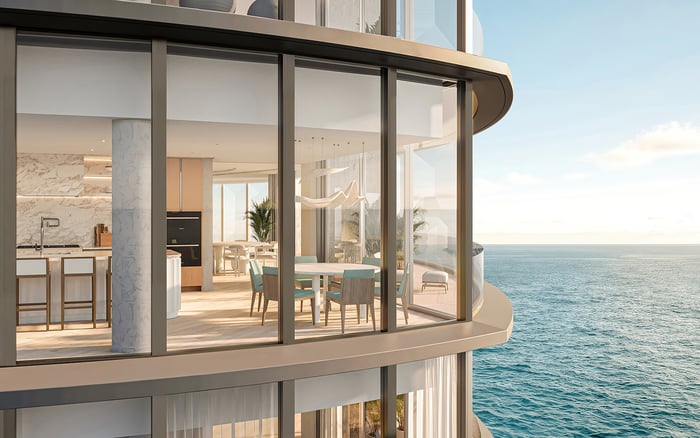
A practical 2026 framework for evaluating wellness amenities, operational quality, medical access, and long-term fit when purchasing a luxury residence in Bal Harbour.
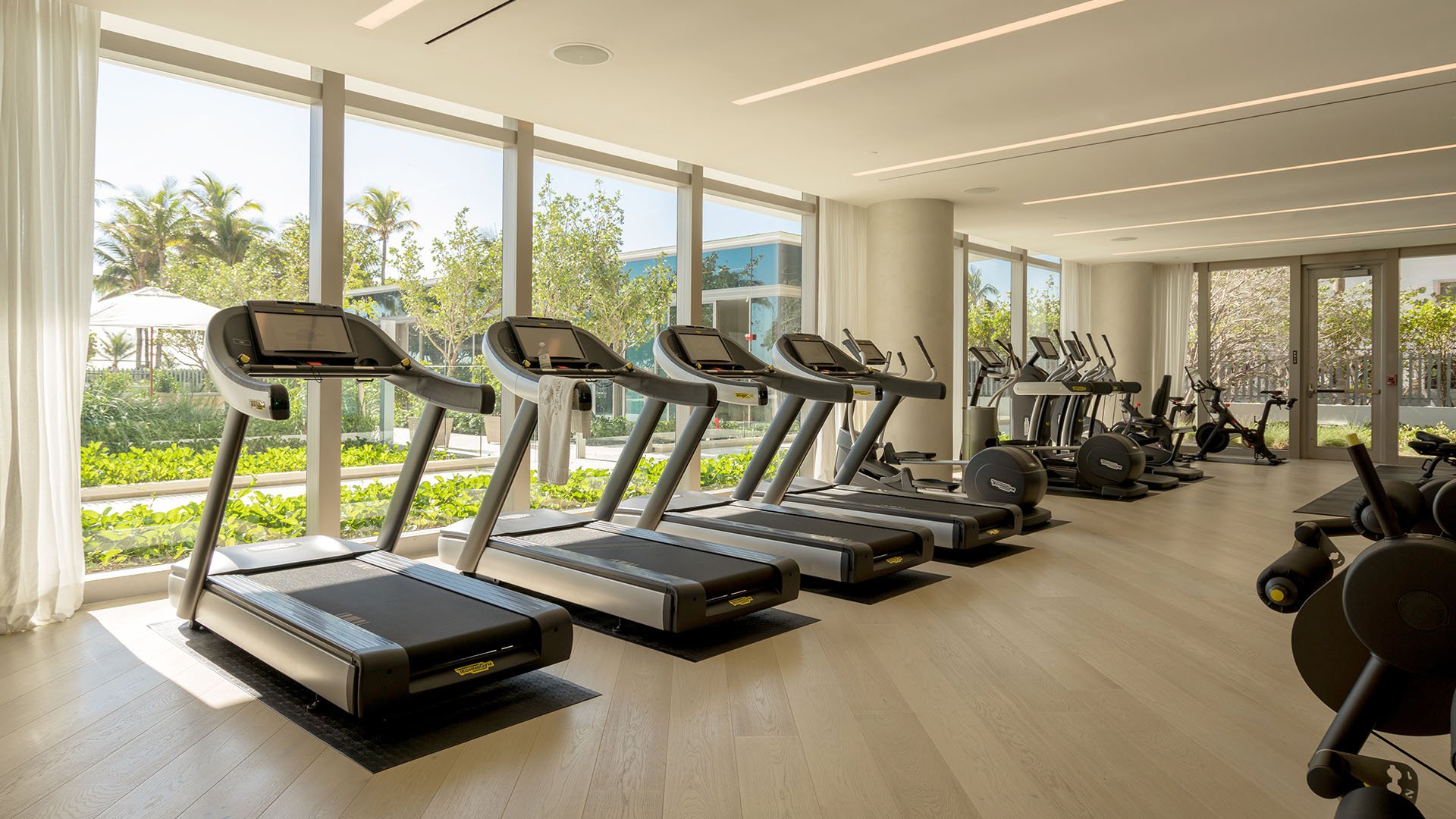
For a Bal Harbour buyer, wellness should be evaluated as an operating system, not a collection of photogenic rooms. A beautiful spa, pool, treatment suite, or fitness studio may shape a first impression, but the quality of ownership depends on access, staffing, privacy, maintenance, and how naturally each feature fits into daily life.
This buyer’s guide presents a disciplined 2026 framework for testing those qualities without allowing a long amenity menu to obscure the fundamentals. The objective is not to identify a universally superior residence, but to determine which property best supports the buyer’s routines, medical priorities, family needs, and preferred level of service.
Begin with the life the residence must accommodate. A primary-home buyer may prioritize convenient daily exercise, recovery, quiet spaces, and reliable support. A second-home buyer may care more about immediate usability upon arrival, straightforward reservations, guest access, and minimal coordination. The weighting changes again for households with children, older relatives, trainers, caregivers, or visiting medical professionals.
Divide desired features into three categories: essential, valuable, and decorative. Essential items might include accessibility, privacy, suitable fitness equipment, temperature-controlled recovery spaces, or dependable beach access. Valuable features enhance the lifestyle but are not decisive. Decorative features photograph well yet may have little bearing on actual use.
For every essential, define a practical test. If swimming matters, assess whether the pool configuration, access rules, and operating schedule suit the intended routine. If quiet recovery matters, visit the relevant spaces while the building is active and listen from adjoining corridors.
Examine each wellness space through five lenses: capacity, availability, service, upkeep, and cost. Ask how reservations work, whether residents compete for preferred periods, which guest restrictions apply, and which services carry separate charges. Determine whether trainers, therapists, or other outside professionals may enter and under what conditions.
The physical inspection should be equally exacting. Consider circulation, acoustics, ventilation, storage, changing areas, lighting, privacy, and the transition between the residence and each amenity. Observe whether the route feels discreet in exercise clothing or after a treatment. Small operational frictions often determine whether an amenity becomes part of the day or remains unused.
Request the documents governing use and payment. Review current rules, budgets, fee schedules, waivers, vendor arrangements, and any planned changes made available for the transaction. Clarify which elements are resident-only, shared, reservable, staffed, seasonal, or subject to alteration. Counsel and financial advisers can help translate those materials into ownership consequences.
Medical proximity is not a single distance. It is a chain encompassing departure from the residence, elevator availability, vehicle access, route reliability, arrival procedures, and the destination’s suitability for a specific need. A nearby address may not be the right destination for emergency care, a particular specialty, recurring treatment, or after-hours support.
Build separate plans for emergency, urgent, routine, and specialist care. Confirm preferred physicians and facilities directly, then test relevant drives at the times the household is most likely to travel. Include a second route and a backup destination. Buyers who rely on concierge medicine, home health support, mobility equipment, or prescription delivery should verify building access protocols before closing.
Inside the residence, inspect step-free movement, elevator dependence, bathroom layouts, doorway clearances, backup power provisions described in property documents, and the path from bedroom to vehicle. The point is not to predict a medical event, but to remove avoidable uncertainty.
A useful comparison set should include different building concepts rather than superficially similar amenity counts. Within Bal Harbour, buyers can place Oceana Bal Harbour and Rivage Bal Harbour into the same evaluation grid, asking identical questions of each sales or ownership representative.
The lens can then widen to nearby alternatives such as The Well Bay Harbor Islands and The Surf Club Four Seasons Surfside. These links are starting points for property-level inquiry, not substitutes for document review, physical inspection, and professional advice.
Score each candidate from one to five across daily usefulness, privacy, staffing, accessibility, medical routing, operating transparency, and anticipated carrying cost. Add notes rather than relying on totals alone. One nonnegotiable weakness should not disappear within a strong average.
Before negotiating, assemble a concise decision file containing the wellness brief, inspection notes, route tests, written answers, relevant governing documents, and unresolved questions. Distinguish confirmed rights from current practices and informal assurances. Where an amenity or access condition is material to the purchase, ask counsel how it should be addressed during diligence and in the transaction documents.
This approach protects more than convenience. It helps the buyer determine whether waterfront living, wellness programming, privacy, and medical access operate as a coherent whole. The best choice is the residence whose real-world systems remain persuasive after the presentation ends.
What is the first wellness question a Bal Harbour buyer should ask? Ask which amenities will be used weekly, then test their access, rules, privacy, and cost against that routine.
Should amenity count determine the best building? No. Daily usefulness, capacity, maintenance, staffing, and ease of access are more informative than quantity alone.
How should a buyer evaluate a fitness center? Inspect equipment suitability, spacing, ventilation, acoustics, operating hours, trainer policies, and peak-time demand.
What should be checked about spa or treatment rooms? Confirm reservations, staffing, service fees, guest access, vendor rules, cleaning practices, and privacy between spaces.
How can medical proximity be measured responsibly? Test door-to-door travel for specific care needs at relevant times, with alternate routes and backup destinations.
Does a short drive guarantee convenient medical access? No. Elevator time, vehicle retrieval, traffic conditions, arrival procedures, and specialty availability all matter.
Which documents are important for amenity diligence? Review applicable rules, budgets, fee schedules, waivers, vendor terms, and disclosed plans with qualified advisers.
How should accessibility be assessed? Trace the complete path from the residence to the amenity, lobby, vehicle, and exit while considering the household’s needs.
Can buyers rely on verbal descriptions of future service? Material expectations should be checked against available written documents and reviewed with the appropriate adviser.
What makes a strong final comparison? Use one weighted scorecard for every candidate, while treating nonnegotiable failures separately from the total score.
To compare the best-fit options with clarity, connect with MILLION.
If branded residences are on your mind — as a home or as an allocation — we would be glad to share what we are seeing, privately.
Begin a quiet conversation