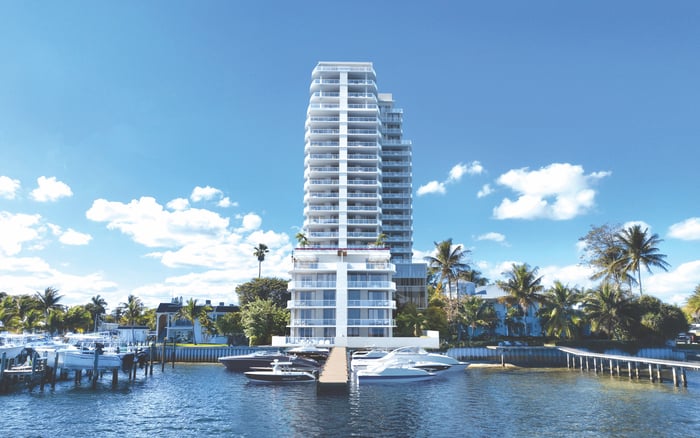
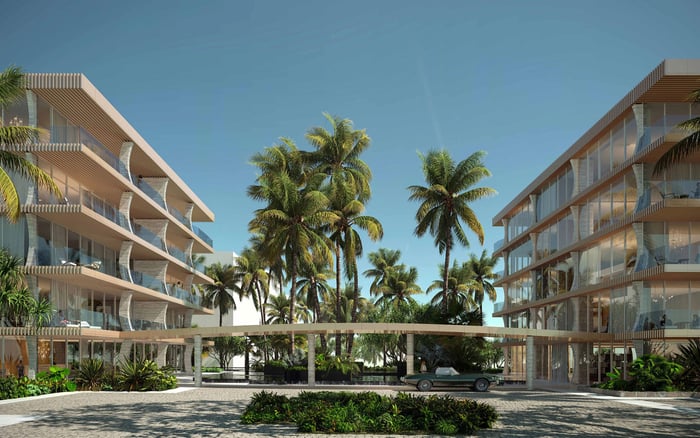
For yacht owners considering The Berkeley Palm Beach, the decisive questions extend well beyond a waterfront outlook. Legal access, route geometry, berth suitability, hurricane readiness, insurance approval, and a discreet dock-to-door arrival should all be resolved before contractual deadlines.
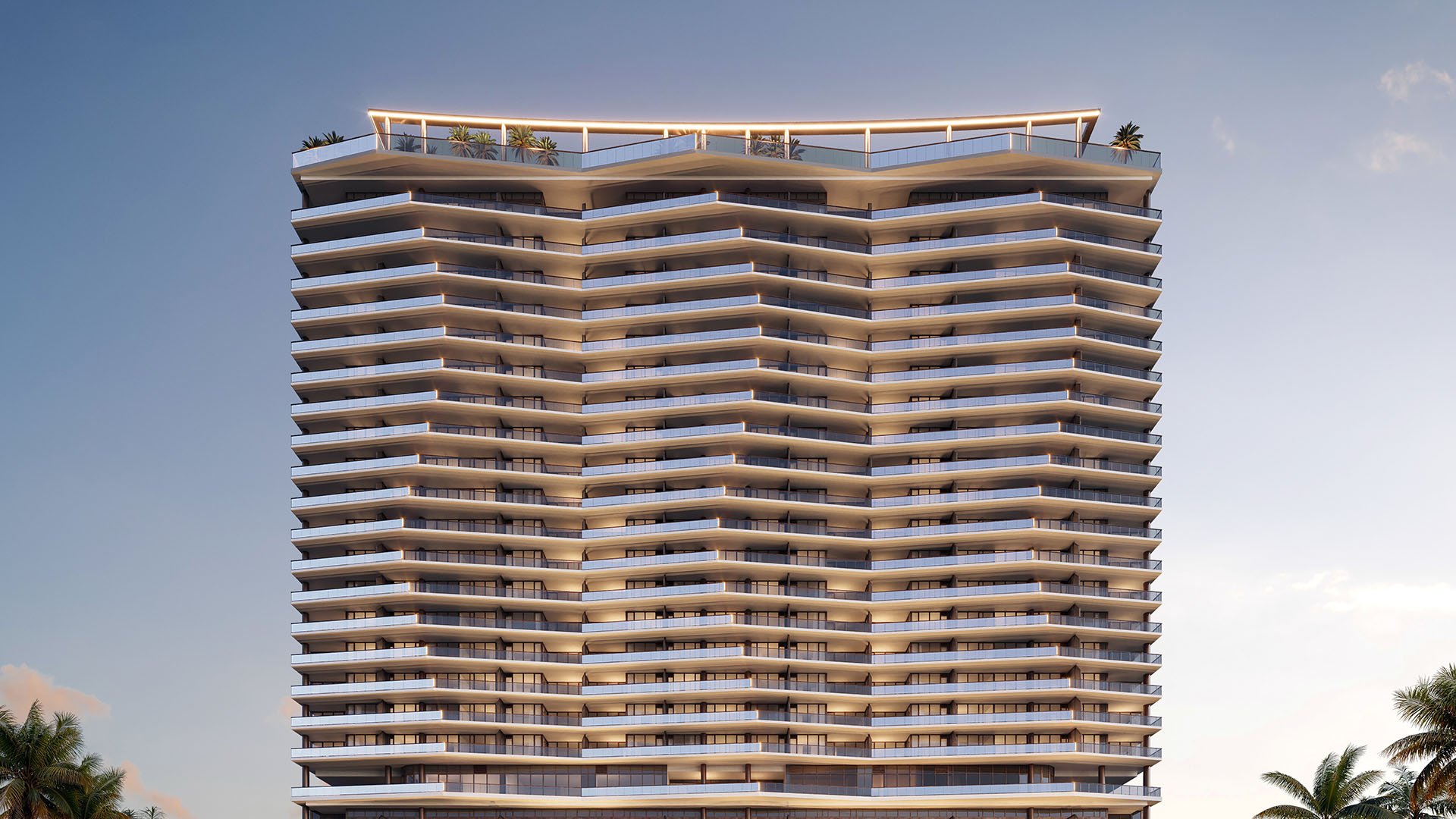
For a yacht owner considering The Berkeley Palm Beach, the first inquiry is deceptively simple: Does the property’s relationship to the water provide physical access, or principally views and proximity? Waterfront language alone does not establish a deeded dock, private slip, shared pier, or legal right to moor a vessel.
That distinction can materially reshape the ownership experience. A residence may fulfill the aesthetic and geographic ambitions of Palm Beach life while requiring a separate marina arrangement elsewhere. Buyers should therefore treat residential and marine diligence as parallel workstreams, each with its own documents, specialists, deadlines, and practical tests.
The same discipline applies when comparing nearby West Palm Beach options such as Alba West Palm Beach. Lifestyle value should be separated from actual vessel access, then measured against the owner’s preferred operating pattern.
Any claimed pier, slip, or shared marina access should be traced through recorded easements, riparian rights, association documents, permits, and the purchase contract. The buyer’s counsel should determine precisely what is being acquired and whether that interest transfers with the residence.
The structure matters. A right may be deeded, leased, assigned, or tied to a membership. Each model carries distinct renewal, transfer, approval, and continuity considerations. Verbal assurances or attractive renderings should never substitute for documents that identify the user, location, duration, and restrictions.
Association counsel should also examine who controls access, maintenance, repairs, utilities, insurance, and operating rules. For boat-slip diligence, the central question is not merely whether a berth appears available today, but whether the buyer will retain an enforceable, usable right after closing.
Nominal vessel length is an inadequate planning measure. The captain and marine surveyor should test length overall, beam, draft, and air draft against the proposed berth and every constrained point between it and the preferred ocean inlet.
Bridge review must be route-specific. Obtain current clearance and opening information for the intended passage, then determine whether operating schedules, seasonal traffic, or required openings align with the owner’s departure expectations. No generalized clearance assumption can replace a vessel-specific route plan.
Depth demands the same precision. Commission a current assessment covering mean-low-water conditions, shoaling, channel access, and under-keel clearance at the berth and along the approach. A route that works at one tide or load condition may not support the yacht throughout its intended operating profile.
Buyers considering residences along the broader corridor, including Forté on Flagler West Palm Beach, can apply one consistent rule: Evaluate the home’s location and the yacht’s navigational reality separately, then confirm that the two function together.
A slip that fits on paper may still prove unsuitable in practice. Review wake exposure, passing traffic, shoreline configuration, piling strength, utility capacity, and boarding conditions. The inspection should account for routine provisioning, guest embarkation, crew access, nighttime arrivals, and safe movement between vessel and shore.
The yacht’s captain should participate early, as operational details often expose limitations that are not visible during a residential tour. Fenders, lines, gangway geometry, service access, and utility connections all determine whether a berth supports regular use with appropriate comfort and safety.
If practical dockage is unavailable at the residence, secure an external marina arrangement before closing. Confirm actual availability, vessel-size limits, waitlists, assignment rules, and transfer provisions in writing. Proximity alone is insufficient if the slip cannot accommodate the yacht or follow the owner through a transaction.
A South Florida yacht strategy is incomplete without a written hurricane plan. It should identify relocation triggers, haul-out or storm-berth options, responsible crew, contractors, decision authority, and firm deadlines. The plan must remain executable when demand for marine services is elevated and the owner is away.
Insurance review belongs at the center of this process. Confirm that the yacht insurer accepts both the intended berth and the proposed storm plan, including any named-storm relocation or haul-out obligations. A convenient everyday berth can become impractical if it conflicts with policy requirements or cannot support the required response timeline.
This review should occur before contractual protections expire. Association counsel, the captain, a marine surveyor, and the insurer each assess a different layer of risk. Their conclusions should be reconciled into a single ownership plan rather than held as separate opinions.
Privacy does not end at the marina gate. Map the entire arrival sequence, including public sightlines, access controls, vehicle staging, service entrances, cameras, and guest-handling procedures. The objective is to understand who can observe, enter, wait, assist, or record at every point between the yacht and the residence.
Test the route at the times it will actually be used. Crew changes, luggage transfers, provisioning, drivers, and guests can create exposure even when the principal arrival feels discreet. Responsibility for each handoff should be clear, particularly when marina personnel and residential staff operate under separate protocols.
For a second-home owner, the system must also function without constant personal supervision. Buyers weighing The Ritz-Carlton Residences® West Palm Beach or other alternatives should compare the full dock-to-door sequence, not simply the distance between water and lobby.
The strongest acquisition file connects four conclusions: The buyer possesses a valid access right, the yacht can safely travel and berth, the storm plan satisfies operational and insurance requirements, and the arrival sequence meets the owner’s privacy standard. If any element remains conditional, the residential decision is not yet fully informed.
The practical course is to complete legal review, route testing, depth work, berth inspection, external slip arrangements if needed, insurer approval, and privacy auditing before the relevant deadlines. Precision at this stage protects the spontaneity yacht ownership is meant to provide.
Does waterfront positioning guarantee a private dock at The Berkeley Palm Beach? No. Confirm whether the relationship to the water includes physical access or is limited to views and proximity.
What documents should counsel review for claimed dockage? Review recorded easements, riparian rights, association documents, permits, and the purchase contract.
Can marina rights transfer automatically with a residence? Do not assume so. Verify whether the rights are deeded, leased, assigned, or membership-based, and whether transfer is permitted.
Which yacht dimensions should be tested? Test length overall, beam, draft, and air draft against the slip, approach, bridges, and complete route.
How should bridge clearance be evaluated? Obtain current, route-specific clearance and opening information between the intended berth and preferred ocean inlet.
Why is a current depth assessment necessary? It should evaluate mean-low-water conditions, shoaling, channel access, and under-keel clearance for the specific yacht.
What physical conditions matter at a prospective berth? Examine wake exposure, passing traffic, shoreline configuration, piling strength, utilities, and safe boarding conditions.
What if the residence lacks practical dockage? Secure an external arrangement and confirm availability, size limits, waitlists, assignment terms, and transfer rules before closing.
What belongs in a written hurricane plan? Include relocation triggers, haul-out or storm-berth options, responsible crew, contractors, authority, and deadlines.
How should arrival privacy be tested? Audit sightlines, access controls, vehicle staging, service entrances, cameras, staffing, and guest handling from dock to door.
To compare the best-fit options with clarity, connect with MILLION.
If branded residences are on your mind — as a home or as an allocation — we would be glad to share what we are seeing, privately.
Begin a quiet conversation