A discreet due-diligence framework for Bal Harbour buyers assessing booster-pump redundancy, maintenance records, permitting, and the procedures that protect an unattended upper-floor residence.
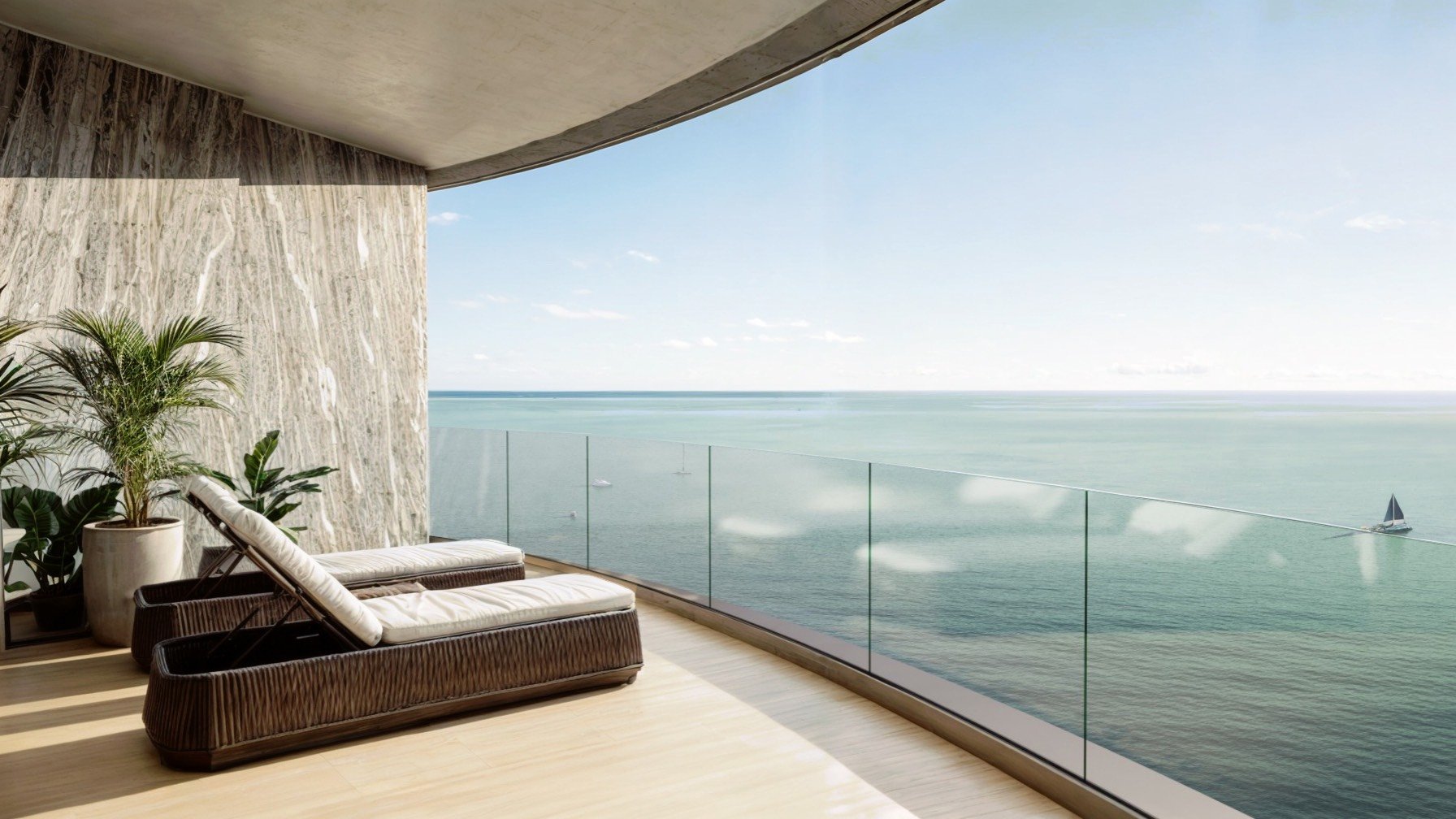
A lock-and-leave residence warrants as much scrutiny behind the walls as across the terrace. For a Bal Harbour buyer, water delivery belongs in that assessment: not merely whether a shower performs during a showing, but how the building maintains service, handles interruptions, and communicates when the owner is elsewhere.
A rigorous audit separates three questions. What is the system designed to do? What evidence shows it is maintained? What happens when normal operation changes? A polished management presentation is useful, but equipment documentation, service records, and written procedures offer a firmer basis for a purchase decision.
When considering Oceana Bal Harbour, use those questions to frame a building-specific document request-not to assume particular capabilities. The same discipline applies throughout the market. Project identity alone establishes neither pump redundancy nor emergency-power coverage.
Begin with a system description from management or its qualified service contractor. Ask how many pumps serve the residence's pressure zone, how they operate together, and what happens if one becomes unavailable. Request an explanation of any duty/standby or lead/lag arrangement, including whether another pump starts automatically or requires intervention.
Multiple pumps do not, by themselves, establish full redundancy. The decisive question is whether the remaining equipment can maintain the building's documented service requirements under the conditions being evaluated. Ask qualified personnel to explain how controls, electrical supply, and shared components affect that assessment.
Then trace the failure signal. Who receives an alarm, who acknowledges it after hours, and who has authority to call the contractor? Ask whether those steps are documented and whether management can provide records of relevant tests or actual responses.
Emergency power requires a separate inquiry. Request confirmation that booster pumps and their necessary controls are connected to a generator, with supporting documentation. A building generator does not, on its own, establish water-system coverage.
A useful service file should explain more than the latest visit. Request equipment specifications, operating set points, commissioning records, preventive-maintenance logs, repair invoices, and failure history. Ask management to connect recurring issues to the corrective work undertaken and identify any outstanding recommendations.
For a buyer evaluating Rivage Bal Harbour, request documentation relevant to the system and stage of delivery under consideration. Planned equipment, commissioning evidence, and an established operating history are not interchangeable forms of reassurance.
Read dates and scope together. A maintenance entry should identify what was examined or serviced; a repair invoice should help explain what failed and what changed. For unresolved items, ask who is responsible, what action is proposed, and how the owner will be notified when the matter is closed.
Finally, clarify contractor response commitments: after-hours availability, escalation arrangements, and whether any stated response time is documented or merely an informal expectation.
In Bal Harbour, the Building Department handles permit issuance, Florida Building Code plan review, and inspections. Plumbing and electrical work require separate permits. For relevant pump, control, or power modifications, request the applicable permits and evidence of their finalized status.
The public permit portal supports application-status tracking, access to plan-reviewer comments, and online inspection scheduling. Once a building permit is issued, its permit card lists the required inspections. These records can help a buyer's adviser reconcile the stated scope of work with inspection requirements and documented completion.
Inspections check work against approved plans and applicable building codes. Present-day operating condition is a separate question. Pair the permitting file with current maintenance evidence and a qualified assessment; neither substitutes for the other.
Have the buyer's professional team reconcile unexplained differences among equipment descriptions, invoices, and permitted work. The goal is a coherent record-not an assumption that every service visit required a permit.
A brief fixture check is not an engineering assessment. Ask qualified personnel to evaluate static and flowing pressure, simultaneous fixture demand, recovery time, pump cycling, vibration, water hammer, and hot-water consistency against the building's documented design. Leave system adjustments and technical testing to authorized professionals.
During reduced-pressure conditions, building maintenance staff should verify booster-pump operation to support consistent flow to upper floors. Close pressure monitoring, potentially including additional pressure recorders, can help assess those conditions. Temporary system adjustments may also be appropriate when undertaken by qualified personnel.
These are pressure-management considerations, not evidence of an ongoing Bal Harbour outage. Nor do they establish the performance of any particular condominium.
For a search extending into Surfside, including Fendi Château Residences Surfside, retain the same questions but request the property's own design and service documentation. Do not assume that Bal Harbour's permitting procedures govern a property in another jurisdiction.
Request a written procedure that distinguishes municipal-pressure loss, booster-pump failure, electrical failure, leaks, planned shutdowns, and contamination advisories. Each scenario should identify who assesses the problem, who authorizes action, and how residents receive instructions.
For upper-floor residences, ask how management determines the extent of an interruption and tracks restoration. Clarify whether communications distinguish reduced flow from complete loss of service, and who confirms that normal operation has returned. For a complete water-service interruption, the county water-service emergency contact is 305-274-9272.
Planned shutdowns warrant a separate review: request the notification process, expected updates, access arrangements, and post-restoration checks. Contamination advisories should likewise have a distinct communication pathway. Ask how applicable instructions reach absent owners and their authorized representatives.
A buyer considering The Surf Club Four Seasons Surfside should make the same operational inquiry without assuming that a service identity guarantees a particular interruption protocol. Obtain the actual procedure and the responsible contacts.
An away-owner plan should identify a primary management contact, an after-hours escalation contact, and an authorized local representative. Confirm how unit access is approved, where permissions are recorded, and what happens if the owner cannot be reached.
Agree on notifications and post-restoration checks before departure. Ask who will verify conditions in the residence when access is appropriate, how findings will be documented, and who closes the incident with the owner. Do not leave access authority or follow-up responsibility to an informal understanding.
The final audit should bring together the system description, maintenance file, relevant finalized permits, qualified performance assessment, and interruption procedure. These are due-diligence recommendations, not Village-mandated owner requirements. A credible lock-and-leave decision rests on specific evidence and clear accountability-not a blanket promise of uninterrupted service.
For a considered approach to Bal Harbour ownership, explore residential opportunities with MILLION.
If branded residences are on your mind — as a home or as an allocation — we would be glad to share what we are seeing, privately.
Begin a quiet conversationReview the system design, pump redundancy, maintenance history, relevant permits, and written interruption procedures. Confirm who acts and communicates when the owner is away.
No. Ask qualified personnel to explain failover, remaining capacity, controls, and electrical supply against the building's documented service requirements.
Request documented confirmation that the booster pumps and necessary controls are connected to emergency power. A building generator alone does not establish that coverage.
Request equipment specifications, operating set points, commissioning records, maintenance logs, repair invoices, and failure history. Ask management to identify unresolved recommendations.
Relevant permits and inspection records help connect modifications with approved work and documented completion. They should be reviewed alongside current maintenance and performance evidence.
The portal supports permit-application status tracking and access to plan-reviewer comments. It also supports online inspection scheduling.
Have qualified personnel evaluate pressure, simultaneous fixture demand, recovery time, pump cycling, and related performance against the documented design. A brief fixture check is not a substitute for that assessment.
Request separate procedures for municipal-pressure loss, pump failure, electrical failure, leaks, planned shutdowns, and contamination advisories. Each should identify responsible contacts and resident communications.
The county water-service emergency contact is 305-274-9272. Keep building management's after-hours contacts in the away-owner plan as well.
Confirm authorized unit access, escalation contacts, contractor response commitments, and notification procedures. Establish who performs appropriate post-restoration checks and reports the findings.