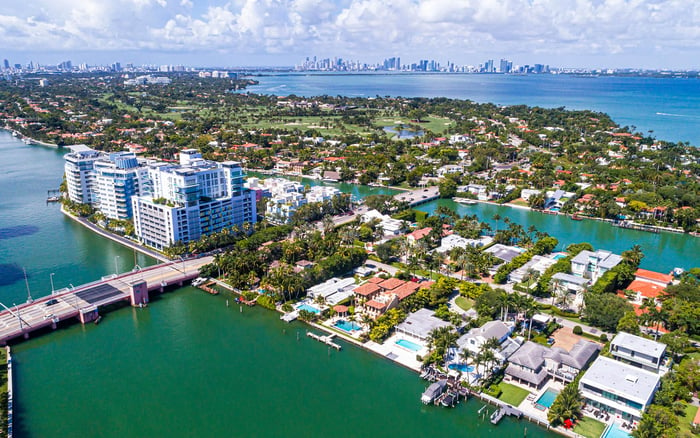
A discreet buyer’s framework for examining master insurance, storm deductibles, flood protection, reserve strength, and layered assessment exposure at Six Fisher Island.
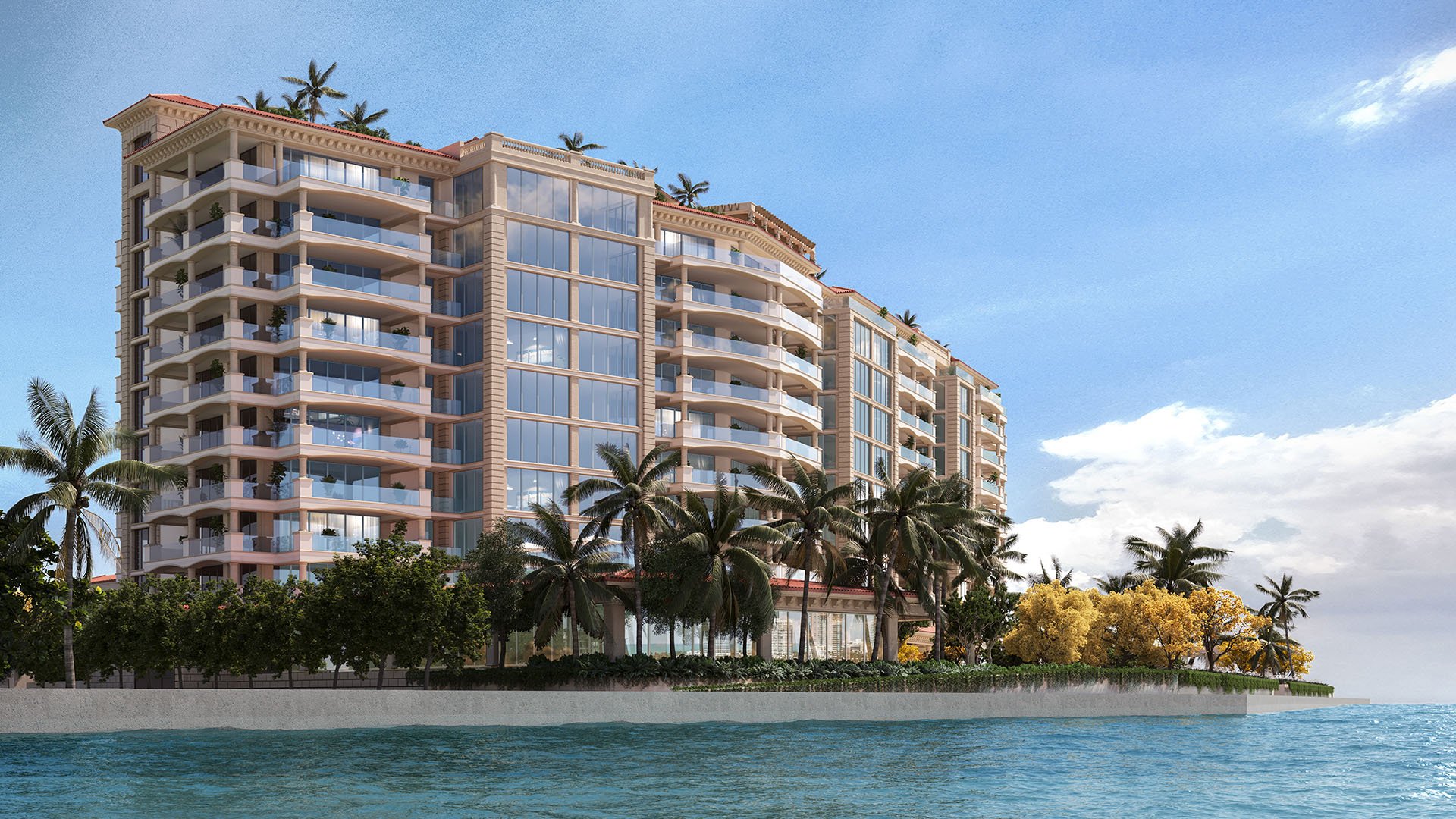
At The Residences at Six Fisher Island, architecture, design, luxury finishes, and private-island discretion define the proposition. Yet an acquisition at the top of Miami’s residential market also demands an exacting review of insurance and reserves. The central question is not simply whether coverage exists, but how policies, deductibles, exclusions, reserves, and assessment powers interact when a loss occurs.
Fisher Island lies off the southern tip of Miami Beach, exposed to Biscayne Bay and, in parts, more open Atlantic-oriented waters. There is no conventional road connection to the mainland. Ferry service is a primary means of access, with private boat, helicopter, and seaplane access providing alternatives. These characteristics create a distinctive ownership experience-and make operational continuity a relevant diligence concern.
This is not a conclusion about the association’s current coverage or financial strength. No judgment should be made before reviewing the actual policies, deductible provisions, flood limits, replacement-cost appraisal, reserve study, budget, claims history, and governing documents.
Begin with the full master-policy schedule, not a summary certificate. Counsel and an insurance adviser should identify every carrier, policy period, limit, sublimit, exclusion, retention, deductible, valuation basis, and covered property category. The review should distinguish building coverage from coverage for interiors, improvements, furnishings, valuables, liability, loss assessment, and temporary living costs.
Wind coverage warrants a separate analysis. Determine whether a named-storm, hurricane, or wind deductible applies; how it is calculated; whether it attaches per occurrence; and which party ultimately bears it. A percentage deductible can produce a materially different result from a fixed-dollar amount. The documents should also establish whether deductible costs may be charged to all owners, allocated to affected units, funded from reserves, or addressed through a special assessment.
New-construction status is no substitute for documentary review. Confirm that insured values align with the property the association will actually maintain. Determine whether the replacement-cost analysis captures high-end common finishes, specialty systems, site elements, and waterfront components within the association’s responsibility.
A sophisticated review does not treat hurricane exposure as a single, undivided risk. Wind-driven damage, storm surge, rising water, rain intrusion, mechanical failure, and interrupted access may fall under different policies or exclusions. Request the complete flood tower, including primary and excess layers, and examine its limits, deductibles, definitions, sublimits, and covered locations.
The waterfront setting is part of the appeal, but waterfront ownership requires precision about what the master program does-and does not-insure. Buyers should examine the treatment of below-grade areas, landscaping, docks or marine elements, utility infrastructure, and temporary protective measures, without assuming that any item is covered absent supporting policy language.
Buyers considering Palazzo del Sol or Palazzo della Luna should apply the same document-led discipline rather than infer equivalent terms from a shared Fisher Island address. Each condominium’s contracts, responsibilities, claims experience, and financial arrangements require an independent reading.
The decisive diligence exercise is to trace a hypothetical loss from event to final payment. Model several scenarios: a covered wind loss, flood damage, a loss falling below a deductible, and damage subject to an exclusion or sublimit. For each, identify the paying policy, association obligation, available reserve category, allocation method, and owner exposure.
This analysis must extend beyond the condominium association. Island-wide or master governance may create separate liabilities, budgets, insurance arrangements, and assessment authority. Request documents at every applicable level and determine whether obligations overlap. The private-island setting makes this layered review especially important because access and shared infrastructure can influence the practical consequences of an event.
A buyer also needs a unit-owner policy designed around the master program. It should coordinate coverage for personal property, interior improvements, liability, additional living expenses, water backup where applicable, and loss-assessment exposure. Coverage should be bound only after the adviser has reviewed the association documents and the residence’s intended use.
Reserve diligence asks whether the financial plan can absorb predictable capital work while preserving flexibility for uninsured or underinsured events. Obtain the current reserve study, budget, reserve balances, funding assumptions, planned projects, recent claims history, and records of existing or contemplated special assessments. Compare the components reserved for against the association’s actual maintenance obligations.
Investment analysis should include stress testing rather than rely on a single reserve balance. Consider how a large deductible, excluded loss, emergency repair, insurance premium increase, or simultaneous capital project could affect liquidity. These are scenarios, not verified conditions at Six Fisher Island, and should be evaluated through primary documents.
Prospective owners comparing a condominium purchase with The Links Estates at Fisher Island should not assume that governance, maintenance, and insurance responsibilities are interchangeable across property types. The correct framework follows legal responsibility, not visual proximity.
Before the contingency period expires, the buyer’s team should produce a concise written matrix covering insured property, limits, deductibles, flood layers, exclusions, reserve resources, claims, assessment powers, and personal-policy gaps. Counsel should reconcile the matrix with the declaration, bylaws, rules, purchase contract, and any master-association documents.
The result should answer three practical questions: What is insured? Who pays the uncovered portion? How quickly could funds be called from owners? At this level of the market, clarity is a form of luxury. It protects both the residence and the discretion with which it is meant to be enjoyed.
What insurance document should a buyer request first? Request the complete master-policy schedule and full policy forms, then reconcile them with the governing documents.
Why is a wind deductible important? Its calculation and allocation can materially shape owner exposure after a named storm or hurricane.
Does the association’s policy cover the residence interior? That depends on the policy and declaration. Interiors, improvements, furnishings, and valuables must therefore be reviewed separately.
Is flood coverage the same as wind coverage? No. Rising water, surge, rain intrusion, and wind damage may trigger different coverage terms or exclusions.
What should be examined in the flood program? Review primary and excess layers, limits, deductibles, covered locations, definitions, exclusions, and sublimits.
Why review more than one association? Condominium and island-wide governance may impose separate insurance, maintenance, reserve, or assessment obligations.
What does reserve diligence include? Examine the reserve study, balances, funding assumptions, budget, planned work, claims history, and assessments.
Can strong reserves eliminate assessment risk? No. Deductibles, exclusions, emergency repairs, premium changes, or overlapping projects may still create exposure.
What should a personal policy address? It should coordinate interiors, personal property, liability, living expenses, and loss-assessment protection with the master program.
Who should review the documents? The buyer should engage Florida counsel and an insurance adviser experienced in high-value condominium ownership.
For a tailored shortlist and next-step guidance, connect with MILLION.
If branded residences are on your mind — as a home or as an allocation — we would be glad to share what we are seeing, privately.
Begin a quiet conversation