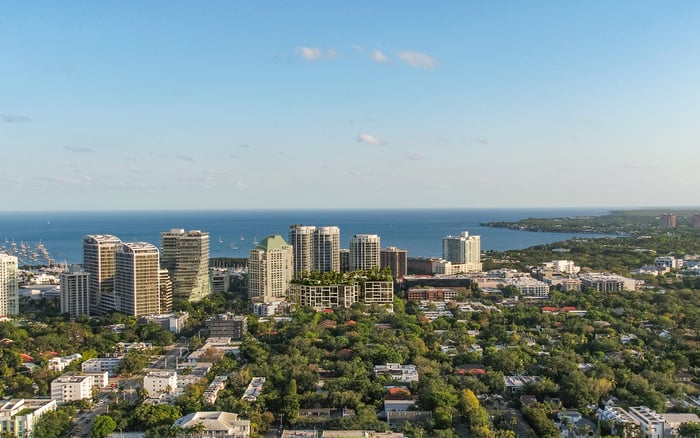
A disciplined framework for evaluating penthouse terraces, roof interfaces, storm exposure, governing documents, and long-term maintenance at The Well Coconut Grove.
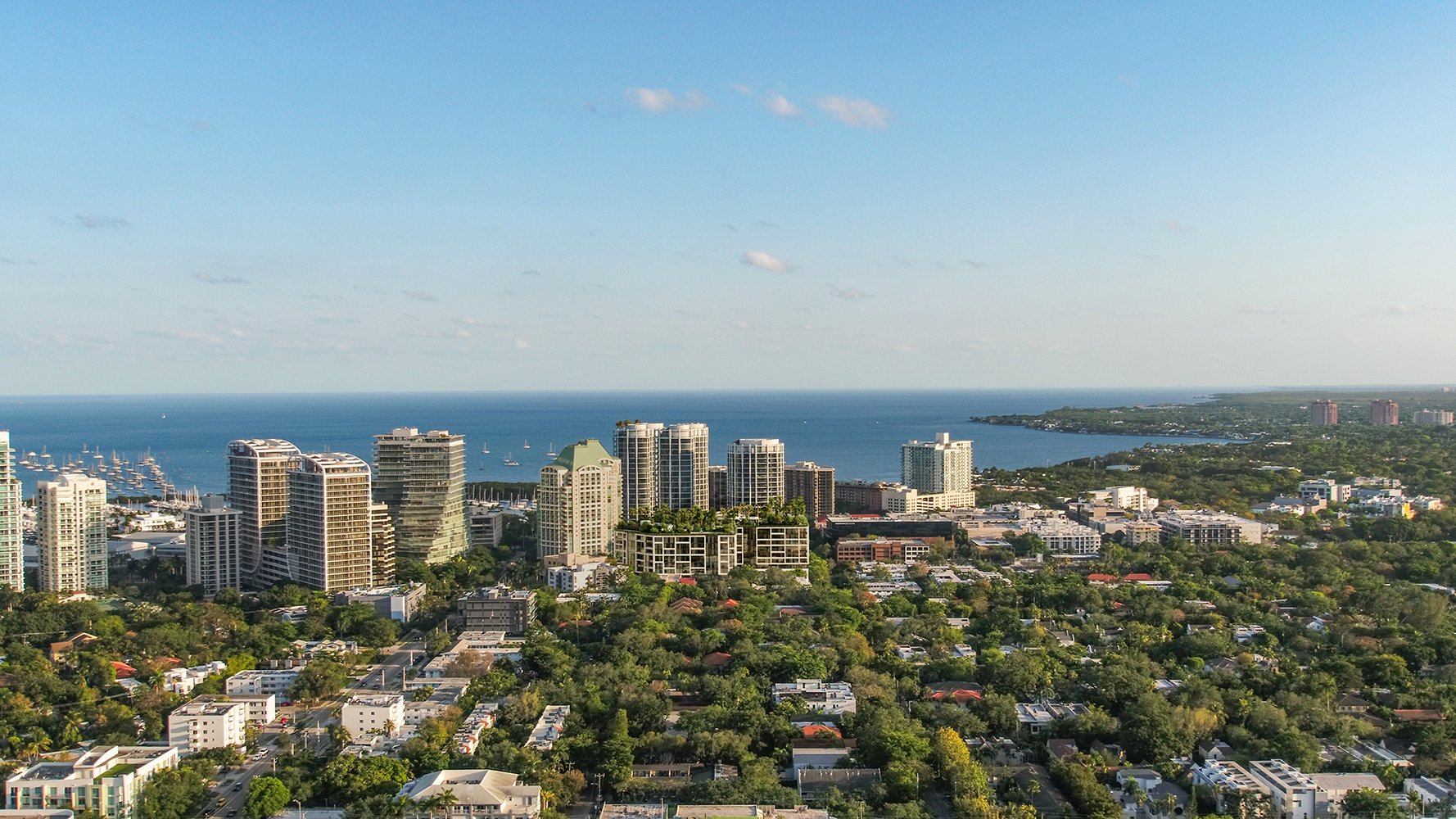
At The Well Coconut Grove, a penthouse buyer should look beyond lifestyle, design, and private space. The residence should also be evaluated as a collection of exposed building systems operating within Coconut Grove’s South Florida coastal environment.
That distinction matters most at the roofline. A terrace, balcony, parapet, exterior door, planter, drain, railing attachment, or nearby mechanical installation can become an interface between private enjoyment and shared infrastructure. Due diligence should establish how each element is built, who controls and maintains it, and how repair costs are allocated.
This is not simply an inspection exercise. It is an investment review encompassing design documents, legal boundaries, warranties, insurance obligations, reserve assumptions, alteration rules, and operating procedures.
A large private terrace should be examined as an assembly, not merely as a finished outdoor room. Buyers and their consultants should review the slab, slope, waterproofing membrane, drainage path, door thresholds, railings, planters, sealants, finishes, and connections to the façade.
The practical questions are direct: Does water move efficiently toward the drains? Are there low areas with visible ponding? Where does the membrane terminate? How are railing posts, utilities, landscape lines, and other penetrations sealed? Can concealed components be accessed without extensive demolition?
An independent inspection should focus on slopes, drain locations, threshold heights, sealant conditions, membrane terminations, façade interfaces, and any visible evidence of leakage. Construction drawings, waterproofing specifications, inspection records, product approvals, and warranties can provide essential context, but field conditions should still be evaluated.
Buyers comparing the Grove’s upper-tier residences, including Park Grove Coconut Grove and Four Seasons Residences Coconut Grove, can apply the same discipline: the quality of outdoor space depends as much on detailing and responsibility as it does on scale or outlook.
A penthouse purchaser should determine precisely which roofing or waterproofing assembly lies above or adjacent to the home. The roof may include drains, utilities, mechanical equipment, railings, landscape systems, or other penetrations. Each interface warrants scrutiny because failed detailing or maintenance can create a path for water intrusion.
Request the relevant roof plans, sections, waterproofing details, specifications, warranties, inspection history, and access procedures. Then establish who may inspect concealed systems and who pays for investigation, repair, finish restoration, and eventual replacement.
The governing documents must align with the physical design. A component may serve one residence while remaining a common element or limited common element. Conversely, a visually integrated terrace feature may carry an individual maintenance obligation. Appearance alone is not a sufficient basis for assumptions.
Rooftop or terrace planting adds another layer of review. Irrigation leakage, root intrusion, retained moisture, blocked drainage, and added structural loading should all be considered. Buyers should ask how planters are isolated from waterproofing, where irrigation lines run, how overflow is managed, and what access is available for maintenance.
Any outdoor kitchen, pergola, shade structure, pool, or water feature shown in current plans should be verified rather than presumed. Confirm structural support, waterproofing details, approved attachment methods, drainage, utilities, alteration approvals, and maintenance allocation. The same framework applies when considering other Grove offerings, such as Vita at Grove Isle, although each building’s documents and assemblies must be reviewed independently.
Hurricane due diligence should extend beyond the windows. Review glazing, exterior doors, railings, rooftop equipment, terrace fixtures, planters, grills, furnishings, and accessories exposed to high winds and wind-driven rain. Qualified professionals should evaluate product approvals and applicable documentation rather than infer performance from marketing descriptions.
The operating protocol matters, too. Ask which objects must be removed or secured before a named storm, where they may be stored, who performs the work, how much notice is expected, and who bears responsibility. A substantial outdoor furnishing plan can create a meaningful logistical burden when storm procedures are unclear.
The condominium declaration, maintenance matrix, warranties, insurance requirements, reserve assumptions, alteration restrictions, and potential assessment exposure should be read together. The objective is a component-by-component map identifying whether the unit owner or association is responsible for inspection, routine care, repair, replacement, and damage to adjacent finishes.
Pay particular attention to roof systems, façade interfaces, waterproofing, drains, landscaping, pools, and private outdoor amenities. Long-term ownership costs may depend heavily on whether those elements are funded individually or collectively. Legal counsel and engineering advisers should resolve inconsistencies before the buyer relies on any allocation.
A sophisticated review should produce written answers, not informal assurances. Confirm ownership boundaries for slabs, membranes, drains, railings, planters, and finishes. Match warranties to the responsible party, identify notice requirements, and verify whether unauthorized alterations could impair coverage.
Clarify access rights as well. If the association must enter the residence or terrace to reach a roof assembly, buyers should understand the procedure and restoration obligation. If the owner must provide access through finished interiors, that practical detail belongs in the ownership-cost analysis.
Why does penthouse due diligence differ from a typical condominium review? A penthouse may have greater exposure to roof, terrace, wind, drainage, and façade interfaces, making a building-system review especially important.
Who may be responsible for the terrace membrane? Responsibility depends on the declaration and maintenance matrix, including whether the membrane is unit-owned, common, or a limited common element.
What terrace conditions should an inspector examine? The review should cover slopes, drains, thresholds, sealants, membrane terminations, façade interfaces, ponding, and visible leakage.
Why are roof penetrations important? Drains, utilities, equipment, railings, and landscape systems create interfaces that should be checked for potential water intrusion.
How should terrace greenery be evaluated? Review irrigation leakage, root intrusion, retained moisture, drainage performance, structural load, and maintenance access.
What should buyers verify about an outdoor kitchen or pergola? Confirm structural support, waterproofing, approved attachments, utilities, alteration approval, and responsibility for maintenance.
Which documents should a buyer request? Request construction drawings, waterproofing specifications, product approvals, inspection records, warranties, governing documents, and access procedures.
What belongs in the hurricane review? Include glazing, exterior doors, railings, rooftop equipment, terrace fixtures, furnishings, planters, grills, and storm procedures.
How can maintenance allocation affect long-term cost? Costs can vary significantly depending on whether roof, waterproofing, landscaping, pools, and outdoor amenities are funded by the owner or the association.
Which advisers should review unresolved technical or legal issues? Qualified engineering and legal professionals should verify physical conditions, ownership boundaries, warranties, wind documentation, and maintenance obligations.
If you'd like a private walkthrough and a curated shortlist, connect with MILLION.
If branded residences are on your mind — as a home or as an allocation — we would be glad to share what we are seeing, privately.
Begin a quiet conversation