How to compare valet operations when a building promises seamless arrival
A seamless arrival is not just a fast car handoff. In South Florida luxury residences, the strongest valet programs are evaluated across staffing, circulation, technology, concierge coordination, security, and the quality of resident recognition during peak demand.

How to compare beach access when one building sits on the sand and another relies on a club or crossing
For luxury buyers, beach access is not a stylistic detail but a legal, financial, and experiential distinction. This guide explains how to compare true on-sand residences with buildings that depend on a club, managed crossing, or separate access arrangement, with a focus on South Florida valuation, carrying costs, resilience, and resale clarity.

How to compare delivery access, service elevator capacity, and move-in practicality in ultra-luxury buildings
In South Florida’s ultra-luxury market, move-in practicality is a due-diligence item, not a post-closing detail. This MILLION guide explains how buyers should compare service elevator measurements, loading access, written building rules, scheduling constraints, and weather-related risk before committing to a residence.
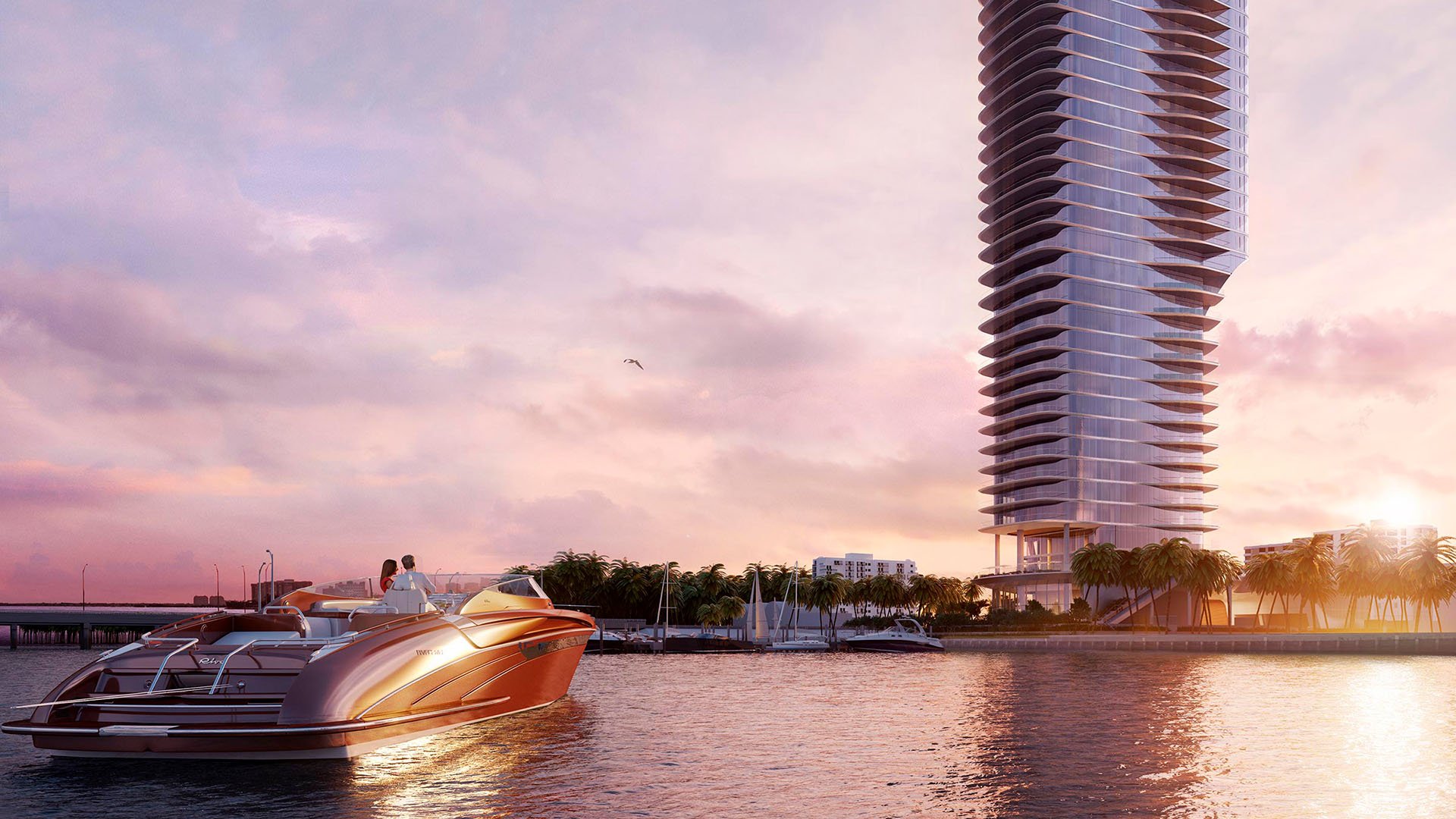
What to ask about resale liquidity when a building is designed for a very specific buyer archetype
In South Florida luxury real estate, a sharply defined buyer profile can be an asset on the way in and a liability on the way out. This MILLION editorial outlines the resale-liquidity questions sophisticated buyers should ask before purchasing in a building designed around a narrow lifestyle, brand story, or ownership cohort.
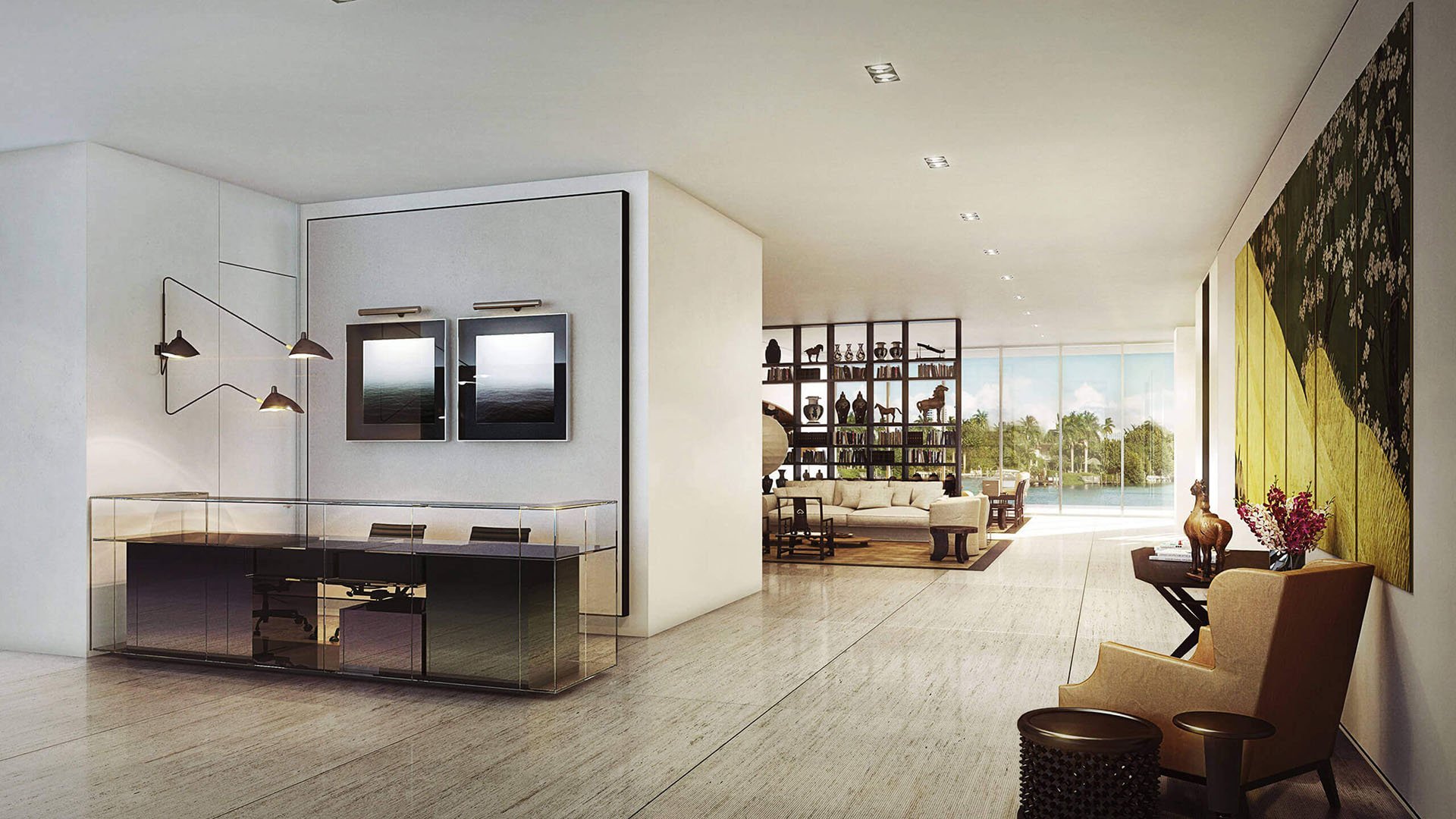
Why elevator zoning can matter as much as square footage in an ultra-prime building
In South Florida’s ultra-prime towers, elevator zoning is not a technical footnote. It shapes privacy, security, daily convenience, and the sense of exclusivity that buyers feel from the moment doors open. In a market where many residences already offer generous floorplans, the quality of the arrival sequence can influence perceived value almost as much as interior dimensions.
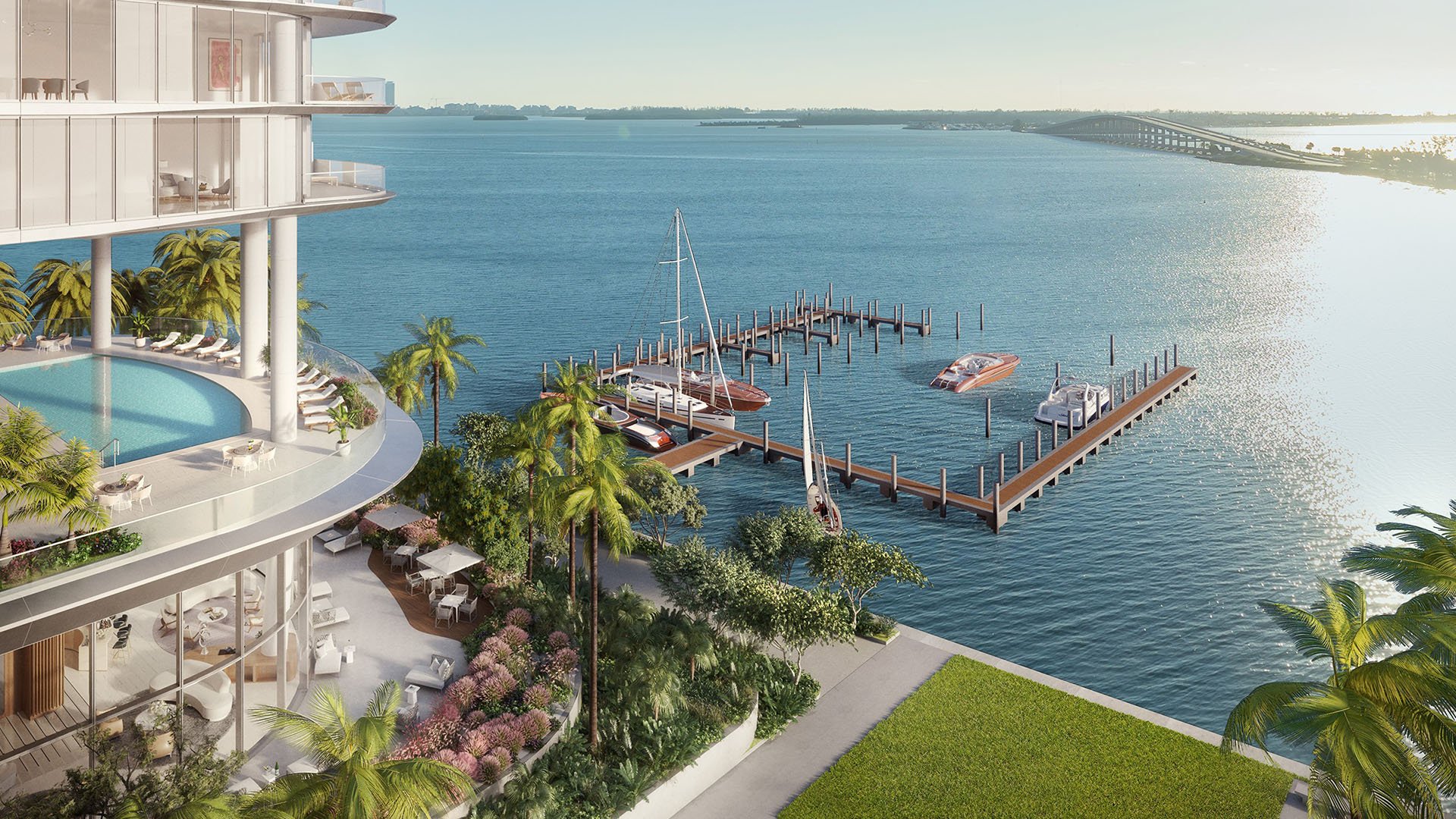
Why lock-and-leave means something very different for buyers with staff, art, and regular houseguests
For South Florida luxury buyers, lock-and-leave is not a universal promise. Once a residence must accommodate staff, protect fine art, host frequent guests, or withstand long periods of owner absence in a coastal climate, ownership shifts from passive convenience to managed continuity. The difference is not semantic. It affects insurance posture, environmental controls, household operations, tax classification, storm readiness, and the kind of building or estate infrastructure that truly supports the lifestyle.