
The Risk Analysis of Renting Ultra Luxury Condominiums During Major Sporting Events
Major sporting weeks can turn South Florida’s ultra-luxury rental market into a high-stakes, short-duration trade. Premium pricing is possible, but so are operational failures, building-rule violations, security exposure, and expensive disputes over deposits, damages, and quiet enjoyment. This MILLION Luxury editorial lays out a buyer-and-owner oriented risk framework: how to evaluate a building’s rental posture, how to structure agreements, what to verify before keys change hands, and how to protect privacy, staff, and the asset itself when demand spikes overnight.

Evaluating the Flexibility of Rental Caps in Boutique Coconut Grove Developments
In Coconut Grove, boutique condominiums trade on discretion: fewer residences, more owner familiarity, and a stronger bias toward long-term stewardship. Rental caps and leasing rules are where that stewardship becomes tangible. For buyers who expect optionality, whether for a second-home calendar, a corporate assignment, or a future relocation, the nuance is not simply “can I rent?” It is how quickly, how often, and under what governance realities. This MILLION Luxury editorial frames rental caps as a liquidity feature, not a footnote. We examine how boutique associations typically structure limits, how those limits can evolve, and what a sophisticated buyer should review before committing capital in Coconut Grove.

How to Maintain Reputational Value When Leasing Penthouses to Global Event Attendees
Leasing a penthouse during global event weeks can be lucrative, but reputational value is built on consistency, discretion, and control. For South Florida owners, the real objective is not simply occupancy. It is protecting the building’s standing, the neighbor ecosystem, and the long-term resale narrative while still meeting the expectations of high-intent visitors.
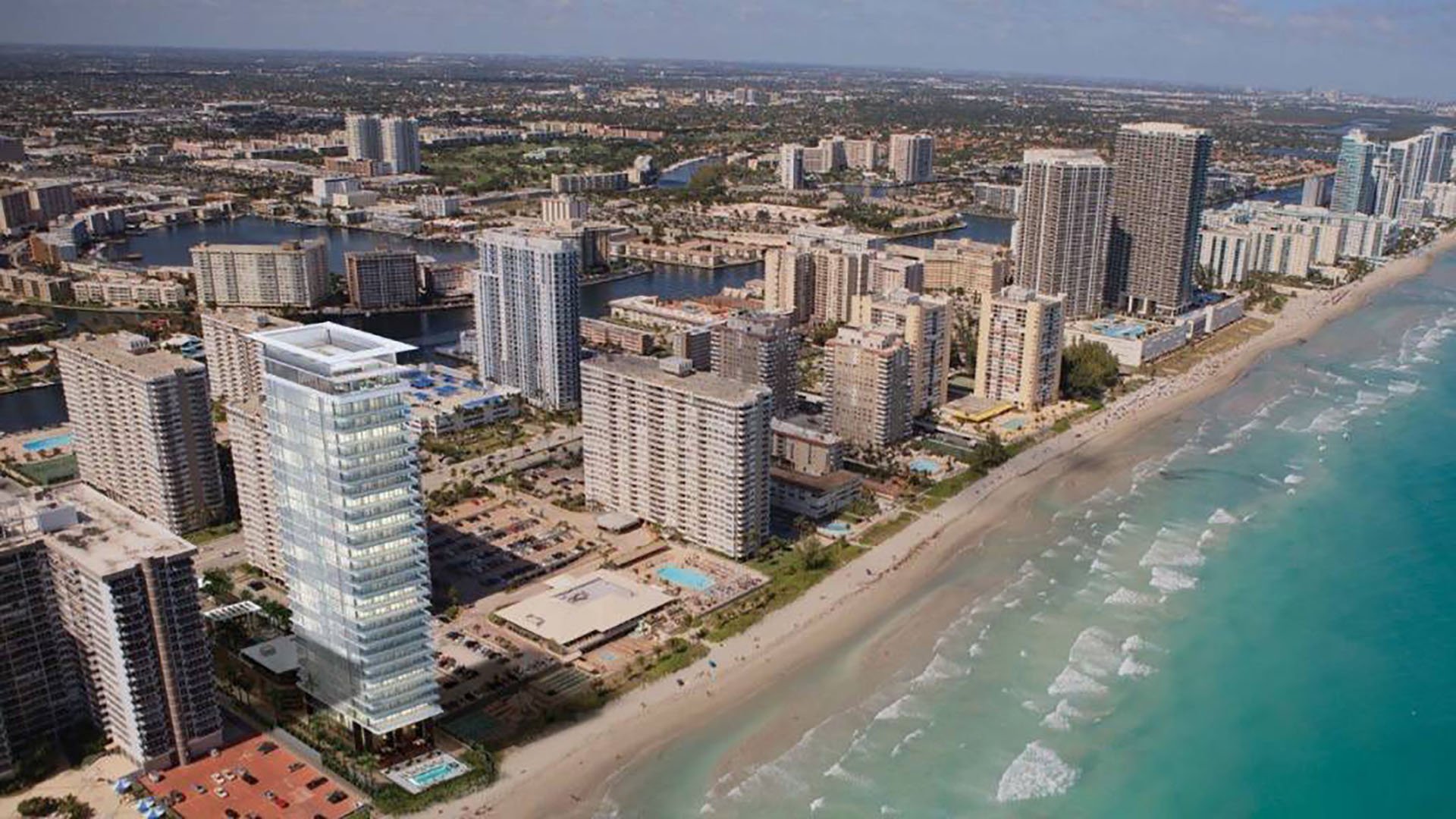
The Downside Protection Strategies for World Cup Rental Investments in South Florida
A buyer-oriented playbook for protecting downside when positioning South Florida residences for World Cup-driven demand, with underwriting, legal, operational, and asset-selection safeguards.

How the Certificate of Use Requirements Impact Miami Vacation Rental Investors
In Miami, vacation-rental performance is not only a function of design, view, and walkability. It is also a compliance question. A Certificate of Use can determine whether a property can legally operate at the cadence investors expect, shaping everything from underwriting and renovations to closing timelines and resale liquidity. This editorial explains what sophisticated buyers should understand before they treat a luxury condo or pied-à-terre as a short-term rental asset.

Evaluating the Efficacy of Condominium Hotel Programs in Downtown Miami
Condo-hotel programs can look like an elegant solution for owners who want both lifestyle flexibility and income potential, but in Downtown Miami the fine print often matters more than the marketing. This editorial outlines how these programs typically function, where friction appears in real operations, and what a sophisticated buyer should underwrite before assuming hotel-style returns. The goal is not to argue for or against condo-hotel ownership, but to clarify which structures tend to align with premium expectations and which can quietly dilute control, privacy, and resale optionality.