Gables Estates vs. Star Island: Two Ways to Own the Very Top of South Florida
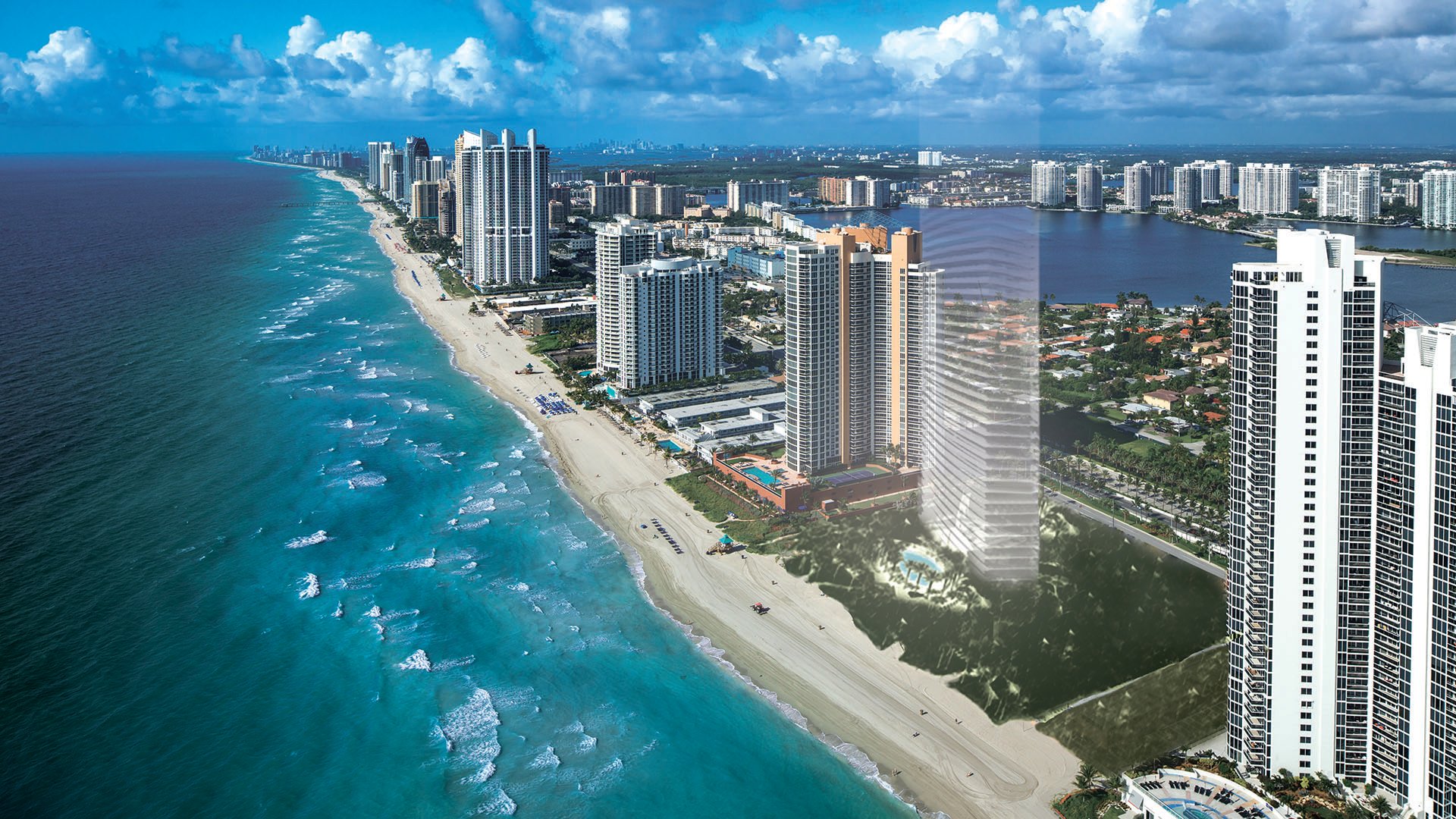
In South Florida, “best address” can mean two very different things. One is a private, guard-gated mainland enclave in Coral Gables where estate lots, governance, and year-round residency dominate the conversation. The other is a controlled-access island in Biscayne Bay, synonymous with celebrity lore and record-setting trophy trades. Gables Estates and Star Island each represent extreme scarcity, but they express it differently: one through a limited, community-like waterfront inventory, the other through a single causeway and a head-turning public narrative. Below, MILLION Luxury frames what the recent headline deals, home-value data, and neighborhood structure suggest for buyers who want discretion, security, and long-term positioning.

Work-From-Paradise Is Now a Floor, Not a Feature: What 2025’s Trophy Sales Reveal for South Florida Luxury
Ultra-luxury housing has entered a new phase: homes are being bought not only for prestige and views, but for the ability to operate a full professional life from a private, beautifully designed base. From $100M-plus headline transactions to the quiet rise of “Zoom-ready” listing language, 2025 delivered a clear message for South Florida buyers and developers alike: the most valuable residences are the ones that make everyday life effortless.

South Florida’s Nine-Figure Moment: What $100M-Plus Sales Signal for Luxury Buyers
A new class of residential transaction has become visible across South Florida: nine-figure closings, reported nine-figure contracts, and land-value deals that treat prime waterfront as a scarce asset rather than a finished home. For luxury buyers, the headline numbers matter less than what they reveal about where liquidity is deepest, which neighborhoods trade like blue-chip collections, and how to underwrite privacy, resilience, and long-term optionality.

Invisible Luxury: Privacy, Security, and Back-of-House Design for South Florida Homes
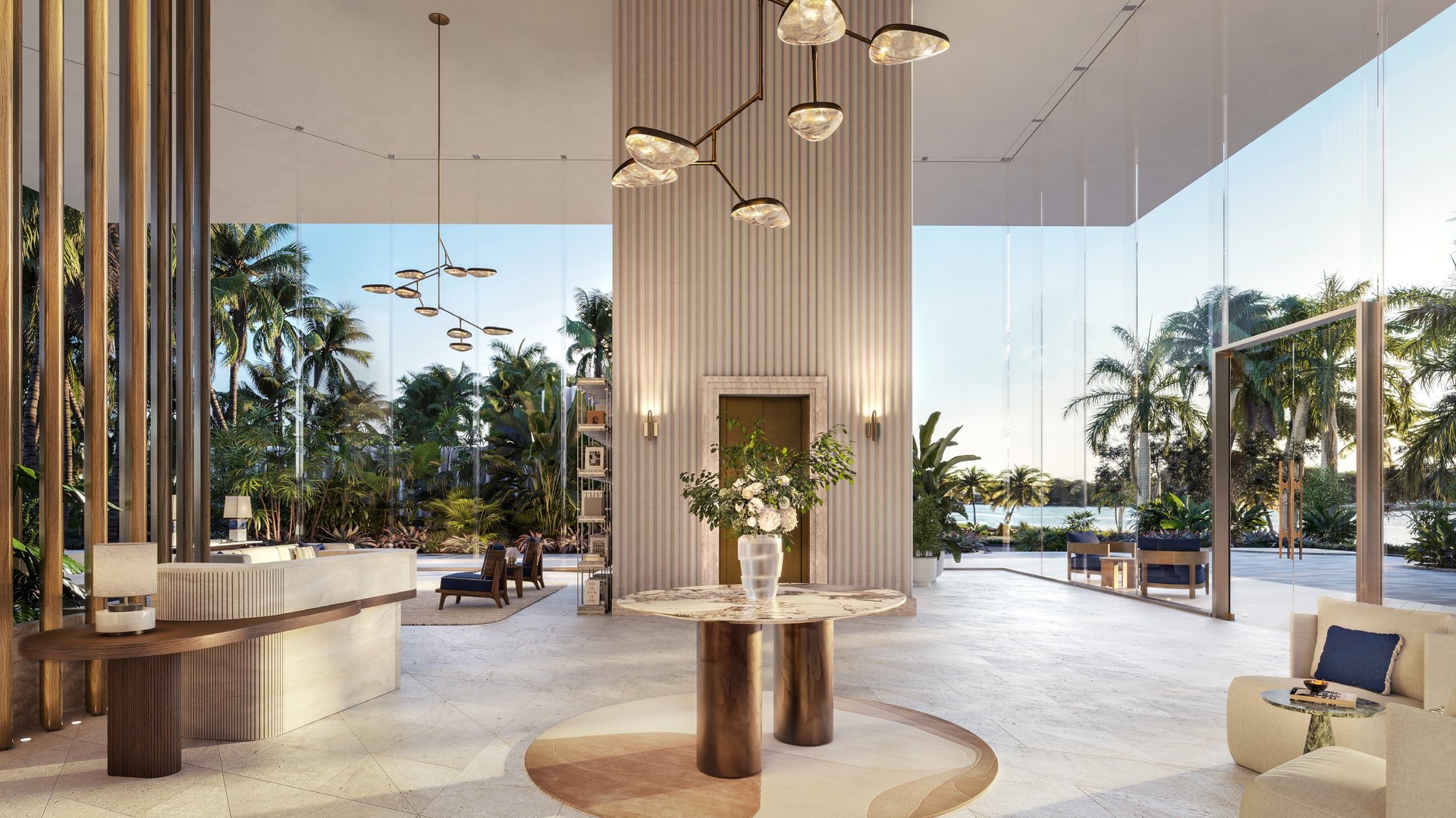
For today’s ultra-premium buyer, true luxury is not only what a residence shows, but what it quietly solves: privacy, protection, and seamless operations. In South Florida, where oceanfront visibility can be as intense as the lifestyle is effortless, the best properties treat security and service as architecture, not accessories. This editorial outlines how “security by design,” layered protection, and discreet back-of-house planning are reshaping what sophisticated owners should ask for, whether purchasing a waterfront estate or a Miami-beach condominium.

South Florida’s New Status Symbol: The Outdoor Room That Sells the Home
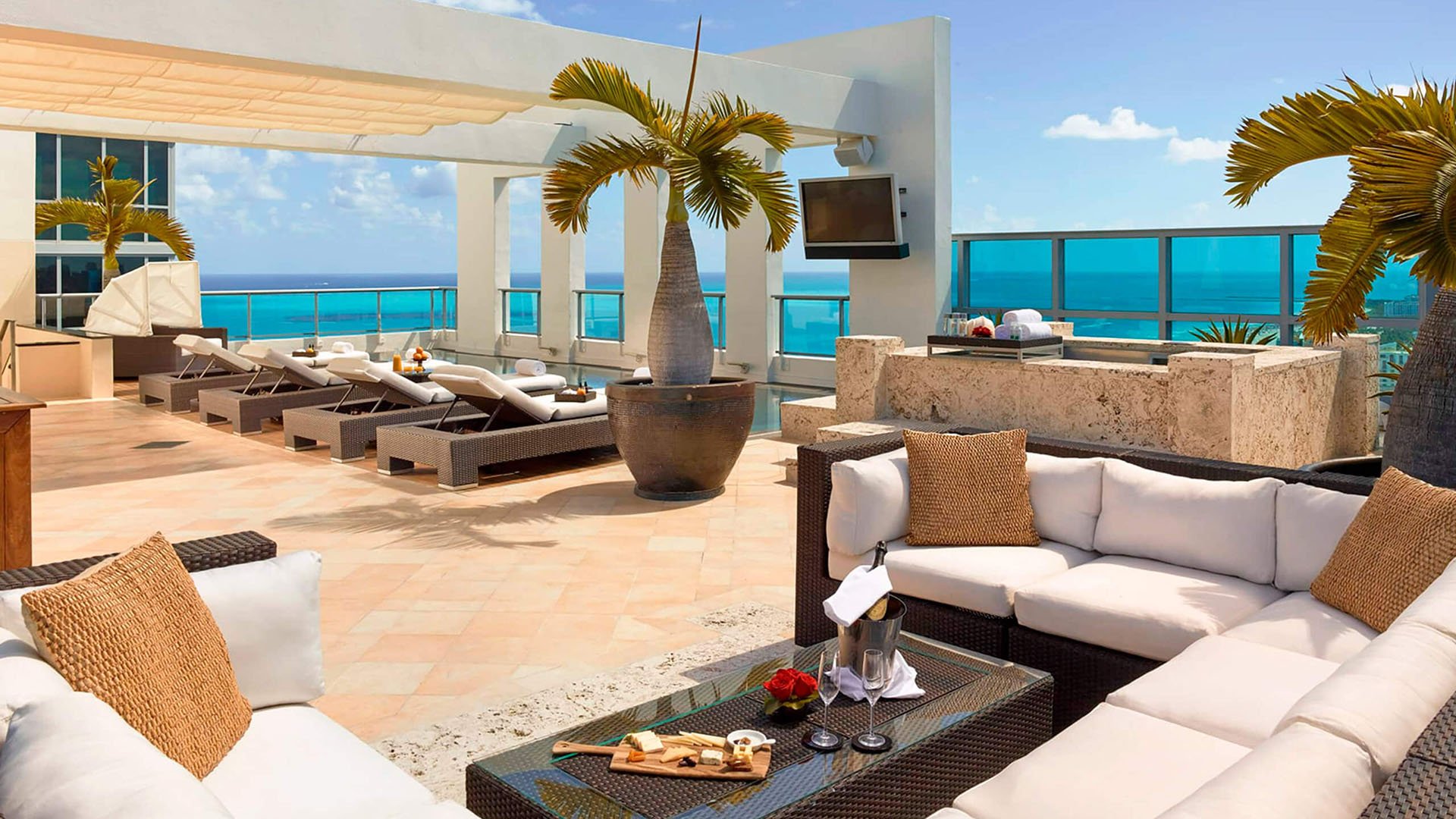
In South Florida, luxury has always been a lifestyle story. Increasingly, that story is written outside. From shaded entertaining lounges to resort-caliber pools and layered, professionally designed landscaping, buyers are treating outdoor environments as a functional extension of the interior, not a decorative afterthought. For sellers, this shift is meaningful. MILLION Luxury has reported that comprehensive outdoor upgrades can lift perceived value and resale appeal by roughly 15% to 20% when executed at a high level, a range that often outperforms many interior refreshes that fail to change how a home lives day to day. For buyers, it changes what “turnkey” means: not just pristine finishes, but comfort, privacy, and atmosphere across the terrace, courtyard, and poolscape. The result is a new hierarchy of features, and it is surprisingly consistent across single-family estates, gated waterfront compounds, and the most design-forward condos in Miami-beach. Here is how to evaluate an outdoor “oasis” like an underwriter: as architecture, infrastructure, and daily ritual, all in one.

Larry Page’s Coconut Grove Purchases and the New Billionaire Playbook in South Florida
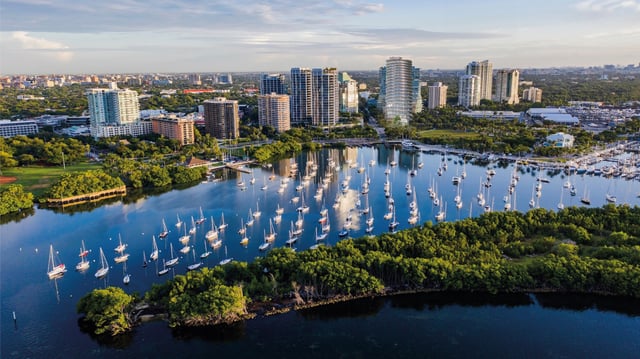
Google co-founder Larry Page’s reported ~$173.4 million two-home buying spree in Coconut Grove has become a case study in how ultra-wealthy buyers now approach South Florida: not as a single trophy acquisition, but as a portfolio strategy optimized for privacy, flexibility, and long-term positioning. Framed against parallel moves by other high-profile buyers and a renewed national conversation about wealth taxes, these transactions help explain why Miami’s most guarded enclaves and branded, service-forward residences continue to attract global capital.