Navigating Pet Weight Restrictions in Miami Beach Ultra Luxury Buildings
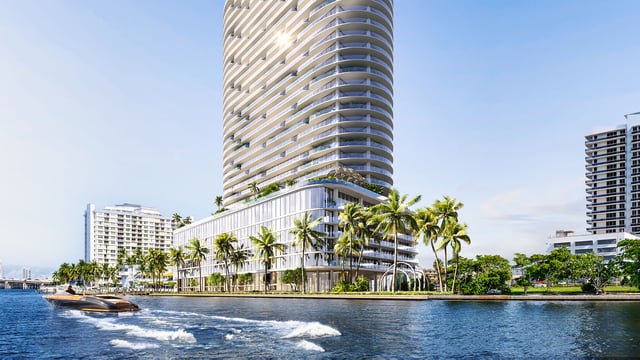
In Miami Beach’s ultra-luxury towers, pet rules can be as material to quality of life as ceiling height and ocean views. Weight limits, breed restrictions, elevator etiquette, and documentation requirements vary by building and can shift with board policy. This guide explains how sophisticated buyers and renters should read pet policies, negotiate approvals, and protect resale flexibility, with a focus on practical, building-friendly strategies.
The Impact of Rising Reinsurance Costs on Homeowner Association Dues in Coastal Miami
Rising reinsurance costs are reshaping the economics of coastal Miami ownership, flowing directly into condo and HOA operating budgets, reserves, and ultimately monthly dues. For luxury buyers, the question is less whether dues rise and more how a building’s governance, insurance posture, and capital plan translate that volatility into predictable ownership costs. This editorial outlines why reinsurance matters, where the pressure shows up inside association budgets, and how to diligence a building like a portfolio asset before you wire.

Evaluating the Logistics of Private Ferry Access and Vendor Management at The Residences at Six Fisher Island
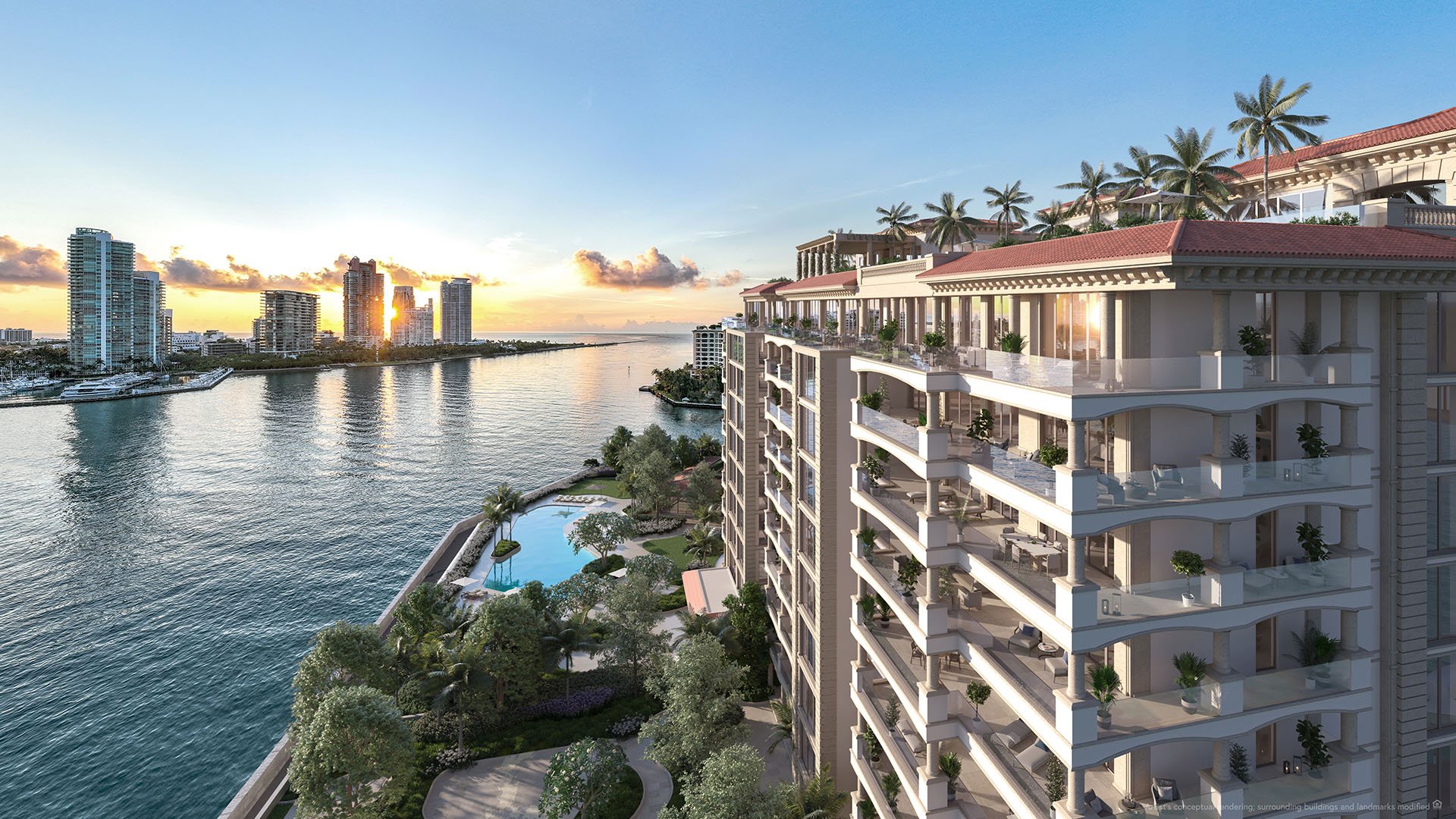
On Fisher Island, luxury is operational as much as it is aesthetic. At The Residences at Six Fisher Island, the lived experience hinges on two quiet systems: reliable private ferry access and disciplined vendor management. This buyer-oriented guide breaks down the decisions that protect privacy, timing, and service quality, from move-ins and renovations to daily deliveries and household staffing.

Best Waterfront Addresses for Uninterrupted Sunset Views
A buyer-oriented guide to South Florida’s most reliable sunset orientations, from bayfront skyline drama to Intracoastal glow, plus a ranked shortlist of coveted vantage points.

Living in North Bay Village vs Miami Beach: Island Isolation vs Collins Avenue
North Bay Village and Miami Beach share the same water and skyline, but they deliver opposite versions of island living. One is compact, residential, and deliberately in-between; the other is a global resort city with multiple micro-neighborhoods stitched along the Atlantic edge. For luxury buyers, the decision is less about distance and more about daily texture: how quiet you want your mornings, how curated you want your nights, and how much “island” you can tolerate before it feels like friction. This MILLION Luxury comparison focuses on lifestyle outcomes rather than hype: privacy versus proximity, bay views versus ocean frontage, and the kind of convenience that comes from being a destination versus the convenience of living just outside one.

Assessing the Value of Dedicated Wine Cellars and Tasting Rooms
A dedicated wine cellar or tasting room can read as pure indulgence, yet in South Florida’s top tier it often functions like a well-designed library: a quiet signal of seriousness, restraint, and long-view collecting. The value is not only in bottles protected from heat and light, but in how the space is integrated into the home’s circulation, entertaining rhythm, and service infrastructure. For buyers, the question is less “Does it add dollars?” and more “Does it reduce friction?” A properly executed cellar makes hosting easier, preserves collections in a challenging climate, and can differentiate a residence in competitive neighborhoods where finishes are otherwise comparable. Done poorly, it becomes a temperamental closet with a glass door. This guide frames wine rooms the way an appraiser-minded buyer would: as a combination of performance, placement, and permanence, with an emphasis on what transfers cleanly at resale.