Investing for a Visa: How EB-5 and Residency-by-Investment Drive Luxury Home Sales
A discreet, buyer-oriented guide to how the EB-5 Immigrant Investor Program intersects with South Florida’s luxury real estate, from investment thresholds and TEA structure to timing, risk, and lifestyle-driven neighborhood selection.
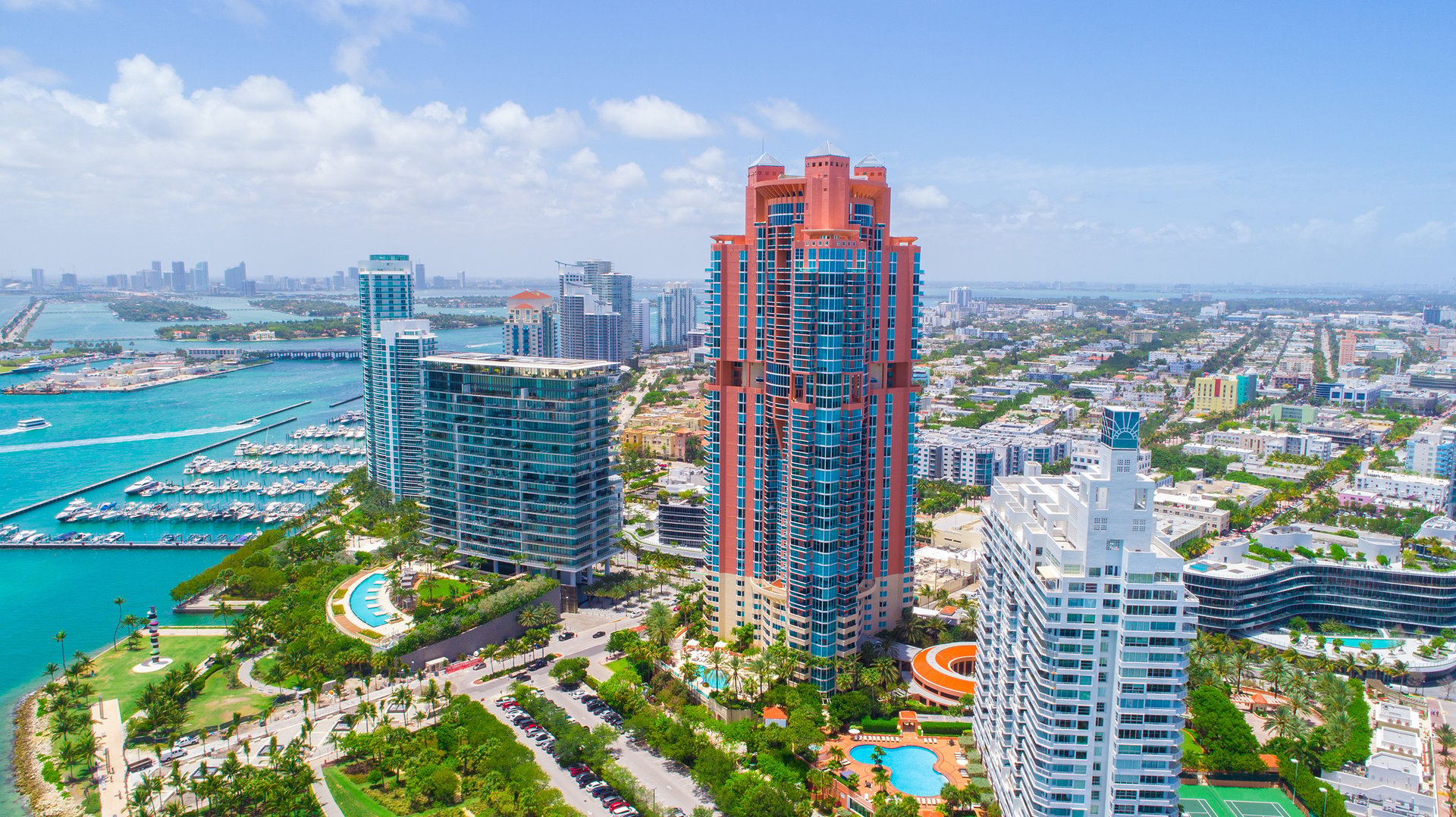
Wind, Flood, and Fire: Navigating the Insurance Policies Needed for Florida Luxury Homes and Condos
South Florida luxury real estate decisions increasingly hinge on insurance mechanics: hurricane deductibles, flood exclusions, condo loss assessments, and code-driven rebuild costs. This editorial distills the parts of Florida coverage that tend to surprise high-net-worth buyers, with practical questions to ask before you close.
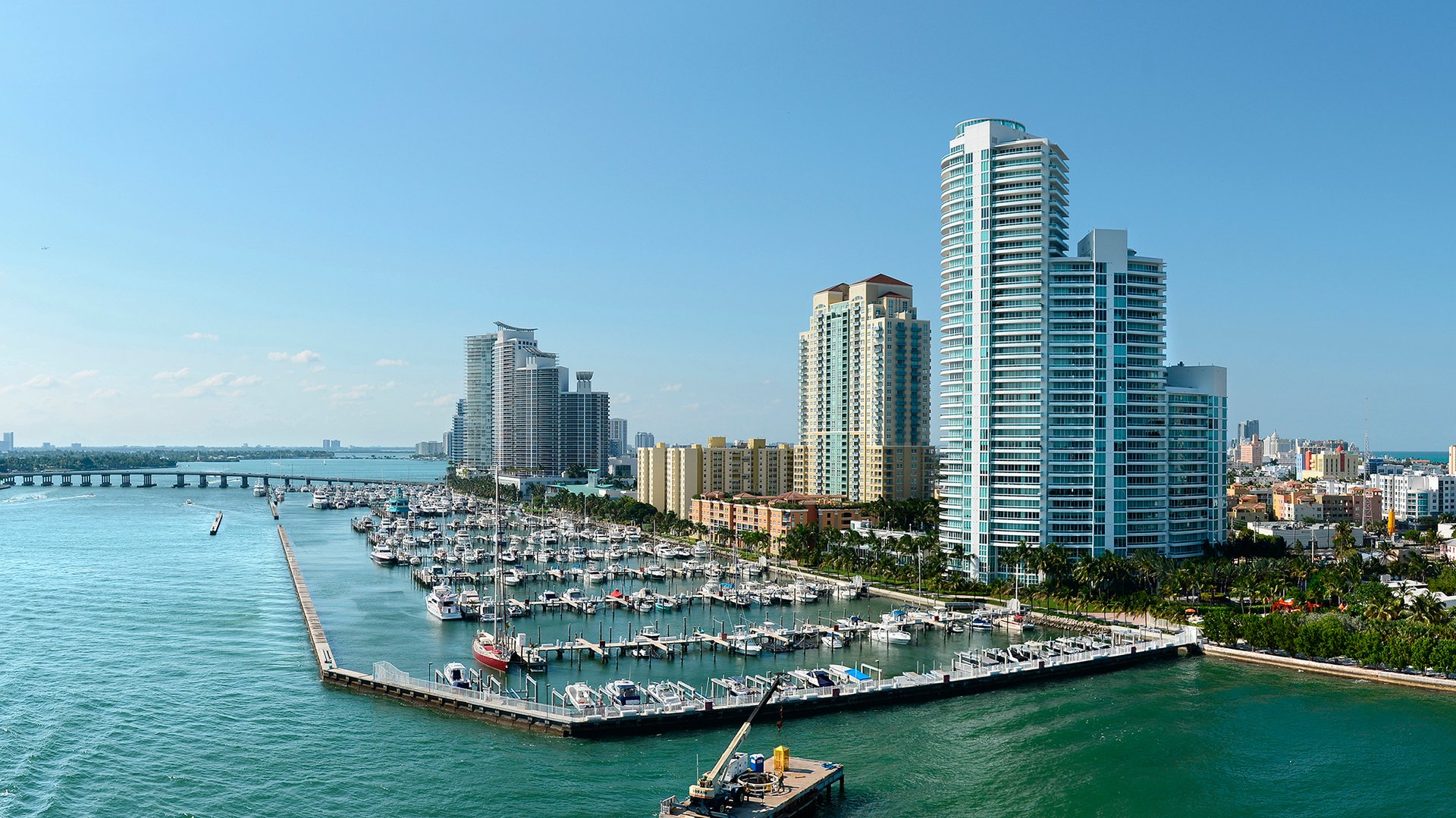
Florida Tax Residency Essentials for New Luxury Homeowners - Legal Overview
A discreet, buyer-oriented guide to establishing Florida domicile the right way, aligning homestead strategy with titling and lifestyle, and avoiding common statutory-residency traps when you still keep a home up north.
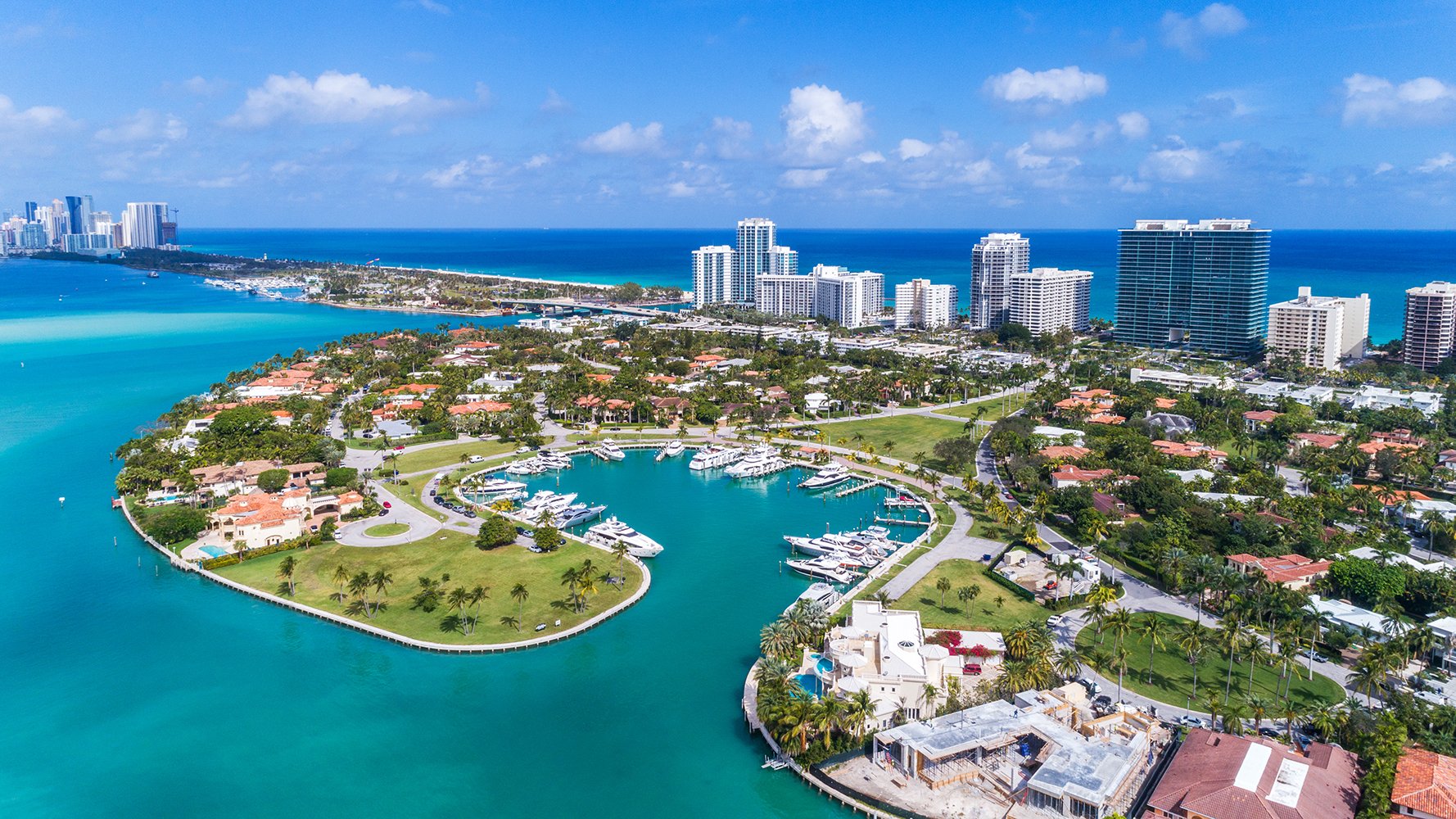
From Old to New: How Miami’s Older Luxury Condo Buildings Are Upgrading for the Modern Era
As Florida’s post-Surfside reforms reshape reserve funding and building due diligence, older South Florida condominiums are being re-priced, re-scoped, and, in many cases, re-underwritten by buyers. The new reality is not simply higher monthly costs. It is a more transparent capital plan driven by Structural Integrity Reserve Studies, stricter reserve rules, and a market that increasingly separates “renovated and managed” from “deferred and uncertain.” For luxury buyers, the opportunity is real, but it favors those who can read an association’s long-term obligations as fluently as a floor plan.
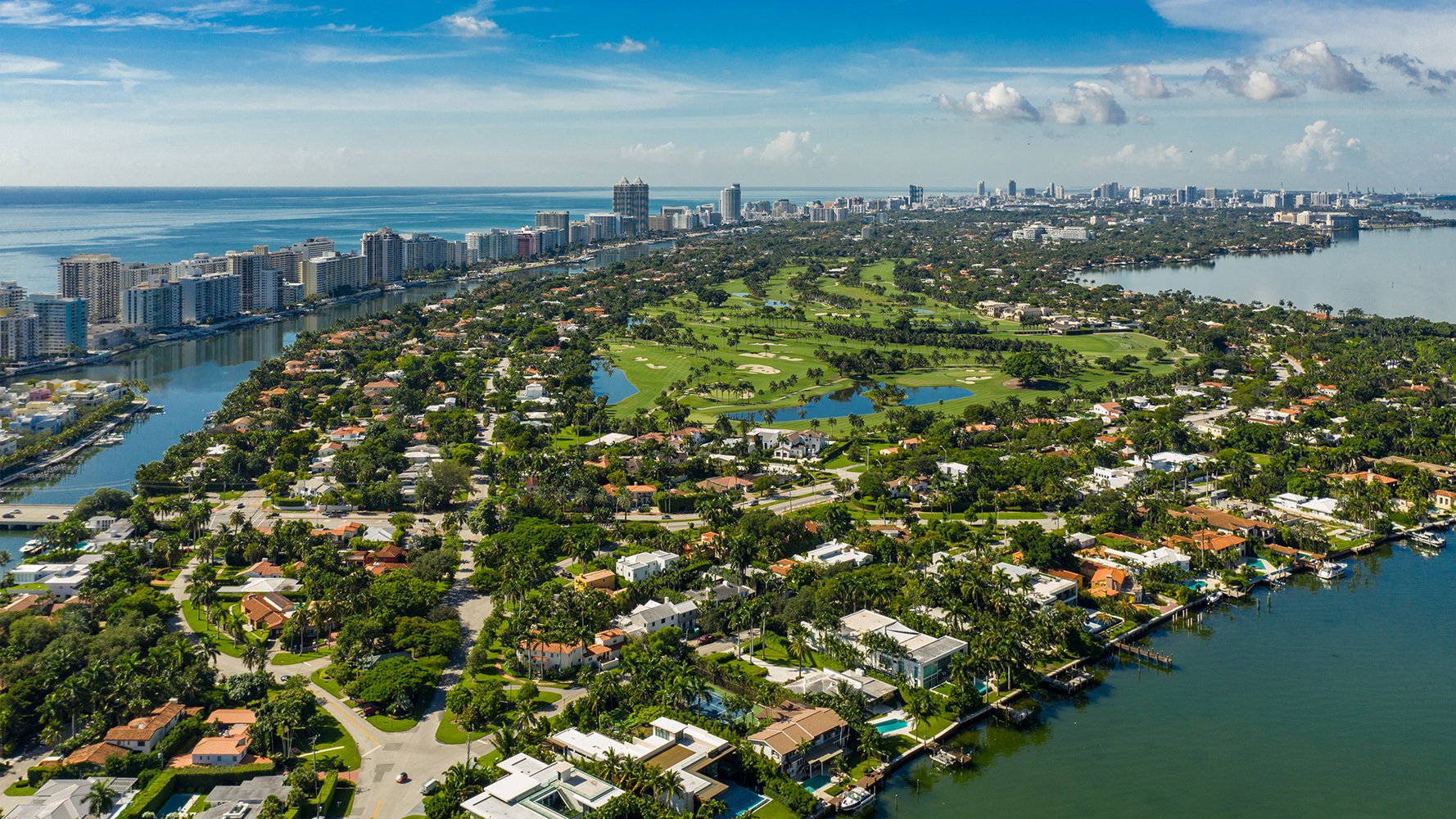
Miami vs. Singapore: Competing Tropical Hubs for Ultra-Luxury Real Estate
In 2026, ultra-luxury buyers are comparing global safe-harbor markets through a sharper lens: liquidity, taxes, inventory depth, and the friction embedded in each transaction. South Florida and Singapore sit at the center of that conversation, but they reward different strategies. Miami offers a uniquely cash-heavy closing environment and a tax structure that many high earners find efficient. Singapore offers institutional-grade governance and a tightly controlled prime landed segment, but foreign buyers face meaningful stamp-duty headwinds. For South Florida’s luxury real estate audience, the takeaway is not that one market “wins.” It is that each city has become a different kind of wealth instrument: Miami as a lifestyle-forward, inventory-rich coastal platform with powerful cash velocity; Singapore as a scarcity-driven, policy-shaped store of value where access is often the primary differentiator. Understanding how these characteristics translate into negotiation, timing, and portfolio construction is the edge in 2026.
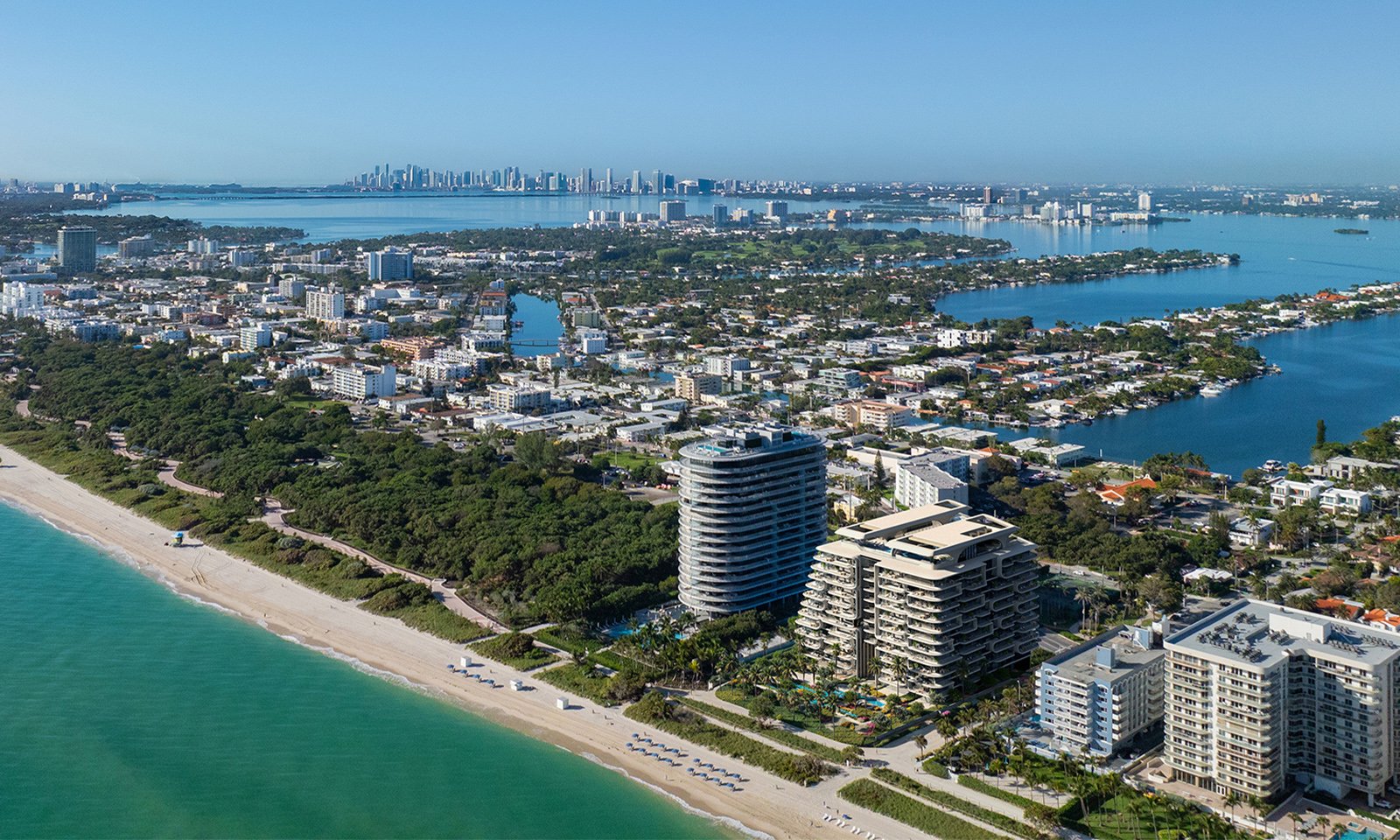
Strong Dollar Effect: Is Miami Real Estate a Bargain for Foreign Buyers in 2026?
A weaker U.S. dollar can make South Florida pricing feel materially different to overseas capital, but “bargain” is more nuanced than the headline FX rate. In a market where international buyers represent an outsized share of dollar volume and new-development absorption, timing, carrying costs, and exit frictions matter as much as the entry price.