Aston Martin Residences vs One Thousand Museum vs Waldorf Astoria Residences in Downtown Miami: Amenities & wellness
In Downtown Miami’s top tier, the next battleground is not square footage, it is altitude. Amenity “crowns” placed high above the city have become the new measure of a tower’s lifestyle ambition, pairing panoramic privacy with hotel-grade service, wellness infrastructure, and destination-level social spaces. This MILLION Luxury editorial examines three standout approaches: the multi-level Sky Amenities at Aston Martin Residences, the wellness-forward, architecture-driven experience at One Thousand Museum, and the integrated hotel living model at Waldorf Astoria Residences Miami. Each speaks to a different buyer profile, yet all share one premise: the best amenity is the one you will actually use, repeatedly, without leaving your building.

Understanding the True Cost of Owning a $5M+ Home in South Florida (Beyond the Mortgage)
A discreet, buyer-forward guide to the real carrying costs behind South Florida’s luxury homes and condos in 2026: taxes, insurance, fees, maintenance, and staffing.
South Florida Luxury Home Insurance in 2026: A Buyer’s Guide to Deductibles, Flood Coverage, and Condo Risk
Florida’s property-insurance story is shifting from pure sticker shock to smarter structuring. For luxury buyers, the decisions now hinge on deductibles, flood strategy, condo master policies, and high-value coverage details that affect real out-of-pocket exposure.

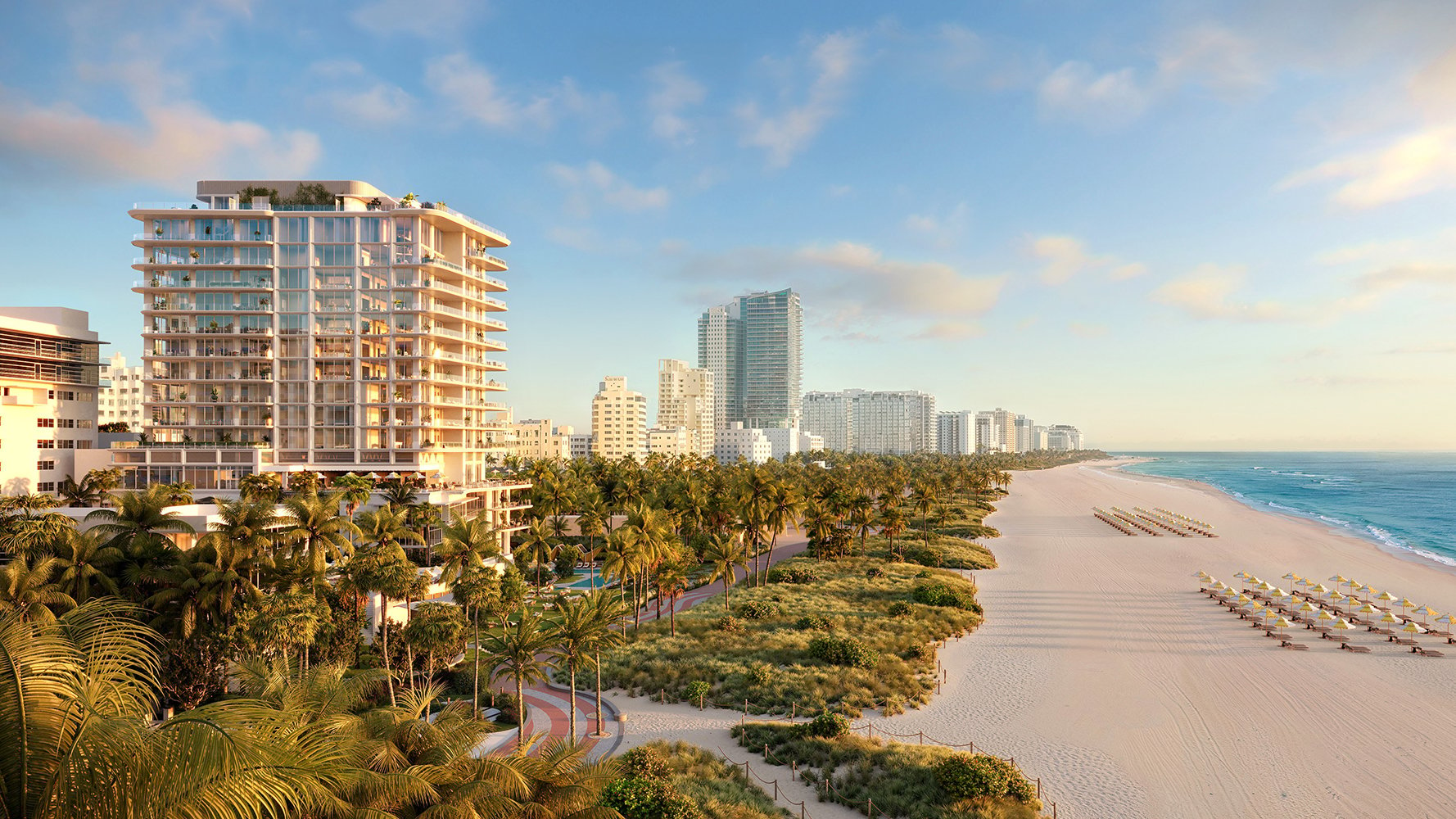
Top 5 Boutique Ultra-Luxury Condos in Miami Beach and Surfside for 2026
In Miami-beach and Surfside, the most coveted addresses are increasingly defined by what they are not: not sprawling towers, not anonymous lobbies, not interchangeable amenity decks. The 2026 conversation centers on boutique scale, Oceanfront scarcity, and hospitality-grade service models that treat a residence like a private suite with permanence.
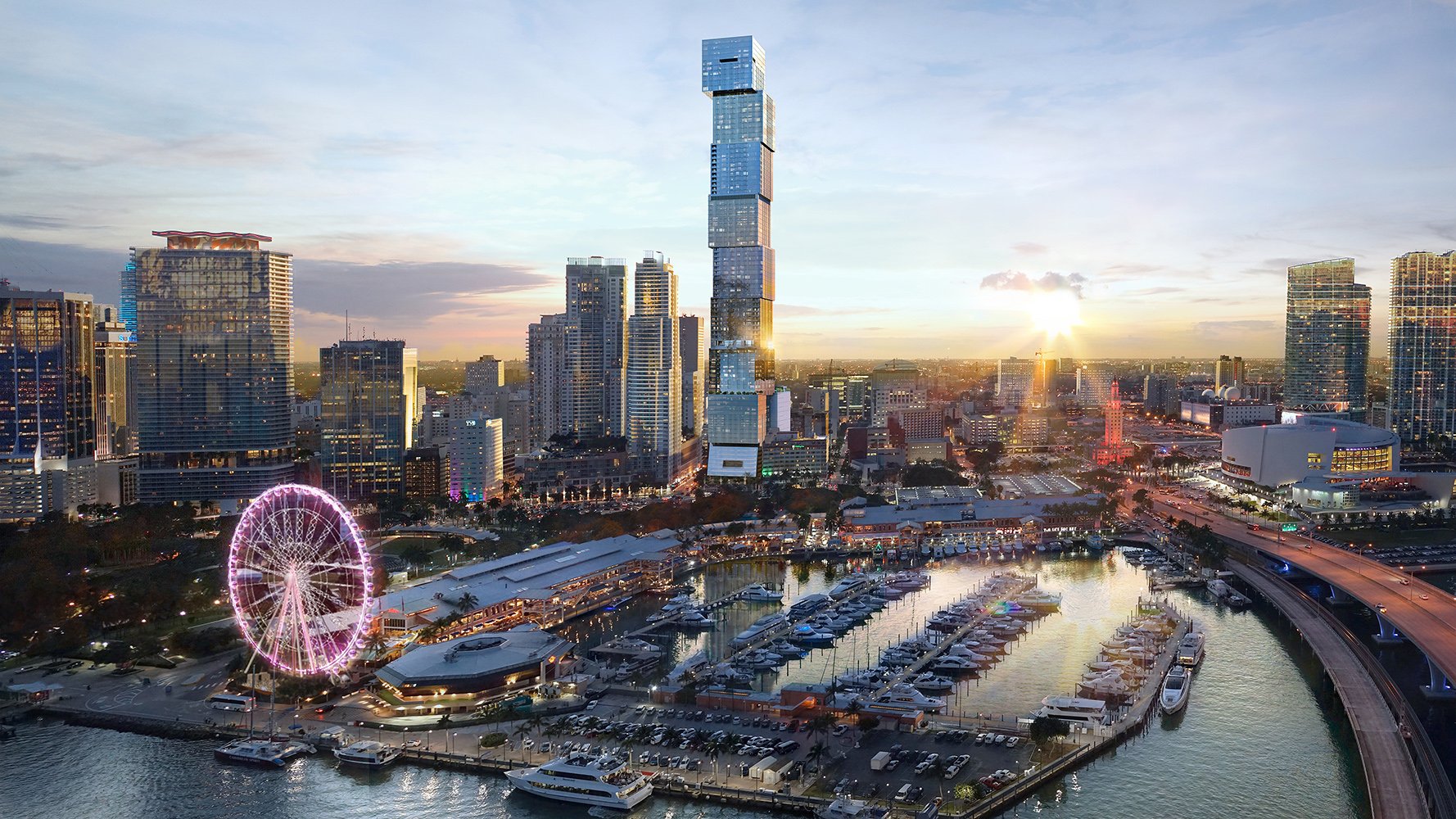
Aston Martin Residences vs Waldorf Astoria Residences Miami: Two Amenity Philosophies for Downtown Buyers
In Downtown Miami, ultra-luxury living is increasingly defined by what happens beyond the front door. Here is a buyer-focused comparison of Aston Martin Residences’ resident-only sky club concept versus Waldorf Astoria’s hotel-integrated service and wellness model.

South Florida’s Corporate Migration Wave (2024–2025)
South Florida’s 2024–2025 corporate migration wave is turning Miami, Brickell, Miami Beach, and Palm Beach County into a year-round hub for finance, tech, and global enterprise. This editorial roundup highlights 30 major firms that relocated, opened offices, or expanded locally, then connects the trend to luxury housing demand. As leadership teams arrive, buyers prioritize privacy, service, and location, with branded residences and waterfront estates supported by more consistent demand. For buyers, it is confirmation of fundamentals, not a short-lived spike.