Fort Lauderdale vs Palm Beach: Two Yachting Capitals, Two Very Different Luxury Lifestyles
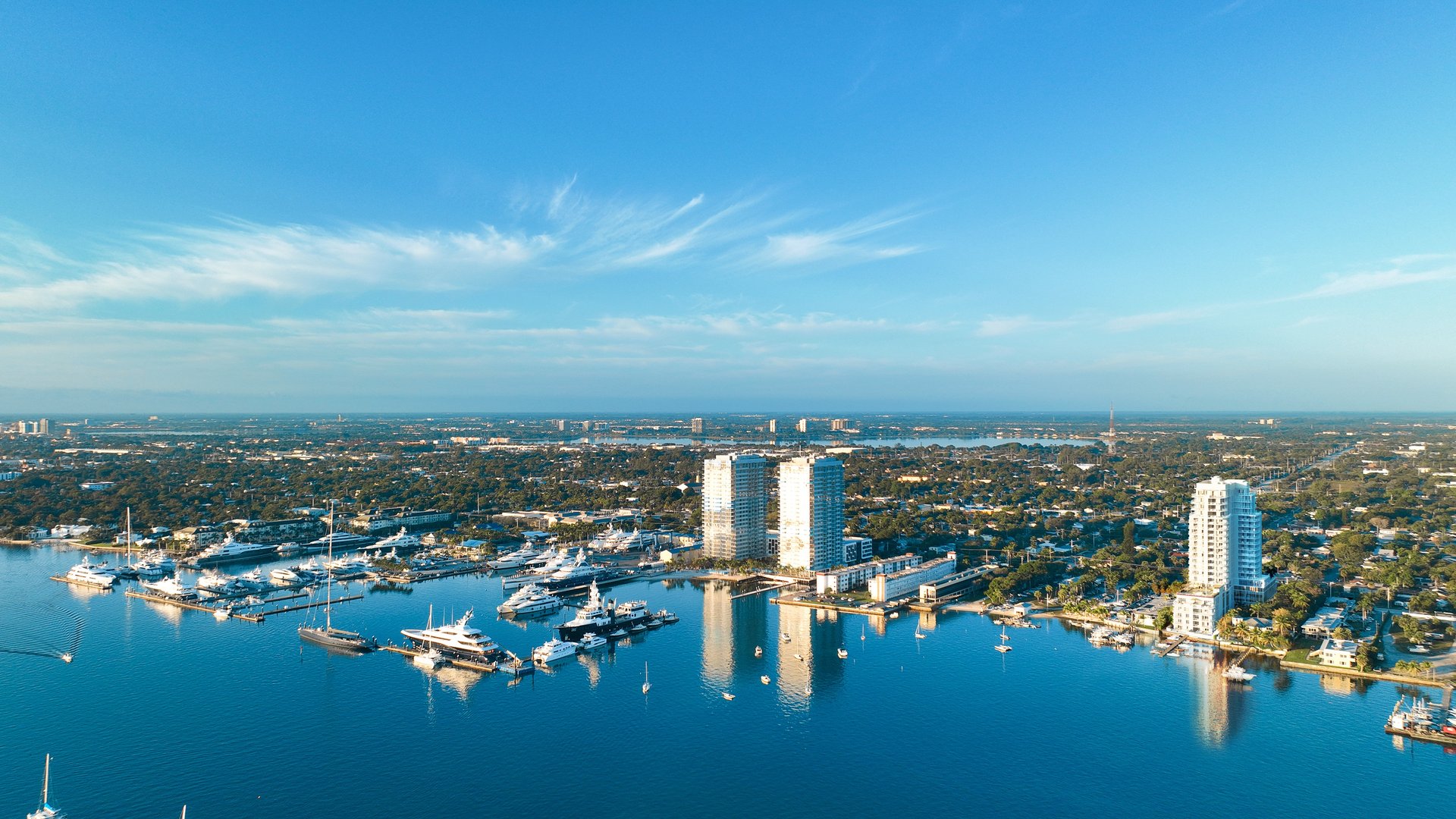
Fort Lauderdale and Palm Beach both command the yachting conversation, but they do it in fundamentally different ways. Fort Lauderdale operates like a year-round global marketplace with deep service infrastructure, high-volume brokerage activity, and signature scale at the Fort Lauderdale International Boat Show. Palm Beach, by contrast, leans into heritage, club culture, and a curated approach to ownership that feels as much social as it is nautical. For buyers and second-home owners, the most practical question is not which city is “better,” but which ecosystem matches the way you intend to use your yacht and your waterfront real estate.

La Clara vs Forté on Flagler: Two Distinct Expressions of South Flagler Luxury
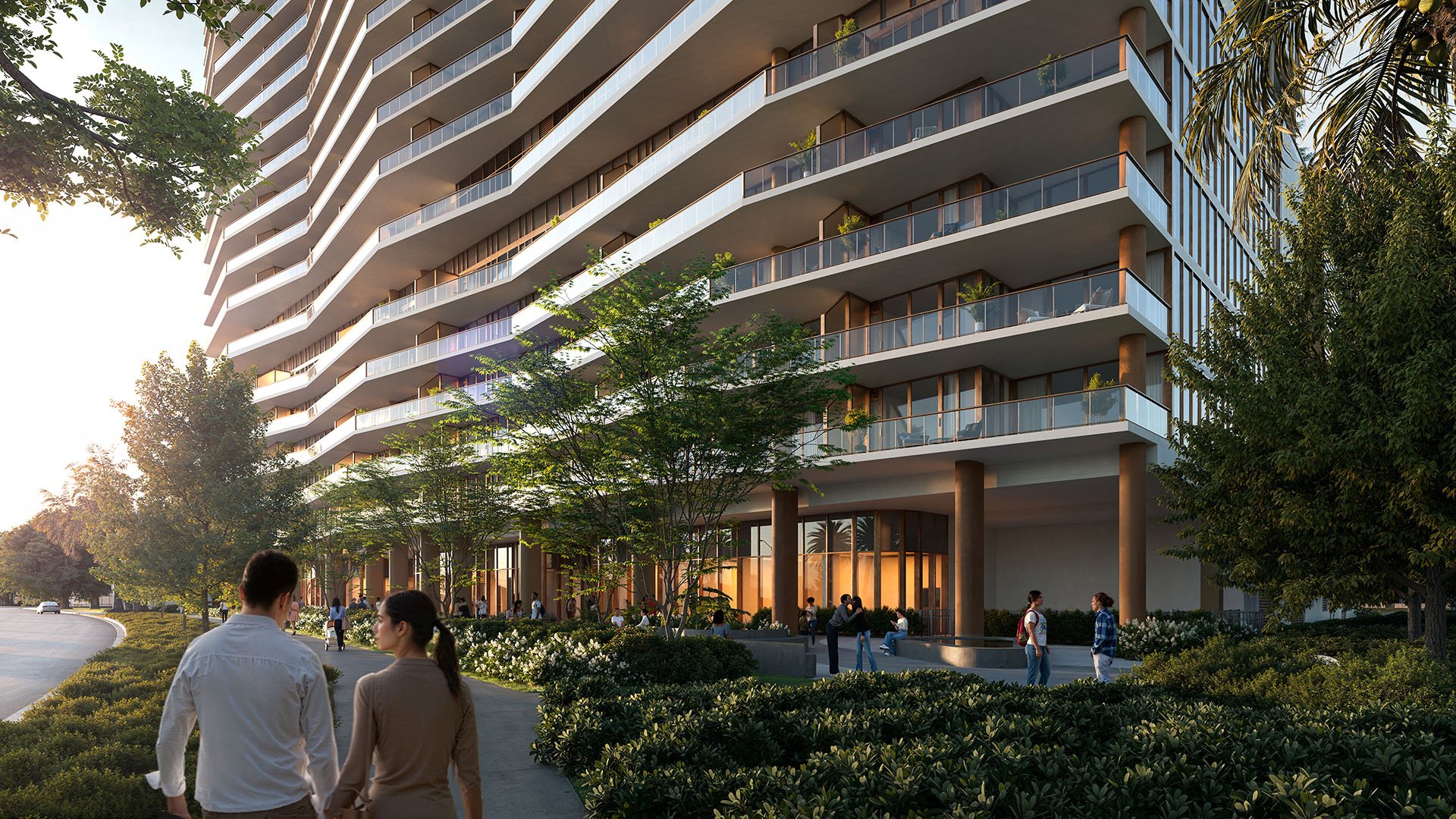
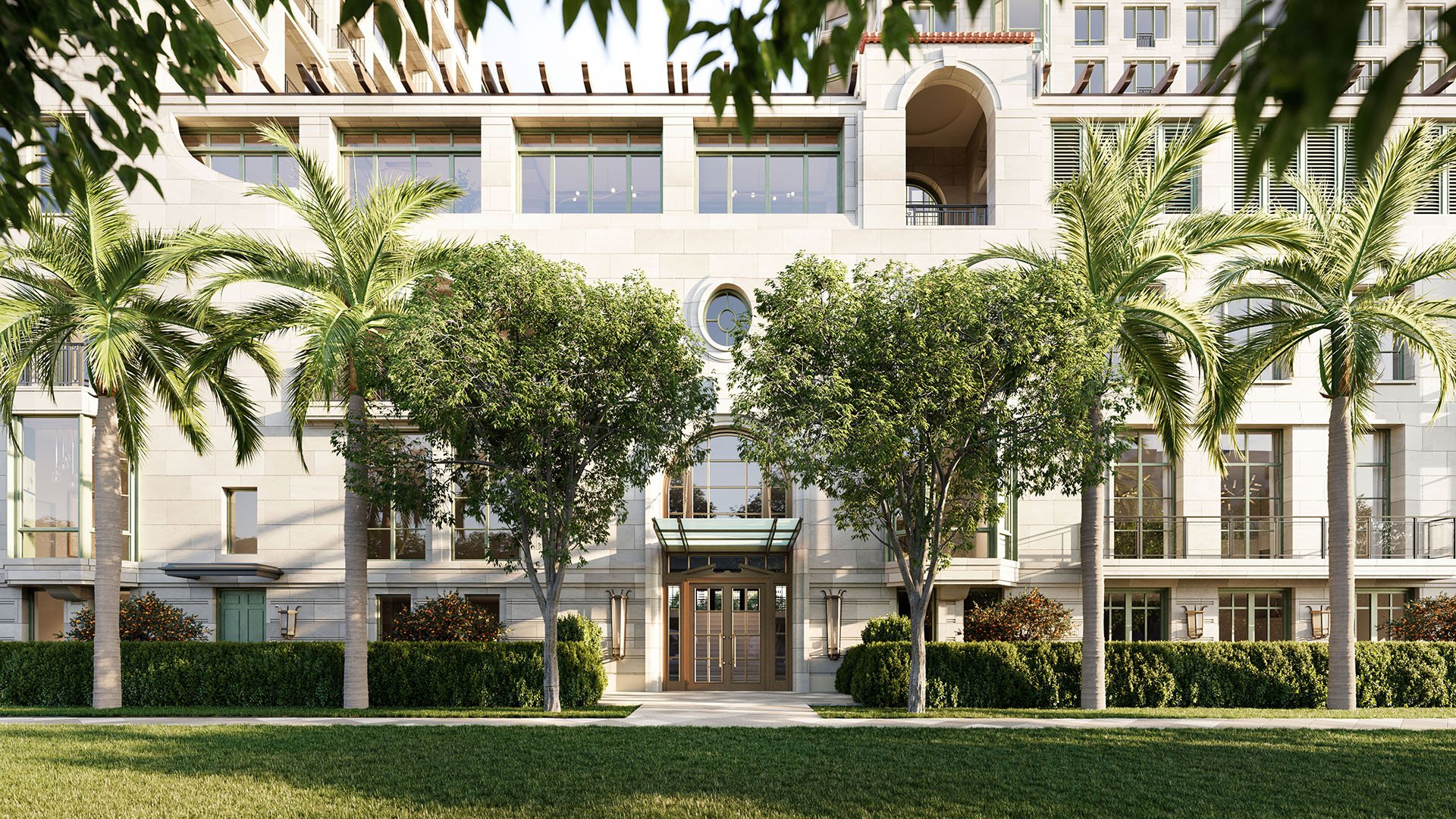
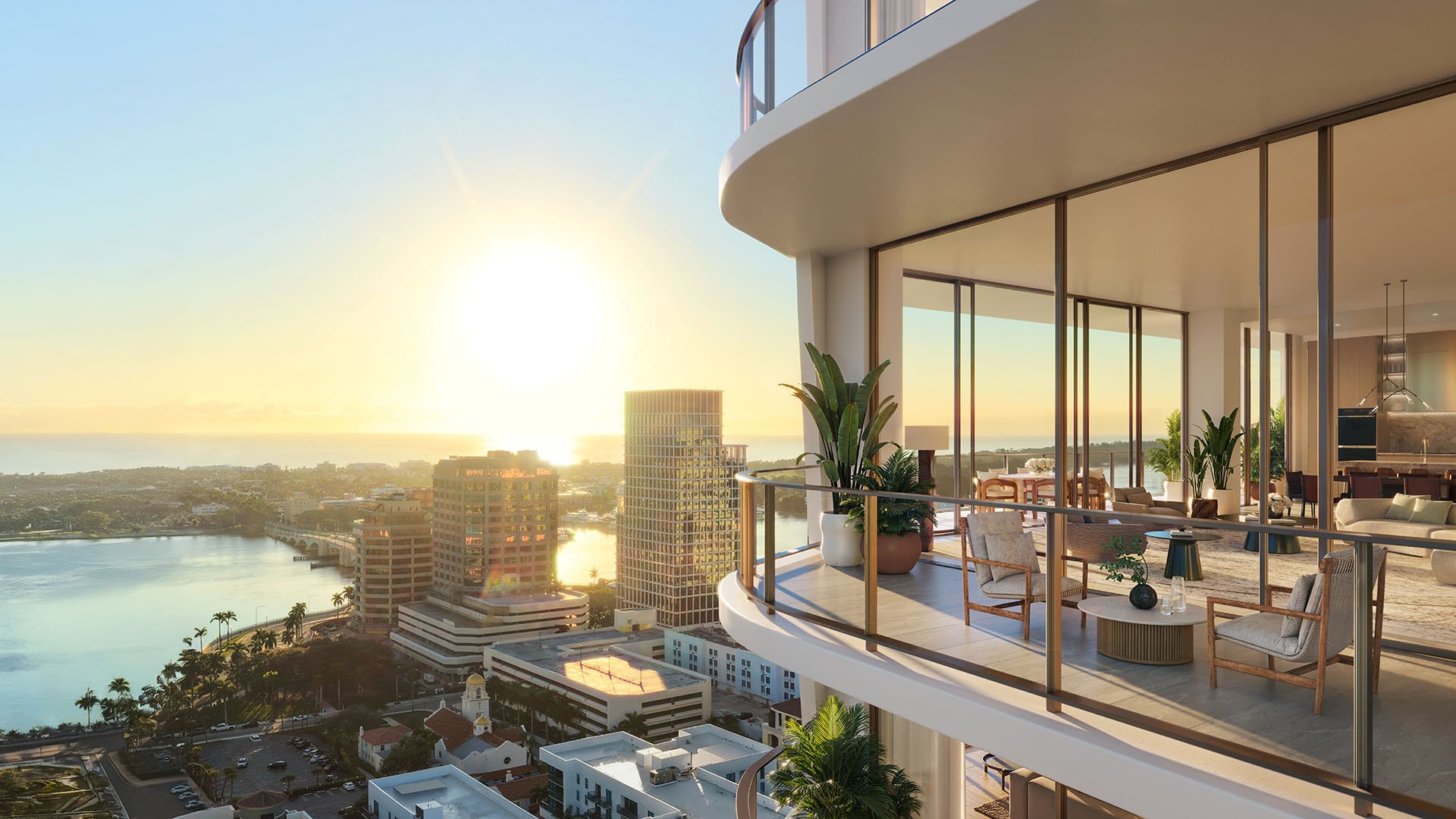
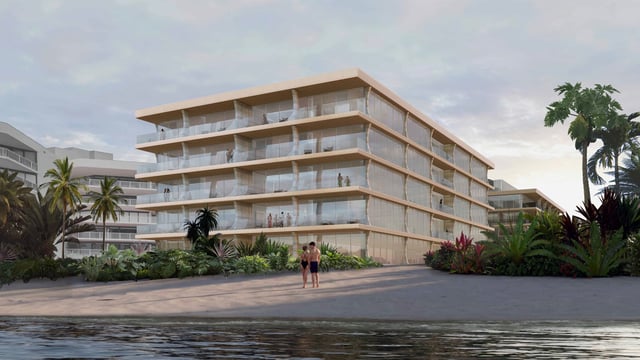
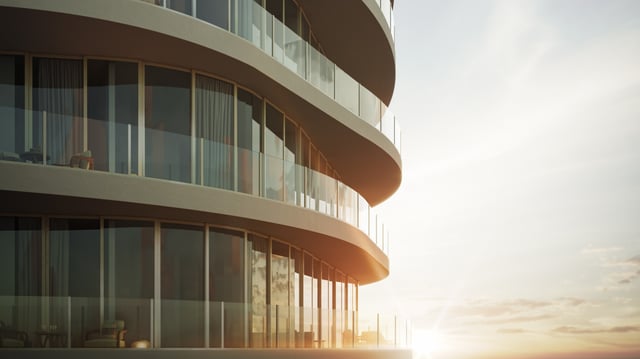
On West Palm Beach’s South Flagler Drive, two waterfront condo towers are often compared by the same buyers, yet they deliver very different versions of ultra-luxury. La Clara, at 1515 S Flagler Dr, positions itself as a resort-style, 83-residence building with a broader mix of layouts and penthouse offerings. Forté on Flagler, at 1309 S Flagler Dr, is intentionally boutique at 41 residences, emphasizing larger-format homes, fewer neighbors, and a highly curated design narrative tied to Arquitectonica and Jean‑Louis Deniot. For MILLION Luxury readers, the decision rarely comes down to a single feature. It is an underwriting exercise in privacy, floor plan scale, amenity philosophy, and how you want to live on the Intracoastal corridor day to day. Below, we translate marketing language into buyer-relevant signals, and we outline how sophisticated purchasers typically evaluate each tower within the broader West-palm-beach and Palm-beach orbit.

Preservation vs. Tear-Downs in Palm Beach County: A Luxury Buyer’s Guide to Risk, Value, and Design Review
In Palm Beach County, the most valuable real estate is often the land. But historic districts, design review, and state-level rules can materially change what you can renovate, demolish, or build. This MILLION Luxury editorial outlines how preservation frameworks work in West Palm Beach and Palm Beach, why ultra-luxury teardowns still happen, and how buyers can underwrite timelines and resale risk with more precision.

South Florida’s Luxury Lifestyle Tracks: Waterfront, Golf Clubs, and Wellington Equestrian Estates
In South Florida, the most decisive luxury purchases are rarely only about square footage. They are about identity, daily rituals, and the kind of access that cannot be manufactured at scale. For most affluent buyers, the search naturally resolves into three enduring lifestyle tracks: ocean and Intracoastal waterfront living, private golf club communities, and Wellington’s equestrian-centric properties. This guide outlines how each track behaves as a long-term asset and as a lived experience, and how to choose with clarity in 2026.

Palm Beach Trophy Homes: The Quiet Trade-Off Between Restored Landmark Estates and New-Construction Mega-Compounds
In Palm Beach, the top end is increasingly defined by a single question: do you buy history, or do you buy capability? From a freshly restored Addison Mizner estate asking $175 million to a Manalapan new-construction compound marketed around $285 million, today’s trophy decisions are less about décor and more about risk, resilience, and time. This MILLION Luxury editorial breaks down what wealthy buyers are really purchasing when they choose preservation-grade architecture versus engineered new buildouts and how nearby West Palm Beach offers a modern, service-forward alternative.

Palm Beach vs. the Hamptons in 2026: Where Ultra-Luxury Buyers Are Finding Leverage
A discreet, buyer-oriented comparison of Palm Beach County and the Hamptons at the top of the market: demand, supply scarcity, negotiation dynamics, and the practical realities that shape ownership.