A refined buyer’s guide to evaluating dockmaster service as part of waterfront living in Miami, Fort Lauderdale, and Palm Beach, with a focus on daily convenience, privacy, operational clarity, and long-term ownership fit.
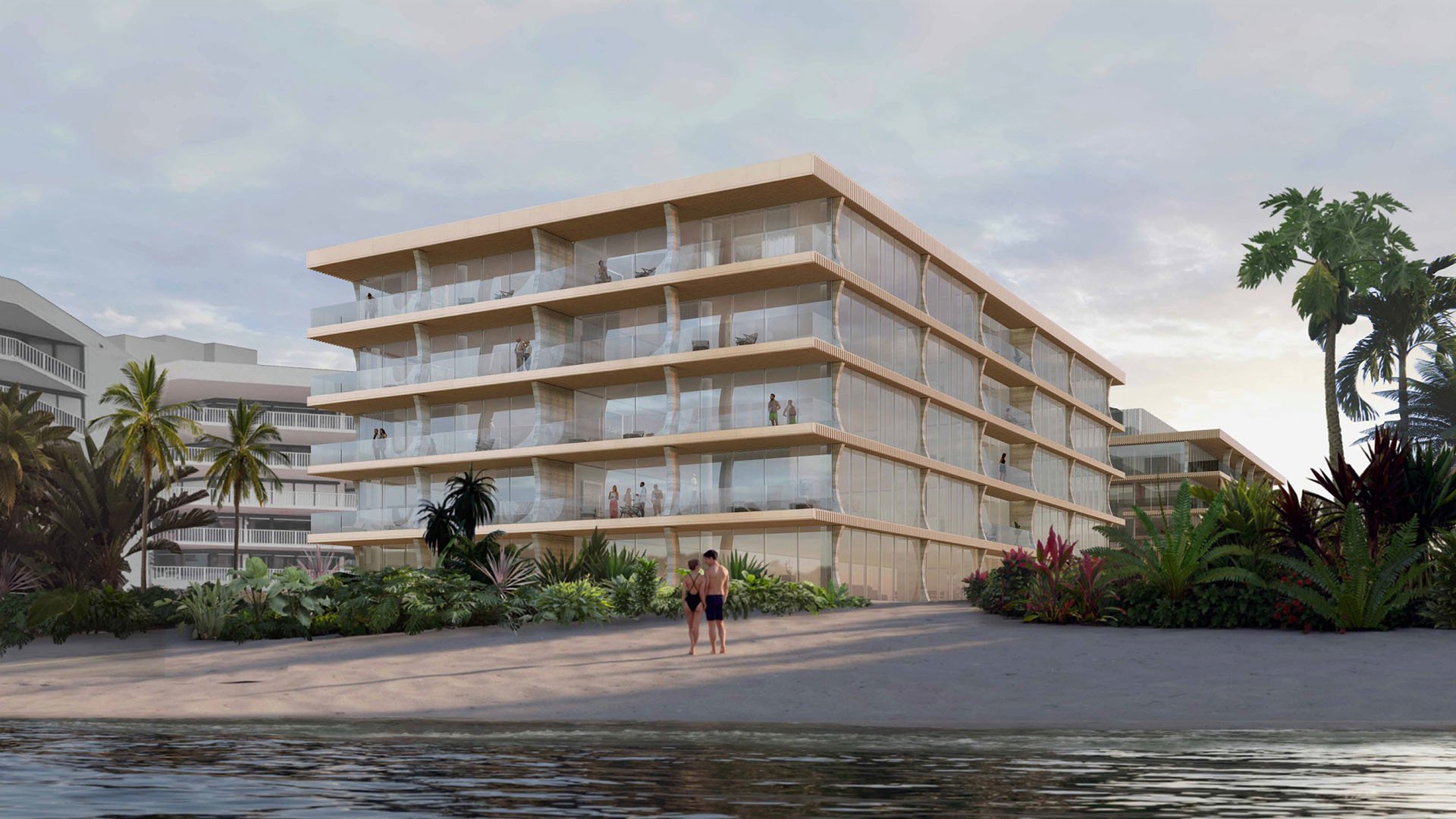
For South Florida’s waterfront buyer, dockmaster service deserves the same scrutiny as architecture, views, privacy, and building management. A residence may offer beautiful water frontage, a compelling Waterview, or proximity to a Marina, but the daily experience depends on how seamlessly the boating component is managed.
The most sophisticated buyers do not ask only whether a Boat-slip exists. They ask who manages movement, communication, access, guest arrivals, vessel readiness, and the small details that determine whether boating feels effortless or administrative. Where offered, dockmaster service is part hospitality, part operations, and part risk management.
Across Miami, Fort Lauderdale, and Palm Beach, the right question is not which market is better. The more useful question is how your boating life actually works. Do you use the water as a spontaneous evening extension of home, a weekend ritual, a sport, a social platform, or a private escape? The answer should shape how you evaluate service.
The phrase dockmaster service can mean different things from one property to another. Buyers should clarify the precise scope before assigning value to it. Does the service coordinate arrivals and departures? Is it a point of contact for owners, captains, guests, or vendors? Does it help manage access, scheduling, dock protocol, or daily communication? Does it support owner convenience, or is its role more limited and administrative?
The distinction matters. A beautifully presented waterfront amenity can feel underwhelming if the service layer is vague. Conversely, a more discreet operation can be invaluable when it is consistent, responsive, and clearly integrated into building management.
Buyers should also understand when service is available and how requests are handled. A luxury lifestyle depends on predictability. If a residence is intended for seasonal use, weekend use, or part-time ownership, the service model should account for the owner’s absence as gracefully as the owner’s arrival.
In Miami, waterfront living often intersects with a fast-moving social and cultural calendar. For buyers considering Miami Beach or nearby waterfront enclaves, dockmaster service should be evaluated through the lens of privacy, timing, and discretion. Its value lies in reducing friction: fewer calls, fewer delays, fewer uncertainties, and fewer handoffs between residence, vessel, guests, and staff.
Miami buyers should pay close attention to how communication flows. A strong arrangement makes coordination simple without exposing personal routines. It should feel polished, but not performative. The best service does not announce itself; it simply makes the owner’s preferred rhythm easier to maintain.
This is especially important for buyers who entertain. Guest movement around waterfront areas should be intuitive, secure, and elegantly managed. The service should protect the quiet luxury of the residence while accommodating the practical realities of boating life.
Fort-lauderdale is often discussed by waterfront buyers in terms of boating culture, but the more useful lens is operational confidence. If boating is not occasional but central to the ownership experience, dockmaster service becomes part of the property’s functional value. It should support a calm, orderly interface between home and water.
Here, the buyer’s questions should become more detailed. How are common dock areas managed? How are conflicts avoided? How are owner preferences documented? How does the dockmaster communicate with building staff, security, or management when issues arise? A luxury residence should not require the owner to personally mediate routine dock matters.
For buyers with captains, crew, or recurring marine vendors, clarity is essential. Service expectations should be written, not assumed. When responsibilities are ambiguous, even a premium waterfront setting can feel inefficient. When responsibilities are precise, the property feels more complete.
Palm-beach buyers often prioritize composure: privacy, order, and the sense that every element of the property is being quietly stewarded. In that context, dockmaster service is valuable when it reinforces calm. It should not feel like a busy amenity desk relocated to the water. It should feel like an extension of the residence’s standards.
The evaluation should focus on discretion and continuity. Who knows the owner’s preferences? How is information handled? Are arrivals and departures managed with subtlety? Does the service complement the tone of the property, or does it introduce unnecessary visibility?
For second-home owners, this can be especially meaningful. A waterfront home that is not occupied every day still needs thoughtful oversight. The owner should feel that the water-facing side of the property is not an afterthought, but part of the home’s larger service ecosystem.
A dockmaster program has real value only when it aligns with the way the owner lives. Before paying a premium for waterfront service, buyers should ask practical questions. What is included? What is excluded? Who is accountable? How are requests documented? How are after-hours needs handled, if at all? What is the relationship between dock operations and property management?
Insurance, liability, and vessel-specific responsibilities should be reviewed with appropriate professional advisers. The goal is not to turn a lifestyle purchase into a legal exercise, but to avoid assumptions. Luxury ownership is most enjoyable when responsibilities are understood in advance.
Buyers should also observe tone. Is the service culture polished, respectful, and calm? Does the team understand privacy? Is the dock environment orderly? Are rules presented as hospitality standards or as reactive restrictions? These details often reveal how the experience will feel after closing.
When comparing waterfront properties, resist reducing the decision to frontage, slip availability, or view. Those elements matter, but they do not describe the operating experience. A residence with a less dramatic presentation may deliver a better ownership experience if its service model is clearer and more reliable.
Think of dockmaster service as part of the property’s invisible architecture. Elevators, valet, security, concierge, and dock operations all contribute to the same question: does the residence remove complexity from the owner’s life? If the answer is yes, the amenity has substance. If the answer is unclear, the buyer should keep asking.
In a search brief, labels such as Marina, Boat-slip, Waterview, Miami Beach, Fort-lauderdale, and Palm-beach are useful starting points. They are not conclusions. The real work is matching the physical waterfront setting with a service culture that fits the owner’s habits, privacy expectations, and boating cadence.
What is dockmaster service? It is the management layer that supports the dock or marina experience, where offered, including communication, access, protocol, and day-to-day coordination.
Is dockmaster service the same in every building? No. The name can cover different responsibilities, so buyers should review the exact scope rather than relying on the label.
Why does it matter for luxury buyers? It affects how effortless waterfront living feels, especially when boating is part of daily or seasonal life.
Should I value a Boat-slip without service differently? Yes. A slip can be valuable, but the service model around it may influence convenience, privacy, and usability.
What should Miami buyers prioritize? Miami buyers should focus on discretion, fast communication, guest coordination, and reduced friction around spontaneous use.
What should Fort Lauderdale buyers prioritize? Fort Lauderdale buyers should focus on operational clarity, dock protocol, and coordination with captains, crew, or vendors.
What should Palm Beach buyers prioritize? Palm Beach buyers should focus on privacy, continuity, and a service culture that feels calm rather than conspicuous.
Can dockmaster service affect resale appeal? It can strengthen the ownership story when the service is clear, well managed, and aligned with the property’s waterfront identity.
Should service details be reviewed before contract? Yes. Buyers should understand responsibilities, exclusions, access rules, and management structure before assigning value.
How should I compare two waterfront properties? Compare not only the view and slip, but also the service experience, communication standards, privacy, and ease of use.
When you're ready to tour or underwrite the options, connect with MILLION.
If branded residences are on your mind — as a home or as an allocation — we would be glad to share what we are seeing, privately.
Begin a quiet conversation