Inside 888 Brickell by Dolce & Gabbana: Design, Location, and Full-Time Living Considerations
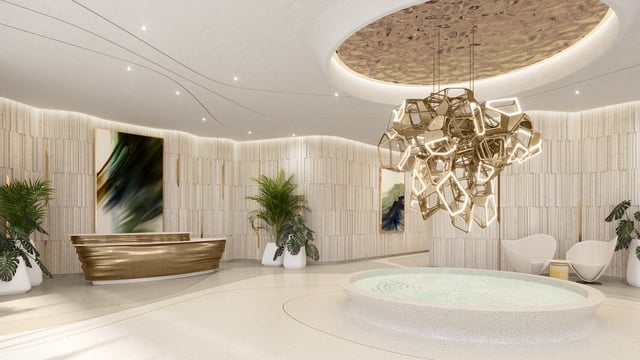
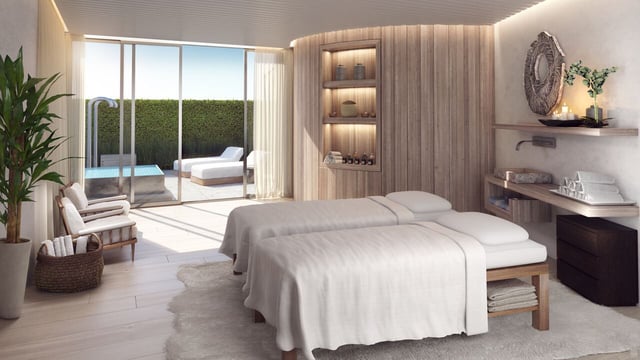
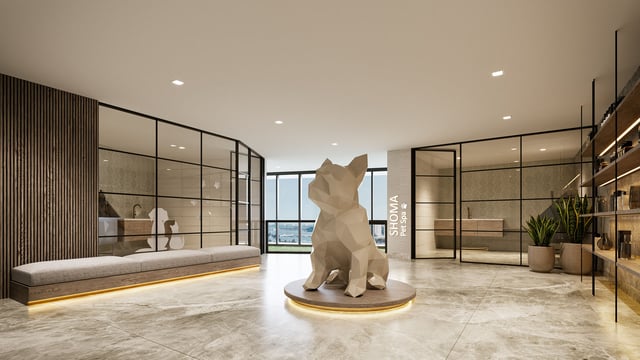
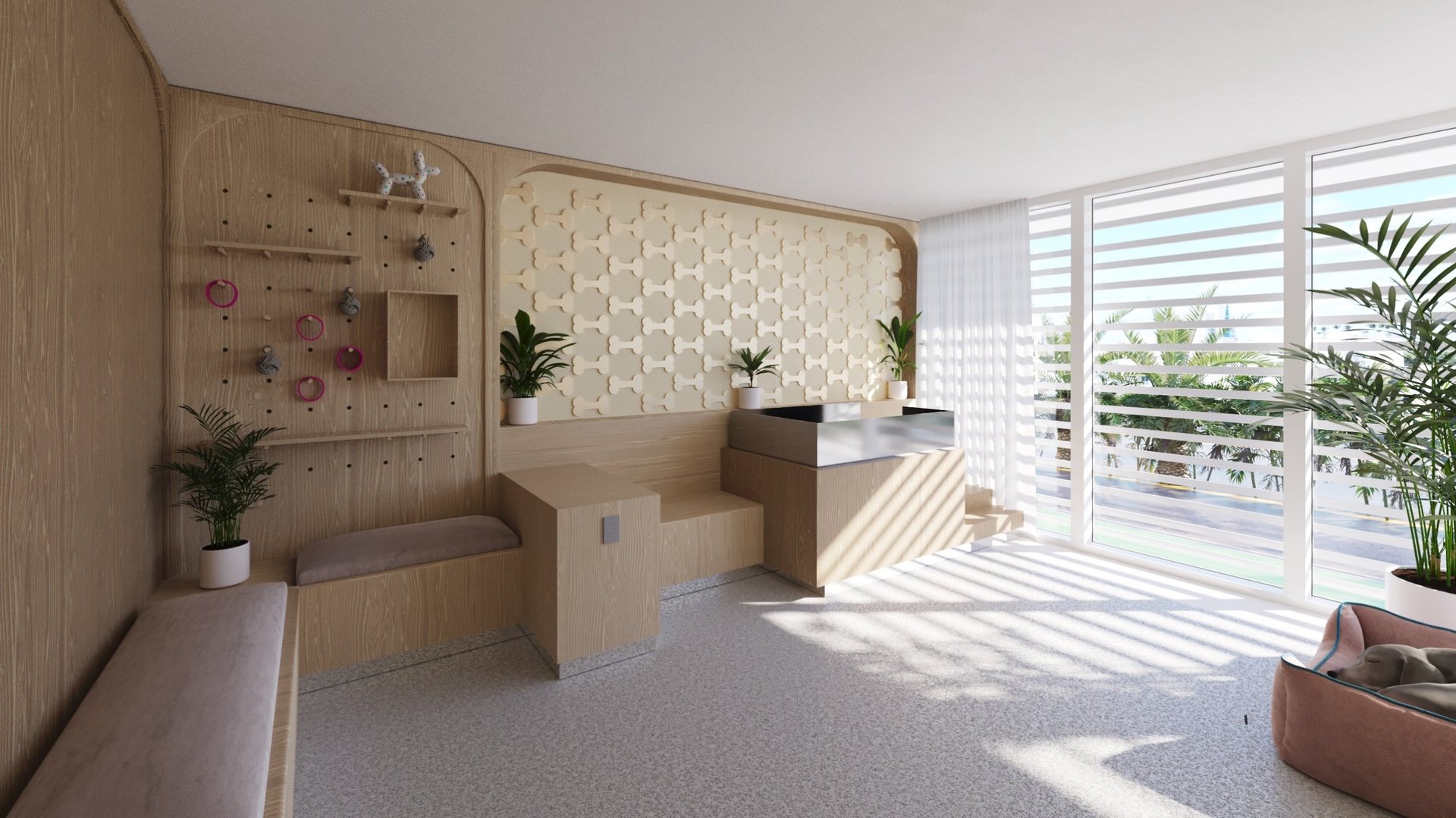
A buyer-focused look at 888 Brickell by Dolce & Gabbana, from its branded design language and Brickell address to the practical questions that matter for full-time living.
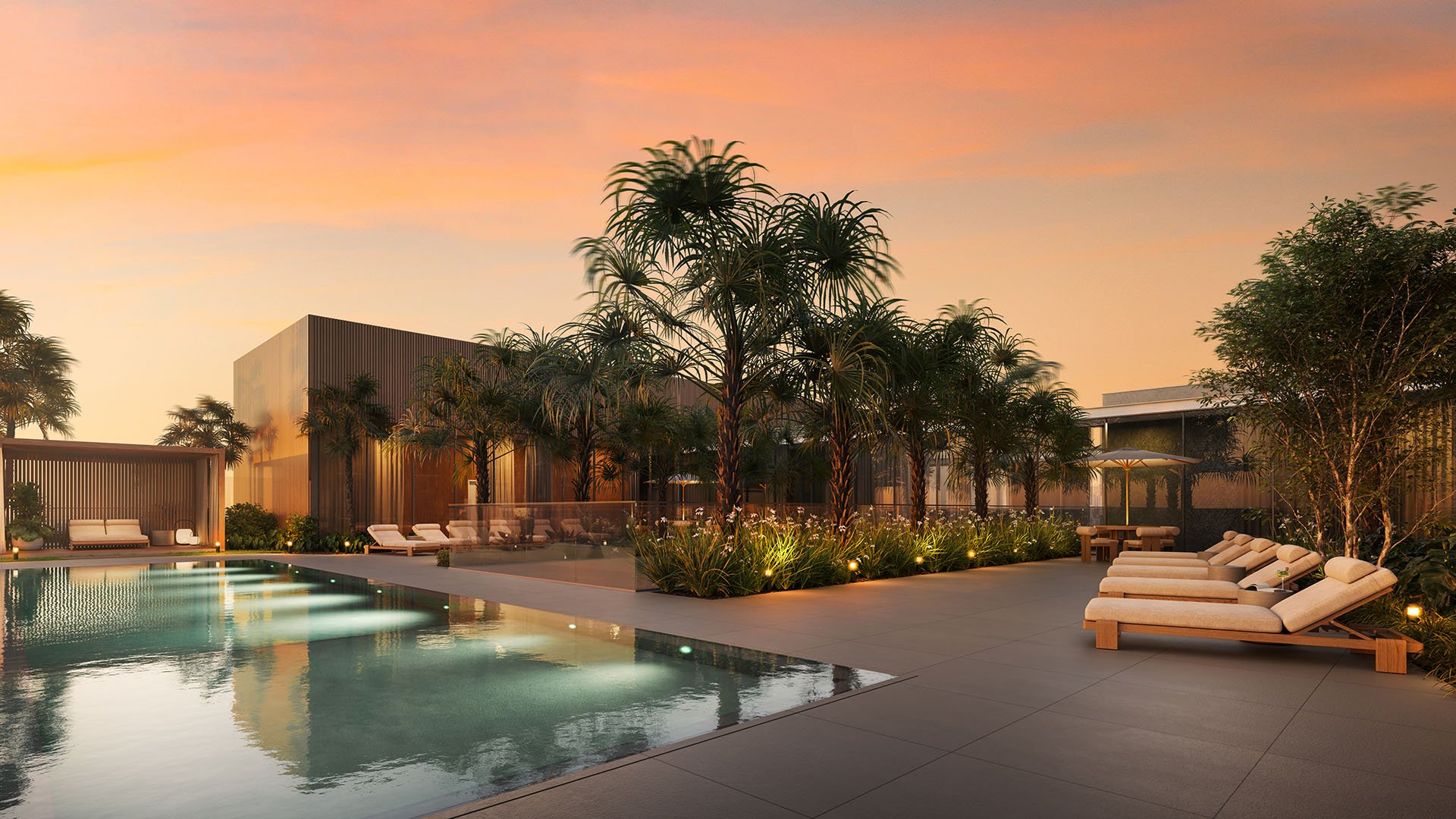
Colette Residences Brickell vs 888 Brickell by Dolce & Gabbana: Hospitality, Privacy, and Lifestyle Fit for Buyers
A buyer-focused comparison of Colette Residences Brickell and 888 Brickell by Dolce & Gabbana, viewed through privacy, hospitality style, brand identity, and day-to-day lifestyle fit in Miami’s luxury market.
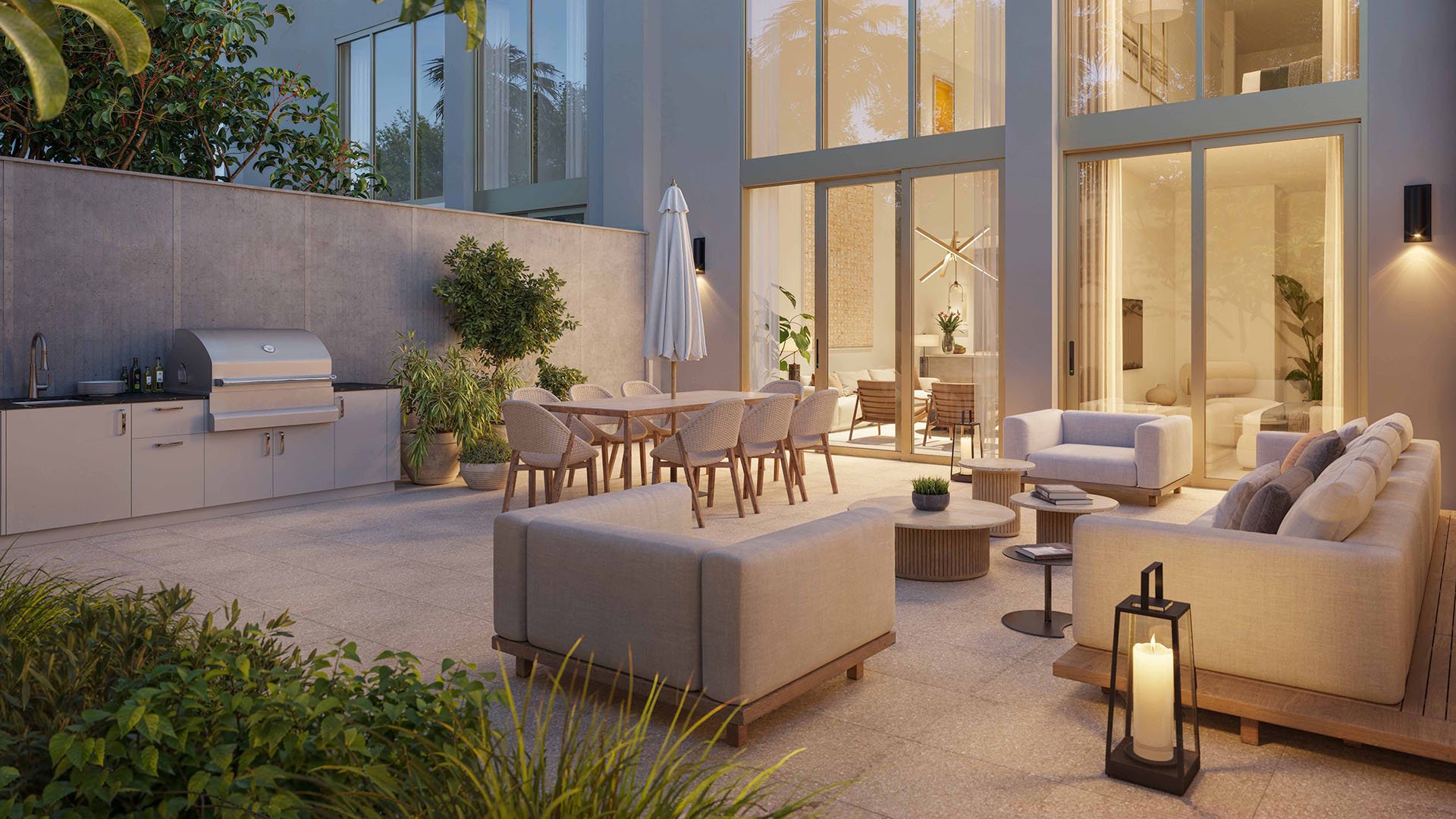
888 Brickell by Dolce & Gabbana and 2200 Brickell: How Building Culture Shapes Family Amenities, Teen Spaces, and Guest-Suite Access
A buyer-focused look at how culture, governance, and hospitality expectations can shape family living at 888 Brickell by Dolce & Gabbana and 2200 Brickell.
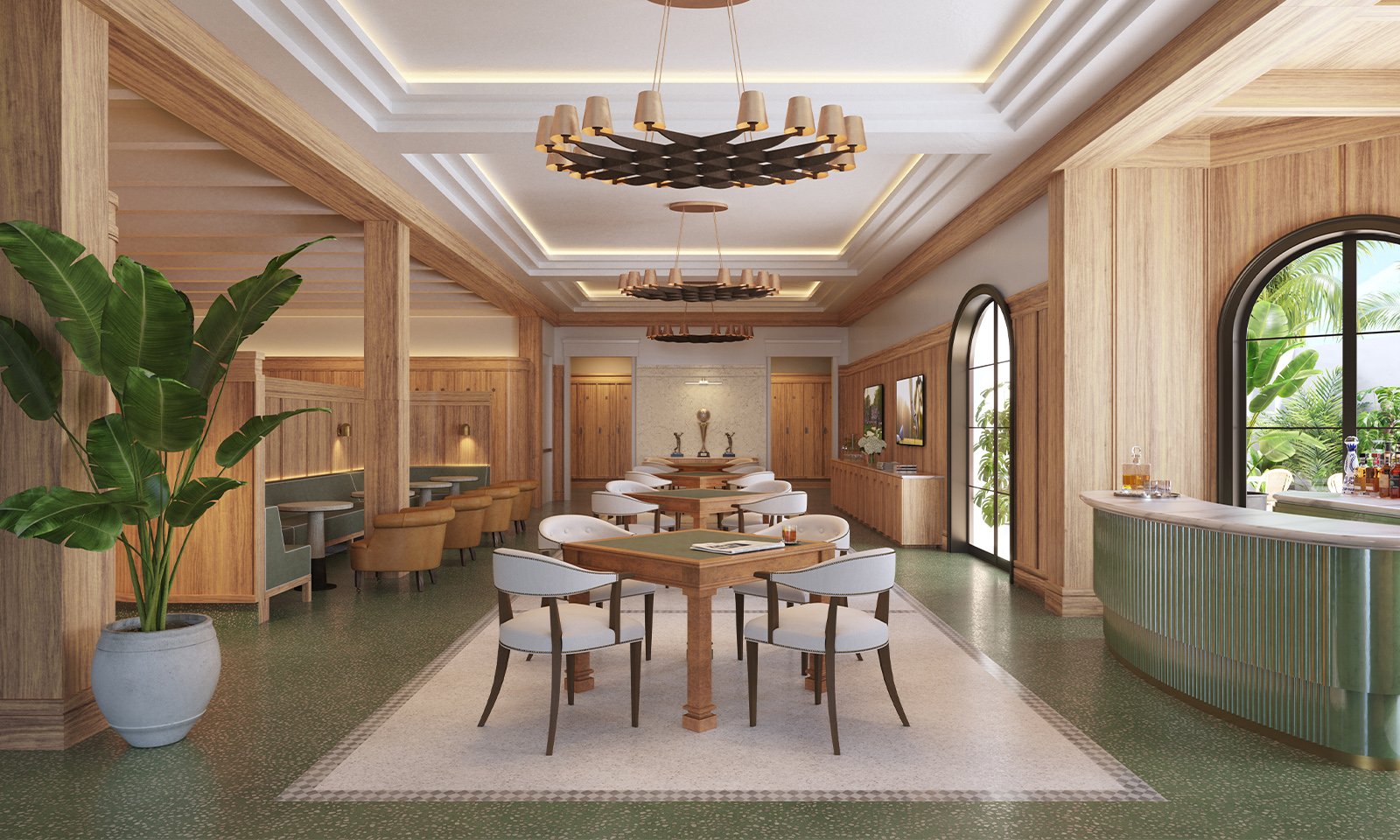
888 Brickell by Dolce & Gabbana and Shell Bay by Auberge Hallandale: What Full-Time Owners Should Know About Floor-Plan Flexibility, Secondary Bedrooms, and Staff-Room Usefulness
A practical ownership-focused guide to reading floor plans at 888 Brickell by Dolce & Gabbana and Shell Bay by Auberge Hallandale, with emphasis on flexible rooms, secondary bedrooms, staff-room usefulness, and daily livability for full-time South Florida residents.
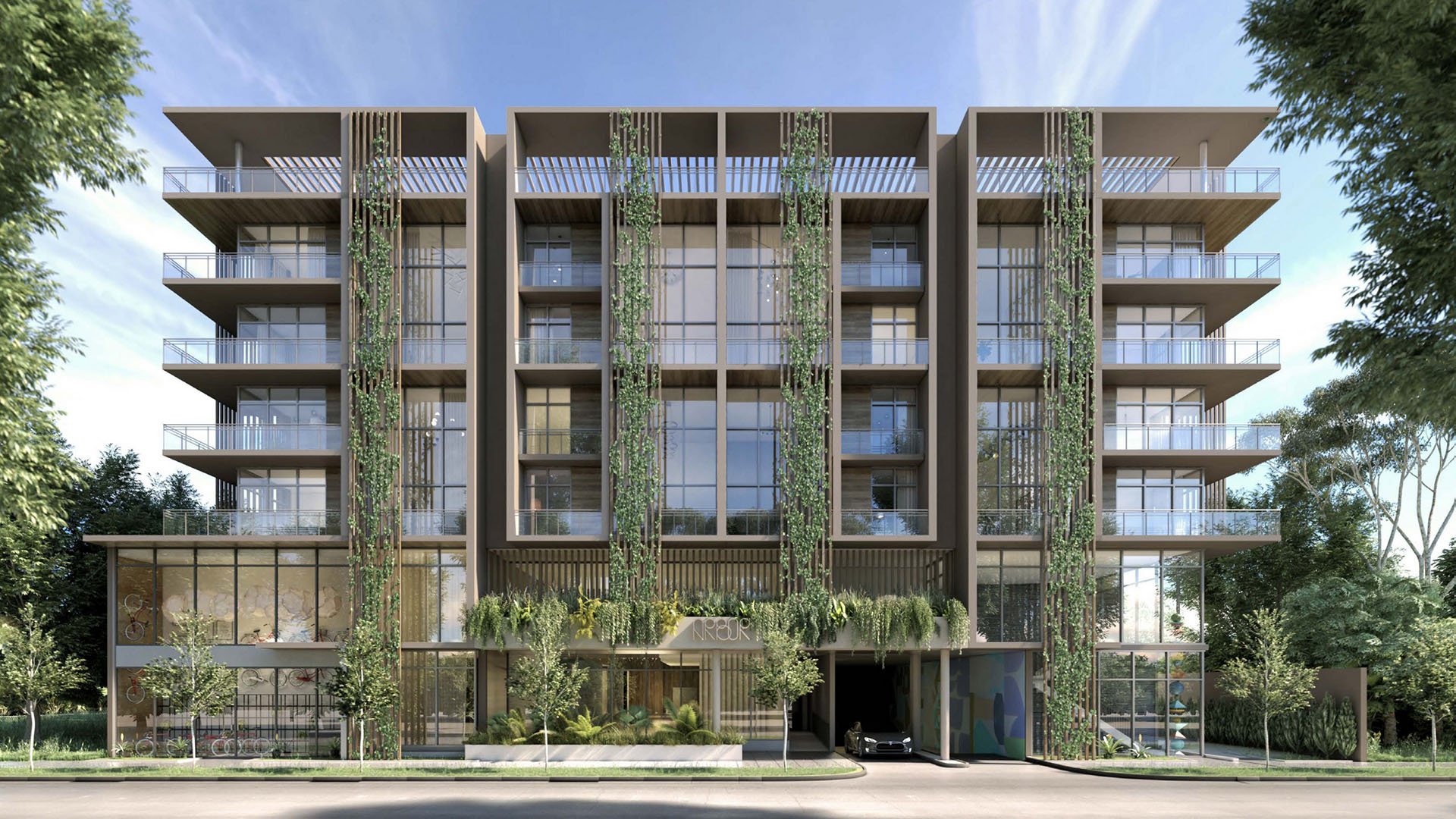
888 Brickell by Dolce & Gabbana or Arbor Coconut Grove: Which Residence Better Fits Buyers Who Split Time Between New York and South Florida
A buyer-focused comparison of 888 Brickell by Dolce & Gabbana and Arbor Coconut Grove for New York owners evaluating whether their South Florida residence should function as a turnkey urban pied-à-terre or a calmer neighborhood home.
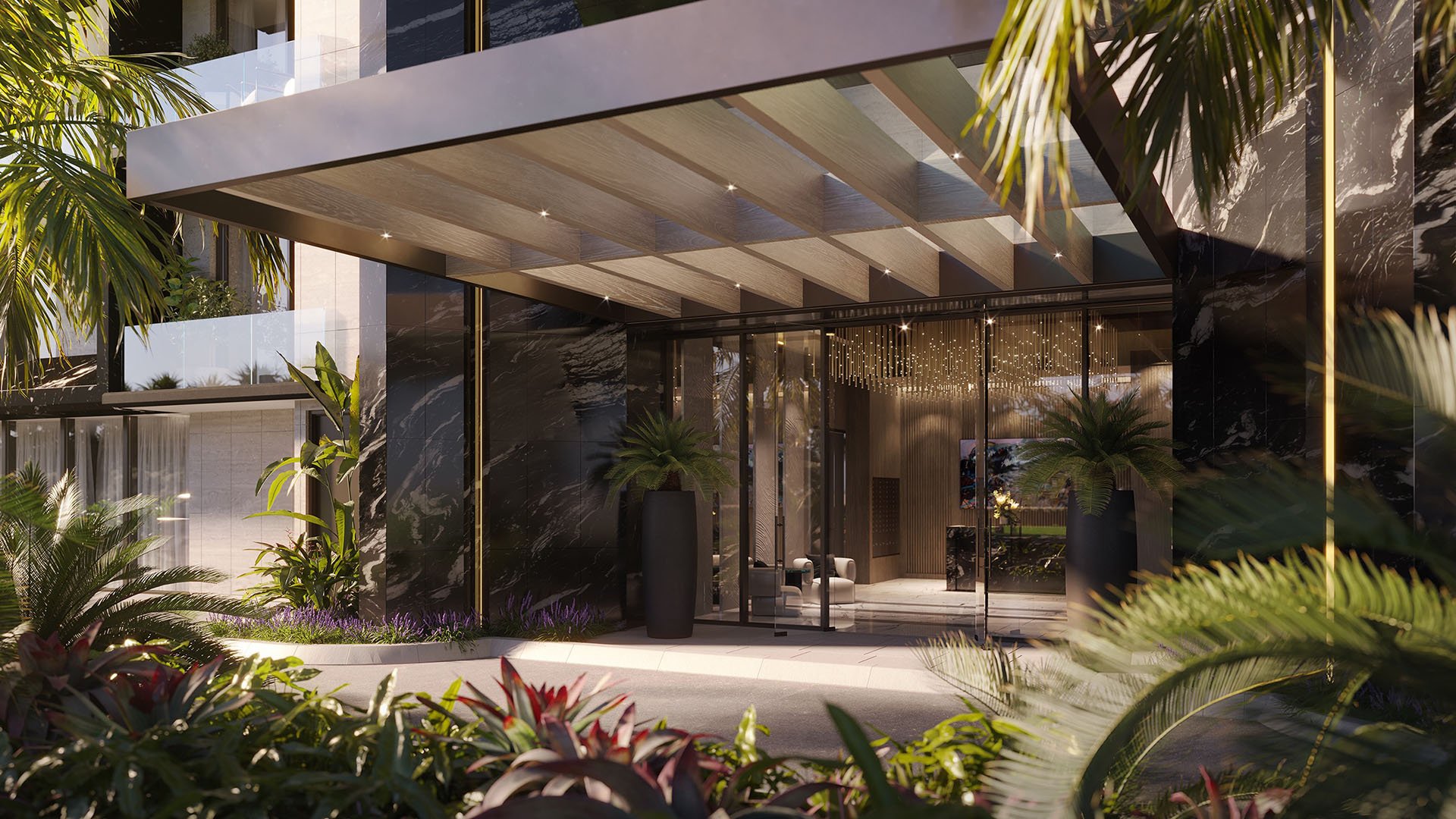
888 Brickell by Dolce & Gabbana: The Lock-and-Leave Question Behind Cash-Buyer Negotiation Leverage
A buyer-focused analysis of 888 Brickell by Dolce & Gabbana, examining how lock-and-leave convenience, fashion-house branding, and cash certainty may shape negotiation leverage in Miami’s urban luxury-condo market.