A practical, luxury-minded guide to choosing between Sunny Isles Beach and Surfside by focusing on daily rhythm, access, privacy, services, and waterfront livability rather than postcard appeal alone.
A waterfront home in South Florida is rarely purchased for shelter alone. It is chosen for light, air, ritual, and the quiet recalibration that comes with arrival. Yet the most successful purchase is not always the address with the most dramatic first impression. It is the one that works when the week is full, guests arrive, deliveries stack up, dinner plans change, and the beach is not an occasion but part of the daily background.
That is the practical lens for comparing Sunny Isles Beach and Surfside. Both can offer a highly desirable coastal life, but they tend to speak to different versions of luxury. One buyer may want a building that feels like a vertical resort, with a deep amenity program, a prominent arrival sequence, and a high-rise sensibility. Another may prefer a quieter, more residential cadence, where the address feels discreet and the surrounding scale is gentler.
For the MILLION buyer, the question is not simply which is more prestigious. It is which waterfront address will reduce friction in ordinary life.
Sunny Isles Beach often appeals to buyers who want the practical advantages of a full-service oceanfront lifestyle. The appeal is not only the water view. It is the ability to move from residence to beach, pool, fitness, spa, valet, lobby, and private transport with minimal interruption. For buyers who split time across multiple homes, that kind of controlled environment can be deeply valuable.
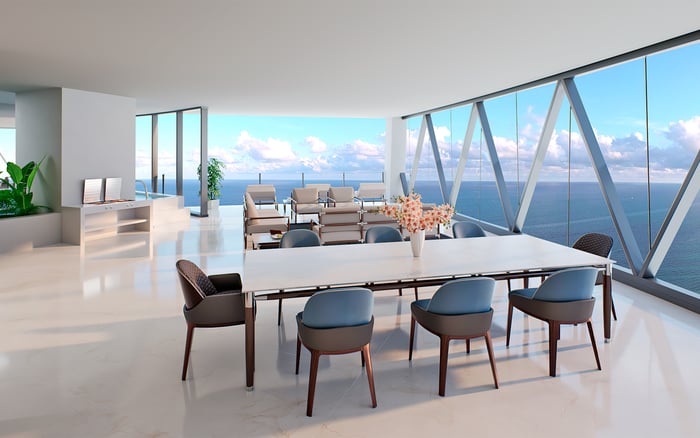
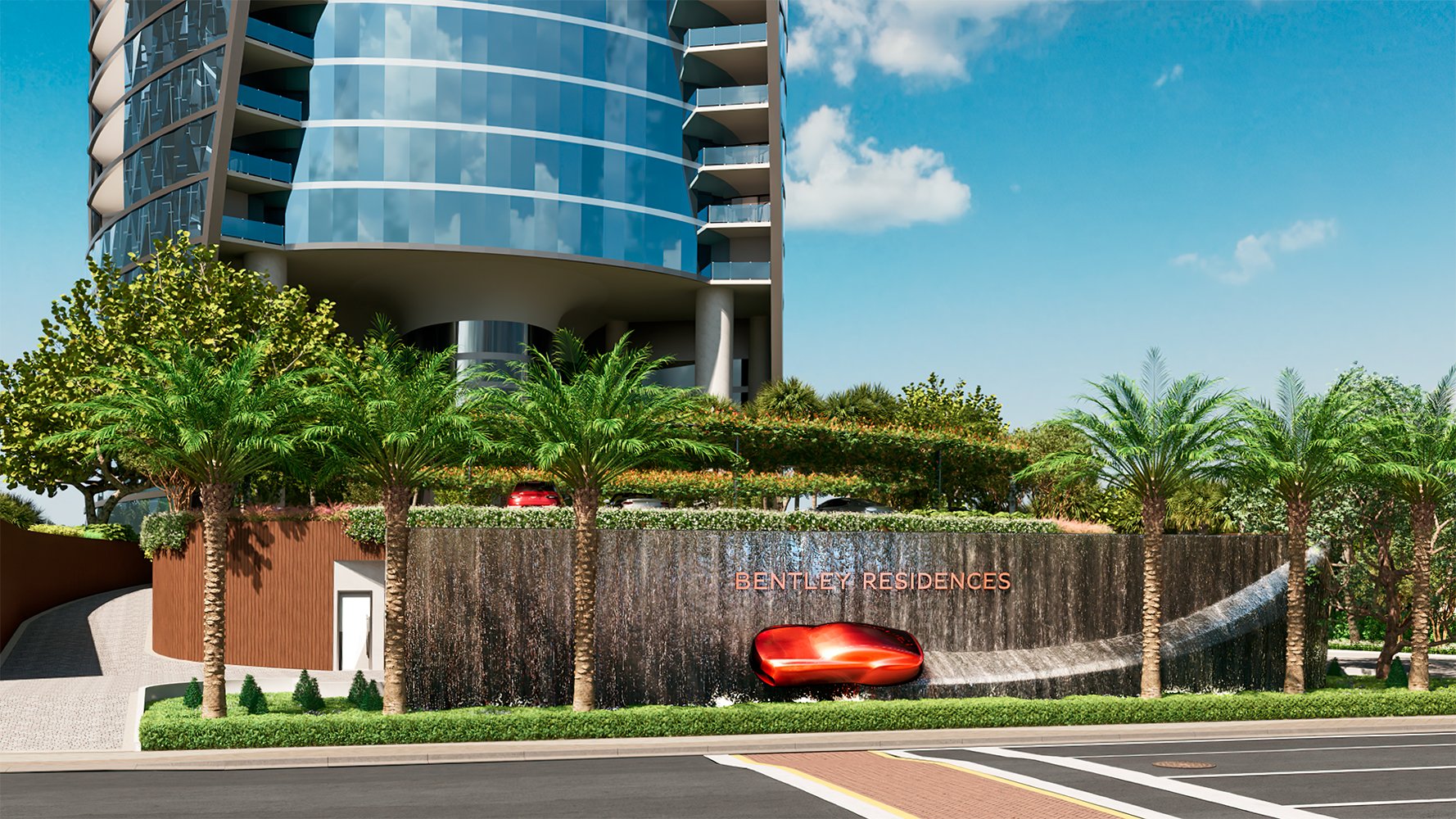
The vertical nature of the market also matters. High-rise living can create a strong sense of separation from the street, with expansive outlooks and a more self-contained residential experience. A buyer considering Bentley Residences Sunny Isles, for example, is often thinking not only about the address, but about how a building can structure daily life around privacy, arrival, and convenience.
Sunny Isles Beach can also make sense for those who entertain frequently or expect a residence to perform like a staffed private retreat. In that context, service depth becomes a form of utility. The most relevant questions are simple: How easy is it for guests to arrive? How intuitive is valet flow? Where do household staff, drivers, packages, luggage, beach gear, and pets fit into the rhythm of the building?
An oceanfront home only feels effortless when the supporting systems are equally refined.
Surfside speaks in a different register. Its appeal is less about spectacle and more about proportion, privacy, and the feeling of being in a coastal village rather than a vertical corridor. For many buyers, that quieter rhythm is the luxury. It can suit those who want the waterfront experience without feeling absorbed by the scale of a larger skyline.
Residences such as The Delmore Surfside and Arte Surfside fit naturally into conversations about discretion, architectural presence, and a more intimate daily cadence. The buyer drawn to Surfside may be less interested in constant activity and more focused on the quality of arrival, the calm of the surroundings, and the ability to move through the day without unnecessary exposure.
This does not mean Surfside is less practical. It means its utility is expressed differently. Instead of asking how expansive the amenity program feels, the sharper question is whether the address preserves the simplicity of a beachside routine. Can you step out without planning? Does the building feel calm when it is full? Is the residence easy to leave and easy to return to?
For some buyers, the most valuable amenity is restraint.
Waterfront living can be seductive at the showing and frustrating after closing if the daily mechanics are not aligned with the owner’s life. Before choosing between Sunny Isles Beach and Surfside, map the week with unusual honesty.
Where do you go most often? Which bridges, corridors, clubs, schools, marinas, offices, restaurants, and airports matter to your household? How often do you host overnight guests? Do you prefer a destination building with layered services, or a residence that lets you feel immediately connected to the neighborhood?
In Sunny Isles Beach, buyers often prioritize building infrastructure and the convenience of having more of life contained within the property. At St. Regis® Residences Sunny Isles, the name itself may prompt buyers to think carefully about service expectations, privacy protocols, and how a branded residential environment supports everyday use.
In Surfside, buyers may focus more on neighborhood scale, quieter movement, and the pleasure of a coastal address that does not need to announce itself. The everyday test is not universal. A perfect address for a seasonal owner may be wrong for a family that lives locally full time. A spectacular view may not compensate for an arrival sequence that feels cumbersome.
Privacy in luxury real estate is often discussed as if it means only seclusion. In practice, it has several layers.
There is visual privacy: the degree to which the residence feels protected from neighboring sightlines. There is operational privacy: the way staff, guests, deliveries, and service providers move through the property. There is social privacy: the ability to live without being constantly observed in shared spaces. And there is emotional privacy: the sense that the home allows you to fully exhale.
Sunny Isles Beach may deliver privacy through height, service control, and a more managed tower environment. Surfside may deliver privacy through lower intensity, calmer transitions, and a more discreet residential tone. Neither approach is inherently superior. The better choice depends on what kind of privacy your household actually values.
This is where a building-by-building comparison becomes essential. Two addresses in the same market can live very differently.
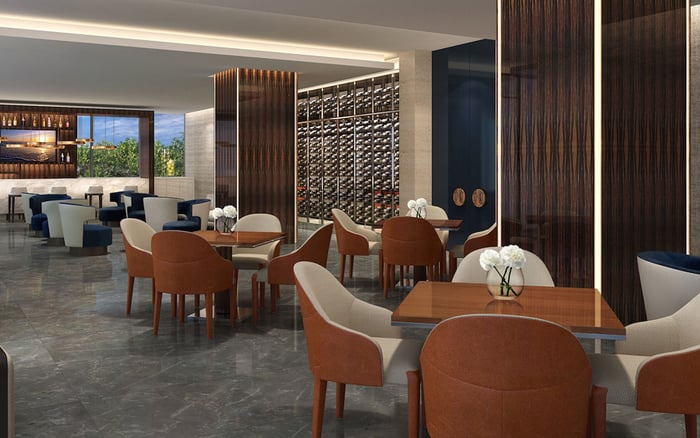
The most compelling amenities are not the longest list on a brochure. They are the ones that remove friction from the owner’s life. A fitness center is useful if it replaces a daily commute. A spa suite is useful if it becomes part of a weekly routine. A resident lounge is useful if it genuinely improves entertaining. Beach service is useful if it makes the water feel accessible, not ceremonial.
In Sunny Isles Beach, amenity depth may be central to the decision. Buyers evaluating The Ritz-Carlton Residences® Sunny Isles may naturally think about how service, hospitality, and residential privacy intersect. In Surfside, the same buyer may value fewer but more quietly executed shared spaces, especially if the priority is calm rather than abundance.
The key is to separate impressive from useful. A residence that supports your actual rituals will outperform a more elaborate one that you rarely use.
Waterfront property is often evaluated through view, frontage, finish, and brand. Those are meaningful, but they are incomplete. Real utility comes from the way the address supports time.
A buyer who wants a highly serviced, lock-and-leave lifestyle may find Sunny Isles Beach especially persuasive. A buyer who wants an elegant beachside environment with a more intimate atmosphere may feel more at home in Surfside. A household that entertains frequently may prioritize arrival, guest suites, catering flow, and staff coordination. A couple seeking a quieter second-home rhythm may care more about calm common areas, easy beach access, and a residence that feels serene on ordinary mornings.
The best waterfront choice is the one where the glamorous parts and practical parts are aligned. If they are not, the home may photograph beautifully but live awkwardly.
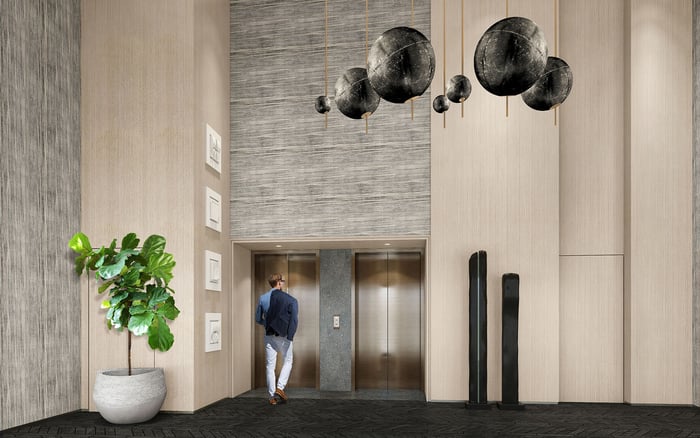
Begin with rhythm. Decide whether your ideal day is centered inside the building or gently connected to the neighborhood around it. Then consider arrival. A luxury residence should make coming and going feel composed, even at busy times. Next, evaluate service. Some buyers want highly visible hospitality; others prefer subtle support that is present only when needed.
Then test the residence for storage, pets, guests, household staff, and seasonal closing. These ordinary details often reveal more than the view. Finally, pay attention to how you feel at different times of day. Morning light, lobby energy, elevator cadence, pool activity, and beach access can all change the experience.
Sunny Isles Beach or Surfside is not a binary of better or lesser. It is a choice between two different interpretations of coastal utility. The right answer is the one that makes the waterfront feel less like an escape from daily life and more like the best possible version of it.
Is Sunny Isles Beach better than Surfside for full-service living? It may be better for buyers who want a more tower-oriented, amenity-rich residential experience. The right answer depends on the specific building and household routine.
Is Surfside better for a quieter waterfront lifestyle? Surfside often appeals to buyers seeking a more discreet and intimate coastal rhythm. It is especially compelling when calm and neighborhood scale are priorities.
Should I choose based on view first? View matters, but it should not be the only criterion. Access, arrival, privacy, service, and daily convenience often determine long-term satisfaction.
What does beach access mean in a luxury purchase? Beach access is not just proximity to sand. It is the ease, privacy, and consistency with which the building lets you enjoy the shoreline.
Are branded residences more useful for seasonal owners? They can be attractive when service expectations, maintenance, and lock-and-leave convenience are priorities. Buyers should still compare operational details carefully.
Which market is better for entertaining? Sunny Isles Beach may suit buyers who want larger-scale service and guest handling. Surfside may suit more private, lower-key entertaining.
How should families compare the two areas? Families should map daily routes, guest patterns, pets, storage, beach routines, and after-school or weekend needs. The best fit is highly personal.
Is a smaller building always more private? Not always. Privacy depends on design, staffing, circulation, sightlines, and resident culture, not simply the number of homes.
What is the biggest mistake buyers make? They fall in love with the view before testing how the address functions. Everyday utility should be evaluated as carefully as finishes.
Can both markets work for a second home? Yes, but for different reasons. Sunny Isles Beach may emphasize service depth, while Surfside may emphasize discretion and ease.
When you're ready to tour or underwrite the options, connect with MILLION.
If branded residences are on your mind — as a home or as an allocation — we would be glad to share what we are seeing, privately.
Begin a quiet conversation