A discreet buyer’s guide to assessing private-driver waiting areas at Sixth & Rio Fort Lauderdale and comparable luxury condominium settings, with emphasis on privacy, service flow, documentation, and resale relevance.
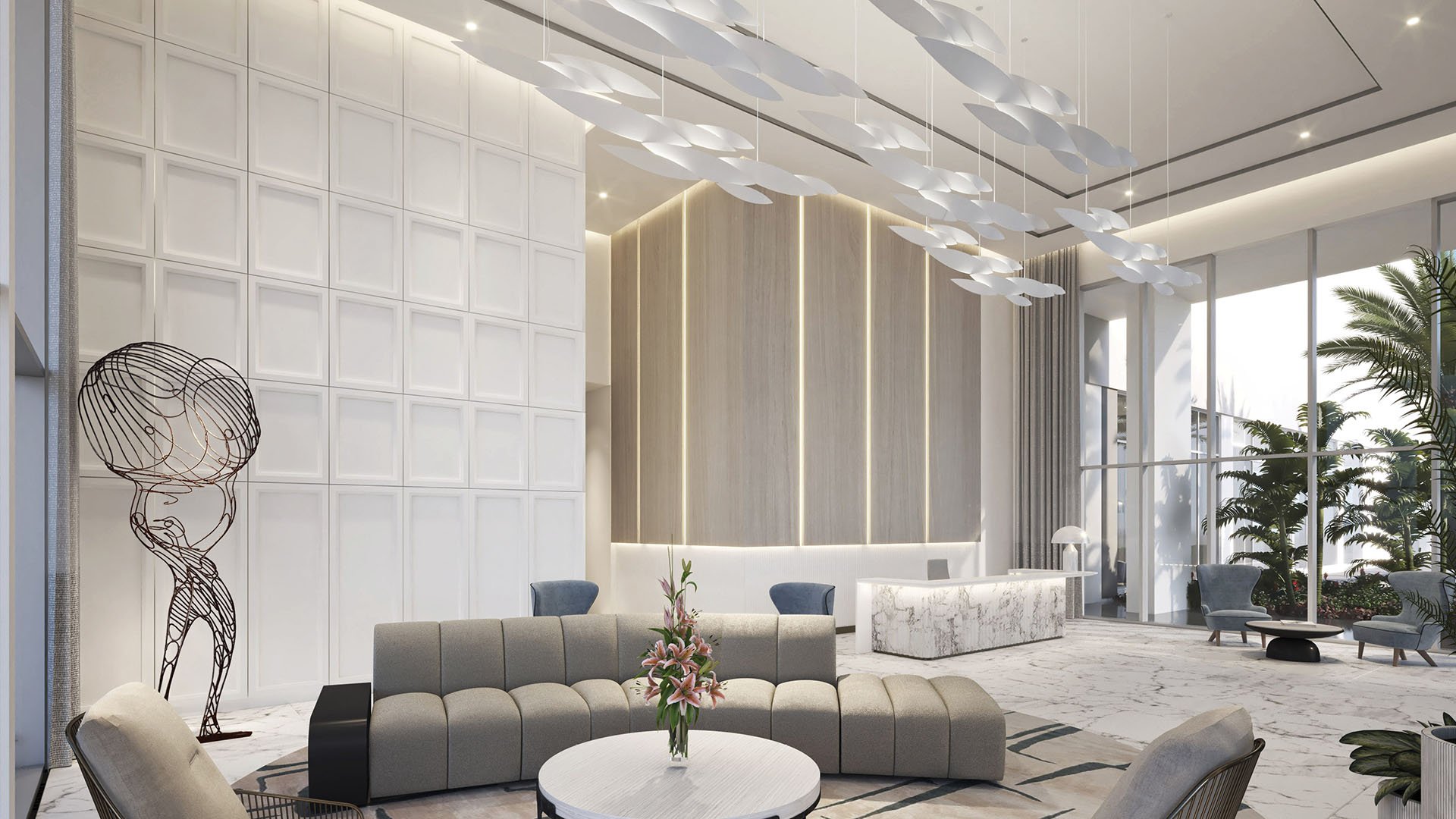
At the highest tier of South Florida residential life, service begins before a resident reaches the lobby. A private-driver waiting area, when properly planned and operated, can protect privacy, reduce arrival friction, and make daily movement feel composed rather than exposed. For buyers evaluating Sixth & Rio Fort Lauderdale, the right approach is not to assume a finished amenity package, but to ask sharper questions about circulation, documentation, and long-term operating discipline.
In Fort Lauderdale, arrival choreography can be especially relevant because residents, guests, valet teams, private drivers, rideshare vehicles, pedestrians, and service providers may all interact near the same curbside environment. The more visible or improvised that interaction becomes, the less private the building experience may feel.
The key is to treat any private-driver waiting concept as a due-diligence item. Buyers should inspect what is being represented, what is documented, and what will be governed after turnover. A driver-related amenity can be meaningful, but only if its purpose, access rules, staffing assumptions, and resale relevance are clearly understood.
Vocabulary matters. A private-driver waiting area is not automatically the same as a valet area, a porte cochère, a service driveway, or a staff lounge. Each can support the arrival experience, but each carries a different privacy profile and resale implication.
A porte cochère is primarily an architectural arrival canopy and drop-off point. It may be elegant, covered, and photogenic, but it does not necessarily solve where a driver waits during dinner, school pickup, or a late return from the airport. A valet area is typically an operating zone where attendants receive, stage, and retrieve vehicles. It may be efficient, but it is not always designed for owner-employed chauffeurs to remain nearby.
A service driveway can help separate back-of-house movement from resident arrivals, but buyers should confirm whether drivers are actually allowed to use it and under what protocols. A staff lounge may accommodate building personnel, but that does not mean it is intended for private drivers. A true private-driver waiting area, when it exists and is governed properly, should have a clear operational purpose, defined access rules, and a direct relationship to the pickup sequence.
Privacy is not created by a luxury label. It is created by sightlines, separation, and predictable movement. When evaluating Sixth & Rio or any comparable Fort Lauderdale condominium, buyers should ask whether driver staging is visually separated from the residential lobby, pedestrian entries, elevator paths, and public street frontage.
The ideal experience is straightforward: a resident can arrive or depart without unnecessary exposure to waiting vehicles, lingering personnel, or sidewalk observers. Buyers should look at whether a driver waiting position has direct visual contact with the lobby. They should also consider whether residents crossing from elevator to vehicle pass through congested zones where unrelated drivers, guests, delivery personnel, or valet staff gather.
Sound matters as well. A waiting zone that places idling conversation, phone calls, door activity, or vehicle movement near residential entrances can diminish the sense of calm. Even if the area looks polished in presentation materials, the question is how it performs at peak moments. Morning school runs, weekend dinner hours, rainstorms, event nights, and holiday travel windows reveal more than a quiet weekday tour.
Service quality depends on choreography. Buyers should ask how a private driver announces arrival, where the vehicle waits, who coordinates with valet, and whether building staff can communicate without creating lobby congestion. The best systems feel almost invisible because the sequence has been rehearsed.
Consider a typical scenario: a resident texts a driver, the driver approaches the building, valet is already managing inbound vehicles, and another resident is receiving guests. Without defined choreography, the result can be a stack of cars, uncertain stopping points, and staff improvisation. With a defined procedure, the driver knows where to wait, the valet team knows when to release the vehicle, and the resident meets the car without delay.
Buyers should also ask practical questions. Are there restroom or waiting accommodations for drivers, if the building represents that such waiting is supported? Is there a time limit? Are drivers allowed to remain on site between trips? How are recurring drivers identified by the building? What happens during storms, construction activity, private events, or high-traffic evenings?
None of these questions require speculative amenities. They require clear answers. In a luxury condominium, service is only as refined as the rules that make it repeatable.
For resale, the most important question is not whether a driver area sounds impressive in conversation. It is whether the feature is documented in materials future buyers, attorneys, lenders, and association leadership can review. A private-driver waiting arrangement that exists only as an informal courtesy may be useful today, but it is less persuasive in a future resale negotiation.
Buyers should look for references in sales materials, condominium documents, amenity plans, association budgets, rules and regulations, and operating procedures. The category matters. Is the area a common-area amenity available under association governance? Is it a limited common element tied to certain residences? Is it a valet-managed zone that can change with staffing and budget decisions? Is it simply an informal operational arrangement with no durable status?
That distinction affects value. A well-documented, clearly governed service feature can support a more confident resale narrative because the next buyer can understand what is included and how it is maintained. An undocumented arrangement may still enhance daily life, but it is harder to price, harder to defend, and easier for future boards or operators to revise.
Association budgets also deserve attention. If a building relies on staffing, security, cleaning, access management, or valet coordination to make a driver area functional, those costs must be carried somewhere. A buyer should understand whether the service is financially sustainable or dependent on discretionary practices that could change.
A polished tour rarely reveals the full arrival system. Buyers and advisors should request a walkthrough of the actual route from street approach to resident pickup. Stand where a driver would wait. Stand where a resident would exit. Look back toward the lobby, the street, the valet stand, and any pedestrian approach.
Ask the sales team or building representative to describe the difference between guest drop-off, owner pickup, valet staging, deliveries, rideshare activity, and private-driver waiting. If the answer blends those categories together, the operation may be less defined than it appears. If the answer is specific, ask where that specificity is documented.
Also ask how the building handles recurring private drivers compared with occasional transportation providers. A resident-employed chauffeur may need a different protocol than a one-time car service. The privacy risk is different, the timing is different, and the expectation of familiarity with staff is different.
Finally, test the system against real life. What happens if two residents request vehicles at the same time? What if a driver arrives early? What if the resident is delayed upstairs? What if a driver needs a restroom, a place to wait, or instructions from staff? In luxury real estate, the small operational answers often reveal the true quality of the address.
Does Sixth & Rio Fort Lauderdale have a confirmed private-driver waiting area? Buyers should not assume a specific driver facility without reviewing current sales materials, plans, condominium documents, and operating procedures.
Why does a private-driver waiting area matter to luxury buyers? It can improve privacy, reduce curbside friction, and make daily arrivals feel more controlled when properly planned and operated.
Is a porte cochère the same as a driver waiting area? No. A porte cochère is primarily a covered arrival point, while a driver waiting area should address where drivers remain between pickups.
What should buyers inspect first? Start with sightlines from the lobby, street, pedestrian entries, valet area, and residential elevator path.
How does valet integration affect service quality? Clear coordination between valet staff and private drivers helps prevent congestion, delays, and improvised curbside decisions.
What documents should confirm the feature? Review sales materials, condominium documents, amenity plans, association budgets, rules, and operating procedures.
Can an informal driver arrangement still be valuable? It may be useful for daily living, but it is usually less durable as a resale feature than a documented amenity or governed common area.
What is the biggest privacy risk? The biggest risk is placing driver staging where residents, guests, staff, and public street activity visibly overlap.
Should buyers ask about peak-hour performance? Yes. Rain, school runs, dinner hours, and event nights often reveal whether the arrival system is genuinely disciplined.
How should resale be evaluated? Focus on whether the feature is clearly defined, consistently funded, governed in writing, and understandable to the next buyer.
When you're ready to tour or underwrite the options, connect with MILLION.
If branded residences are on your mind — as a home or as an allocation — we would be glad to share what we are seeing, privately.
Begin a quiet conversation