For seasonal owners in South Florida, art-friendly climate control is a pre-signing risk question. Heat, humidity, storms, outages, water intrusion, and vacancy can turn comfort-oriented HVAC into a weak point for valuable collections.
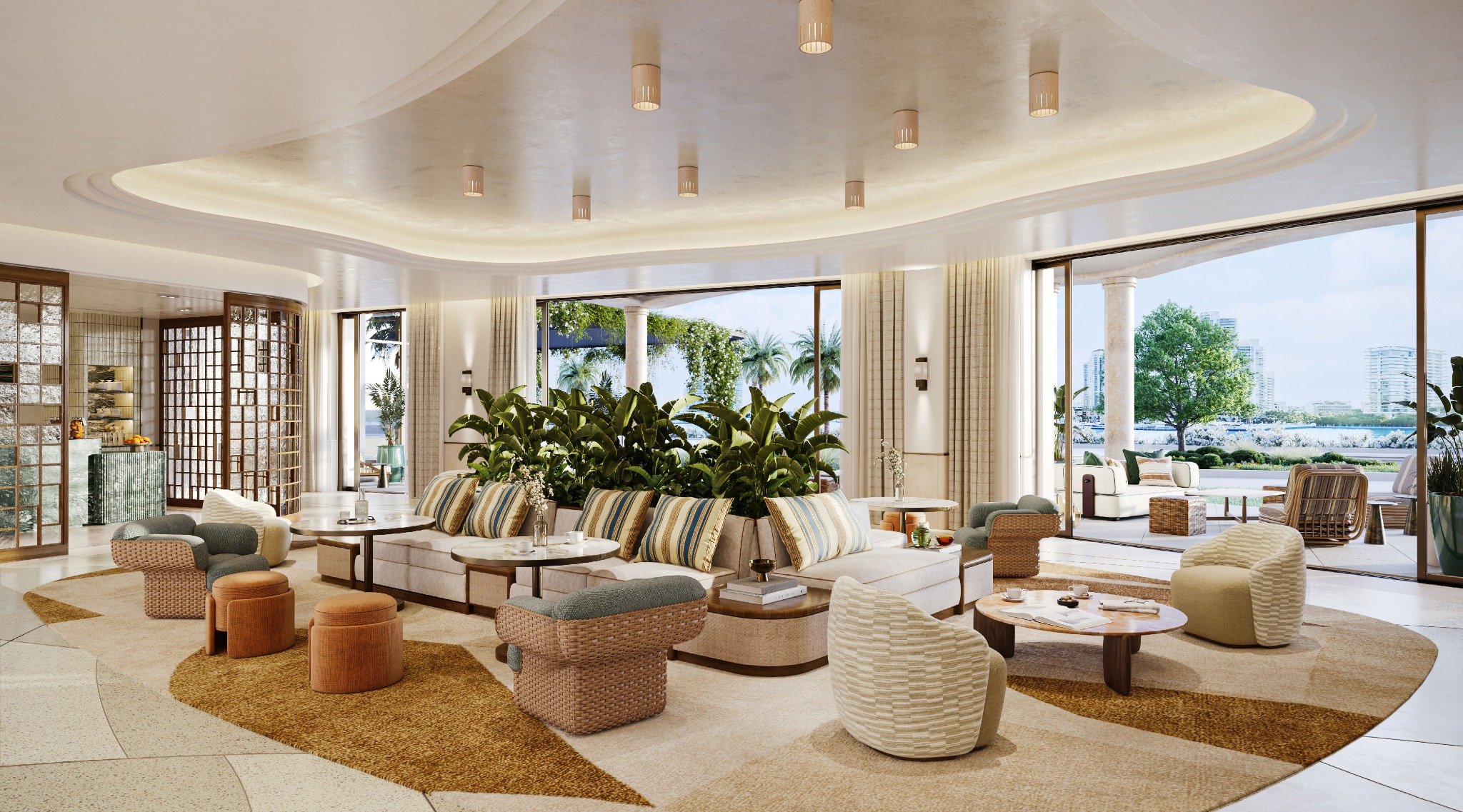
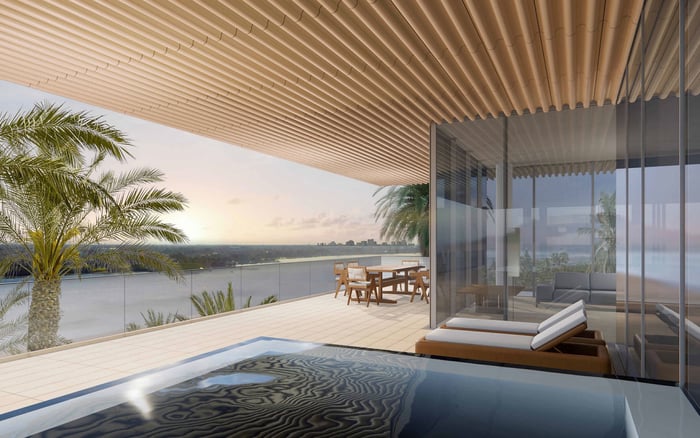
South Florida’s most compelling residences are designed for light, water views, terraces, and a life that moves easily between indoors and out. For collectors, that beauty introduces a technical question that should be answered before signing: can the home protect art when the owner is away?
Heat, humidity, coastal exposure, storms, and long vacant periods create year-round preservation pressure. A thermostat that keeps rooms comfortable for people may not deliver the stable temperature and relative humidity that paintings, works on paper, wood, textiles, photographs, plastics, and mixed media often require. For a seasonal owner, art-friendly climate control is less an amenity than a risk-management system.
The issue is especially important in highly glazed residences, waterfront homes, and vertical addresses where building systems, unit systems, backup power, and emergency access may not all be under one owner’s direct control. In markets such as Brickell, buyers considering The Residences at 1428 Brickell should look beyond views and finishes to the practical question of environmental continuity during vacancy.
Art-friendly climate control begins with stability. Fluctuations in temperature and relative humidity can stress hygroscopic materials, causing swelling, shrinking, cracking, warping, corrosion, mold, and other forms of deterioration. High temperatures can also accelerate chemical deterioration, meaning a room can feel cool enough for an owner and still be too warm for sensitive objects.
The critical pre-signing question is whether the HVAC system can control humidity independently of cooling. In South Florida, a residence can reach a target temperature while remaining too humid for art. That distinction becomes especially important when the owner is away for weeks or months and the system is set for efficiency rather than preservation.
A practical target is a moderate, stable environment near museum norms, not a dramatic cold setting or a comfort-only schedule. The goal is not to make a private home behave like an institution in every respect. It is to avoid sharp swings, sustained dampness, and hidden failures.
Seasonal ownership magnifies small mechanical problems. An AC shutdown, clogged condensate line, stuck damper, leaking balcony door, sensor error, or unnoticed plumbing issue can progress for days before anyone sees it. Mold risk is fundamentally a moisture-control issue, so uninterrupted dehumidification and leak prevention become central to stewardship during vacant months.
Remote monitoring should be part of the acquisition conversation, not an after-closing gadget. Ask whether environmental sensors can report temperature and humidity changes, whether alerts go to the owner, property manager, or building staff, and who has authority to enter if conditions move outside the agreed range.
For condos, distinguish carefully between unit-level systems and building-controlled systems. An owner may have limited control over humidity strategy, generator coverage, maintenance access, façade repairs, or common-area response. For estates, the main living room may perform beautifully while guest houses, garages, storage rooms, wine rooms, or lower-level galleries operate under weaker environmental control.
Atlantic hurricane season runs from June 1 through November 30, overlapping with months when many seasonal owners are away. Hurricanes and tropical storms can create extended power outages, shutting down HVAC and dehumidification precisely when outdoor humidity and heat are most threatening.
Storm planning should also consider surge, flooding, and wind damage. Art kept on lower floors, near glazing, in storage rooms, or beside exterior walls may face greater exposure. Before signing, buyers should ask about flood elevation, window and balcony-door performance, storm-shutter or impact-glazing protocols, roof and façade history, and AC condensate drainage.
Oceanfront ownership adds another layer of vigilance. In Miami Beach, a residence such as The Perigon Miami Beach may appeal to collectors who value light, architecture, and proximity to cultural life. The preservation conversation should still include UV control, shade strategy, placement away from direct sun, and the cumulative nature of light exposure.
A sophisticated buyer should request a clear picture of how the residence performs when no one is home. Key questions include: does the HVAC system have dedicated dehumidification capacity; can different zones be managed separately; what happens during a power outage; which systems are covered by generator backup; and are alerts available for humidity, temperature, leaks, and equipment failure?
Water deserves particular scrutiny. Roofs, façades, windows, balcony doors, plumbing, and AC condensate lines are all potential pathways for damage. Pollutants and particulates also matter in coastal residences, making filtration, sealed envelopes, and maintenance history relevant to collection care.
In Sunny Isles, buyers looking at tall, view-oriented residences such as St. Regis® Residences Sunny Isles should understand which protections are unit-specific and which depend on building policy. In West Palm Beach, purchasers considering Alba West Palm Beach should apply the same discipline to riverfront humidity, vacancy protocols, and emergency access.
The essential question is whether the residence can support the collection as it is actually lived with. A few framed works in conditioned rooms may require one strategy. A serious collection with works on paper, photographs, textiles, sculptures, and stored inventory may require a more robust plan.
Buyers should involve an HVAC specialist, conservator, property manager, and insurance advisor early enough for their findings to affect negotiations. If upgrades are necessary, the contract period is the moment to understand feasibility, building approvals, cost, and timing.
Art-friendly climate control is ultimately about continuity. South Florida rewards owners who plan for absence as carefully as arrival. The best homes do not simply welcome a collection in season; they protect it in the quiet months, when no one is there to notice the first warning sign.
Why does South Florida require special climate planning for art? Heat, humidity, storms, and coastal exposure can make ordinary residential HVAC insufficient for valuable collections.
Is a standard thermostat setting enough for a seasonal owner? Usually not. Art care depends on stable temperature and relative humidity, not just a room that feels comfortable.
What humidity question should buyers ask first? Ask whether humidity can be controlled independently of cooling, since target temperature can be reached while the space remains too damp.
Why is vacancy so risky for collections? Small failures such as AC shutdowns, leaks, or clogged condensate lines can go unnoticed until damage is advanced.
How does hurricane season affect art storage? Storm season overlaps with many owners’ absences, and outages can stop cooling and dehumidification during high heat and humidity.
Where should art not be placed in a South Florida residence? Be cautious with lower floors, storage rooms, direct sun, and areas near glazing, plumbing, or exterior openings.
Do condos require different questions than estates? Yes. Condos may rely on building systems and policies, while estates may have inconsistent control across auxiliary spaces.
Should backup power be reviewed before signing? Yes. Buyers should know which systems are generator-supported and whether art-critical dehumidification is included.
Does light control belong in a climate discussion? Yes. Light damage is cumulative, so UV control, shades, and careful placement should be part of the preservation plan.
Who should be involved in due diligence? An HVAC specialist, conservator, property manager, and insurance advisor can help assess risks before closing or leasing.
To compare the best-fit options with clarity, connect with MILLION.
If branded residences are on your mind — as a home or as an allocation — we would be glad to share what we are seeing, privately.
Begin a quiet conversation