A discreet guide to planning luxury estate camera coverage in Boca Raton, with attention to Florida privacy rules, audio risk, exterior coverage zones, retention, access control, and cyber-secure video systems.

In Boca Raton’s highest tier of residential ownership, security camera planning is no longer a simple question of how many devices a property can carry. It is a question of where visibility adds protection, where it erodes privacy, and how the household governs footage once it exists.
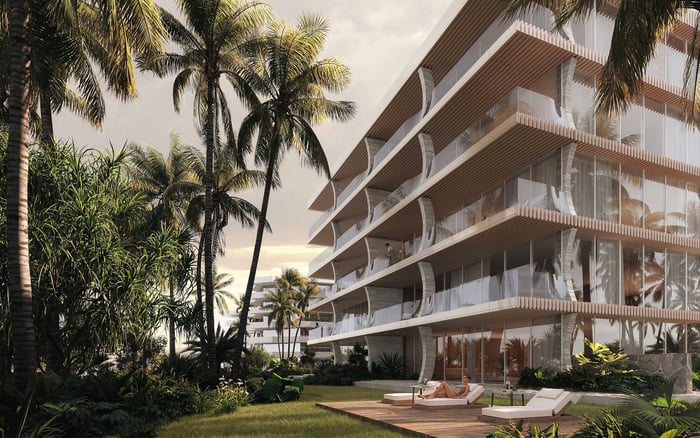
For estate owners, the most elegant system is usually the least theatrical one. Cameras should support controlled arrival, perimeter awareness, delivery management, and evidence preservation without turning the home into an exposed workplace. That balance matters across waterfront estates, club communities, and full-service residences such as Alina Residences Boca Raton, where the luxury expectation is both safety and discretion.
Florida does not impose a universal camera count for private residences. The meaningful “requirements” are practical and legal: separate video from audio, avoid spaces where privacy is expected, document the reason for each camera, restrict access, and retain footage only as long as needed.
Silent video and audio recording should be treated as separate systems. Florida protects oral communication when a person has a justified expectation that the conversation is not being intercepted. That makes always-on microphones materially more sensitive than cameras that capture video without sound.
For luxury estates, the default position should be simple: disable camera microphones unless a clearly reviewed consent procedure exists. Florida’s consent framework generally requires prior consent from all parties to a communication when an exception is not otherwise available. Improper audio capture can also create civil exposure, so the risk is not limited to criminal enforcement.
This distinction is especially important in homes with house managers, chefs, drivers, estate security, nannies, visiting wellness professionals, vendors, and overnight guests. A camera at a gate may be appropriate. A microphone quietly recording conversations on a terrace, in a service hallway, or near a guest suite may create a very different privacy profile.
A well-designed estate system focuses on transition points: the places where a person, vehicle, delivery, or service provider moves from public or semi-private space into the private realm of the residence.
Priority zones usually include entry gates, call boxes, driveways, motor courts, pedestrian entries, garage doors, side gates, pool equipment access, dock approaches where applicable, delivery areas, and exterior doors. The logic is straightforward: burglary centers on unlawful entry, so cameras should help identify approaches to structures and the moments before access occurs.
Coverage should be layered rather than excessive. A long-view camera may establish vehicle arrival. A second camera may capture the gate interaction. Another may cover the garage apron or front door. For design-forward residences such as Glass House Boca Raton, the best integrations are often architectural, with devices positioned to preserve clean lines while still covering the actual path of intrusion.
Luxury privacy is defined as much by restraint as by coverage. Interior cameras should avoid bedrooms, bathrooms, dressing rooms, massage rooms, staff living quarters, guest suites, and similar places where people reasonably expect privacy. Secret viewing, recording, or broadcasting in protected circumstances can create serious legal risk.
Interior coverage, when used, should be limited and purposeful. A camera facing an art corridor, wine room entry, safe room threshold, elevator vestibule, or exterior-facing foyer is different from one that observes intimate living behavior. Even then, the field of view should be tested before activation, with doors, mirrors, glass, and reflected angles considered carefully.
Staff areas require particular sensitivity. A household may have legitimate security needs around inventory, access, or after-hours movement, but those needs should not override privacy expectations in sleeping, bathing, or changing areas. Written household rules are essential, particularly when any device remains technically capable of audio recording.
Before a camera is mounted, the ownership team should have a written map that identifies the device, its purpose, field of view, data collected, who can access it, and how long the footage will be retained. This is privacy-by-design applied to the private estate.
The exercise is not bureaucratic. It prevents overcollection and helps the principals, estate manager, security integrator, and counsel align before equipment is purchased. It also reduces the temptation to keep adding cameras without a defined reason.
In Boca Raton, this level of governance is increasingly consistent with expectations around highly serviced residences such as The Residences at Mandarin Oriental Boca Raton, where privacy, access control, and operational polish are part of the residential experience.
For Boca Raton ownership teams, the vocabulary often spans single-family homes, gated-community planning, ultra-modern design, new-construction expectations, and exclusive-area discretion. The common denominator is that privacy must be designed before the system goes live.
Footage should not be kept indefinitely simply because storage is inexpensive. Retention should be limited to what the household needs for security, incident review, insurance coordination, or counsel-directed preservation. When footage is no longer required, it should be disposed of securely.
Access should be equally disciplined. Live feeds and stored video should be limited to household principals, authorized estate security, the estate manager when appropriate, and vetted vendors with a legitimate need. Shared logins are poor practice. So are casual mobile access rights that remain active after staff, contractors, or integrators leave the household relationship.
The most discreet homes also manage notice. Guests and staff should understand where security cameras are present, especially if any device is audio-capable. Notices need not be theatrical, but they should be clear enough to support consent procedures and avoid misunderstandings about privacy expectations.
Networked cameras, recorders, and cloud video accounts are not just security equipment. They are digital assets that can reveal family routines, guest patterns, staffing schedules, art placement, vehicles, and travel absences. The system must be protected accordingly.
Strong account controls, secure storage, protected transmission, vendor vetting, and role-based permissions should be baseline requirements. The estate should be able to identify risks, protect the system, detect unusual access, respond to incidents, and recover normal operations if a breach or malfunction occurs.
This is particularly important for owners who move between properties or compare the privacy posture of Boca Raton with other South Florida residences such as Mr. C Residences Boca Raton. The most valuable security platform is one that protects both the physical estate and the digital footprint of the household.
A Boca Raton estate camera plan should pass five tests. First, every camera should have a defined security purpose. Second, the field of view should avoid intimate spaces and unnecessary neighbor exposure. Third, microphones should be disabled unless all-party consent procedures are clear and actively managed. Fourth, access should be limited and auditable. Fifth, retention should be short, purposeful, and consistently enforced.
That standard does not reduce security. It refines it. For sophisticated owners, the goal is not maximum surveillance. The goal is maximum confidence with minimum intrusion.
Does Florida require a specific number of security cameras for a Boca Raton estate? No. The more relevant standard is whether the system is lawfully placed, privacy-conscious, and designed around legitimate security needs.
Should luxury estate cameras record audio? Usually not by default. Audio creates higher legal risk because private conversations can be protected unless proper consent procedures apply.
Where should exterior cameras be placed first? Prioritize gates, driveways, pedestrian entries, garage doors, delivery areas, exterior doors, side gates, and other access approaches.
Are cameras acceptable inside the home? They can be, but only in carefully selected areas tied to security needs. Avoid bedrooms, bathrooms, dressing rooms, staff quarters, and guest suites.
How long should a household keep security footage? Retain footage only as long as needed for security, incident review, insurance, or counsel-directed preservation, then dispose of it securely.
Who should have access to live feeds? Access should be limited to principals, authorized security personnel, appropriate estate management, and vetted vendors with a legitimate need.
Do staff and guests need notice of cameras? Clear notice is prudent, especially if any device is audio-capable. It helps manage consent and reasonable expectations of privacy.
Can cameras face neighboring property? Fields of view should be narrowed to the estate’s own security zones whenever possible. Avoid unnecessary capture of neighboring private spaces.
Are cloud camera systems safe for high-profile households? They can be appropriate when protected by strong credentials, secure transmission, restricted permissions, and careful vendor oversight.
What is the best camera strategy for luxury privacy? Use layered exterior coverage, limited interior views, disabled microphones, short retention, and strict access controls.
For a confidential assessment and a building-by-building shortlist, connect with MILLION.
If branded residences are on your mind — as a home or as an allocation — we would be glad to share what we are seeing, privately.
Begin a quiet conversation