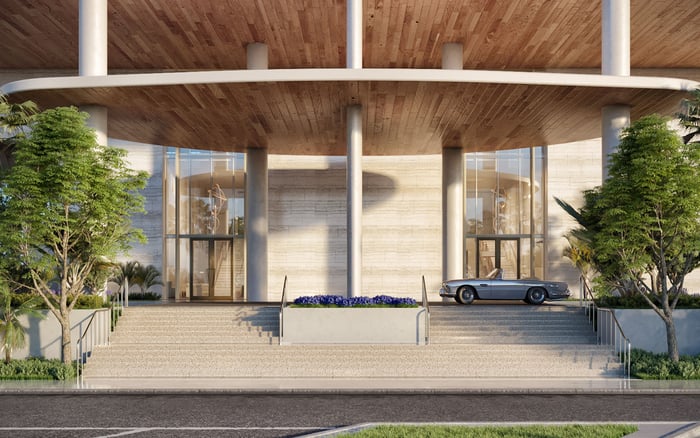
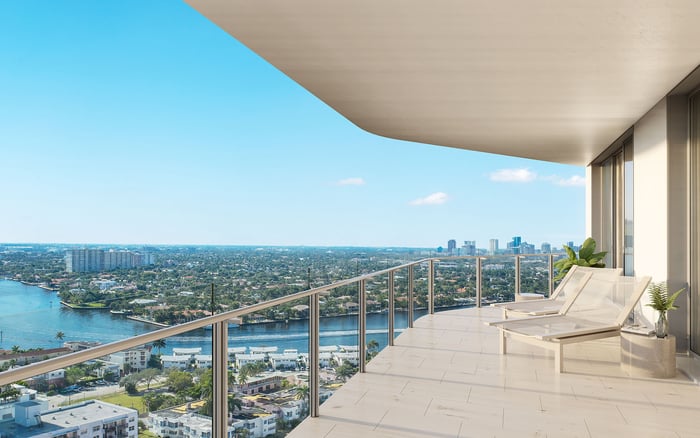
For lock-and-leave buyers at Bahia Mar, storm readiness is a document review, not a service assumption. The essential closing questions concern flood elevation, wind engineering, backup power, management authority, insurance, and reserves.
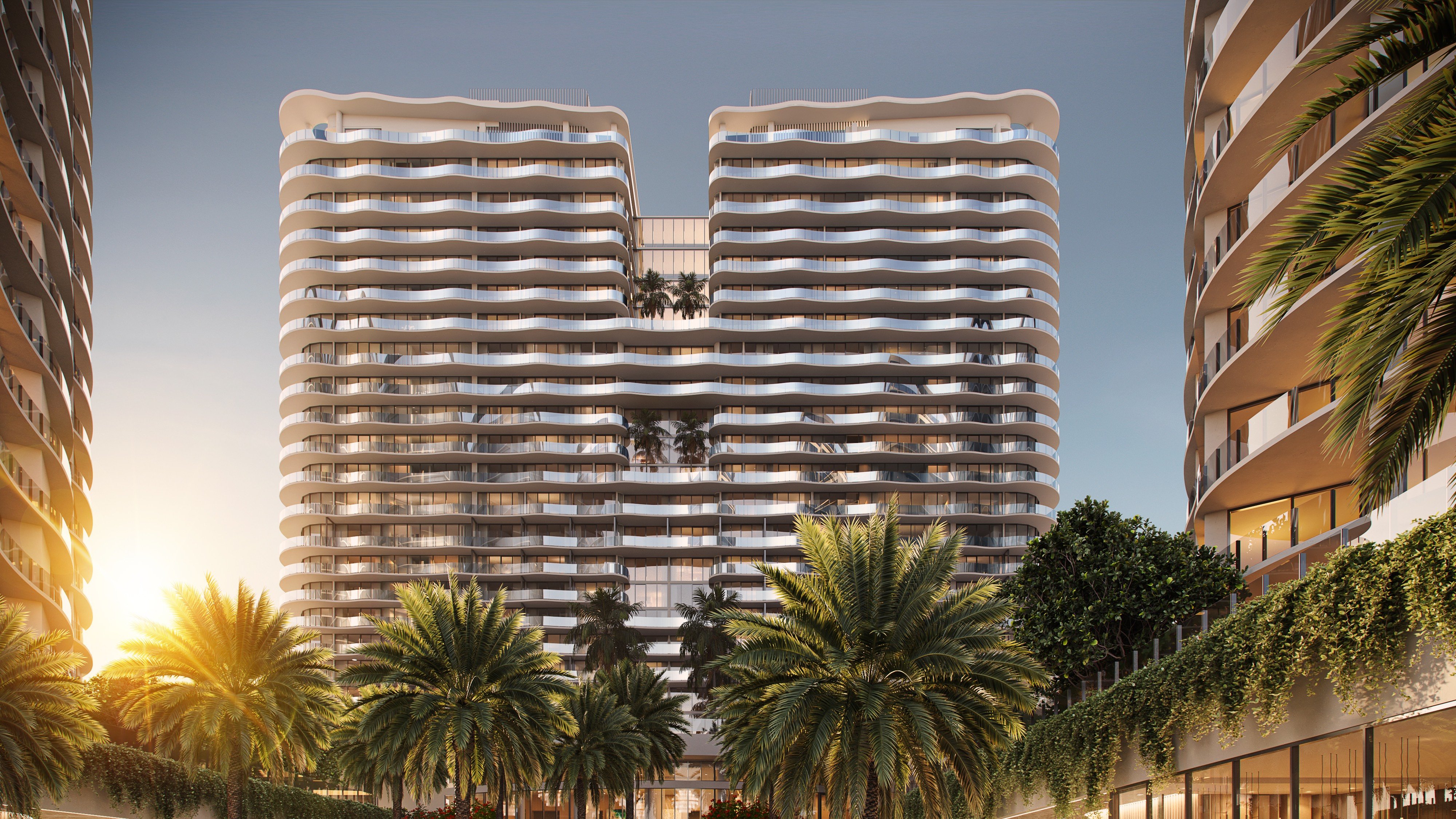
For buyers considering St. Regis® Residences Bahia Mar Fort Lauderdale, wind, intense rainfall, storm surge, flooding, and utility interruption are central due-diligence questions before closing.
For a lock-and-leave buyer, documentary clarity should be the standard. Branded service and code compliance should not be mistaken for contractual promises that a residence will be prepared, continuously powered, or immediately accessible after a storm. Second-home purchasers, in particular, should know precisely what the building will do in their absence-and what remains their responsibility.
Begin with the project's exact flood-zone designation, base flood elevation, and elevation certificate. Then request a clear schedule comparing the elevations of residences, garages, lobbies, loading areas, electrical switchgear, pumps, generators, and other critical equipment with anticipated flood levels.
That record is more useful than a broad assurance that the building was designed for its site. The practical question is whether water could interrupt arrival, vehicle retrieval, vertical circulation, drainage, security, or backup systems even if the residence remains above the affected area.
Buyers should also determine whether protection relies on permanent features, deployable flood barriers, or both. If barriers require installation, the written protocol should identify who deploys them, when the decision is made, and how the work proceeds when owners are absent.
Code compliance is a starting point, not the complete technical record. Request engineering documentation covering wind-load design, impact-resistant glazing, balcony railings, exterior doors, roof systems, and façade components. The objective is to understand the building envelope as an integrated system rather than assess windows in isolation.
A buyer may compare service models across Four Seasons Hotel & Private Residences Fort Lauderdale and The Ritz-Carlton Residences® Fort Lauderdale. Storm diligence, however, should remain project-specific. Each buyer should examine the actual engineering package and governing documents for the residence under consideration.
The phrase emergency power is incomplete without a circuit-by-circuit explanation. Determine whether generator service reaches elevators, corridor lighting, access controls, pumps, refrigeration, air conditioning, and any in-unit circuits. Ask which elevators will operate, whether cooling is available in residences or only in common areas, and whether refrigerated storage can remain functional.
Capacity is only one measure of resilience. Buyers should ask how long backup systems are intended to operate, how fuel is stored or replenished, and whether flooding could disable the generator, switchgear, pumps, or associated equipment. Obtain the response in writing, distinguishing design intent from guaranteed performance under actual storm conditions.
Lock-and-leave ownership depends on procedures that function without the owner on site. Obtain the written hurricane protocol covering residence inspections, balcony preparation, vehicle handling, owner notifications, evacuation, shutdowns, and post-storm access. Confirm how notices are delivered and who receives them if the owner cannot respond.
Management authority warrants equally close attention. Ask whether staff may enter an unoccupied residence before or after a storm, what circumstances permit entry, and how that access is documented. Distinguish included services from tasks requiring enrollment, a separate agreement, outside vendors, or an additional fee.
This distinction is essential within branded residences. Hospitality may shape expectations, but contracts, association documents, policies, and written service terms establish the enforceable scope of care. Buyers comparing South Florida coastal options can apply the same discipline: compare written obligations, not brand impressions.
Before closing, review association deductibles, windstorm and flood coverage, owner loss-assessment exposure, reserve assumptions, and the allocation of responsibility for damage to windows, terraces, interiors, and stored vehicles. A rigorous review should align the master policy with the owner's proposed coverage so that deductibles, exclusions, and responsibility boundaries are understood together.
Exposed common elements also warrant scrutiny. Clarify whether marina assets, seawalls, docks, landscaping, beach-related amenities, and similar components are insured and included in reserve planning. Ask how a substantial deductible or uninsured repair would be funded-and whether the owner could face an assessment.
For Buyer's Guides readers, the closing objective is direct: convert every broad assurance into a document, a defined responsibility, or a specific unanswered question. A coastal Fort Lauderdale residence may be designed for refined, effortless use, but storm-season confidence begins with knowing who acts, what is protected, what remains powered, and who pays.
Keep the elevation materials, engineering package, generator schedule, hurricane protocol, management-entry terms, insurance summaries, reserve information, and vehicle procedures in one accessible digital file. Share the relevant portions with the owner's property manager, insurance adviser, and other authorized representatives.
Before signing, ask counsel and qualified technical and insurance professionals to reconcile any conflicts among sales materials, governing documents, service agreements, and policy language. The strongest lock-and-leave plan is not improvised as a storm approaches. It is established before ownership begins.
Which flood documents should a buyer request before closing? Request the exact flood-zone designation, base flood elevation, and elevation certificate, then compare them with the elevations of critical areas and equipment.
Why do garage and lobby elevations matter if the residence is higher? Flooding below the residence can still affect vehicles, entry, elevators, loading, security, pumps, and post-storm access.
What should buyers ask about flood barriers? Confirm whether barriers are permanent or deployable, who installs them, and how deployment proceeds when owners are away.
Is code compliance enough to evaluate wind protection? No. Request engineering documentation for wind loads, glazing, railings, exterior doors, roof systems, and façade components.
What does emergency-generator coverage need to specify? It should identify powered elevators, lighting, access controls, pumps, refrigeration, cooling, and in-unit circuits.
How should generator duration be evaluated? Ask about intended operating time, fuel storage and replenishment, and whether flood exposure could disable connected equipment.
What belongs in a written hurricane protocol? It should address inspections, balcony preparation, vehicles, notifications, evacuation, shutdowns, and post-storm access.
Can management enter an unoccupied residence? Confirm in writing the circumstances, authorization, documentation, included services, and any separate agreement or fee.
Which insurance terms deserve particular attention? Review windstorm and flood coverage, association deductibles, loss-assessment exposure, and responsibility for windows, terraces, interiors, and vehicles.
Why should marina assets and seawalls be reviewed? Exposed common elements may create repair and assessment exposure, so buyers should verify their insurance treatment and reserve planning.
If you'd like a private walkthrough and a curated shortlist, connect with MILLION.
If branded residences are on your mind — as a home or as an allocation — we would be glad to share what we are seeing, privately.
Begin a quiet conversation