A buyer-oriented framework for confirming guest authorization, elevator access, parking, amenity privileges, staffing, deliveries, and service expectations at Fendi Château Residences.
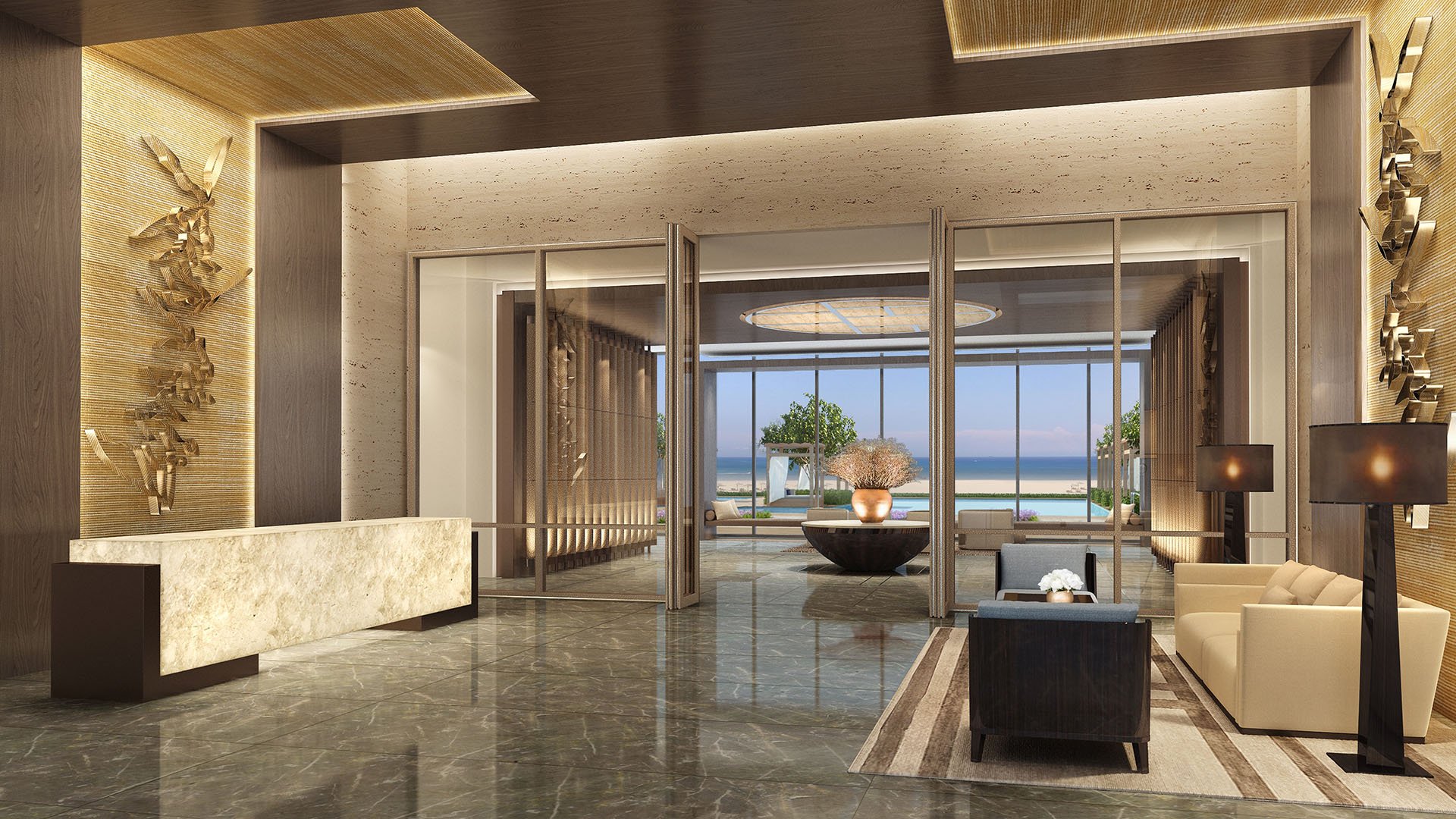
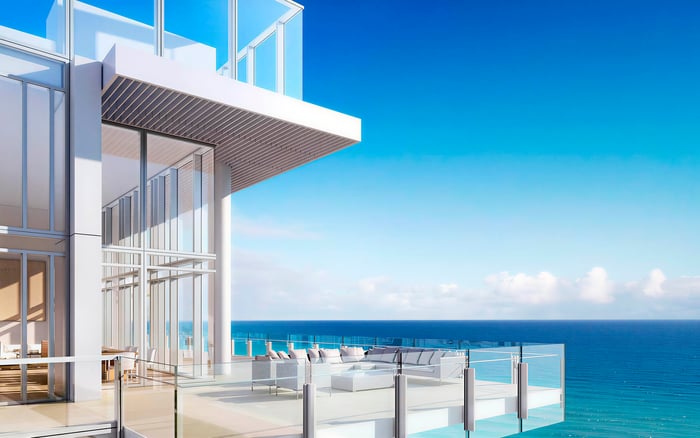
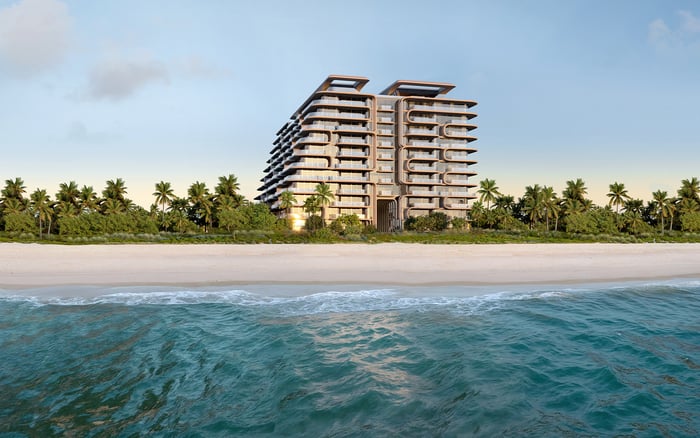
Fendi Château Residences Surfside is an oceanfront condominium on Collins Avenue, positioned between Bal Harbour and Miami Beach. Its relatively low-rise form, expansive private terraces, large residences, Atlantic views, and Fendi-branded interiors create a more intimate environment than a conventional high-rise tower.
That intimacy makes guest management consequential. Common areas and amenities serve a limited residential population, not unrestricted public traffic. Private or semi-private elevator access also brings authorization close to the threshold of the home. A polished protocol should therefore reconcile two priorities: gracious hospitality for invited visitors and disciplined privacy for every resident.
The governing documents and current management procedures should guide every decision. Buyers, owners, tenants, and household managers should confirm the operative rules directly rather than assume that common luxury-condominium practices apply.
The first question is how a resident authorizes a guest. Confirm whether notice is required, which communication channel management accepts, what identifying details must be supplied, and whether procedures differ for a brief visitor, an overnight guest, domestic staff, or a service professional. Ask what happens when plans change outside normal staffing hours.
A useful written routine would identify the host residence, visitor name, expected arrival window, vehicle information when relevant, areas the visitor may access, and the person to contact if approval cannot be verified. This is a recommended planning framework, not a statement of current building policy.
Owners considering other boutique properties nearby can apply the same diligence to Arte Surfside. The essential inquiry is not simply whether guests are allowed, but how authorization moves from the resident to the arrival team without confusion or unnecessary exposure of personal information.
Private or semi-private elevators elevate convenience, but they also make access control more sensitive. Buyers should ask whether visitors are escorted, whether elevator calls require staff activation or credentials, and whether authorization is limited by floor, residence, or time. None of these mechanisms should be presumed without written confirmation.
The review should address social guests, children and caregivers, personal assistants, housekeepers, chefs, contractors, brokers, delivery teams, and emergency responders separately. A guest welcomed into the lobby is not necessarily authorized to proceed to a residential landing, wellness area, or pool.
Also ask how elevator access is handled when several visitors arrive together or when a residence is hosting a private dinner. For branded residences, discreet choreography matters as much as security: the ideal experience feels intuitive to the guest while remaining controlled behind the scenes.
Parking should be examined as a service flow, not merely a place for a car. Confirm whether valet accepts guest vehicles, whether advance notice is required, whether capacity limits apply, and whether charges, gratuities, time restrictions, oversized-vehicle rules, or overnight conditions exist. Also clarify procedures for ride-share arrivals, chauffeurs, rental cars, and vehicles collecting a guest without parking.
The arrival team should know whom the visitor is meeting before directing the vehicle or granting access. Residents should understand how retrieval is requested, where guests wait, and whom to call if a vehicle cannot be accommodated. These are points to verify, not published operating standards.
Location can shape expectations. Buyers comparing Surfside with nearby Bal Harbour may also review arrival management at Oceana Bal Harbour. The relevant comparison is the clarity of the protocol, not an assumption that neighboring properties share rules.
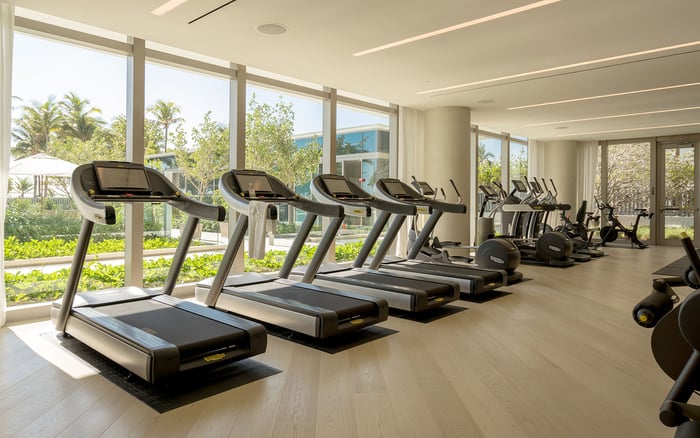
Fendi Château includes a swimming pool intended for residents and authorized guests, along with spa and wellness amenities and hospitality-oriented spaces. Confirm whether the resident must accompany visitors, whether guest counts or hours are limited, and whether reservations, fees, age requirements, attire standards, or food-and-beverage conditions apply.
These details matter because an invitation to a private residence may not automatically extend to every amenity. Owners should also ask whether overnight guests receive different privileges and whether the host remains responsible for conduct, charges, damage, and compliance throughout the visit.
A lifestyle purchase often rests on effortless access to shared spaces. Yet effortless should not mean undefined. Buyers evaluating another local hospitality-led address, such as The Surf Club Four Seasons Surfside, should request the same distinction among residential access, authorized guest use, and any separately controlled services.
A dinner guest, florist, housekeeper, private chef, contractor, and courier each create different access and operational needs. Confirm approved entrances, service-elevator procedures, permitted hours, insurance or identification requirements, loading arrangements, and whether the resident or household representative must be present.
Large deliveries warrant advance coordination because they may affect elevators, corridors, staffing, and the presentation of curated common spaces. Ask how furniture, art, catering equipment, luggage, and temperature-sensitive items are received. Emergency access should be documented separately so that security controls never impede an urgent response.
Before closing or hosting, request the current rules, management contacts, escalation path, valet guidance, amenity provisions, and forms used for visitors and vendors. A concise owner brief can then distinguish confirmed policy from household preference.
The brief should state who may authorize access, how the household communicates changes, which visitors require accompaniment, and how staff should protect privacy. It should also avoid promising any service that the association or management team has not confirmed. At Fendi Château, consistent presentation supports both the Fendi identity and the residential calm that defines the property.
For purchasers considering Ocean House Surfside as part of a local review, this documentation is equally valuable. Rules can change, and a current written answer carries more authority than an anecdote from a prior visit.
Are guests permitted at Fendi Château Residences? The pool is intended for residents and authorized guests, but current authorization procedures and broader guest privileges should be confirmed with management.
Must a resident register visitors in advance? Advance-registration requirements are not specified here. Confirm the accepted notice method, required details, and after-hours process.
Can a guest use a private or semi-private elevator alone? Do not assume independent access. Verify whether escorting, credentialing, staff activation, or floor restrictions apply.
Is guest valet parking available? The current parking and valet rules are not established here. Ask about availability, capacity, fees, vehicle restrictions, and overnight parking.
May guests use the pool? The pool is intended for residents and authorized guests. Confirm accompaniment, guest-count, scheduling, age, and conduct requirements.
Do visitors have access to spa and wellness amenities? Guest access has not been specified. Verify eligibility, reservations, charges, hours, and whether the resident must accompany them.
Are overnight visitors treated differently? They may be subject to distinct procedures, but no current rule is stated here. Request written guidance before the stay.
What rules apply to domestic staff and private chefs? Confirm registration, identification, permitted entrances, elevator routing, working hours, and insurance requirements directly with management.
How should deliveries and contractors be coordinated? Ask about advance notice, loading access, service elevators, approved hours, protection requirements, and resident presence.
Who should resolve a guest-access problem? Obtain the current management and after-hours contacts, along with a clear escalation path, before visitors arrive.
For a tailored shortlist and next-step guidance, connect with MILLION.
If branded residences are on your mind — as a home or as an allocation — we would be glad to share what we are seeing, privately.
Begin a quiet conversation