For lock-and-leave buyers, storm readiness is an operating question as much as a property question. Before closing, define who protects the residence, who may enter it and how its condition will be documented.
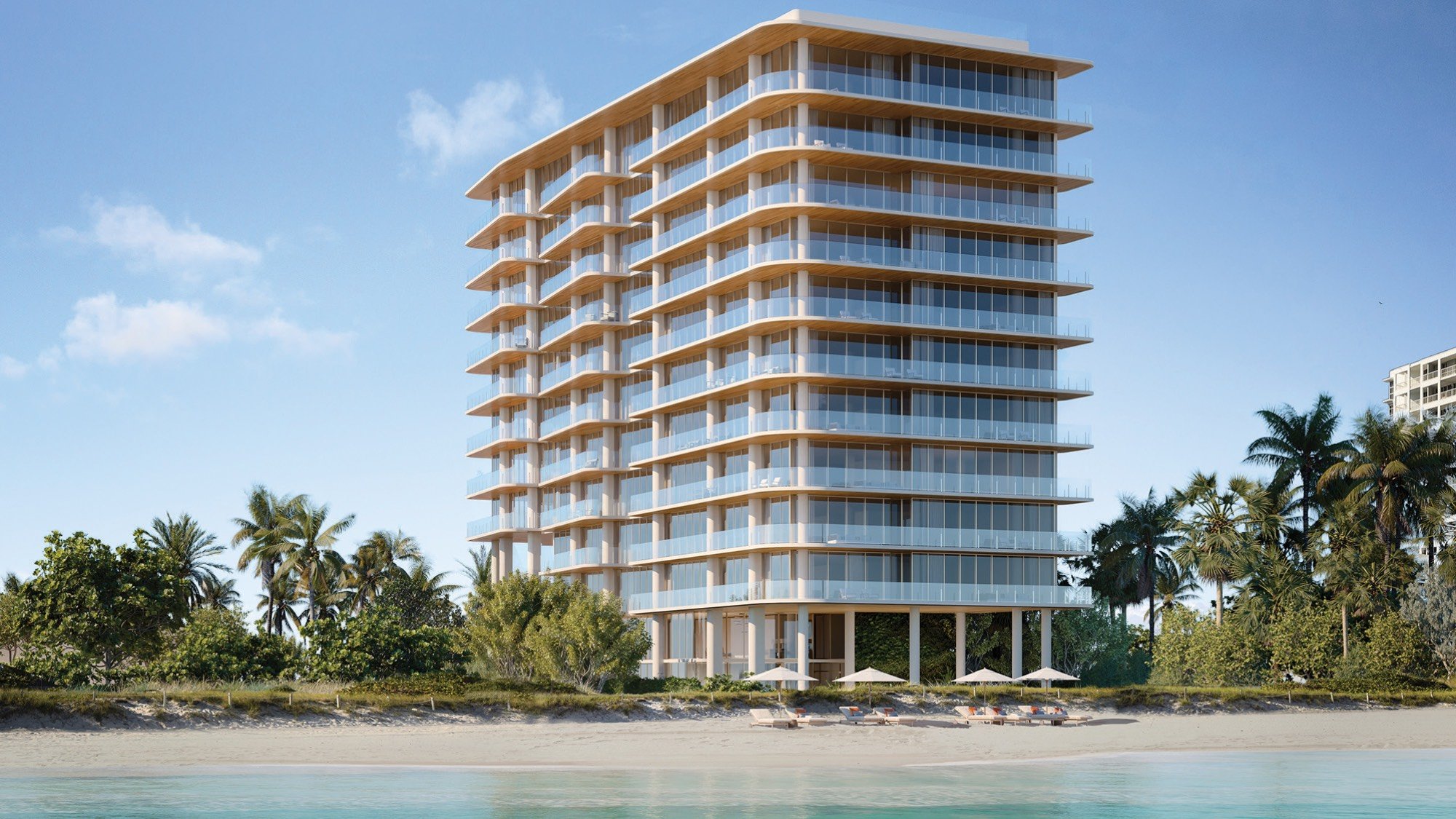
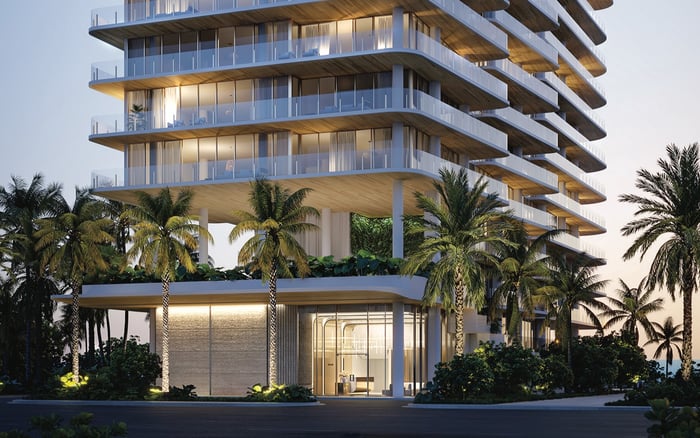
Ocean House Surfside is marketed as a boutique luxury oceanfront condominium in Surfside, Florida. In February 2025, the project was identified as a 25-unit condominium-a scale that may appeal to buyers seeking privacy and a more intimate residential environment. Buyers should confirm the current construction status directly.
For a lock-and-leave owner, however, elegance is only part of the ownership equation. Storm-season planning depends on clear authority, reliable access and written procedures. Boutique scale alone does not establish what staff or a condominium association will do inside a private residence.
This buyer's guide focuses on the questions that should be resolved before closing. It is particularly relevant to second-home buyers who may be abroad, in another state or otherwise unable to return quickly when weather conditions change.
Begin with the governing documents, management materials and any written emergency procedures available before closing. Ask who activates the building's storm plan, how owners receive notices, what triggers preparations and whether updates arrive by email, text, telephone or an owner portal.
The central question is not simply whether a plan exists, but whether it extends to the residence itself. Determine whether staff may enter a unit, under what circumstances, with whose authorization and for which narrowly defined tasks. If access requires a key, credential or signed consent, arrange it before leaving the residence unattended.
Apply the same diligence when comparing neighboring Surfside offerings such as The Delmore Surfside. Review service language, access authority and owner obligations project by project rather than making assumptions based on location or positioning.
Windows and doors should be secured before a hurricane. Vulnerable openings may require storm shutters or properly installed plywood, but buyers should not assume which protection system applies at Ocean House-or who is responsible for deploying it. Obtain the residence-specific answer in writing.
Balcony and terrace objects also require an explicit plan. Unsecured outdoor items should be brought inside so they do not become windborne hazards. Ask whether staff will move furniture, planters or accessories, where those items may be stored and whether any weight, timing or access restrictions apply.
Utility decisions demand equal precision. Residents should follow the applicable storm plan or official instructions concerning electricity at the main breaker. The owner, association, staff and any private property manager should know in advance who has authority to act. This operational clarity matters across oceanfront ownership, including at Arte Surfside and The Surf Club Four Seasons Surfside, because each property's procedures may differ.
A credible plan should identify a primary local contact and a backup, then define what each person may do. Confirm how they will enter the residence, whether access can continue during building restrictions and how completed preparations will be verified. Time-stamped photographs can provide a practical record before and after a storm and may assist with insurance documentation.
Ask what happens once conditions improve. Who checks for water intrusion or visible damage? Who may contact an insurer, restoration company or other vendor? Who communicates the findings, and in what sequence? The scope of any in-unit services by Ocean House personnel must be confirmed rather than inferred.
Owners should also monitor official news and alerts before and during a storm. Hurricane and flood preparedness information is available locally, and the resident storm hotline is 305-993-1070. Save that number alongside building management, insurance and local-contact details.
Establish an evacuation plan before a storm approaches, even when the owner expects to be away. It should account for family members, guests, household employees and pets who could be occupying the residence. Include pet food, water and other pet supplies in the same written checklist.
If the residence may be occupied, preparations should include food; water for drinking, bathing and cooking; a first-aid kit; and necessary medications. Important documents should be protected from water damage yet remain accessible. Keeping cash available can also be prudent if electronic payment systems are disrupted.
Before closing, review insurance requirements and clarify how building-level and residence-level responsibilities intersect. Confirm where policy information, inventories and pre-storm photographs will be stored. The objective is a clean chain of documentation-not a last-minute search from a distance.
Before funds transfer, request written answers covering notice procedures, unit access, opening protection, outdoor-item removal, utility authority, post-storm inspection and documentation. Identify every task left to the owner and decide whether a private property manager or another authorized local contact will handle it.
A lock-and-leave purchase should feel effortless because its operations have been carefully designed. At Ocean House, the most valuable storm-season amenity may be certainty: who acts, when they act and how the owner knows the work is complete.
Is Ocean House Surfside an oceanfront condominium? It is marketed as a boutique luxury oceanfront condominium in Surfside, Florida.
How many residences are planned at Ocean House? In February 2025, the project was identified as a 25-unit condominium, but buyers should confirm current details directly before closing.
Will building staff prepare my residence for a storm? The in-unit services that staff or the association will perform are not established. Obtain the exact scope and authorization process in writing.
Who should secure windows and doors? Assign that responsibility explicitly among the owner, association, staff and any private property manager.
What should happen to terrace furniture? Unsecured outdoor objects should be brought inside, with responsibility, timing and storage location agreed upon in advance.
Should electricity be turned off at the main breaker? Follow the applicable storm plan or official instructions, and confirm who has authority to make that decision for an unattended residence.
What records should an absentee owner keep? Maintain accessible policy details, important documents, inventories and photographs showing the residence before and after a storm.
What supplies should remain in the residence? If occupancy is possible, plan for food, water, first aid, medications, protected documents, cash and appropriate pet supplies.
What is Surfside's resident storm hotline? The resident storm hotline is 305-993-1070.
What is the most important pre-closing question? Ask who is authorized and obligated to protect, inspect and document the private residence while the owner is away.
If you'd like a private walkthrough and a curated shortlist, connect with MILLION.
If branded residences are on your mind — as a home or as an allocation — we would be glad to share what we are seeing, privately.
Begin a quiet conversation