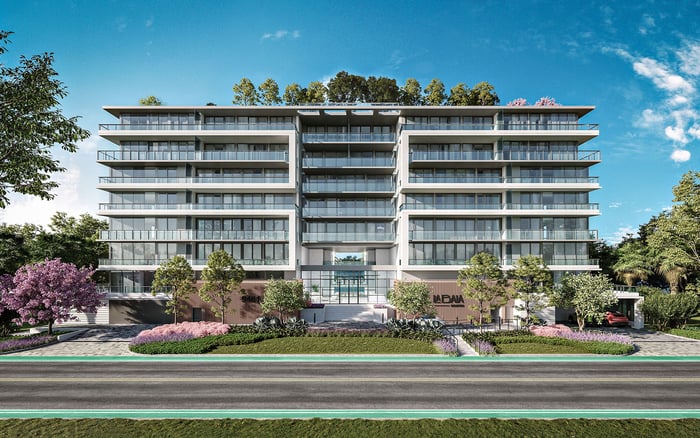
Cash removes financing contingencies, not the need to verify how a condominium governs access, protects resident privacy, manages construction traffic, and funds the physical systems behind daily operations.

An all-cash offer can simplify execution, but it does not answer the questions that matter after closing: Who can enter the building? How are guests and vendors processed? What happens during a private renovation? Which privacy practices are formally documented?
There is no Bay Harbor Islands security framework designed solely for cash purchasers. The appropriate approach combines condominium governance review, financial and structural diligence, waterfront risk analysis, and close examination of day-to-day access procedures. The essential principle is simple: speed should never displace verification.
Buyers comparing Alana Bay Harbor Islands with other local opportunities should treat security language as a starting point, not a guarantee. Material representations about access, staffing, privacy, or building operations should be confirmed through association records and written management responses.
“Secure” and “private” remain imprecise until management explains how the building functions. Ask for written answers addressing guest authorization, vendor credentials, delivery routing, move-in procedures, staff responsibilities, access records, and protocols for owner representatives. Determine who supervises exceptions and how residents are notified after an access failure or other incident.
The declaration, bylaws, articles of incorporation, rules, current budget, year-end financial report, assessment information, reserve-funding records, insurance documents, and meeting minutes form the documentary core. Request the latest resale packet or a written statement identifying which records are available. Minutes can be particularly useful when recurring operational concerns, staffing decisions, repairs, or access-system issues have reached the board.
Resale buyers should also distinguish between a formal association obligation and a service implemented through current management practice. Boutique scale does not automatically establish stronger privacy, just as a larger staff does not by itself prove tighter control. The decisive question is whether policy, staffing, physical design, and enforcement align.
Apply that same discipline when evaluating The Well Bay Harbor Islands and Onda Bay Harbor. Request building-specific answers rather than carrying assumptions from one property to another.
New construction and active buildouts create a temporary security environment distinct from normal residential operations. A building with unfinished areas or multiple private renovations should have a written, site-specific policy and clearly assigned supervisory responsibility.
Effective temporary controls can include a restricted entry point, worker and visitor sign-in and sign-out, escorted visitors, scheduled deliveries, and controlled routing. Locked gates, physical barriers, lighting, and surveillance cameras can function as coordinated layers rather than isolated features. Workers and subcontractors should know how to report suspicious activity, access failures, and incidents. Police and fire coordination should be considered before work begins.
For a buyer reviewing La Maré Bay Harbor Islands, the practical inquiry is not whether construction exists, but how access is separated from occupied residential areas and who is accountable for enforcement. Ask how contractors reach units, where materials enter, whether deliveries are scheduled, and how temporary credentials are withdrawn.
Privacy systems depend on more than personnel. Elevator work, façade projects, waterproofing, electrical upgrades, plumbing repairs, and roof activity can alter circulation, create temporary entry points, or bring additional contractors onto the property. Permit research should cover open and recently closed permits involving each of those systems.
Ask for any applicable milestone inspection summary and Structural Integrity Reserve Study materials, recognizing that they address separate requirements. If an inspection identified substantial structural deterioration, determine whether a phase-two milestone report exists. Before closing, confirm that required repairs have been identified, permitted, scheduled, and funded.
Deferred maintenance or engineering findings without a repair timetable deserve close scrutiny. So do bids without funding plans, special assessments, association borrowing, and rising insurance costs. A sophisticated access system offers limited comfort if essential repairs remain financially unresolved or construction management is unclear.
Waterfront ownership adds another layer of diligence. Review applicable flood maps and any available elevation certificate, then examine the master insurance declarations for coverage, exclusions, and deductibles that owners may ultimately bear. These documents do not define privacy protocols, but they reveal how the association allocates and finances risk.
Ask whether repair obligations or insurance deductibles could produce assessments and whether planned work would affect entry routes, staffing, or resident circulation. Financial resilience and privacy are not the same, yet weak funding can complicate the consistent operation of both physical and human security layers.
For visible construction or property-condition concerns, buyers can ask local authorities whether an issue is being tracked. That inquiry does not replace association, permit, engineering, insurance, and legal review.
Before releasing diligence contingencies, organize written answers into four files: governance, building condition, financial exposure, and operations. Reconcile management responses with association records, inspection materials, permits, insurance declarations, budgets, assessments, reserve information, and minutes.
Then test the lived experience. Observe how an authorized guest, delivery, vendor, and contractor would move from arrival to the residence. Ask who grants access, who records it, who supervises exceptions, and what happens when systems fail. The objective is not theatrical security. It is quiet, repeatable control supported by documents, funding, and accountable people.
Does paying cash reduce condominium due diligence? No. Cash removes financing from the transaction, not the need to review governance, finances, inspections, repairs, insurance, and permits.
Which association documents should a buyer request? Request governing documents, rules, budgets, financial reports, assessment and reserve records, insurance materials, meeting minutes, and the latest resale packet.
Are advertised privacy features guaranteed? Not automatically. Verify material claims about access, staffing, privacy, and operations through association records and written management responses.
What guest and vendor questions matter most? Ask how guests are authorized, vendors are credentialed, deliveries are routed, exceptions are approved, and access failures are reported.
How should buyers assess an active buildout? Confirm that a written site policy, assigned supervision, restricted entry, sign-in procedures, escorted visitors, and controlled deliveries are in place.
Why do permits matter to security? Major work can alter circulation and increase contractor access, so review open and recently closed permits for critical building systems.
Are milestone inspections and reserve studies interchangeable? No. They address separate requirements, and buyers should request any applicable materials for both.
What if substantial structural deterioration was identified? Determine whether a phase-two milestone report exists and confirm that required repairs are permitted, scheduled, and funded.
What waterfront documents deserve attention? Review applicable flood maps, any available elevation certificate, and master insurance declarations, including exclusions and deductibles.
Can local authorities help with visible property concerns? They can clarify whether visible construction or property-condition concerns are being tracked locally.
To compare the best-fit options with clarity, connect with MILLION.
If branded residences are on your mind — as a home or as an allocation — we would be glad to share what we are seeing, privately.
Begin a quiet conversation