A buyer-oriented look at how Cipriani Residences Brickell is positioned for primary-home living, with emphasis on hospitality service, Brickell access, governance, resilience and everyday convenience.
Cipriani Residences Brickell is not best understood as a trophy address for occasional use. Its more important proposition is daily life: the Monday morning commute, the late dinner downstairs or nearby, the family visit that stretches into a week, and the need for service that feels precise without becoming performative. In Brickell, where Miami’s financial core meets one of the city’s densest residential markets, the question is not whether a building can impress. The question is whether it can function beautifully, repeatedly, in a tropical coastal city.
That is where Cipriani Residences Brickell enters the conversation. The project is presented as a branded residential tower shaped by Cipriani’s hospitality identity, translating restaurant and club-style service into condominium living. For buyers evaluating a New Project in Brickell, the signal is clear: this is a building concept aimed at long-term owners, full-time urban professionals, families and residents who expect high-touch service to be part of the home itself.
Brickell has matured into more than a business district with views. It is now an urban residential environment where finance, dining, wellness, errands and social life compress into a highly active daily map. That density matters for primary-home buyers. A full-time residence in South Florida must reduce friction, especially when heat, rain, traffic and seasonal intensity are part of the operating reality.
For Cipriani Residences Brickell, neighborhood access is part of the living proposition. The value is not simply proximity to offices or restaurants, but the ability to build reliable routines around them. In this respect, the building sits within a competitive Brickell field that includes other high-profile addresses such as Baccarat Residences Brickell and St. Regis® Residences Brickell. The distinction for a buyer is less about logo recognition alone and more about how each project imagines everyday residential life.
Branded Residences often succeed when the brand is not merely decorative. In the strongest cases, hospitality becomes an operating system: how residents are greeted, how social spaces are managed, how requests are handled, how privacy is protected and how consistency is maintained over years rather than opening season.
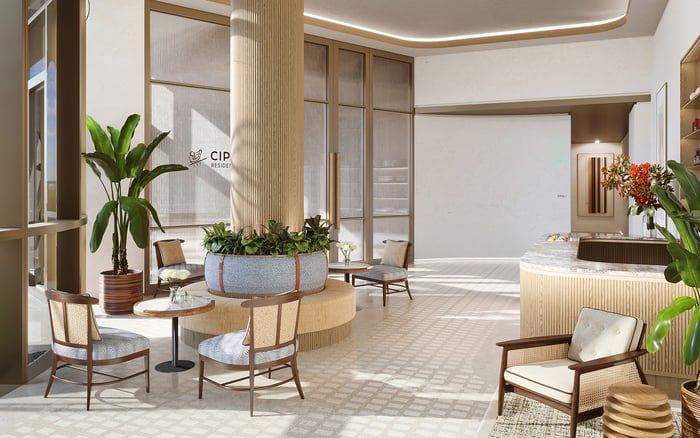
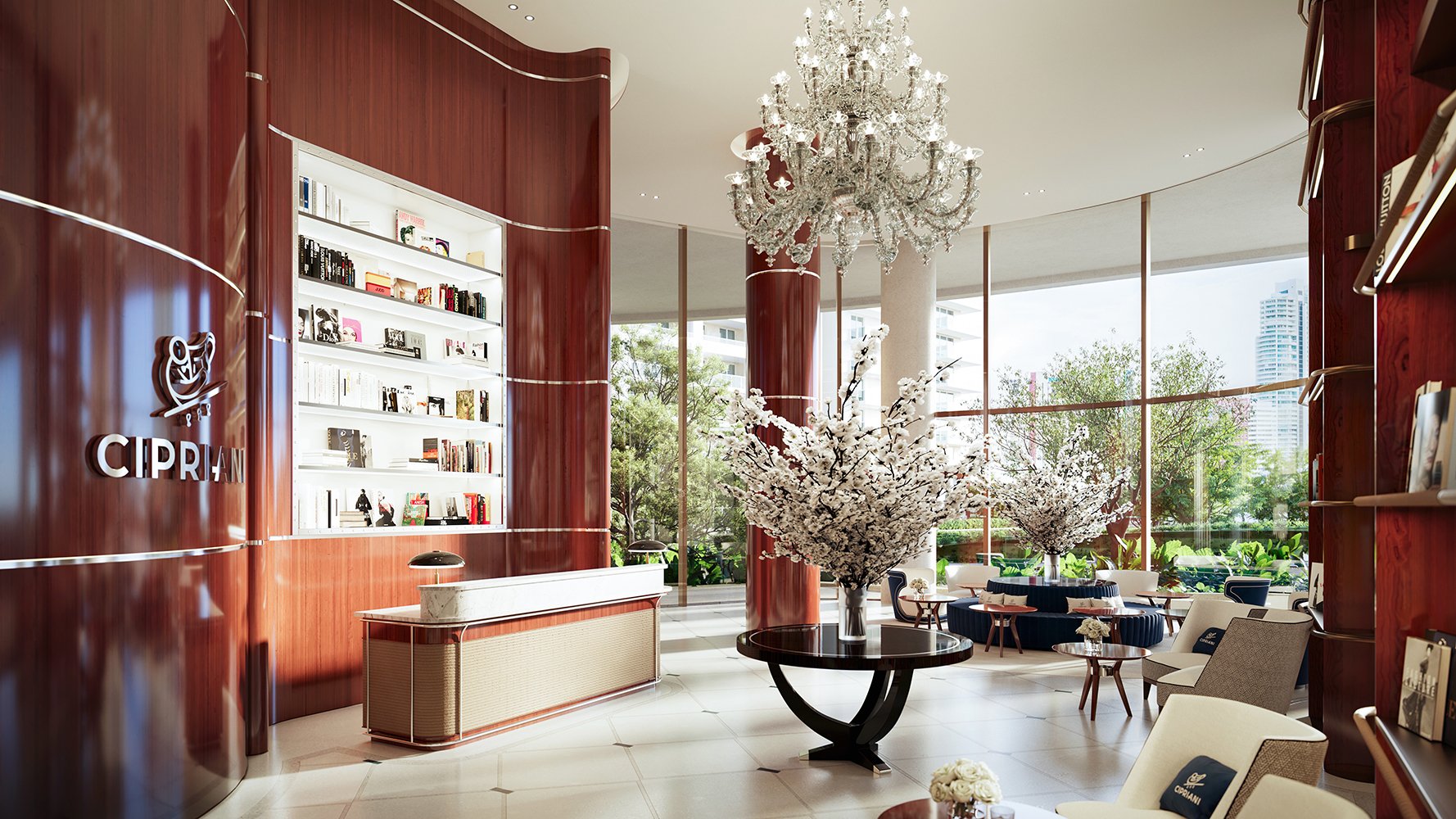
Cipriani’s identity gives this project a particular lens. Its positioning emphasizes curated environments, resident-facing service and social spaces informed by restaurant and club culture. That does not make the building a hotel. In fact, its framing points in the opposite direction, toward a more stable, lifestyle-driven residential community rather than a transient short-term-rental product.
That distinction is essential for full-time buyers. A primary residence requires predictability. Elevator traffic, guest protocols, service standards, amenity etiquette and the tone of common areas all shape the experience of living in a tower. Lifestyle is not an accessory here. It is part of the building’s daily architecture.
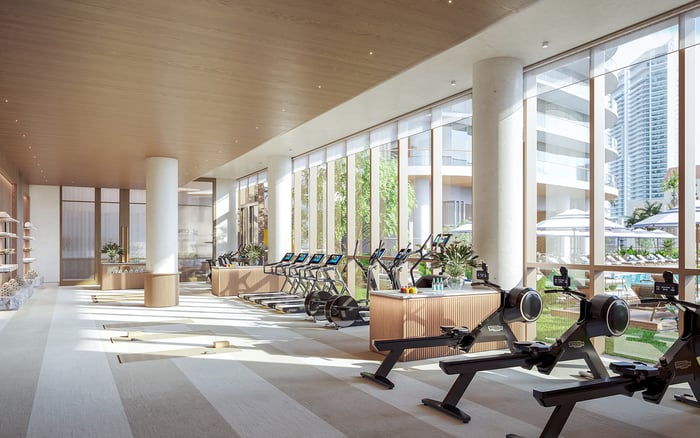
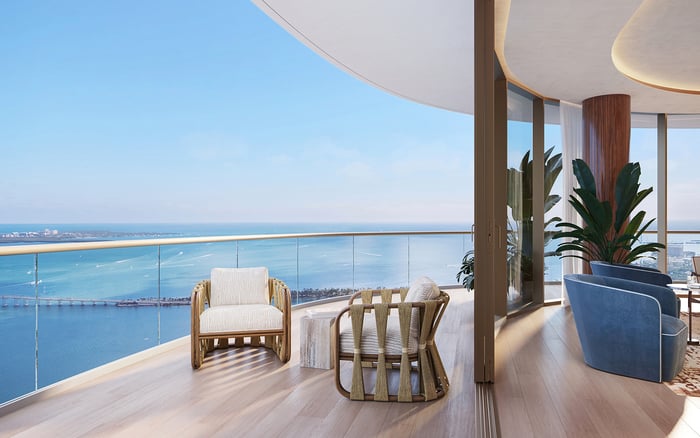
Exact unit counts, dimensions and inventory should not be guessed. Still, the broader point is clear: the project’s concept combines architecture, unit layouts, amenities, services and neighborhood access into a daily-living proposition.
For a full-time South Florida owner, layout is not simply about entertaining. It is about how a residence handles work, rest, family, guests, storage and privacy. Multigenerational use is especially relevant in Miami, where homes often host visiting parents, adult children, friends and extended stays. A building positioned for long-term ownership must support more than a weekend itinerary.
This is where buyers should look beyond first impressions. How does the residence feel at 8 a.m. on a workday? Where does luggage go after a long trip? Can a guest stay without disrupting the owner’s routine? Do social spaces extend the home, or do they merely photograph well? These are the questions that separate a full-time residence from a seasonal indulgence.
Full-time livability in South Florida also depends on what cannot be captured in a single rendering. Tropical coastal living brings heat, humidity, storms, intense sunlight and infrastructure demands. A serious primary-home buyer should think about resilience not as a marketing word, but as part of the ownership experience.
For Cipriani Residences Brickell, the framing around full-time use means the building must be considered through mobility, resilience, building governance, neighborhood integration and everyday convenience. Governance is particularly important in a high-service condominium. The more ambitious the service model, the more important the rules, staffing culture, budgeting discipline and resident expectations become.
This is also why comparisons within Brickell should be thoughtful rather than superficial. 2200 Brickell may appeal to buyers focused on a different expression of urban living, while Una Residences Brickell reflects another established Brickell reference point. Cipriani’s appeal rests on whether its hospitality language can translate into durable residential comfort.
The clearest buyer profile is not the absentee investor looking for maximum churn. Cipriani Residences Brickell is positioned for residents who want primary-home function with a polished service layer. That includes full-time professionals who value proximity to Miami’s business core, families seeking an urban base, and long-term owners who want their building to feel socially composed.
It also speaks to buyers who understand that convenience is not the same as busyness. Brickell can be intense. A well-conceived residence must create a sense of order within that intensity, allowing the owner to access the city without feeling consumed by it. In that sense, the building’s success will be measured by its quietest moments: the ease of arrival, the steadiness of service, the comfort of common spaces and the feeling that the residence works in July as well as in January.
Cipriani Residences Brickell fits the evolving definition of luxury in South Florida. The market is no longer only about views, finishes and brand cachet. For the ultra-premium buyer, the more relevant question is whether a building can sustain a refined everyday life across seasons, family patterns and ownership cycles.
On that measure, Cipriani’s positioning is compelling because it treats hospitality as a residential discipline. The project’s Brickell location, service orientation and emphasis on long-term community place it squarely in the conversation for full-time Miami living. The prudent buyer should evaluate it not only as a branded tower, but as a complete daily-living system.
Is Cipriani Residences Brickell positioned for full-time living? Yes. The building is framed for year-round South Florida life rather than only seasonal or occasional use.
Where is Cipriani Residences Brickell located? It is positioned in Brickell, Miami’s financial core and one of the city’s densest urban residential markets.
What makes the Cipriani brand relevant to the residences? The project translates Cipriani’s hospitality identity, including restaurant and club-style service, into condominium living.
Is this primarily a short-term-rental concept? No. The project is positioned as a more stable, lifestyle-driven residential community rather than a transient product.
Who is the intended buyer for the building? The profile includes full-time urban professionals, families and long-term owners seeking primary-home functionality.
Why does governance matter in a branded residence? Strong governance helps preserve service standards, privacy, resident expectations and the long-term tone of the building.
How should buyers think about amenities here? Amenities should be evaluated as extensions of daily life, not simply as visual features or occasional conveniences.
Why is Brickell important to the building’s appeal? Brickell supports workday access, dining, services and urban routines that matter for full-time residents.
What South Florida factors should buyers consider? Buyers should consider mobility, resilience, climate, building operations and everyday convenience across all seasons.
What is the central takeaway for Cipriani Residences Brickell? Its promise is a refined, service-led condominium environment designed around long-term urban living.
For a confidential assessment and a building-by-building shortlist, connect with MILLION.
If branded residences are on your mind — as a home or as an allocation — we would be glad to share what we are seeing, privately.
Begin a quiet conversation