A buyer-focused look at how privacy differs between South Beach and Surfside, from arrival choreography and public exposure to service culture, oceanfront living, and long-term lifestyle fit.
For high-net-worth buyers comparing South Beach and Surfside, privacy is rarely a single feature. It is a sequence. It begins at the street, continues through the arrival court or lobby, extends into the elevator, and ultimately defines how a residence feels once the doors close behind you. The right address does not simply conceal. It filters.
South Beach and Surfside both speak to buyers who want proximity to the water, but they do so in different languages. South Beach is more kinetic, more social, and more visibly connected to Miami’s cultural pulse. Surfside is quieter in tone, with a more residential cadence and a subtler sense of arrival. Neither is automatically more private. The distinction lies in how each address manages exposure.
For some buyers, privacy means being near restaurants, clubs, galleries, and hotels without feeling absorbed by them. For others, it means a slower beachfront rhythm, a low-profile daily routine, and a building culture where discretion is part of the atmosphere. The better question is not which place is more private in the abstract. It is which place protects the life you actually intend to live.
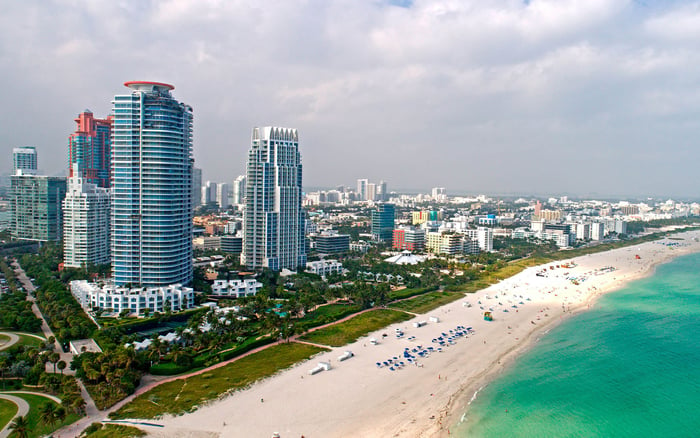
South Beach carries a particular tension for luxury buyers. Its appeal is precisely what complicates privacy: energy, visibility, design, dining, nightlife, and a constant sense of movement. A residence here can deliver an extraordinary lifestyle, but the privacy standard requires unusually careful evaluation.
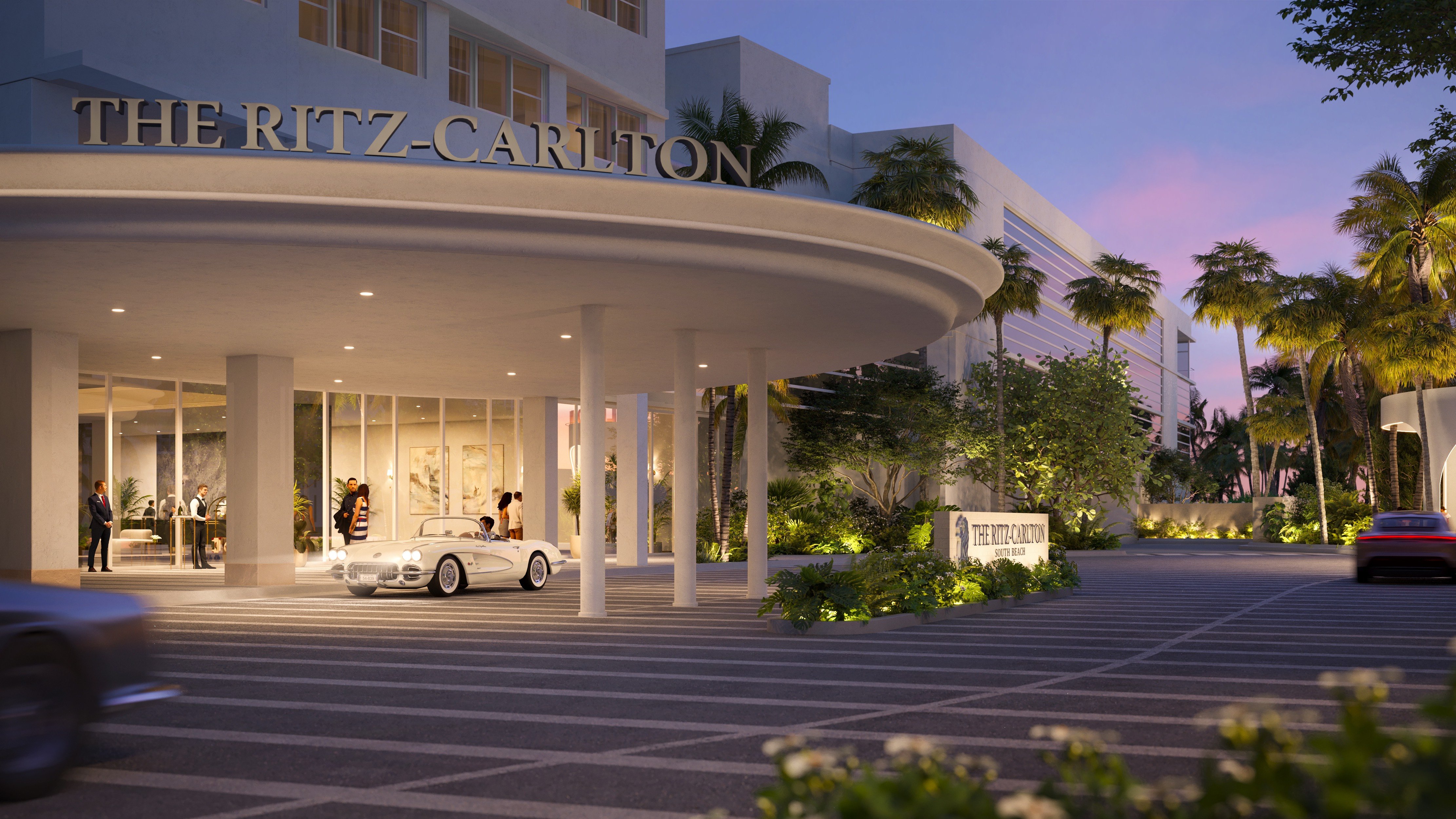
The strongest South Beach homes create separation without removing the owner from the neighborhood. That separation may come from a carefully managed entrance, a residential lobby distinct from any public-facing environment, secure parking, discreet staff protocol, or an elevator experience that avoids unnecessary interaction. In this context, privacy is less about silence and more about choreography.
Buyers focused on South of Fifth often understand this balance instinctively. The area’s appeal is not simply geographic. It is psychological. It allows an owner to feel connected to South Beach while still seeking a more composed daily routine. In many private search conversations, Sofi becomes shorthand for a version of South Beach that feels more curated, more residential, and less exposed than the busiest parts of the island.
Still, South Beach demands honest self-knowledge. If a buyer wants to step directly into a social environment, the address can feel ideal. If the buyer wants to disappear, the building itself must do much more of the work.
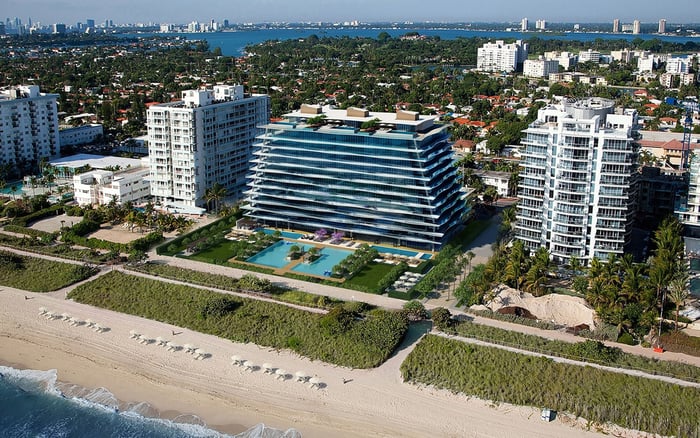
Surfside tends to appeal to buyers who value understatement. Its luxury is often expressed through restraint rather than spectacle. The daily rhythm is calmer, the beachfront mood is more residential, and the sense of arrival can feel less performative. For many owners, that quietness is the point.
In Surfside, privacy often begins before the building. The surrounding atmosphere may feel less theatrical, reducing the friction between public space and private life. A walk to the beach, a morning routine, or a family arrival can feel less observed. This does not eliminate the need for building-level discretion, but it changes the baseline.
The trade-off is that Surfside may not satisfy a buyer who wants constant proximity to the most visible elements of South Beach life. It is not a retreat in the sense of being disconnected, but it is more reserved. Buyers who choose Surfside are often selecting a softer kind of status, one that does not require the address to announce itself loudly.
For those using search language such as Surfside, oceanfront, boutique, and beach-access, the underlying desire is usually clear: a waterfront home that feels personal, not public. Surfside answers that desire through tone as much as through architecture.
Whether the address is South Beach or Surfside, the strongest privacy profile comes from a layered approach. A beautiful residence with a poorly considered entry sequence can feel exposed. A more compact building with disciplined access can feel exceptionally secure and calm.
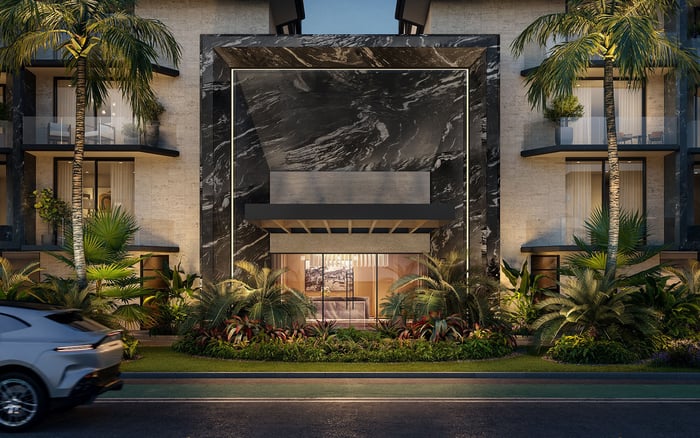
Buyers should begin with the arrival experience. How visible is the entrance from the street? Is the drop-off shared or dedicated? Does the parking sequence feel controlled? Is there a clear transition from public realm to private interior? These details may sound operational, but in the luxury market they are emotional. They determine whether a home feels serene or merely expensive.
The second layer is vertical movement. Elevators, corridors, and access points shape the resident’s sense of anonymity. The fewer unnecessary encounters between car, lobby, elevator, and residence, the stronger the privacy experience.
The third layer is exposure from within the home. A residence may have dramatic water views yet still feel vulnerable if terraces, neighboring sightlines, or amenity areas are poorly positioned. The best homes allow openness toward the horizon while maintaining discretion from adjacent spaces.
Finally, service culture matters. Privacy is not only built into walls and doors. It is preserved by staff training, resident expectations, guest procedures, and the tone of the building community.
A useful exercise is to imagine an ordinary Tuesday, not a celebratory weekend. Where do you want to wake up? How do you want to arrive home after dinner? Do you want the option to be seen, or the confidence that you will not be? Do you want the city at your feet, or the ocean at a quieter remove?
South Beach rewards buyers who enjoy access, energy, and cultural immediacy, provided they choose a residence that manages the boundary between public and private with precision. Surfside rewards buyers who want a more tranquil daily rhythm without surrendering the prestige of coastal living.
The Miami Beach buyer deciding between the two should avoid treating privacy as a checklist item. It is not only about security, nor only about density, nor only about a view. It is the sum of many small decisions that either protect or interrupt daily life.
In the end, South Beach offers privacy by design when the building is strong enough to counterbalance the neighborhood’s visibility. Surfside offers privacy by temperament, with a quieter setting that supports discretion from the outside in. The more private choice is the one that aligns with your tolerance for energy, your expectation of service, and your preferred relationship with the public world.
Is Surfside always more private than South Beach? Not always. Surfside often feels quieter, but a South Beach building with excellent access control and discreet circulation can deliver strong privacy.
Can South Beach work for a privacy-focused buyer? Yes. It depends on whether the residence offers a controlled arrival, strong staff protocol, and separation from public-facing activity.
What is the biggest privacy risk in South Beach? The main risk is exposure created by busy surroundings, shared arrivals, or building layouts that do not separate residents from public energy.
What is the biggest privacy advantage in Surfside? Surfside’s calmer residential rhythm can make daily life feel less observed, especially for buyers who value understatement.
Should buyers prioritize ocean views or privacy? Ideally, the residence should support both. View quality should be considered alongside terrace exposure, neighboring sightlines, and amenity placement.
Does a smaller building mean better privacy? Not automatically. A boutique building can feel private if well managed, but operations and access design matter as much as scale.
Is South of Fifth different from broader South Beach? Many buyers view South of Fifth as a more residential pocket within South Beach, though each building still needs individual review.
Why does arrival matter so much? Arrival is the first privacy threshold. A controlled, discreet entry can make the entire residence feel calmer and more secure.
Are amenities a privacy concern? They can be. Amenity placement, guest policies, and circulation patterns influence how often residents encounter others.
How should a buyer choose between the two? Choose South Beach for cultural immediacy with carefully engineered privacy, and Surfside for a quieter rhythm that supports discretion.
To compare the best-fit options with clarity, connect with MILLION.
If branded residences are on your mind — as a home or as an allocation — we would be glad to share what we are seeing, privately.
Begin a quiet conversation