A discreet buyer’s guide to trust ownership, privacy planning and ultra-luxury condominium purchases for Silicon Valley clients considering Sunny Isles Beach and South Florida.
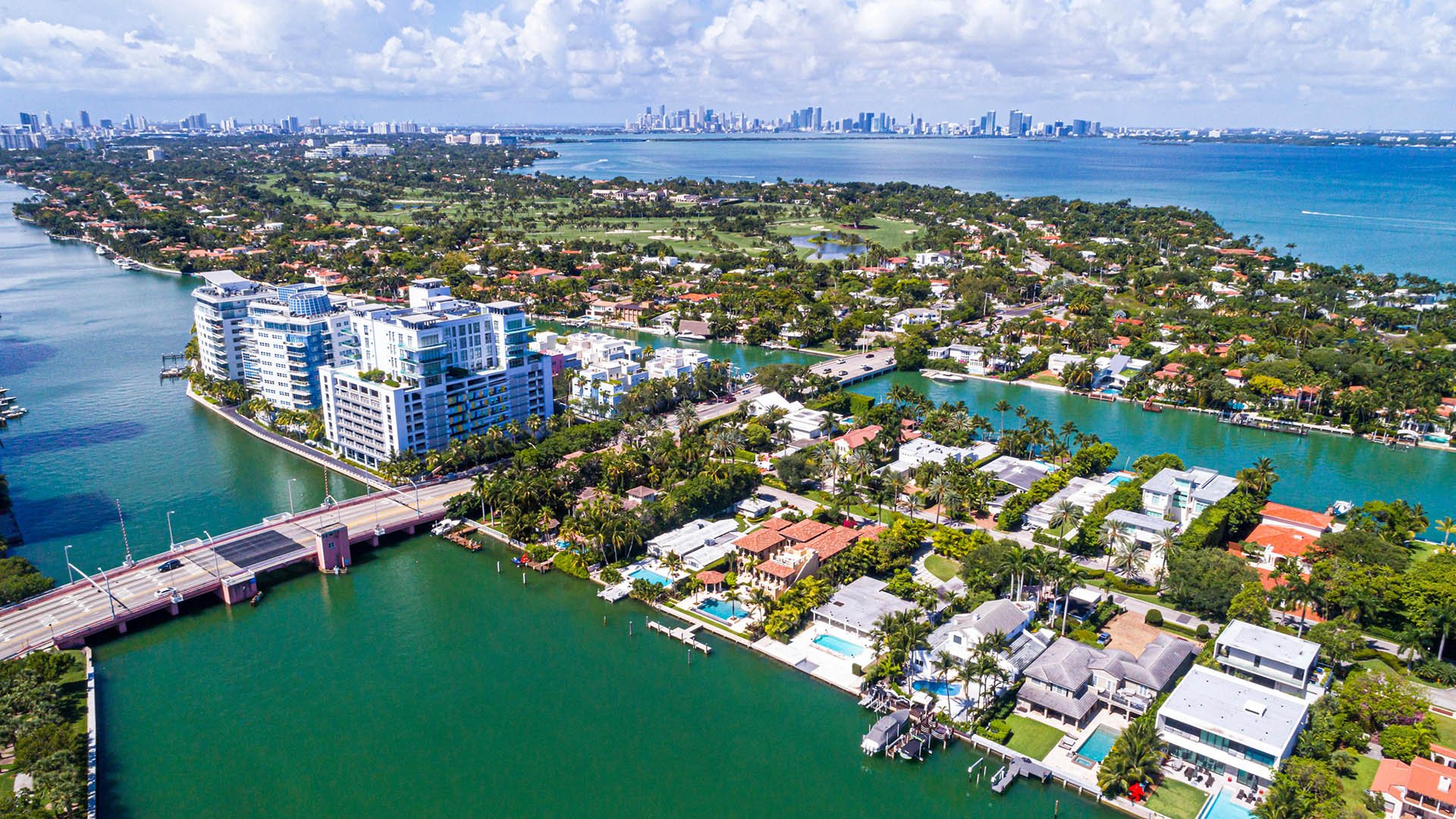
For a Silicon Valley buyer, a South Florida purchase is rarely just a change of address. It can be a liquidity decision, a family office decision, an investment decision and, increasingly, a privacy decision. Sunny Isles Beach, with its concentration of high-service waterfront towers, often attracts buyers accustomed to keeping personal, professional and asset-level details carefully separated.
That discretion should be planned before the first offer is written. Ownership structure affects who signs the contract, how deposits are wired, who appears in building records, how financing is reviewed, how insurance is placed and how future succession is handled. A trust can be useful, but it is not a costume change at the closing table. It should fit the buyer’s wider estate, tax, governance and lifestyle plan.
The best conversations start with a coordinated circle: real estate counsel, tax counsel, wealth advisers, the lender if financing is involved and the broker who understands how luxury condominium approvals work. Privacy is not about secrecy. It is about reducing unnecessary exposure while staying aligned with the rules of the transaction.
Trust ownership can help organize how a residence is held, used and ultimately transferred. For families with multiple homes, operating businesses, concentrated equity positions or cross-border considerations, a trust may provide an orderly way to connect the Florida residence to the rest of the balance sheet.
It is equally important to be clear about limits. A trust does not automatically make a buyer invisible. Parties involved in the transaction may still require identification, documentation and approvals. Condominium associations, title professionals, lenders, insurers and government-related compliance processes may all require information about the people behind the structure. The practical question is not whether a name can be hidden from every participant. It is whether the buyer can design a structure that is clean, defensible and appropriately discreet.
For a buyer considering Bentley Residences Sunny Isles, for example, the ownership structure should be discussed before reservation, contract or closing documents are prepared. The same is true for resale opportunities and for any acquisition where deposits, financing or association review may require consistency from the outset.
Sunny Isles Beach appeals to privacy-minded buyers because it offers a vertical lifestyle with direct services, controlled access, valet arrival, private amenities and residences designed for lock-and-leave ownership. Those qualities matter to technology founders, investors and executives who may divide time among California, New York, Miami, Palm Beach and international destinations.
Yet the very nature of a luxury condominium means privacy must coexist with building governance. A buyer may have a carefully designed trust, but the association may still require application materials, background information, financial details or signatures from authorized parties. That is not a contradiction. It is part of the difference between public privacy and operational transparency.
In a tower such as St. Regis® Residences Sunny Isles, the privacy conversation should also account for lifestyle patterns. Who will occupy the residence? Will adult children use it? Will staff coordinate access? Will the home be held long term, gifted later or treated as a seasonal base? These questions influence not only legal structure, but also how the residence functions day to day.
There is no universal answer. Some buyers prefer an individual purchase for simplicity. Others prefer a revocable trust for estate coordination. Some use an entity in combination with trust planning. The right answer depends on liability concerns, financing, estate objectives, administrative tolerance, tax posture, marital planning and whether the residence will be personal, family-used or part of a broader holding strategy.
The most elegant structure is usually the one that does not create friction. If financing is involved, the lender’s underwriting requirements may influence the form of ownership. If the purchase is all cash, the buyer may still need clean documentation for title, insurance and association review. If multiple family members are involved, the operating rules should be clear before anyone receives keys.
Silicon Valley buyers are often comfortable with layered structures in operating companies and venture holdings. Residential real estate is different. A condominium is both an asset and a community. The structure should be sophisticated, but it should also be legible to the professionals who must close and administer the purchase.
Not every privacy-minded buyer chooses Sunny Isles Beach. Brickell may suit a buyer who wants a financial-district address, walkability and a more urban daily rhythm. A residence at The Residences at 1428 Brickell may call for the same early planning around signer authority, funding path and long-term ownership intent.
Miami Beach introduces a different lifestyle equation, often centered on design, cultural proximity and resort-like living. At The Perigon Miami Beach, buyers thinking through trust ownership should consider the practical questions of access, family use and future transfer alongside architecture and amenity preferences.
For some, Surfside and Bal Harbour offer a quieter tone while remaining close to the same oceanfront corridor. The privacy conversation is similar, but the lifestyle decision is personal: visibility, arrival sequence, beach access, building scale and household routines all matter.
Before a contract is drafted, a buyer should know who the purchaser will be, who has authority to sign, how deposits will be funded, whether financing will be used and whether the intended structure is acceptable to the closing professionals and building process. Waiting until the week before closing can cause avoidable revisions.
The buyer should also decide how public-facing they wish to be. Privacy may mean using a trust, limiting unnecessary personal details in routine correspondence, coordinating family office communications through counsel and keeping media exposure separate from the acquisition. It may also mean selecting a building whose service culture aligns with discretion.
Waterfront luxury can feel effortless when the structure behind it is disciplined. The residence, the ownership vehicle and the operating rhythm of the household should work together. That is especially true for buyers arriving from an environment where reputation, liquidity events and personal security are intertwined.
The goal is not complexity for its own sake. The goal is quiet control. A well-planned purchase lets a buyer enjoy South Florida without turning every administrative touchpoint into a disclosure exercise. It allows family members, advisers and building staff to understand their roles. It gives the buyer confidence that the residence is held in a way that supports both present enjoyment and future planning.
For the Silicon Valley buyer considering Sunny Isles Beach, the lesson is simple: begin with structure, then move to selection. The right tower matters, but so does the name on the contract, the authority behind the signature and the plan for how the home will be used over time.
Should a Silicon Valley buyer use a trust to buy in Sunny Isles Beach? A trust may be appropriate, but the answer depends on the buyer’s legal, tax, financing and estate objectives. It should be reviewed before an offer is written.
Does a trust make a real estate purchase completely private? No. A trust can support discretion, but transaction participants may still require identifying information and documentation.
Can a condominium association ask about the people behind a trust? It may require information needed for its review process. Buyers should expect operational transparency even when public-facing privacy is a priority.
Is it better to buy through a trust or an entity? There is no universal answer. Counsel should compare estate planning, liability, lending, tax and administrative considerations.
When should ownership structure be decided? Ideally before contract preparation. Changing the purchaser late in the process can create avoidable delays.
Can financing affect trust ownership? Yes. A lender may have specific requirements for borrowers, guarantors, signatures and title structure.
Does privacy planning differ between Sunny Isles Beach and Brickell? The core planning principles are similar, but building procedures, lifestyle needs and daily use patterns can differ by market.
Should family use be addressed in the trust plan? Yes. If spouses, children, guests or staff will use the residence, access and authority should be coordinated in advance.
Is trust ownership only for ultra-high-net-worth buyers? Not necessarily. It can be useful whenever estate coordination, discretion or family governance is important.
What is the first step before touring residences? Assemble counsel and advisory support so the buyer knows who will purchase, sign and fund the transaction.
For a discreet conversation and a curated building-by-building shortlist, connect with MILLION.
If branded residences are on your mind — as a home or as an allocation — we would be glad to share what we are seeing, privately.
Begin a quiet conversation