A buyer-focused look at how Ritz-Carlton-branded residences in Fort Lauderdale, Miami Beach, and Palm Beach Gardens frame privacy, waterfront living, service, and lock-and-leave ownership for South Florida second-home strategy.
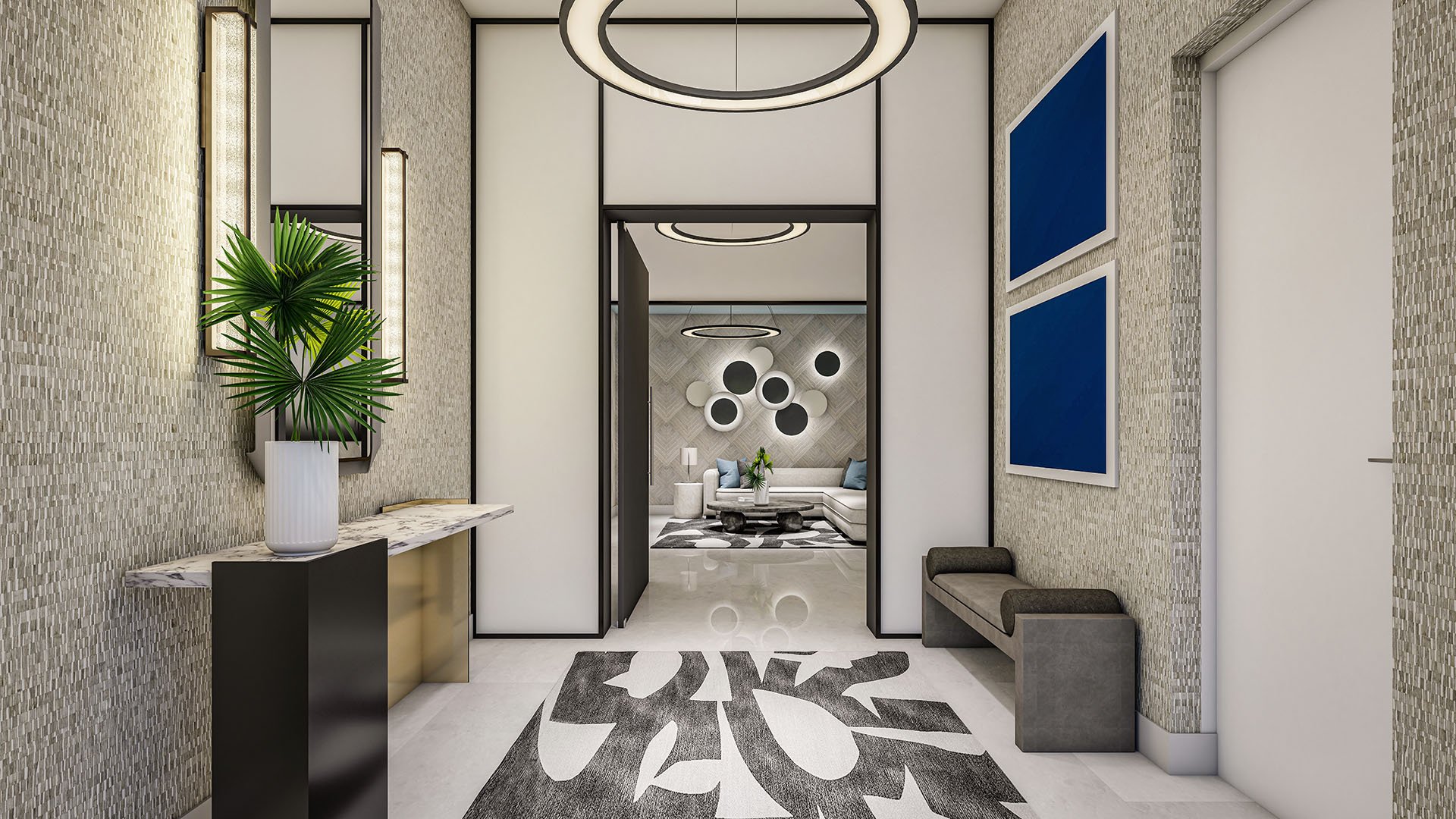
For South Florida’s high-end buyer, the second home is no longer defined by a view, a beach address, or a recognized name on the door. The sharper question is how the residence will be used. Is it a private retreat for long weekends? A seasonal base for boating and club life? A quieter waterfront address that can be left with confidence between visits? Or a branded setting where service, privacy, and lock-and-leave ease are central to the value proposition?
That is why the conversation around The Ritz-Carlton Residences® Fort Lauderdale, The Ritz-Carlton Residences® Miami Beach, and The Ritz-Carlton Residences® Palm Beach Gardens is revealing. These names share a branded universe, yet the buyer logic is not identical. The most sophisticated owners are not comparing only price points or prestige. They are comparing rhythms of use.
In that sense, branded residences have become a language of precision. The brand offers a familiar service promise, but the setting determines whether the home functions as a private Miami Beach enclave, a marina-oriented seasonal residence, or part of a broader Fort Lauderdale decision set.
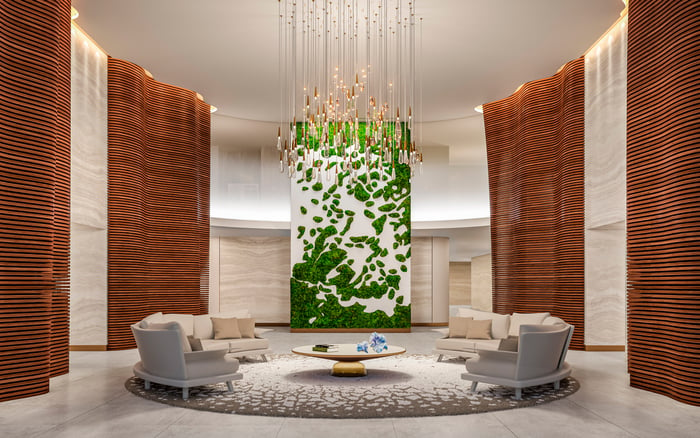
The Ritz-Carlton Residences® Miami Beach is positioned around an ultra-private, estate-like lifestyle rather than a conventional high-rise condominium identity. That distinction matters. In Miami Beach, where energy, visibility, and social proximity are often part of the draw, a quieter second-home base can be a deliberate luxury choice.
The project’s appeal is tied to branded service, privacy, waterfront access, and lock-and-leave convenience for globally mobile owners. For this buyer, the residence is not merely a South Florida pied-à-terre. It is a controlled environment that can feel composed on arrival and secure in absence. That is the heart of modern second-home strategy: reducing friction without reducing the emotional value of place.
Miami Beach also represents the private lagoon and estate-style end of the regional spectrum. The phrase is useful because it clarifies the buyer profile. This is not simply a buyer seeking proximity to Miami Beach. It is a buyer who wants Miami Beach filtered through discretion, service, and residential calm.
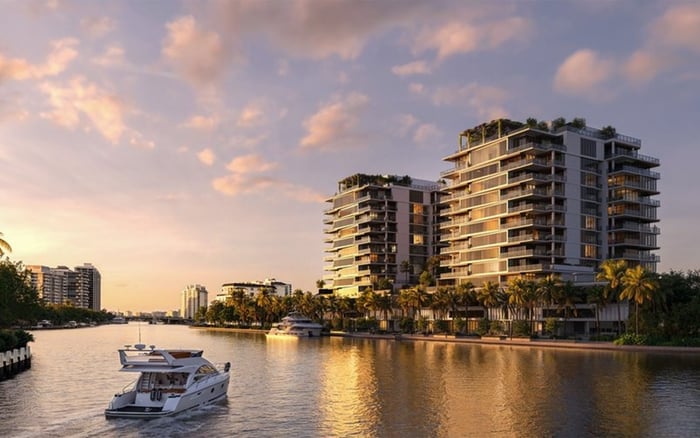
The Ritz-Carlton Residences® Palm Beach Gardens presents a different lifestyle profile within the same broad branded-residence framework. Here, the strategy is more yacht-forward, with access to a marina-oriented lifestyle and an Intracoastal waterfront typology. For many owners, that changes the entire second-home calculus.
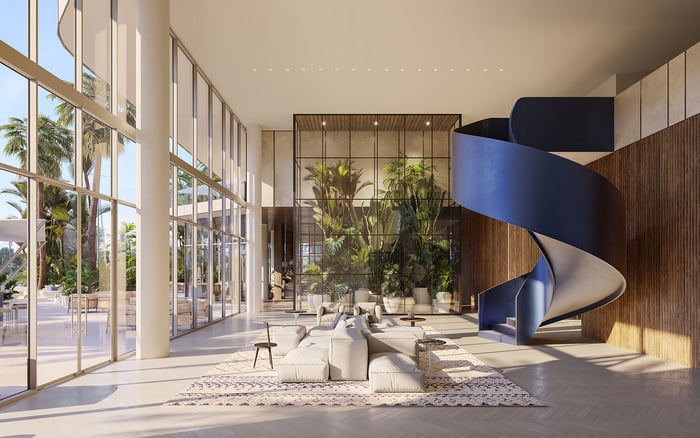
A residence shaped around boating is not used the same way as a purely urban apartment or a purely beach-driven retreat. Arrival patterns, guest weekends, storage expectations, and daily routines become more leisure-led. Palm Beach Gardens also carries a golf-adjacent identity, signaling a seasonal pattern tied to clubs, outdoor recreation, and longer stays. Golf, boating, privacy, and resort-like services form a different definition of convenience than the one sought by a Miami Beach buyer prioritizing a more private, island-like base.
The key insight is that the branded label does not flatten the market. It segments it. Palm Beach Gardens illustrates how a Ritz-Carlton-branded residence can speak to owners whose priorities include boating, privacy, and service, while still feeling distinct from a Miami Beach second home.
Because the available project-specific detail is stronger for Miami Beach and Palm Beach Gardens, Fort Lauderdale is best understood here as part of the buyer’s comparison map rather than as a set of unsupported claims. Its inclusion in the same decision conversation is still meaningful. Fort Lauderdale gives buyers another coastal South Florida frame through which to evaluate the Ritz-Carlton-branded residential proposition.
For a luxury buyer, that comparison is practical. The decision is not simply, “Do I want a branded residence?” It is, “Which version of the branded residence best fits my life?” Fort Lauderdale, Miami Beach, and Palm Beach Gardens each pull the buyer toward a different pattern of regional use. One may emphasize a quieter Miami Beach setting. Another may emphasize Intracoastal and marina living. Another may become part of a Broward-focused coastal strategy.
This is where waterfront becomes more than a visual amenity. Waterfront can mean privacy, boating, access, serenity, or daily ritual, depending on the address and the owner’s habits. The strongest second-home decisions begin by defining which of those meanings actually matters.
The deeper lesson is that branded service is now only the beginning. For second-home buyers, the decisive features are the ones that make ownership easier when the home is used intermittently: privacy, security, service, waterfront setting, and the confidence that the residence will function smoothly between visits.
Miami Beach answers that demand through a quieter, estate-like model. Palm Beach Gardens answers it through boating, club-adjacent leisure, and marina-oriented living. Fort Lauderdale broadens the geography of the same question, reminding buyers that the right branded residence depends on how often they will come, how they will spend their time, and what kind of arrival they want to experience.
This is a more mature view of luxury real estate. It treats the second home not as a trophy, but as a system: architecture, service, access, privacy, and maintenance working together. The name on the residence may open the door, but lifestyle fit determines whether the property becomes essential.
A disciplined buyer should begin with use case. If the objective is a private Miami Beach refuge with branded service and waterfront access, the Miami Beach model is the more relevant lens. If the objective is yachting, Intracoastal living, and a seasonal leisure pattern with golf nearby, Palm Beach Gardens deserves closer attention. If the goal is to compare branded coastal living across Broward and beyond, Fort Lauderdale belongs in the discussion.
The mistake is treating all branded residences as interchangeable. They are not. Service may be the common thread, but setting defines the daily experience. In South Florida, that setting can shift dramatically from neighborhood to neighborhood, even when the brand language remains consistent.
For the ultra-premium buyer, the strongest second-home strategy is therefore personal rather than generic. The right choice is the residence that reduces complexity while amplifying the way the owner actually wants to live.
What is the main second-home lesson from these Ritz-Carlton Residences® projects? The lesson is that lifestyle fit now matters as much as brand prestige. Buyers are comparing privacy, waterfront use, service, and seasonal rhythm.
How is The Ritz-Carlton Residences® Miami Beach positioned for second-home buyers? It is positioned around an ultra-private, estate-like lifestyle with branded service, waterfront access, and lock-and-leave convenience.
Why does Miami Beach appeal to a quieter luxury buyer? The Miami Beach model serves buyers who want the area’s appeal without a conventional high-rise condominium identity or an overly public atmosphere.
What defines The Ritz-Carlton Residences® Palm Beach Gardens strategy? Palm Beach Gardens is framed around yacht-forward living, a marina-oriented setting, privacy, and resort-like services.
Why is golf relevant in Palm Beach Gardens? Its golf-adjacent profile signals a second-home pattern tied to club life, leisure, and seasonal stays.
How should buyers think about Fort Lauderdale in this comparison? Fort Lauderdale functions as another South Florida coastal reference point for evaluating branded residential ownership and regional lifestyle fit.
Are these residences differentiated only by price? No. The comparison shows differentiation by lifestyle use case, including privacy, boating, waterfront setting, and service expectations.
What does lock-and-leave convenience mean for this buyer? It means the home is designed to support owners who come and go, with service and security helping reduce the burden of intermittent use.
Why do branded residences matter for second-home owners? They offer a service framework that can make ownership feel more predictable, especially for buyers who are not in residence full time.
What should a buyer decide before choosing among these markets? A buyer should define whether the priority is private retreat, boating, club-oriented leisure, or a broader South Florida coastal base.
When you're ready to tour or underwrite the options, connect with MILLION.
If branded residences are on your mind — as a home or as an allocation — we would be glad to share what we are seeing, privately.
Begin a quiet conversation