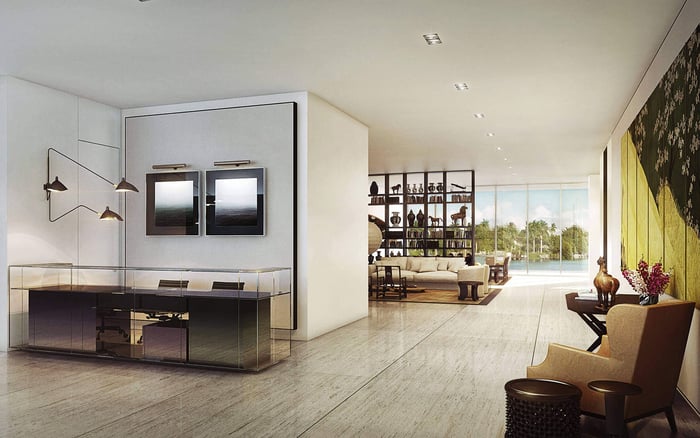
A discreet buyer’s guide to interpreting reserve study assumptions when transitioning from a large waterfront home to a South Florida condominium or managed residence.
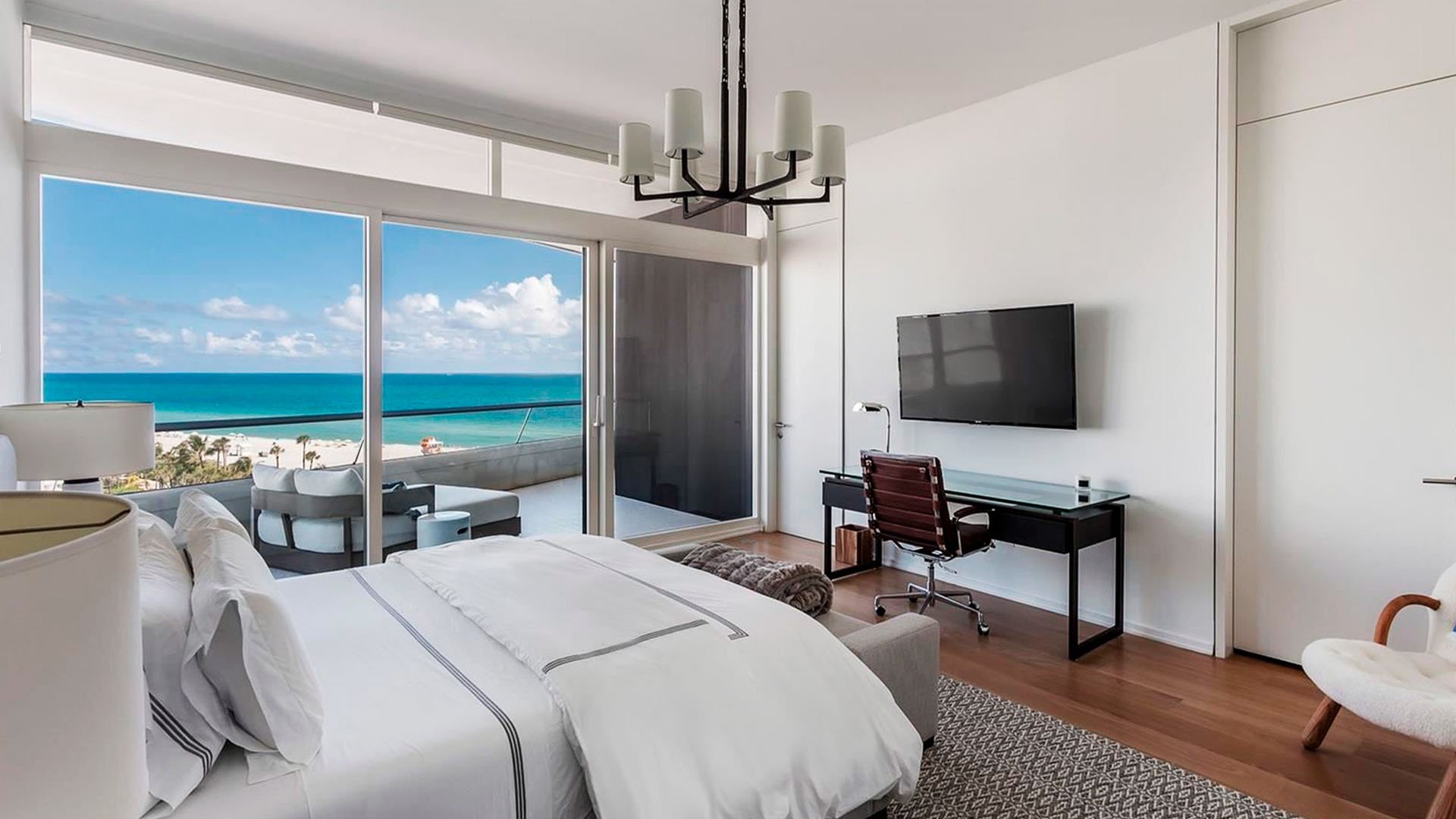
For many South Florida buyers, the move from a large waterfront home into a condominium or managed residence is not a retreat from luxury. It is a recalibration. The private dock, generator room, seawall, roof, pool equipment, landscape staff, and insurance decisions that once sat entirely on one owner’s desk become part of a shared financial architecture. The view may remain blue. The balance sheet becomes communal.
That is why reserve study assumptions deserve attention before signing. A reserve study is often treated as technical background, something to be reviewed by an attorney, property manager, or accountant. For a buyer accustomed to controlling every major maintenance decision at a single-family estate, however, its assumptions can reveal how a building thinks about future responsibility.
This is not only a matter of monthly cost. It is a matter of rhythm, discretion, and governance. Waterfront ownership in South Florida carries a particular sensitivity to time, materials, access, salt air, weather planning, and the willingness of owners to fund work before it becomes urgent. A buyer who understands those assumptions early can enter the transaction with greater composure.
A large waterfront home gives its owner a rare form of control. If the roof needs attention, the owner chooses when to price it, whom to hire, how expansive the scope should be, and whether to pair the work with a design upgrade. If dock lighting, gates, hardscape, or mechanical systems need care, the decision remains private.
A condominium changes that relationship. The owner still enjoys a private residence, but the building’s common elements are funded collectively. The reserve study becomes one of the clearest windows into that collective mindset. It may show whether future work is imagined conservatively, optimistically, or with a preference for deferral. It may also reveal whether the building is thinking like a long-term steward or simply satisfying the present moment.
This distinction is particularly relevant for buyers comparing established resale options with new-construction offerings, or considering neighborhoods from Miami Beach to Brickell, Sunny Isles Beach, Boca Raton, and beyond. A polished lobby or a cinematic arrival sequence can be persuasive. So can a private elevator foyer. Yet the reserve assumptions behind the scenes are part of the real luxury experience.
The most useful review begins with the assumptions, not the headline conclusion. A study is only as meaningful as the expectations underneath it. Buyers should ask what components are included, which items are excluded, how useful life is estimated, and whether cost expectations feel realistic for a premium waterfront environment.
Timing is central. If a major component is assumed to last longer than a prudent owner would expect, the reserve requirement may appear more comfortable than it truly is. Scope matters as well. Replacing a visible finish is not the same as addressing the system beneath it. A study that treats work narrowly may underestimate the way real projects unfold in a staffed, amenity-rich building.
Inflation assumptions deserve a close reading. So do contingency assumptions. In a luxury building, the cost of performing work is not just materials and labor. It may include access coordination, resident communication, protection of finishes, operational staging, temporary service adjustments, and the need to preserve a five-star standard while work is underway.
Governance is another key point. A study may be technically sound, but owners still need a board or association culture willing to act on it. Former estate owners should pay close attention to meeting minutes, budget discussions, special assessment history, and the tone of capital planning. The numbers and the culture should make sense together.
Waterfront buyers naturally focus on frontage, orientation, privacy, and the quality of the horizon. But in a shared building, the waterfront premium also lives in common systems and exterior durability. Elevators, façades, balconies, pool decks, marina-related elements, garage areas, lobbies, mechanical systems, and life-safety components all shape the owner experience.
A buyer considering The Perigon Miami Beach may be drawn to the elegance of Miami Beach living, while another studying Una Residences Brickell may be weighing a waterfront Brickell lifestyle with proximity to the city’s business and dining core. In either case, the reserve conversation should be treated as part of the residence, not separate from it.
The same principle applies farther north. A buyer looking at Bentley Residences Sunny Isles may be thinking about privacy, brand identity, and vertical waterfront living in Sunny Isles Beach. A buyer drawn to Alina Residences Boca Raton may be seeking a more composed Boca Raton setting. Different markets, different design languages, same due diligence question: how has the building or project planned for the life of the asset?
Sophisticated buyers do not need to become engineers. They do need to ask better questions. What are the largest reserve components? Which assumptions have the greatest effect on future funding? Are there components that seem under-described? Is the reserve schedule aligned with the building’s actual standard of finish? Are there known projects that are not fully reflected in the study?
A buyer should also ask whether the reserve plan matches personal holding strategy. Someone planning to own for decades may view conservative funding as a form of stability. Someone planning a shorter hold still needs to consider how future buyers may read the same documents. In the upper tier of the market, liquidity often depends on confidence, not merely square footage.
The review should be coordinated. Real estate counsel can address contract rights and document review. A financial advisor or accountant can help interpret cash-flow implications. A building consultant or engineer can help identify whether assumptions deserve further technical discussion. The point is not to find perfection. The point is to understand where the uncertainties live.
Reserve study assumptions can influence more than post-closing comfort. They may affect negotiation posture, timing, contingency strategy, and the buyer’s willingness to proceed. If the assumptions appear thoughtful, current, and aligned with the property’s standard, they can reinforce confidence. If they appear thin, dated, or overly optimistic, the buyer may need additional protection or a different price conversation.
This is especially important for buyers who are leaving a large waterfront home after years of direct ownership. They may be emotionally ready for simplicity, security, lock-and-leave convenience, and curated amenities. The reserve study helps reveal whether that simplicity is truly being purchased or merely shifted into a collective decision-making structure.
The most useful lens is rarely fear. It is clarity. A well-run building should be able to explain how it thinks about capital needs. A serious buyer should be able to understand the tradeoffs before becoming part of the ownership group.
Low maintenance does not mean maintenance disappears. It means the maintenance is anticipated, funded, scheduled, communicated, and executed with minimal disruption to the owner’s life. For luxury buyers, that is the real promise.
When leaving a private waterfront estate, the appeal of condominium living is often freedom. Freedom from vendor coordination. Freedom from constant exterior decisions. Freedom to travel without wondering what needs attention at home. But freedom is strongest when the building’s financial assumptions are disciplined.
Before signing, buyers should treat the reserve study as part of the property tour. The lobby shows taste. The amenities show lifestyle. The residence shows proportion and light. The reserve assumptions show stewardship. In South Florida’s premium market, all four belong in the same conversation.
What is the main purpose of reviewing reserve study assumptions? The goal is to understand how a building anticipates future capital needs and how those expectations may affect ownership costs.
Why is this especially important for buyers leaving waterfront homes? They are moving from private control of maintenance decisions to a shared system where planning and funding are collective.
Should buyers rely only on the reserve balance? No. The balance matters, but the assumptions behind timing, scope, cost, and contingencies are often more revealing.
Can reserve assumptions affect negotiations? Yes. If assumptions raise concerns, a buyer may revisit price, timing, contingencies, or the level of additional review needed.
Who should help review the documents? Buyers often involve real estate counsel, financial advisors, accountants, and qualified building consultants when appropriate.
Are newer buildings exempt from this review? No. Newer buildings may have different issues, but long-term stewardship still depends on realistic assumptions and planning.
What should a former single-family homeowner focus on first? Start with the largest common elements, the timing of expected work, and whether the plan matches the property’s luxury standard.
Do reserve studies predict exact future costs? No. They are planning tools based on assumptions, which is why the quality and realism of those assumptions matter.
Can a beautiful building still have weak reserve planning? Yes. Presentation and stewardship are related but not identical, so buyers should review both the visible and financial layers.
When should this review happen? It should happen before signing or before key contingency deadlines, while the buyer still has room to make informed decisions.
For a confidential assessment and a building-by-building shortlist, connect with MILLION.
If branded residences are on your mind — as a home or as an allocation — we would be glad to share what we are seeing, privately.
Begin a quiet conversation