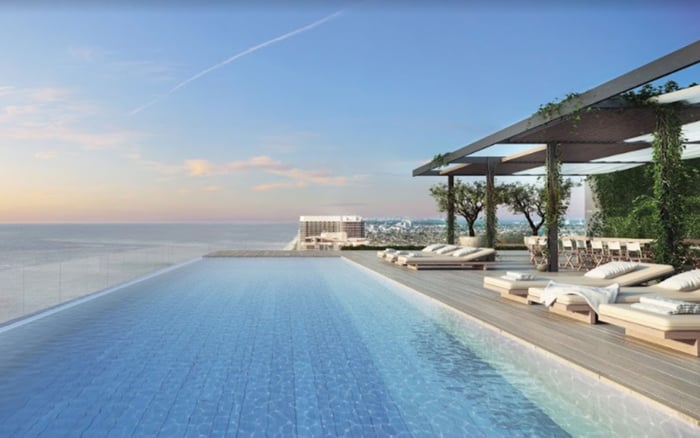
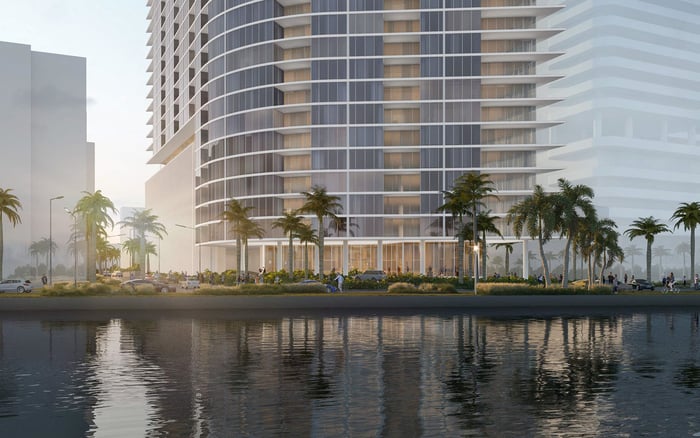
A practical comparison of Shorecrest on Flagler Drive and Oceana Bal Harbour, focused on terrace comfort, shade, ocean exposure, and long-term salt-air upkeep.
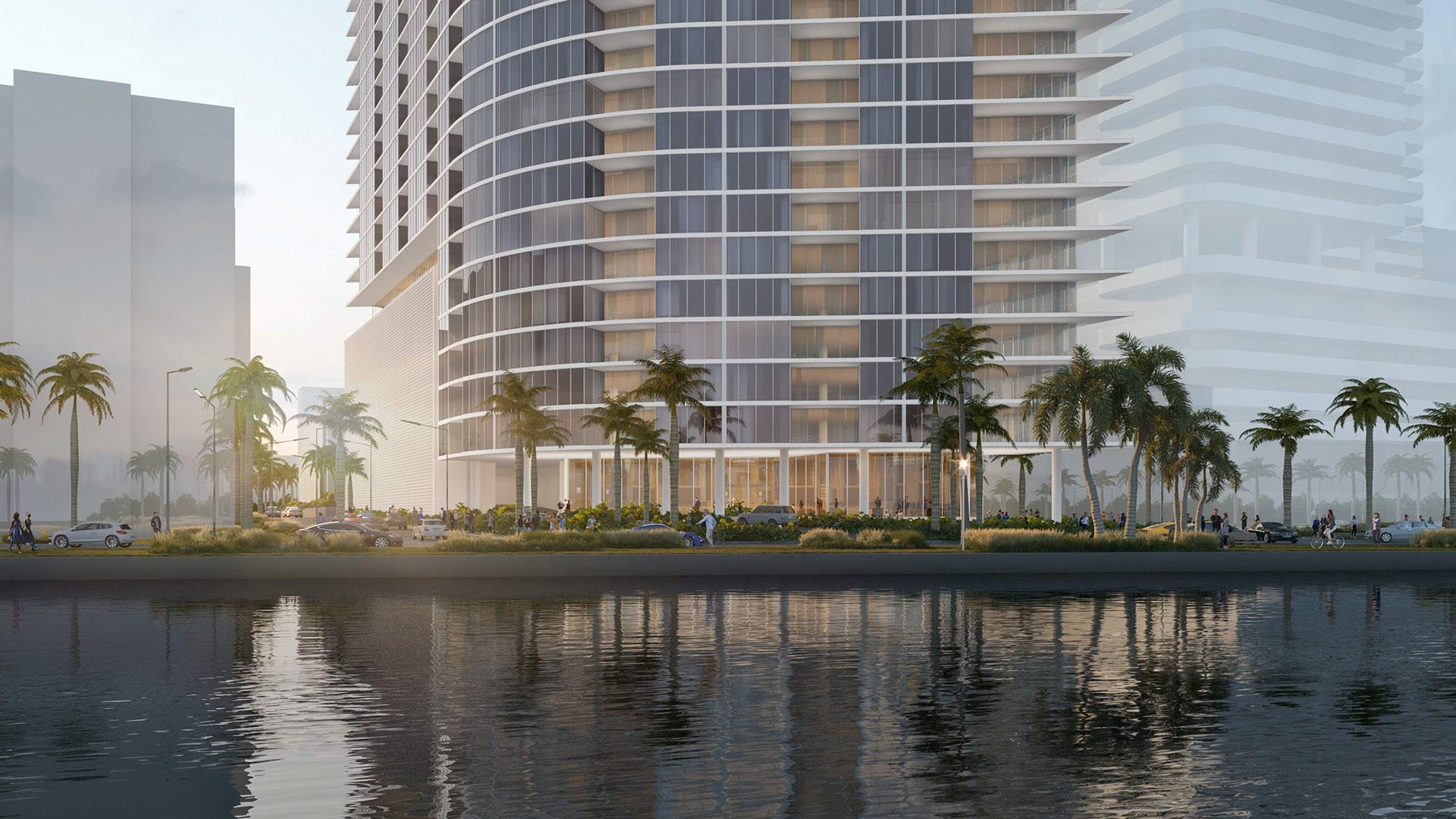
For affluent South Florida buyers, Shorecrest Flagler Drive West Palm Beach and Oceana Bal Harbour can sound like variations on the same dream: glass, water, terraces, and the promise of indoor-outdoor living. In practice, they raise very different ownership questions. One is tied to the West Palm Beach side of the water, where the Flagler Drive waterfront market frames daily life through an Intracoastal-style lens. The other is a Bal Harbour oceanfront address where the Atlantic is not a backdrop, but the protagonist.
That distinction matters. This is not simply Shorecrest versus Oceana Bal Harbour as a contest of luxury. It is mainland Intracoastal exposure versus barrier-island, open-ocean exposure. It is a question of how often the terrace will feel comfortable, how much shade matters in the afternoon, how wind changes the mood of an outdoor dinner, and how much salt-air maintenance an owner is prepared to manage over time.
In practical market shorthand, this is a West Palm Beach ownership profile set against a Bal Harbour beachfront profile. Both can be elegant. Both can be highly desirable. But they do not live the same way.
Shorecrest Flagler Drive West Palm Beach is best understood as the newer-generation waterfront choice for buyers who want South Florida outdoor living without necessarily choosing a direct Atlantic beachfront building. Its Flagler Drive setting places it on the West Palm Beach side of the water, so due diligence should focus on how Intracoastal-style living performs day to day.
That means looking beyond the romance of water views. At Shorecrest, the meaningful questions are terrace orientation, usable shade, breezes, view direction, afternoon sun exposure, glass and railing maintenance, HVAC placement, and association planning for coastal upkeep. A residence can present beautifully in photographs and still have a terrace that feels too bright or too exposed during the hours an owner actually wants to use it.
The appeal is therefore less about proving waterfront prestige and more about livability. Can breakfast happen outside comfortably? Does the terrace remain usable in the late afternoon? Is there enough cover to make outdoor seating realistic beyond the mildest days? For a buyer who values water, light, and air but does not need direct beachfront intensity, Shorecrest’s practical profile may feel more aligned with daily life.
Oceana Bal Harbour sits on the other side of the comparison. It is the oceanfront option, and direct beachfront living is central to its indoor-outdoor proposition. The experience is more immediate: ocean views, sea breezes, salt air, and a resort-caliber coastal atmosphere that is difficult to replicate away from the Atlantic edge.
For the right buyer, that is precisely the point. Oceana’s appeal is sensory. The sound, air, horizon, and beachfront setting shape the residence even when the terrace doors are closed. Oceanfront living carries emotional power because it changes how rooms feel throughout the day.
Yet the same exposure that creates that atmosphere also raises practical questions. At Oceana, line selection should focus on terrace depth, orientation, wind exposure, and sun angle, not simply the prestige of an oceanfront address. The most compelling view may not always deliver the most usable outdoor space. A buyer who expects long dinners outside, protected lounging, or lower-maintenance furnishings should study how each line lives in real conditions.
Oceanfront ownership also makes salt-air maintenance a more prominent consideration. Terrace materials, railings, glazing, outdoor furniture, hardware, and mechanical components all deserve scrutiny. Oceanfront does not mean undesirable maintenance. It means maintenance should be expected, budgeted, and managed with eyes open.
Terrace comfort has become one of the defining luxury metrics in South Florida. A large terrace is not automatically a better terrace. A spectacular exposure is not automatically a more livable one. The best outdoor spaces balance shade, breeze, privacy, view, and protection.
At Shorecrest, the buyer should test whether the terrace benefits from a more moderated Intracoastal-style setting. The issue is not that salt, sun, or wind disappear. They do not. The point is that the exposure profile differs from a direct Atlantic beachfront building, and that difference can shape daily use.
At Oceana, the buyer should embrace the oceanfront premise while evaluating its consequences. Wind can make a terrace exhilarating in one season and less inviting in another moment. Sun can create cinematic light while also demanding stronger shade strategies. Salt air can give the home its unmistakable coastal character while increasing the importance of careful material selection.
This is where water-view language can mislead if treated as the entire story. The view may sell the first impression, but the micro-environment determines how the residence is lived.
Ultra-luxury buyers often focus on finishes, amenities, art walls, and arrival sequences. Those details matter, but waterfront ownership also rewards the buyer who asks unglamorous questions early. Exterior metals, sealants, balcony finishes, glass systems, outdoor kitchens, furniture, hardware, and association reserves all belong in the conversation.
For Shorecrest, the questions include how the association plans for coastal upkeep, how exposed the railings and glass systems are, and whether mechanical equipment placement is thoughtful. For Oceana Bal Harbour, the direct oceanfront setting places even more emphasis on salt-air planning and the cadence of ongoing care.
This does not make one choice superior. It simply clarifies the bargain. Shorecrest may appeal to the buyer who wants waterfront living with a mainland Intracoastal feel. Oceana may appeal to the buyer who wants the full beachfront atmosphere and accepts the higher exposure as part of the privilege.
Shorecrest is likely to resonate with the buyer who prizes outdoor living but wants a more practical rhythm. This buyer may spend substantial time on the terrace, host quietly, and care deeply about shade, breezes, and how the home performs outside peak postcard moments.
Oceana Bal Harbour is likely to resonate with the buyer who wants the Atlantic to define the residence. This buyer values the intensity of oceanfront living, understands that exposure brings upkeep, and sees the beachfront environment as central to the experience rather than a complication.
Second-home buyers should be especially disciplined. If the residence will be used seasonally, the owner should still think through furniture storage, glass cleaning, terrace care, and how the association handles exterior upkeep when the home is not occupied full time.
The right answer is personal. It depends less on abstract prestige and more on tolerance for sun, wind, salt air, and maintenance. Two waterfront condominiums can both be exceptional and still serve very different owners.
Is Shorecrest the same type of waterfront living as Oceana Bal Harbour? No. Shorecrest is tied to the West Palm Beach and Flagler Drive waterfront market, while Oceana Bal Harbour is a direct oceanfront Bal Harbour setting.
Which option has more direct ocean exposure? Oceana Bal Harbour has the more direct Atlantic-exposure profile because beachfront living is central to its identity.
Does Shorecrest avoid coastal maintenance concerns? No. Shorecrest still requires coastal upkeep planning, but its practical comparison is mainland Intracoastal exposure rather than direct open-ocean exposure.
Why is terrace orientation so important? Orientation affects shade, afternoon sun, breezes, glare, and how often the outdoor space feels genuinely usable.
Should buyers prioritize the biggest view? Not automatically. The best line is often the one that balances view quality with comfort, shade, and wind protection.
Is Oceana better for buyers who want a resort-style atmosphere? Oceana Bal Harbour is naturally aligned with a resort-caliber beachfront experience because the ocean is central to daily life there.
What should Shorecrest buyers ask about maintenance? They should ask about railings, glass, terrace finishes, HVAC placement, and association planning for coastal upkeep.
What should Oceana buyers inspect more closely? Buyers should look closely at terrace materials, glazing, hardware, outdoor furniture needs, and mechanical components affected by salt air.
Is this comparison mainly about luxury level? No. The more useful comparison is which micro-environment better matches the owner’s tolerance for sun, wind, salt, and terrace use.
Which building is better for frequent outdoor dining? The answer depends on the specific line, terrace depth, shade, wind exposure, and the hours the owner expects to dine outside.
To compare the best-fit options with clarity, connect with MILLION.
If branded residences are on your mind — as a home or as an allocation — we would be glad to share what we are seeing, privately.
Begin a quiet conversation