A practical luxury buyer's guide to evaluating staff parking around Las Olas in 2026, with emphasis on household operations, privacy, negotiation, and long-term resale strength.
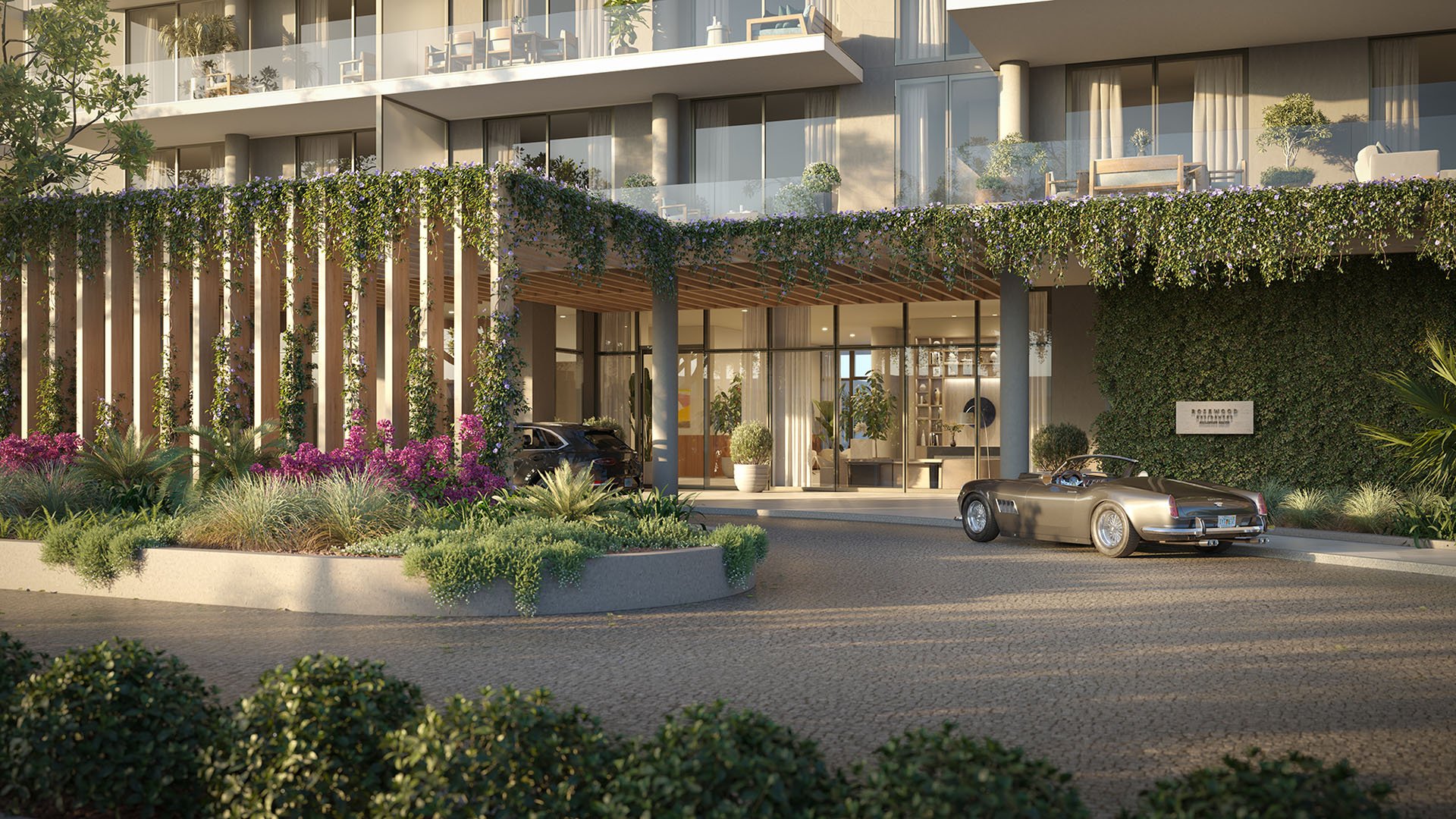
For a Las Olas buyer, parking is not merely a line item attached to a residence. It is part of the home’s operating system: privacy, service, household flow, and the daily choreography of the people who help a property perform at its intended level. In 2026, that conversation is especially important for buyers who expect a residence to function with discretion, not improvisation.
Staff parking is not limited to a full-time chauffeur or house manager. It may involve housekeepers, nannies, private chefs, personal assistants, wellness professionals, security, marine crew, dog walkers, estate vendors, or visiting family support. The more complex the household, the more parking becomes a design issue, even when the architecture is already complete.
The essential question is not simply, “How many spaces come with the property?” The more useful question is, “Can this residence absorb the way we actually live?” A trophy address can lose elegance quickly if every service appointment requires a workaround, every guest arrival displaces staff, or every late-evening return depends on a rule that was never reviewed carefully.
A strong Las Olas parking brief begins with the household calendar. Buyers should map who arrives, how often they arrive, how long they remain, and whether their work requires reliable access to the residence or only short-term drop-off. A daily nanny has different needs from a private chef arriving before dinner service. A driver has a different pattern from a visiting massage therapist. A housekeeper may need predictable daytime access, while a security professional may require flexibility at unusual hours.
This exercise should happen before a floor plan becomes the focus. It clarifies whether assigned spaces are sufficient, whether guest parking can realistically support staff, and whether nearby alternatives meet the buyer’s service standard. It also separates a true parking solution from a pleasant but fragile assumption.
Buyers with multi-generational households should be especially precise. Family, staff, and medical support can overlap during holidays, recovery periods, school weeks, or extended stays. A residence that works beautifully for two people may become strained when the household is fully occupied.
The due diligence conversation should be specific, written, and calm. Ask whether parking spaces are deeded, assigned, licensed, valet-managed, or otherwise controlled. Ask whether staff may use resident spaces, guest spaces, valet, service areas, or temporary access passes. Ask whether overnight parking is permitted and whether recurring staff require registration.
The same discipline applies to vehicle type. A buyer should understand whether larger vehicles, electric vehicles, marked vendor vehicles, or commercial-style vehicles face restrictions. If the household uses a driver, confirm the practical arrival sequence: where the vehicle waits, how long it may remain, and how the driver accesses the residence without disrupting the owner experience.
For condominium and managed residences, the building’s rules matter as much as the physical garage. For townhomes and single-family properties, the focus often shifts to driveway depth, street conditions, guest overlap, and neighborhood discretion. In every format, the buyer should insist on clarity before contract commitments harden.
A condominium can offer a refined arrival experience, but staff parking may depend on the building’s internal rules and the capacity of its guest or valet system. The most elegant buildings tend to value order, which benefits owners, but order requires advance knowledge. A buyer should not assume that a staff member can park where a friend parked during a showing.
A townhome may offer more independence, yet it can still be constrained by garage dimensions, driveway configuration, and visitor stacking. The advantage is control; the risk is underestimating how many vehicles appear when the home is in full use.
A single-family estate near Las Olas may provide the greatest flexibility, particularly where the arrival sequence is private and service circulation is intuitive. Even then, parking should be studied as part of the estate plan. A beautiful motor court can feel compromised if staff, vendors, and guests all compete for the same visual foreground.
In a saved-search brief, keep the taxonomy literal: Fort-lauderdale for location, Broward for county context, New-construction or Resale for building type, Investment for underwriting, and Penthouse when the residence carries an elevated service profile. Those labels help keep the search organized, but the real value comes from translating them into operational questions.
Before selecting a property, create a staff parking checklist that reflects actual life rather than theoretical capacity. Include daily staff, weekly staff, occasional vendors, visiting family support, drivers, security, and wellness appointments. Note which roles require short-term access, which require longer parking windows, and which may arrive outside normal daytime patterns.
Then test each property against four standards. First, privacy: can staff arrive without unnecessary exposure or disruption? Second, reliability: will the same solution work on busy evenings, weekends, and holidays? Third, compliance: is the plan consistent with property rules and neighborhood expectations? Fourth, resale: would another high-end buyer understand the solution quickly?
A good plan should be easy to explain. If it requires too many exceptions, personal relationships, or uncertain permissions, it may not be durable. Ultra-premium buyers are not only purchasing square footage, views, and finishes; they are purchasing predictability.
Parking rarely carries the emotional charge of a water view or a primary suite, but it can influence the seriousness of an offer. If the residence functions beautifully for a staffed household, that confidence may support a cleaner negotiation. If the plan is ambiguous, the buyer may need time, concessions, or additional protections before moving forward.
For resale, staff parking is best understood as an invisible amenity. It does not always photograph dramatically, yet sophisticated buyers feel it immediately. A home that allows service to happen quietly has a different atmosphere from one where every arrival becomes a logistical event.
This is why parking should be evaluated with the same care as elevator access, storage, service entries, and outdoor entertaining areas. In Las Olas, luxury is often measured by what does not need to be discussed in the middle of a busy day.
The ideal staff parking solution is not necessarily conspicuous. It is legible, repeatable, and aligned with the household’s rhythm. It protects the owner’s arrival, gives staff a clear protocol, respects the property’s rules, and avoids dependence on guesswork.
For buyers considering Las Olas in 2026, the message is simple: treat staff parking as an early filter, not a late correction. When the parking plan is right, the residence feels calmer. When it is wrong, even an exceptional home can feel less effortless than it should.
Why is staff parking important for a Las Olas buyer? It affects privacy, service quality, and the daily ease of running a sophisticated household.
Should staff parking be reviewed before touring or after choosing a property? Review it before and during tours, because it can change whether a home truly fits the buyer’s lifestyle.
Is the number of parking spaces the only issue? No. Rules, access, timing, valet procedures, and guest parking may matter as much as the count.
What staff roles should be included in the parking plan? Include housekeepers, nannies, chefs, drivers, assistants, security, wellness providers, and recurring vendors.
Are condominium rules especially important? Yes. Managed buildings may have specific procedures for staff, guests, valet use, registration, and overnight access.
Can guest parking solve staff parking needs? Sometimes, but it should not be assumed without confirming the rules and realistic availability.
Should buyers ask about overnight staff parking? Yes, especially if the household may use security, medical support, drivers, or live-in assistance.
Does staff parking affect resale? It can. Future luxury buyers often value homes that make service discreet, predictable, and easy to manage.
What is a warning sign during due diligence? A plan that depends on exceptions, informal permission, or uncertain availability should be treated carefully.
What is the best overall approach for 2026 buyers? Build the staff parking plan around real household routines, then confirm that the property can support them.
For a confidential assessment and a building-by-building shortlist, connect with MILLION.
If branded residences are on your mind — as a home or as an allocation — we would be glad to share what we are seeing, privately.
Begin a quiet conversation