A practical editorial guide to evaluating staffing ratios at Shoma Bay North Bay Village through the lens of full-time ownership, daily service, privacy, and long-term livability.
For a full-time owner, service is not an accessory. It is the building’s operating system. At Shoma Bay North Bay Village, staffing should be viewed less as a sales detail and more as a lifestyle due diligence item, particularly for buyers who expect to live in the residence most of the year rather than visit seasonally.
A staffing ratio is often reduced to a simple comparison between the number of residences and the number of employees. In practice, it is more nuanced. The essential question is not only how many people work in the building, but where they are positioned, when they are on duty, how responsibilities overlap, and whether the property can remain composed during ordinary high-pressure moments.
Those moments are easy to picture: several residents arriving at once, guests checking in, deliveries accumulating, a service request surfacing in the evening, or a valet stand managing multiple vehicles in quick succession. A property can feel polished when traffic is light. The more useful test is how it performs when life is moving at full speed.
Second-home owners often experience a building in curated intervals. They arrive for a long weekend, spend time near the water, entertain lightly, and leave before the small frictions of daily living become visible. Full-time owners encounter the entire service ecosystem. They notice the morning lobby rhythm, the consistency of front desk coverage, how quickly a maintenance issue is acknowledged, and whether privacy is protected when the building is active.
This is why staffing ratios deserve close attention at Shoma Bay North Bay Village. The appeal of North Bay Village is tied to waterfront positioning, proximity to Miami Beach and the mainland, and a residential atmosphere that can feel more private than denser urban cores. But a full-time residence must do more than occupy a desirable location. It must function gracefully Monday through Sunday.
For buyers comparing North Bay Village opportunities, the language of new construction and pre-construction can create a sleek first impression. The deeper evaluation concerns the eventual lived experience: how access is managed, how residents are greeted, how service teams communicate, and whether the building feels calm rather than understaffed.
A simple staff-to-residence ratio can be misleading if it is not broken into practical categories. A full-service residential building may involve front desk personnel, valet teams, security or access control, maintenance staff, common-area housekeeping, management, and amenity attendants. Not all roles serve the same purpose, and not all are equally visible.
For full-time owners, the first question is coverage by shift. A building may appear well-staffed during weekday business hours but feel thinner at night, early in the morning, or on weekends. The second question is specialization. If one person is expected to handle guests, packages, calls, service coordination, and resident requests simultaneously, the headline ratio may overstate the real level of attention.
The third question is redundancy. Luxury service depends on continuity. If a key staff member is occupied, on break, or responding to another issue, the resident experience should not collapse into waiting. Owners should ask how the team handles overlapping demands and whether there is a clear chain of responsibility when several needs arise at once.
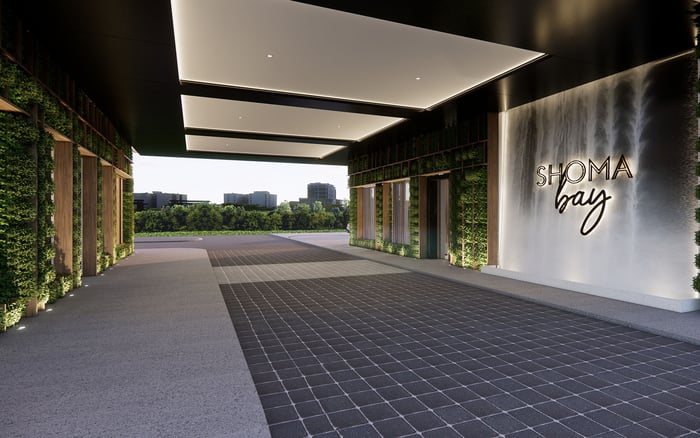
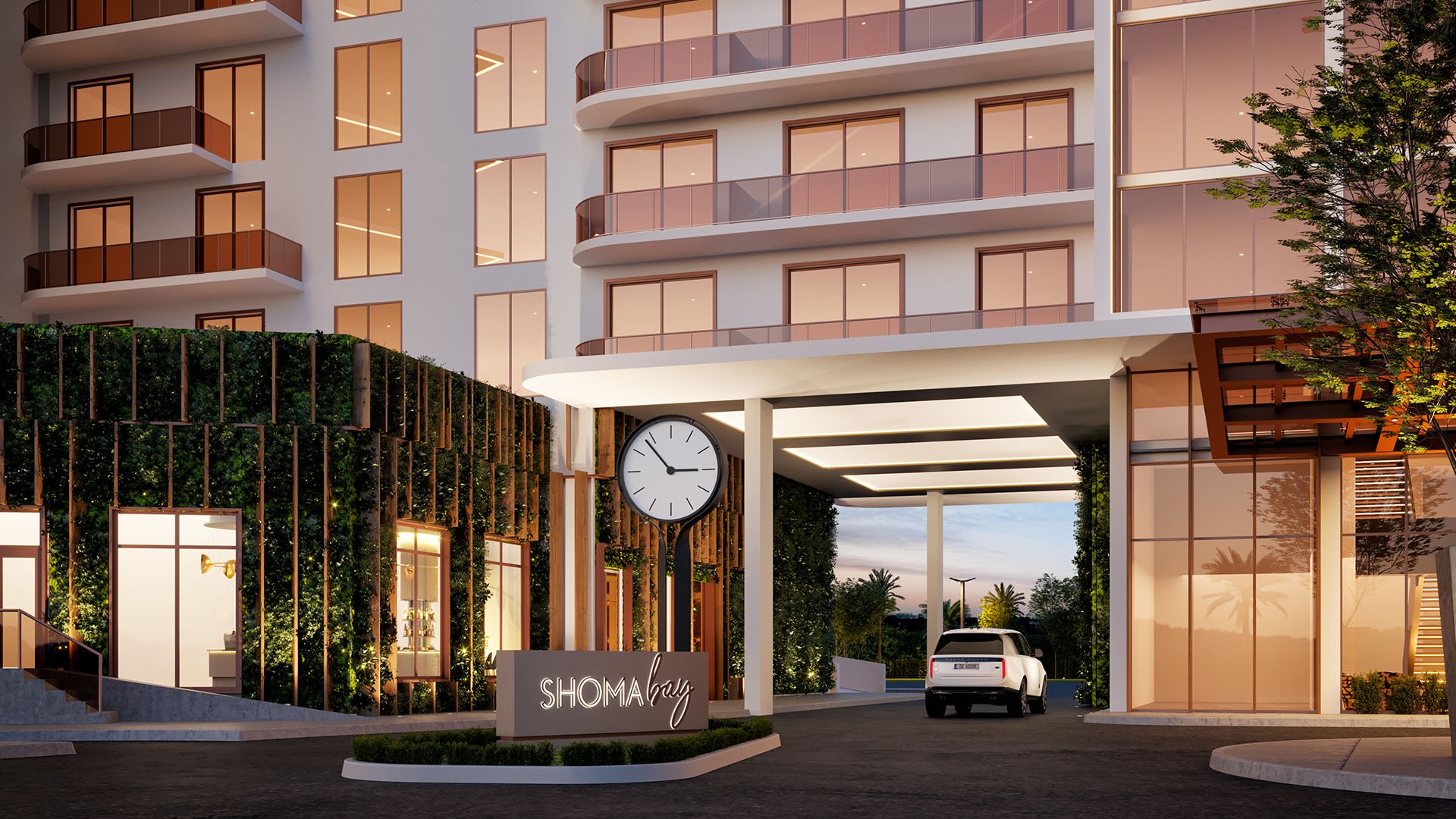
For full-time residents, arrival is not ceremonial. It is daily. The quality of the lobby and valet experience shapes the way a building feels before the elevator doors open. A strong staffing model supports three things: recognition, discretion, and flow.
Recognition means staff understand the difference between residents, guests, vendors, and unknown visitors. Discretion means personal routines are not broadcast or mishandled. Flow means arrivals and departures feel orderly, even when the building is busy.
Valet staffing deserves particular scrutiny because it can become a pressure point. Buyers should ask how peak windows are anticipated, how guest vehicles are handled, and how resident priority is protected. A waterfront lifestyle often includes dinners, airport runs, school schedules, business meetings, and spontaneous evening plans. The building needs a staffing model that supports real life rather than staged convenience.
In a luxury residence, privacy is not only about walls, views, or elevator configuration. It is also about human systems. The best staffing ratios are supported by clear procedures for visitors, vendors, deliveries, contractors, and amenity access. Without those procedures, even a generous headcount can feel inconsistent.
At Shoma Bay North Bay Village, full-time owners should focus on how access points are managed throughout the day. Are visitors verified before reaching residential areas? Are vendor movements controlled? Are packages secured efficiently without crowding the lobby? Are staff trained to be warm without becoming overly familiar?
These questions matter for families, executives, and owners who value a low-profile lifestyle. A well-run building should make privacy feel natural, not defensive. The right service culture is attentive but quiet, visible but never intrusive.
The most visible staff members are not always the most important to long-term satisfaction. Maintenance and common-area housekeeping form the hidden ratio that full-time owners feel every day. Elevators, corridors, amenity spaces, garage areas, pool decks, and shared interiors require steady attention. If these areas are not maintained consistently, the building’s perceived quality can change quickly.
Owners should ask how service requests are submitted, how they are prioritized, and how after-hours issues are addressed. They should also ask who supervises recurring maintenance, whether preventive checks are part of the operating culture, and how common areas are refreshed after heavy use.
Water-view living and marina-adjacent expectations can add another layer to building operations, because residents often expect the property to feel composed even when outdoor conditions, guest traffic, and lifestyle activity fluctuate. The more active the setting, the more important the operating plan becomes.
A practical buyer should ask for the current or projected staffing plan, then read it like an owner rather than a visitor. The most valuable questions are direct: Which roles are full-time? Which are shared? Which are present overnight? Which are outsourced? Who has authority to solve resident issues immediately? How are complaints tracked? How is service quality reviewed?
It is also useful to separate amenity ambition from staffing reality. A building may offer appealing spaces, but every shared environment creates operational demand. Pools, lounges, fitness areas, package rooms, arrival courts, and waterfront-facing settings all require oversight. The more amenities a buyer expects to use, the more important staffing depth becomes.
Finally, compare the proposed service model with your actual lifestyle. A buyer who travels constantly may prioritize lock-and-leave reliability. A family in residence full time may care more about daily access control, package volume, valet consistency, and maintenance responsiveness. A private owner who entertains often may focus on guest handling and building etiquette.
Shoma Bay North Bay Village should be evaluated not only as a residence, but as a service environment. For full-time owners, staffing ratios are a proxy for calm, privacy, convenience, and long-term confidence. The number matters, but the structure behind the number matters more.
The best question is not whether the building will feel staffed on a tour. It is whether the building will feel composed on an ordinary Tuesday evening, during a rainy arrival, after a large delivery, or when several residents need attention at once. That is where a staffing model proves itself.
For buyers considering Shoma Bay North Bay Village, the most refined approach is to treat service as part of the asset. Architecture may attract attention, views may secure desire, and location may anchor value. But for those who live there every day, the quiet competence of the staff may be what makes the residence feel truly complete.
Why do staffing ratios matter for full-time owners? Full-time owners experience the building every day, so service consistency affects privacy, convenience, maintenance, and overall comfort.
Is a higher staffing ratio always better? Not necessarily. Role clarity, shift coverage, training, and supervision can matter as much as the total number of staff.
What should buyers ask before purchasing at Shoma Bay North Bay Village? Ask for the service plan, shift coverage, valet procedures, package handling, maintenance response process, and visitor access protocols.
How should valet staffing be evaluated? Focus on peak arrival times, guest vehicle procedures, resident priority, and how delays are managed during busy periods.
Does amenity quality depend on staffing? Yes. Shared spaces require oversight, cleaning, maintenance, and resident support to remain polished over time.
What is the biggest staffing risk for full-time residents? The biggest risk is thin coverage during nights, weekends, or peak periods when multiple resident needs arise at once.
How does staffing affect privacy? Properly trained staff can manage visitors, vendors, deliveries, and access points while keeping resident routines discreet.
Should buyers rely on published service descriptions? Service descriptions are useful, but buyers should request practical details about staffing structure and real operating procedures.
Can staffing influence long-term property satisfaction? Yes. A well-run building often feels calmer, cleaner, safer, and more dependable for owners who live there full time.
What is the simplest way to compare service quality? Compare how each building handles daily friction: arrivals, packages, maintenance, guests, and after-hours support.
For a discreet conversation and a curated building-by-building shortlist, connect with MILLION.
If branded residences are on your mind — as a home or as an allocation — we would be glad to share what we are seeing, privately.
Begin a quiet conversation