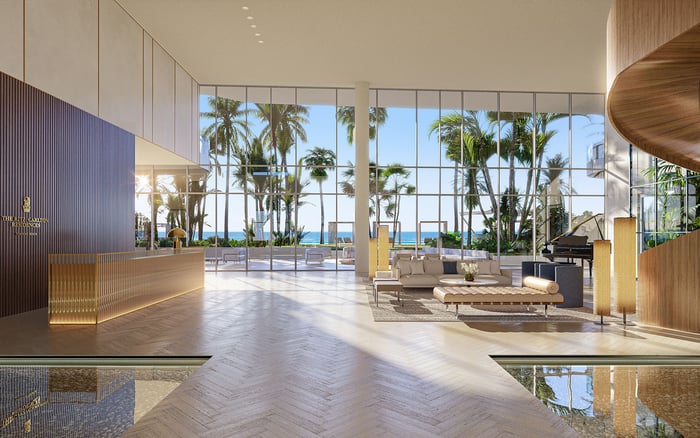
A buyer-focused analysis of how line selection at Oceana Bal Harbour should be priced through view quality, noise, sun exposure, floor height, and terrace privacy.

At Oceana Bal Harbour, line selection is not a decorative preference. It is the buyer’s first valuation lens. The same building can deliver markedly different daily experiences based on orientation, elevation, view corridor, sound exposure, solar condition, and the degree of privacy from terraces and neighboring structures.
A serious offer should not begin with square footage alone. It should begin with how the residence lives. A plan that appears efficient on paper may feel compromised if its principal rooms face active areas, carry unwanted road sound, or receive harsh afternoon glare. Conversely, a residence with a smaller or less dramatic plan may command stronger interest if the view, light, and privacy are meaningfully superior.
For Bal Harbour buyers, this is a familiar discipline. Oceanfront value is often created by nuances that are invisible in a brochure: the angle of the living room, the depth of a terrace, the direction of sunrise, and the way neighboring balconies affect privacy. This is especially relevant at the ultra-premium level, where the difference between a good purchase and a compelling one often sits in the line.
East-facing residences at Oceana Bal Harbour are generally framed around Atlantic Ocean views and morning light. For many buyers, that combination is the emotional anchor of the purchase. The view is not simply scenery. It shapes breakfast light, the mood of the primary suite, the usability of outdoor space, and the sense of retreat that defines oceanfront living.
Higher east-facing residences tend to carry stronger buyer appeal when they deliver broader ocean views and reduce the perception of ground-level noise. This does not mean every high-floor east line should be valued the same way. A buyer should still test view clearance, terrace privacy, interior glare, and the relationship of the residence to adjacent balconies. High floor should not become shorthand for perfection, but it often deserves closer attention when the view opens cleanly.
The right question is not whether east is generally preferred. It is how much the specific east-facing line improves the living experience relative to the next available alternative. If the ocean view is broad, the morning light is elegant, and privacy is convincing, a firmer offer may be justified. If the view is interrupted or the terrace feels exposed, that premium should be moderated.
West-facing lines should be evaluated through a different lens. They may look toward Collins Avenue and inland surroundings rather than directly over the Atlantic. That does not make them poor residences, but it changes the economic conversation.
The buyer’s task is to price the difference between ocean-view utility and inland-view compromise. A west-facing residence can still work beautifully for a purchaser who values the building, the Bal Harbour setting, and the overall ownership experience. The mistake is paying as though the residence delivers the same view utility as a stronger ocean-facing line.
This is where discipline matters. If the line carries more road influence, less open water presence, or a more complex privacy condition, the offer should reflect that. A weaker line may still be an intelligent acquisition when the valuation acknowledges the trade-off. In a market where buyers compare prestige properties across Rivage Bal Harbour, Surfside, and Miami Beach, exposure is part of the price, not a footnote.
Noise is rarely uniform within an oceanfront condominium. It should be evaluated by line and elevation, especially for residences closer to public realms, roads, amenities, or active building areas. When possible, a buyer should experience the residence at different times, standing not only in the living room but also on the terrace and in quieter sleeping areas.
Lower elevations may have a different sound profile than higher floors. Residences oriented toward active edges can feel more exposed, while higher ocean-facing lines may reduce the perception of ground-level activity. The offer should account for that difference. A residence that photographs beautifully but carries persistent sound exposure may deserve a more conservative number than a comparable line with calmer acoustics.
Noise also affects resale psychology. Buyers at this tier expect serenity. If a line requires explanation, mitigation, or compromise, that should appear in the negotiation logic.
Solar exposure is more than a design detail. It affects interior comfort, glare, terrace usability, and heat gain throughout the day. East-facing residences often benefit from morning light, which many coastal buyers find desirable. Other exposures may require closer review for brightness, warmth, and how comfortably the outdoor areas can be used.
The ideal exposure depends on lifestyle. A buyer who spends mornings on the terrace may value softer early light. A buyer who entertains later in the day may think differently about shade, heat, and glare. What matters is aligning the line with actual use rather than assuming one exposure is universally superior.
Across South Florida, from 57 Ocean Miami Beach to The Perigon Miami Beach, sophisticated buyers are increasingly precise about how sunlight behaves inside glassy coastal residences. At Oceana Bal Harbour, that same precision should guide the offer.
Privacy analysis should include direct sightlines from neighboring buildings, adjacent terraces, and shared exterior conditions. A residence can have a beautiful water view and still feel compromised if the principal rooms or outdoor spaces are visibly exposed.
Corner residences may offer stronger light and more dynamic view angles, but they also require careful study. The wraparound quality that creates drama can also introduce sightline complexity. A corner line should be walked slowly. Look from the kitchen, seating area, primary bedroom, and terrace edge. Ask what can be seen, and just as important, who can see in.
This is the quiet luxury test. The most valuable lines do not merely show well. They feel private without effort. In neighboring coastal markets such as Surfside, projects like Arte Surfside and The Surf Club Four Seasons Surfside reinforce the same buyer instinct: discretion, view, and calm are part of the luxury equation.
A strong offer at Oceana Bal Harbour should be tied to the evidence of the line. If the residence is high, ocean-facing, private, and comfortable in its exposure, the buyer may need to be more assertive. If the line is lower, west-facing, noisier, more exposed, or less compelling in its view utility, the valuation should become more disciplined.
This is where line selection becomes a buyer’s guide rather than a design conversation. The floor plan tells you how the residence is arranged. The line tells you how it will feel at 8 a.m., at sunset, in season, and during quiet evenings. For buyer’s guides, that distinction is essential.
A weaker line does not automatically mean a poor purchase. It simply means the buyer should avoid paying for benefits the residence does not fully deliver. The most strategic offer recognizes the building’s prestige while isolating the particular strengths and compromises of the unit itself.
Is there one best line at Oceana Bal Harbour? Not without reviewing specific floor plans, views, listings, and on-site conditions. The best line depends on view, elevation, exposure, noise, and privacy.
Do east-facing residences usually carry stronger appeal? East-facing residences are generally associated with Atlantic Ocean views and morning light. When privacy and view clearance are strong, that can support a firmer offer.
Should west-facing lines be avoided? No. They can be sensible purchases if the price reflects inland orientation, potential road influence, and any view compromise.
How important is floor height? Floor height can change view clearance, perceived noise, neighboring sightlines, and terrace privacy. It should be evaluated with the specific line, not in isolation.
Are corner residences always better? Not always. Corners may offer stronger light and wider view angles, but they can also create more complex privacy and sightline issues.
How should noise affect an offer? Noise should create valuation discipline if it affects bedrooms, terraces, or main living areas. A calmer line may deserve a stronger number.
Does morning light add value? It can, particularly for buyers who value softer light and ocean-facing living. The premium depends on the overall quality of the line.
What is the biggest mistake buyers make with line selection? The biggest mistake is treating two residences in the same building as equivalent because they share a similar size or plan.
Can a weaker line still be a good buy? Yes. A weaker line can be attractive when the pricing honestly reflects its trade-offs and the buyer values the building context.
What should be reviewed before making an offer? Review view quality, noise, solar exposure, terrace privacy, neighboring sightlines, and how the residence feels at different times of day.
If you'd like a private walkthrough and a curated shortlist, connect with MILLION.
If branded residences are on your mind — as a home or as an allocation — we would be glad to share what we are seeing, privately.
Begin a quiet conversation