A buyer-focused editorial on why Onda Bay Harbor’s service-led boutique waterfront model speaks to a more mature definition of luxury in Bay Harbor Islands.
In South Florida’s most discerning residential conversations, the traditional amenity checklist is starting to feel incomplete. A long roster of lounges, club rooms, pools and wellness spaces may still present well, but the more revealing question is operational: who is there when a resident needs something handled, and how consistently is it done?
That is the lens through which Onda Bay Harbor becomes especially compelling. The project sits within Bay Harbor Islands, part of the broader Miami, Bal Harbour and Surfside luxury corridor, yet its strongest editorial argument is not simply about adding more spaces to a brochure. It is about whether a boutique waterfront building can make service execution feel embedded in the residential product itself.
For affluent buyers, practical ease is no longer a secondary perk. It is a value driver. A residence may offer beautiful architecture and generous private space, but the lived experience is shaped by arrival, recognition, communication, coordination and problem solving. In that context, concierge depth can matter more than amenity count.
Boutique luxury is not a smaller version of tower luxury. It operates on a different promise. In a highly programmed tower, the experience may be defined by the range of shared destinations. In a boutique waterfront building, the standard is often more personal: fewer residents, greater privacy and a front-of-house environment that feels calm, precise and available.
That is where staffing quality becomes central. Residents notice whether requests are remembered, whether guests are handled discreetly, whether deliveries are coordinated smoothly and whether daily routines remain frictionless. The best buildings do not make residents manage the building. They make the building quietly manage itself around the resident.
This is why concierge-to-residence depth can be more meaningful than adding another lounge. A lounge can sit unused. A service team must perform every day. For buyers considering Onda Bay Harbor, the more sophisticated question is not, “How many amenities are listed?” It is, “How well can the building deliver daily service for a limited number of residences?”
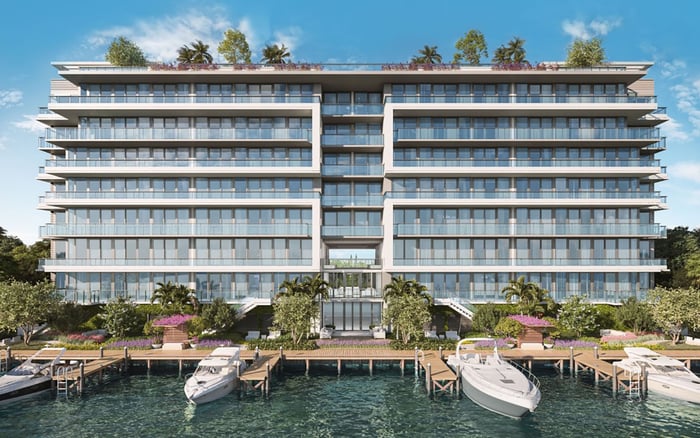
Waterfront living has its own rhythm. Privacy, boating access and low-friction movement matter. Residents may be arriving from travel, hosting family, coordinating cars, managing guests or moving between home, marina life, dining and the surrounding corridor. In that daily pattern, small operational failures become disproportionately visible.
A buyer focused on waterfront luxury is not only buying a view or a shoreline setting. The buyer is buying time. Time not spent following up. Time not spent explaining preferences repeatedly. Time not spent compensating for a building that looks polished but operates thinly.
Bay Harbor Islands is well suited to this conversation because it is not trying to be Brickell, South Beach or Sunny Isles Beach. Its appeal is more discreet. Projects such as Alana Bay Harbor Islands and La Maré Bay Harbor Islands reinforce the area’s boutique residential character, while Onda Bay Harbor sharpens the question around service as a defining element of daily ownership.
Luxury buyers have become more attuned to the difference between amenities that appear on marketing plans and services that operate consistently at hotel-grade standards. The distinction matters because an amenity is not inherently luxurious simply because it exists. A space becomes luxurious when it is maintained, staffed, accessible and aligned with how residents actually live.
A poorly supported amenity can create the opposite effect. It can feel ornamental rather than useful. A resident may admire the renderings, then discover that the real measure of luxury is whether someone is prepared, trained and empowered to assist without delay.
This is where Onda Bay Harbor’s service-led interpretation feels timely. The building can be understood less as an amenity arms race and more as a study in operational refinement. In the ultra-premium segment, discretion is not passive. It requires training. Calm is not accidental. It requires staffing. Ease is not a slogan. It requires systems.
Onda Bay Harbor benefits from its position near Bal Harbour and Surfside, two names that already carry significant weight in South Florida luxury. Yet Bay Harbor Islands offers a different residential tone within that same corridor. It is quieter, more residential and more aligned with buyers who want proximity without constant visibility.
For some purchasers, that balance is compelling. They may admire the coastal prestige associated with Rivage Bal Harbour or the refined seaside profile of The Delmore Surfside, while still gravitating toward the more intimate cadence of Bay Harbor Islands. The geography creates a useful comparison: prestige can be coastal and prominent, or it can be quieter and more service-forward.
That is why the Onda conversation should not be reduced to size. Smaller does not automatically mean better service, just as larger does not automatically mean more luxury. The issue is alignment. A boutique waterfront residence must deliver the privacy, responsiveness and reliability its buyers expect.
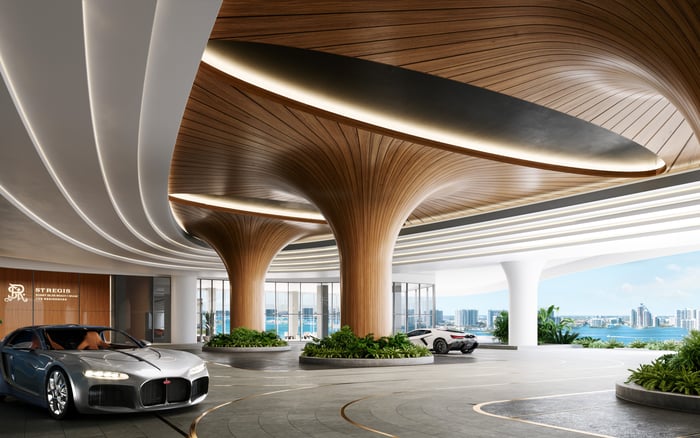
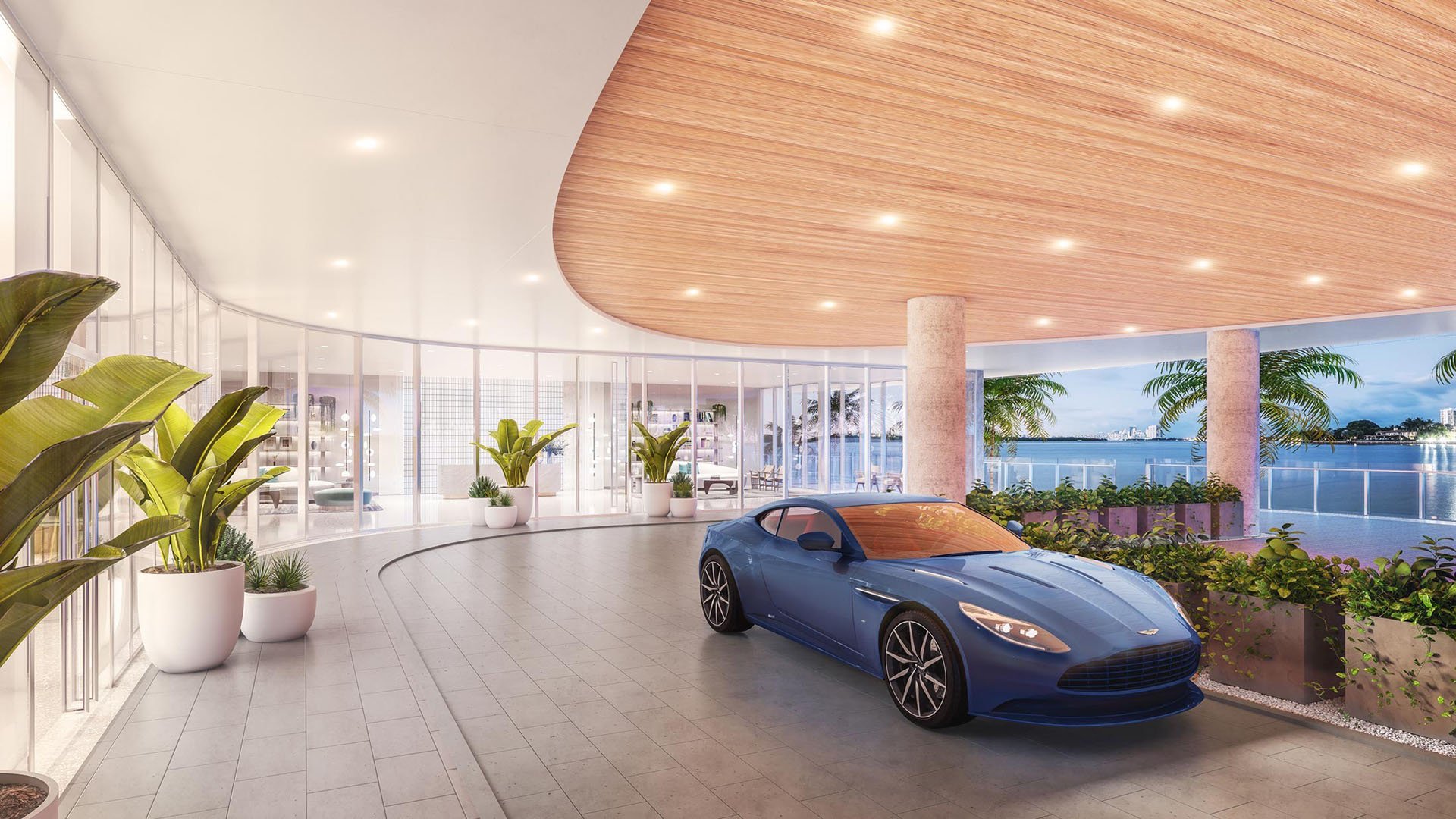
Lifestyle is often discussed through architecture, wellness rooms, dining spaces and outdoor terraces. Those details matter, but the first lived impression is usually the front door. The lobby, the greeting, the recognition, the handling of guests and the ability to anticipate recurring preferences all shape the emotional temperature of the building.
In the best service environments, nothing feels overbearing. Staff presence is visible when needed and invisible when not. That balance is difficult, especially in a residential setting where owners want both privacy and assistance. The service must be personal without becoming intrusive, polished without becoming theatrical.
For Onda Bay Harbor, this is the deeper buyer takeaway. Concierge depth is not only about having someone at a desk. It is about whether the building’s operating culture can support the way affluent residents actually live: with travel, family, guests, deliveries, boating interests and a desire for seamless transitions.
A serious buyer should still review the amenity program, but the more revealing diligence may be operational. How is the front-of-house experience intended to work? How are resident requests managed? How does the building preserve privacy while remaining responsive? How does the service model support a limited residential community rather than a large anonymous population?
These questions are not secondary. They go to the heart of value. In a market where many luxury residences can offer beautiful finishes and impressive shared spaces, service becomes one of the clearest ways to distinguish a building that photographs well from one that lives well.
Onda Bay Harbor’s relevance comes from that distinction. Its boutique waterfront position gives buyers a framework for evaluating luxury not by accumulation, but by consistency. In the next chapter of South Florida residential demand, the finest amenity may be the one residents do not need to think about: a building that simply works.
Why does concierge depth matter at Onda Bay Harbor? Because daily service reliability can shape the lived experience more directly than the number of listed amenities.
Is amenity count still important for luxury buyers? Yes, but amenity count is only part of the equation. Buyers should also evaluate staffing, training and operational consistency.
How does Onda Bay Harbor fit within Bay Harbor Islands? It is framed as a boutique waterfront example within a discreet residential market connected to the broader luxury corridor.
Why compare Bay Harbor Islands with Bal Harbour and Surfside? The three areas sit within a closely watched luxury corridor, but Bay Harbor Islands often offers a quieter residential tone.
What does hotel-grade service mean in a residential context? It means polished, consistent and responsive service delivered without making the building feel public or overprogrammed.
Who is most likely to value this service-led model? Buyers who prioritize privacy, waterfront living and low-friction daily routines are especially likely to value it.
Does boutique automatically mean better service? No. Boutique scale helps only when staffing, training and systems are aligned with resident expectations.
What should buyers ask during a private tour? They should ask how requests are handled, how privacy is protected and how front-of-house coverage supports daily life.
Can a long amenity list become a disadvantage? It can if the spaces are not consistently maintained, staffed or used in ways that genuinely improve resident life.
What is the core buyer takeaway at Onda Bay Harbor? The core takeaway is that service execution can be part of the residence itself, not merely an afterthought.
If you'd like a private walkthrough and a curated shortlist, connect with MILLION.
If branded residences are on your mind — as a home or as an allocation — we would be glad to share what we are seeing, privately.
Begin a quiet conversation